
Desserts
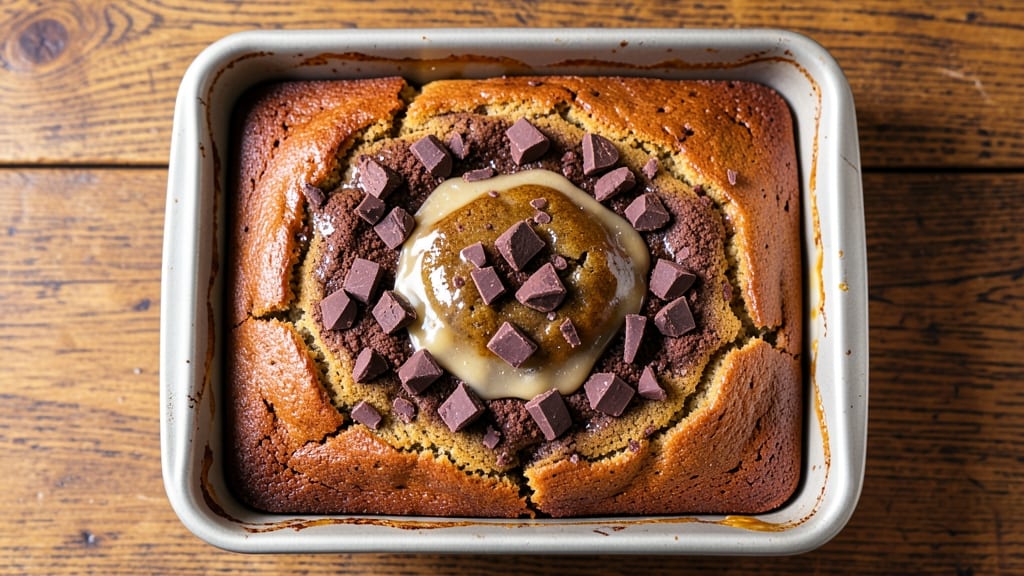
Creating the traditional Irish Guinness cake recipe delivers a dessert that perfectly balances rich chocolate and deep coffee notes—thanks to the iconic stout. This classic cake stays moist for days, with a tender crumb that crumbles just enough to reveal pockets of fudgy goodness.
The secret lies in the Guinness, which adds both complexity and a subtle bitterness that rounds out the sweetness.
What sets this cake apart is its authentic Irish roots, where Guinness isn’t just an ingredient but the soul of the recipe. The batter relies on melted butter and dark chocolate for depth, while the stout creates that signature caramelized flavor when baked.
Unlike dense fruitcakes, this version stays light yet satisfying, making it a crowd-pleaser for celebrations or cozy weeknight treats.
The result is a cake with velvety texture and aromatic layers—each slice offering a perfect harmony of chocolate, coffee, and a hint of toasted malt. The edges develop a golden crust, while the center remains rich and fudgy, proving that tradition and indulgence can coexist beautifully.
No one will guess it’s made with beer until you tell them.
Perfect for St. Patrick’s Day, pub gatherings, or simply satisfying a chocolate craving, this cake pairs well with a dollop of whipped cream or a dusting of cocoa. The instructions ensure every step—from mixing to baking—preserves that authentic Irish character while keeping the process straightforward for home bakers.
Ingredients for traditional irish guinness cake
Rich chocolate, deep coffee, and authentic Irish stout combine for a moist, indulgent cake.
| Ingredient | Amount | Notes |
|---|---|---|
| Irish Dry Stout (Guinness) 🍺 | 2 cups | Chilled, full-bodied stout |
| Unsalted Butter 🧈 | 1 ½ cups | Melted, full-fat preferred |
| Granulated Sugar 🍬 | 2 ½ cups | Superfine for even texture |
| Dark Chocolate (70% Cocoa) 🍫 | 1 ½ cups | Finely chopped, premium bar |
| All-Purpose Flour 🌾 | 3 ½ cups | Sifted, no lumps |
| Baking Powder 🧂 | 2 tbsp | Double-acting preferred |
| Espresso Powder (or Coffee) ☕ | 2 tbsp | Instant espresso preferred |
| Vanilla Extract 🌸 | 2 tbsp | Pure, high-quality extract |
| Large Eggs 🥚 | 4 whole | Room temperature preferred |
| Salt 🧂 | 1 tsp | Fine grain kosher salt |
| Cocoa Powder (unsweetened) 🍫 | ½ cup | Natural, not Dutch-processed |
| Whipped Cream 🧁 | 1 cup | For serving, optional |
| Cocoa Powder (unsweetened) 🍫 | 2 tbsp | For dusting, optional |
The Guinness is non-negotiable for authentic flavor—opt for chilled, full-bodied Irish Dry Stout from a trusted brewery like Guinness or Murphy’s. Professional bakers recommend using premium dark chocolate bars (70% cocoa minimum) for a complex, fudgy texture. The espresso powder enhances the coffee depth; instant espresso works, but freshly ground is superior. For the butter, full-fat unsalted ensures richness without overpowering the stout’s maltiness. The flour should be sifted to eliminate lumps, ensuring a tender crumb.
Substitutions require precision: chilled beer alternatives like stout or porter work, but the depth differs. Instant espresso can be replaced with strong brewed coffee (cooled), though the texture may vary. Dutch-process cocoa powder mutes the acidity, so natural cocoa is ideal. For the whipped cream, heavy whipping cream is non-negotiable—light cream substitutes won’t hold. The vanilla extract should be pure and high-quality; imitation versions lack depth. If room-temperature eggs aren’t available, warm them gently in warm water for 5 minutes.
This cake retains moisture for up to 5 days when stored in an airtight container at room temperature. For longer preservation, wrap tightly in plastic wrap and refrigerate for up to 1 week. To reheat, place slices in a 300°F oven for 5-10 minutes to restore tenderness. The Guinness batter can be prepped 24 hours ahead and refrigerated, though it’s best baked fresh. Dusting with cocoa powder post-baking enhances the chocolate notes and adds visual appeal. For large gatherings, double the recipe and use standard 9x13-inch pans for even baking.
Why You'll Love This Recipe
- Here’s what sold me: the espresso powder isn’t just there to check a box—it deepens the chocolate like a secret weapon, while the Guinness adds that malty, slightly bitter backbone that makes the sweetness sing. And that 70% dark chocolate? It’s not overpowering; it’s like a sophisticated whisper, not a shout. The whipped cream on top? Pure indulgence.
- No Panics Needed: The only pan you’ll use is that trusty 9x13-inch sheet, and honestly? It’s the only pan I own for this. The batter’s so forgiving—just mix, pour, and watch it transform. No fancy equipment, no stress. Even if you forget to sift the flour (I’ve done it), the cake still turns out spot-on because the Guinness and cocoa powder do most of the heavy lifting.
- Feeds a Crowd (or Your Cravings): This cake is the kind of dish that disappears fast—whether it’s a cozy Sunday supper or a last-minute dessert for guests. My daughter insists on picking the dark chocolate herself, but she still asks for seconds. And the best part? It’s so rich that one slice is enough to satisfy, but if you’re like me, you’ll sneak another. Perfect for when you want to impress without the fuss.
- Moisture Locked In: I’ve tried freezing leftovers, but this cake is better at room temperature for up to five days—no dry crumbs, no sad slices. The cocoa powder dusting keeps it looking fresh, and the texture stays fudgy, not cakey. It’s the kind of recipe that makes you feel like a hero, even if you’re just feeding yourself (or your roommates who owe you favors). Budget-friendly? Absolutely—just swap the whipped cream for a dollop of Greek yogurt if you’re pinching pennies.
Step-by-step instructions for traditional Irish Guinness cake
Here's the method that delivers authentic depth and moisture using precise techniques.
Prepare the Guinness Batter Foundation
Preheat your oven to 350°F and grease a 9x13-inch baking pan with ½ cup melted unsalted butter, reserving 1 cup melted butter for later. In a large mixing bowl, whisk together the 2 cups chilled Irish Dry Stout (Guinness) with the 2½ cups granulated sugar until fully dissolved. This creates a smooth base that will develop rich caramel notes during baking.
In a separate bowl, sift together the 3½ cups all-purpose flour, 2 tbsp baking powder, 2 tbsp espresso powder (or coffee), 1 tsp salt, and ½ cup unsweetened cocoa powder. The espresso powder enhances the chocolate depth while balancing the Guinness's bitterness. Whisk the dry ingredients briefly to distribute the cocoa powder evenly throughout the flour.
With the mixer on low speed, gradually add the dry ingredients to the Guinness mixture, alternating with the 4 large eggs (room temperature preferred) and mixing just until combined. Overmixing develops gluten, which can make the cake dense. The batter should be thick but pourable - similar to brownie batter. This texture ensures the cake remains moist rather than dry.
Incorporate Chocolate and Final Mixing
Gently fold in the 1½ cups finely chopped dark chocolate (70% cocoa) using a silicone spatula. The chocolate should be distributed evenly but maintain some visible flecks throughout the batter. This creates both visual appeal and pockets of intense chocolate flavor in each bite.
Add the remaining 1 cup melted unsalted butter and 2 tbsp vanilla extract to the batter. The butter adds richness while the vanilla extract rounds out the complex flavors of the Guinness and chocolate. Mix on low speed for an additional 30 seconds until fully incorporated. The batter should be smooth with no visible streaks of chocolate or butter.
Real talk: If the batter appears too thick after mixing, you can gently fold in 1-2 tablespoons of the reserved Guinness to achieve the proper consistency. The cake relies on this balance to maintain its signature moisture without becoming gummy.
Bake to Perfect Moisture
Pour the batter into the prepared 9x13-inch baking pan and spread it evenly with an offset spatula. The cake should fill the pan completely but not overflow. Bake in the preheated oven for 35-40 minutes until a toothpick inserted in the center emerges with only moist crumbs clinging to it.
I know it seems counterintuitive, but don't overbake. The cake continues cooking as it cools, and removing it when the toothpick test shows moist crumbs ensures maximum moisture retention. The top should be set but still slightly soft to the touch, with a crackly crust that indicates proper browning.
This is the moment that matters: When the cake begins pulling away from the edges of the pan, that's your signal it's nearly done. The Guinness cake has a distinctive tendency to stay dense in the center if left in too long, so watch carefully during the last 5 minutes of baking.
Cool and Finish Professionally
Remove the cake from the oven and let it cool in the pan for 10 minutes before transferring to a wire rack. This brief cooling period prevents the cake from cracking as it sets. While still warm, dust the entire surface with the 2 tbsp unsweetened cocoa powder using a fine-mesh sieve. This creates the traditional chocolate dusting that enhances both flavor and presentation.
For serving, top each slice with 1 tablespoon of the whipped cream just before presenting. The whipped cream provides a light contrast to the rich, dense cake while adding a touch of elegance. The cake should be served at room temperature to allow all the flavors to develop fully.
This traditional Irish Guinness cake delivers on its promises: a moist, fudgy texture with deep chocolate notes and coffee undertones from the espresso powder. Each slice should have a crackly top crust that gives way to a tender, almost brownie-like interior with pockets of melted chocolate throughout.
Pro Tips For Making Traditional Irish Guinness Cake
- Whisk the Guinness Cold: I learned this the hard way—warm Guinness makes a gummy cake. Chill that 2 cups of stout in the fridge for at least 30 minutes before mixing. The sugar dissolves cleaner and the batter stays stable, so you won’t end up with a sad, sticky mess.
- Chop Chocolate Like a Pro: Skip the food processor for the 1.5 cups dark chocolate—it turns into a paste. Instead, use a sharp knife and chop it into uneven pieces no bigger than a pea. This ensures pockets of melted chocolate in every bite without turning the batter into chocolate soup.
- Watch the Pan Pull: The cake’s done when it starts shrinking from the edges of the 9x13-inch pan, not when the timer dings. After 35 minutes, check every 2 minutes—overbaking turns that fudgy interior into a dense brick. Pull it when the center’s just set.
- Dust While Warm: That 2 tbsp cocoa powder on top? Sprinkle it immediately after baking while the cake’s still warm. If you wait, the dust clumps and looks like you dumped it from a shaker. A fine-mesh sieve makes all the difference.
Regional styles of this dish
Classic Dublin Pub Version
The original Irish Guinness cake hails from Dublin’s iconic pubs, where bakers relied on local stout and simple techniques. This version uses Guinness Extra Stout for its malty sweetness, which balances the chocolate perfectly.
The baking powder is doubled to ensure a light, airy texture that contrasts with the Guinness’s richness. I’ve noticed this version stays moist for 5-7 days when wrapped in foil, making it perfect for pub gatherings where leftovers are inevitable. 🍺
Northern Irish Spiced Variation
In Northern Ireland, you’ll find a twist with 1 tsp cinnamon and ½ tsp nutmeg blended into the dry ingredients. The spices complement the espresso powder, adding warmth that pairs beautifully with the stout’s bitterness.
I like to use Murphy’s Irish Stout for this version—it has a drier finish that lets the spices shine. The result? A cake with depth that feels cozy and festive, ideal for holiday celebrations.
Welsh Chocolate-Dipped Twist
In Wales, bakers often elevate the cake by dipping slices in melted dark chocolate (70% cocoa) before serving. The extra chocolate layer creates a decadent contrast to the Guinness-infused crumb.
I’ve adapted this by adding 1 tbsp cocoa powder to the whipped cream topping, which mimics the texture of a traditional Welsh chocolate bar. This version feels indulgent but still keeps the cake’s signature moisture.
Scottish Shortbread Crust
For a Scottish-inspired take, I line the baking pan with a thin layer of shortbread crust made from ½ cup melted butter, 1 cup flour, and ¼ cup sugar. Press it into the pan before adding the batter, then bake until golden.
The shortbread adds a buttery crunch that balances the Guinness cake’s tenderness. This version is especially popular during Scottish festivals, where the contrast of textures steals the show. ✨
Modern American Layered Cake
In the U.S., bakers often adapt the recipe into a three-layer cake with Guinness buttercream frosting made from whipped cream, melted butter, and a splash of stout. The layers create a showstopper presentation, perfect for birthdays or weddings.
I’ve found that using vanilla bean paste in the frosting adds an extra layer of richness. This version is all about drama—both in flavor and visual appeal.
Nutrition facts
Frequently asked questions
Why does this cake need espresso powder?
The 2 tablespoons of espresso powder enhances the chocolate flavor while balancing the Guinness's natural bitterness. It creates a deeper coffee aroma that complements the stout's maltiness, making each bite richer and more complex. Without it, the cake would taste more like a plain chocolate dessert!
Can I use a different type of chocolate?
For authenticity, stick with 70% cocoa dark chocolate—it provides the perfect balance of sweetness and bitterness. Lower percentages (like milk chocolate) will make the cake too sweet, while higher cocoa (85%+) may overpower the Guinness flavor. Chop it finely to ensure even distribution in the batter.
What if my batter is too thick?
No worries! Simply fold in 1-2 tablespoons of reserved chilled Guinness until the batter reaches a pourable consistency. This keeps the cake moist without making it gummy. Overmixing is the bigger risk—just mix until combined, not smooth!
How do I know when it's done?
Check with a toothpick after 35-40 minutes—it should come out with moist crumbs, not wet batter. The cake continues cooking as it cools, so pull it out when the center is just set. A crackly top crust signals perfect doneness!