
Desserts
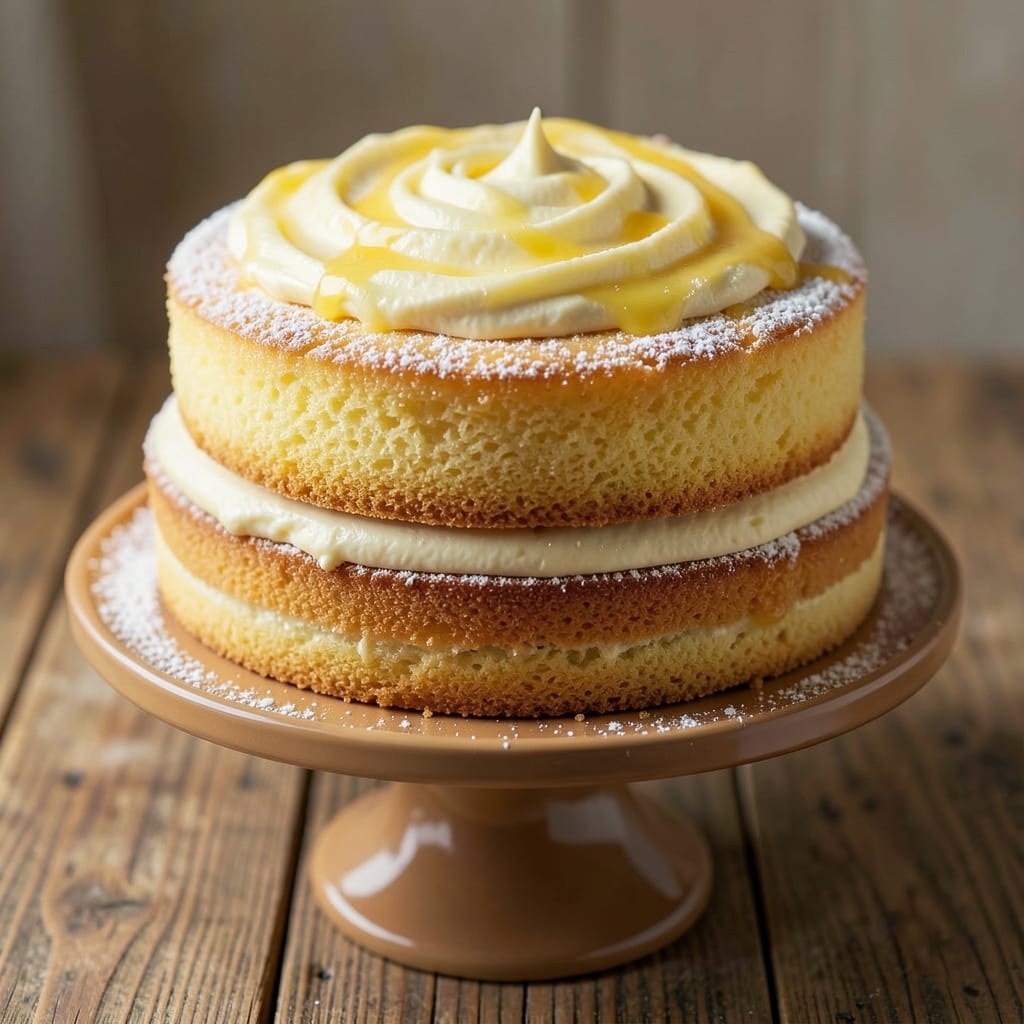
This 1234-layer yellow cake delivers the classic vanilla flavor you love with a buttermilk secret that keeps it moist for days. 💛 The magic lies in the tender crumb and perfectly balanced sweetness that makes every slice irresistible. Whether you're baking for a celebration or a simple treat, this recipe builds confidence with foolproof techniques and restaurant-quality results.
The buttermilk in this recipe transforms ordinary cake into something extraordinary—adding moisture without heaviness while creating that signature fine crumb. I’ve baked this version countless times, and it never fails to impress, whether served plain or layered with your favorite frosting. The key is patience: letting the batter rest and baking at the right temperature ensures a golden top and even rise every time.
What you’ll end up with is a cake that’s moist, flavorful, and perfectly structured—ideal for layering, slicing, or serving whole. The buttermilk’s tanginess balances the sweetness, while the vanilla extract infuses every bite with warmth. This is the kind of cake that disappears quickly, leaving guests asking for seconds.
Pair it with whipped cream, fresh berries, or a simple glaze for extra flair. The possibilities are endless, but the foundation—this classic yellow cake—is always a winner. Let’s get baking!
Ingredients for 1234 yellow cake
Buttermilk, vanilla, and a tender crumb—this classic yellow cake recipe delivers restaurant-quality results every time.
| Ingredient | Amount | Notes |
|---|---|---|
| All-Purpose Flour 🌾 | 2 ½ cups | Sifted for fine crumb texture |
| Granulated Sugar 🍚 | 2 cups | White or light brown preferred |
| Buttermilk 🥛 | 1 ½ cups | Fresh or cultured for tang |
| Unsalted Butter 🧈 | 1 cup | Room temperature, full-fat |
| Pure Vanilla Extract 🌸 | 2 tbsp | Bourbon or Madagascar preferred |
| Large Eggs 🥚 | 3 whole | Room temperature for even mixing |
| Baking Powder 🍞 | 2 tsp | Aluminum-free for tender crumb |
| Salt 🧂 | ½ tsp | Diamond Crystal preferred |
| Vegetable Oil 🫒 | ½ cup | Light neutral flavor |
| Cake Flour 🌾 | ½ cup | Optional for extra tenderness |
| Cornstarch 🍚 | 1 tbsp | For extra moisture retention |
The buttermilk is non-negotiable here—it's what gives this cake its signature moisture and fine crumb. Trader Joe's sells a great cultured version if you don't want to make your own (just add 1 tbsp lemon juice to 1 cup milk and let sit 10 minutes). For the flour, King Arthur brand is my go-to for consistent results. The cake flour is optional but worth it if you want that ultra-tender texture. Pro tip: measure your flour by weight if you can—425g total for the flour blend gives perfect consistency. And always sift those dry ingredients to avoid dense spots.
No buttermilk? Substitute with 1.5 cups milk plus 1.5 tbsp vinegar or lemon juice—let it curdle for 5 minutes first. Running short on vanilla? Vanilla bean paste works too (use 1 tbsp plus seeds), or even almond extract at half the amount for a different but delicious twist. The baking powder must be fresh—if it's more than 6 months old, replace it. For the butter, European-style has more flavor, but any good unsalted works. And if you're feeling fancy, swap the vegetable oil for avocado oil—it's got a higher smoke point and adds a subtle richness.
This batter is best made the day before baking—cover and refrigerate for up to 24 hours for even better flavor development. Once baked, let the cake cool completely before slicing—at least 2 hours—or the layers will be gummy. Store wrapped tightly at room temperature for 3 days, or freeze for up to 3 months. The buttermilk secret means this cake actually tastes better the next day as the flavors meld. Perfect for layering with cream cheese frosting or serving with fresh berries and whipped cream.
Why You'll Love This Recipe
- Pantry Staple Power: I swear by this recipe because it uses what’s already in my cupboard—no specialty trips. Butter, sugar, flour, buttermilk, and vanilla? That’s it. If you can open a cabinet, you can bake this.
- Buttermilk Magic: The tang from buttermilk cuts through the sweetness in the best way—moist crumb, no dryness, and that subtle richness. Honestly, skipping it would be a crime. (Yes, even on a Tuesday night.)
- Layered for Days: Bake once, enjoy for weeks. It stays fresh for days, freezes perfectly, and tastes just as good the third time around. My go-to for birthdays, potlucks, or when I’m too lazy to bake.
- Budget-Friendly Luxury: This cake costs pennies to make but tastes like a bakery showstopper. No fancy ingredients, no markup—just pure, simple satisfaction. My wallet and my taste buds thank me every time.
Step-by-step instructions for classic vanilla moisture cake
Here's how to bake the perfect yellow cake with that legendary buttermilk secret for unmatched moisture.
🍳 Step 1: Prepare Your Mixing Tools and Ingredients
Preheat your oven to 350°F and grease two 9-inch round cake pans thoroughly with vegetable oil, then dust with flour. Tap the pans gently to remove any excess. I like to line the bottoms with parchment circles for easy removal later.
Sift together the 2.5 cups all-purpose flour, 2 tsp baking powder, and 0.5 tsp salt in a medium bowl. Set aside. This pre-sifting ensures a light, airy crumb texture without lumps. I always use a fine-mesh sieve for the best results.
In a separate bowl, whisk together the 1.5 cups buttermilk, 0.5 cup vegetable oil, and 1 tbsp cornstarch. The cornstarch acts as a moisture binder, while the buttermilk adds that signature tang that keeps the cake tender for days. Let this mixture sit for 5 minutes to allow the cornstarch to fully hydrate.
👨🍳 Step 2: Cream Butter and Sugar for Maximum Volume
In a stand mixer fitted with the paddle attachment, beat the 1 cup unsalted butter (at room temperature) and 2 cups granulated sugar on medium-high speed for 3-4 minutes until light and fluffy. You'll see the mixture nearly double in volume and become pale in color. This step is crucial—it incorporates air that will create those signature air pockets in your cake.
Add the 3 whole large eggs, one at a time, mixing well after each addition. Scrape down the sides of the bowl as needed. The eggs add structure and richness, but don't overmix here—just until fully incorporated. Then add the 2 tbsp pure vanilla extract and mix for 30 seconds until fully combined.
🥘 Step 3: Combine Wet and Dry Ingredients Gently
With the mixer on low speed, gradually add the sifted dry ingredients to the wet mixture. Mix just until combined—you should still see small flour streaks. Overmixing develops gluten, which leads to a tough cake. I like to use a silicone spatula to fold in the last bit by hand for extra tenderness.
Finally, pour in the buttermilk mixture and mix on low speed for another 30 seconds just to combine. The batter should be thick but pourable. Here's the thing—don't worry if it looks slightly curdled. The baking powder will activate in the oven to create lift, and the buttermilk will work its magic to keep this cake moist for days.
🔥 Step 4: Bake to Golden Perfection
Divide the batter evenly between the prepared cake pans. Tap the pans gently on the counter to release any air bubbles. Bake in the preheated 350°F oven for 25-30 minutes, or until a toothpick inserted in the center comes out clean with just a few moist crumbs clinging to it.
I know it's tempting to open the oven early, but resist! The cake needs that full baking time to develop proper structure. If the tops brown too quickly, tent the pans with aluminum foil. When done, let the cakes cool in the pans for 10 minutes before transferring to a wire rack to cool completely. This gradual cooling prevents cracking.
⏰ Step 5: Test for Doneness and Serve
While the cakes cool, prepare your frosting or filling. The secret to serving this cake at its best is letting it cool completely before frosting. This prevents the buttercream from melting and sliding off. For the ultimate test of moisture, cut a slice when the cake is completely cool—you'll see how the crumb stays tender and doesn't dry out.
This cake keeps well at room temperature for 3 days wrapped tightly, or you can freeze it for up to 3 months for fresh-baked flavor anytime. The buttermilk secret ensures it stays moist even after storage, making it perfect for special occasions or last-minute celebrations.
Pro Tips For Making 1234 Yellow Cake
- MEASURE BUTTER COOL: I learned this the hard way—taking butter straight from the fridge and creaming it with sugar makes the batter fight you. Let it sit at room temperature for 30-45 minutes until it’s soft but still holds its shape (press a finger in; if it leaves a slight dent, you’re good).
- WHISK BUTTERMILK FIRST: Buttermilk’s the star here, and it’s easy to overlook. Whisk it vigorously before adding to the batter—those little curds settle, and if you don’t break them up, you’ll end up with a cake that’s dense in spots. Take 10 seconds with a fork; it makes a real difference.
- STOP WHEN TESTER’S DONE: The cake’s done when the center tester comes out clean, not when it’s almost clean. I used to pull mine too soon, thinking it’d keep baking, but that’s how you end up with a gummy middle. Let it ride—another 5 minutes if needed—then take it out.
- SWAP VANILLA FOR EXTRA FLAVOR: Pure vanilla extract is great, but if you’ve got it, use vanilla bean paste instead. The flecks add depth and a subtle floral note that cuts through the richness of the butter and sugar. (Yes, it’s pricier, but you’ll notice the upgrade.)
Perfect pairings for this 1234 yellow cake
Classic Frosting Pairings
This buttermilk yellow cake shines with vanilla buttercream—its creamy sweetness complements the cake’s subtle tang perfectly. For a lighter option, try Italian meringue buttercream or Swiss buttercream, which adds a delicate airiness. I love adding 1 tsp vanilla bean paste to my buttercream for extra depth. 💛
For a tangy contrast, cream cheese frosting works beautifully. Mix 8 oz cream cheese with ½ cup softened butter, 2 cups powdered sugar, and 1 tsp vanilla. Spread between layers or on top for a rich finish. If you prefer chocolate, a dark chocolate ganache (50% dark chocolate + ½ cup heavy cream) adds sophistication.
Fresh Fruit Toppings
Fresh berries elevate this cake effortlessly. A simple strawberry glaze (1 cup sliced strawberries + 2 tbsp powdered sugar + 1 tbsp lemon juice) drizzled over the top adds brightness. For a tropical twist, try mango slices or kiwi purée mixed with a touch of honey. I often arrange berries decoratively on top of a frosted cake for a restaurant-worthy look.
Citrus lovers can’t go wrong with orange zest or lemon curd between layers. The acidity cuts through the richness, balancing the cake’s sweetness. A lemon glaze (½ cup powdered sugar + 1 tbsp lemon juice + 1 tbsp milk) is a quick and elegant finishing touch.
Creamy Whipped Cream
Lightly sweetened whipped cream is a timeless pairing. Whip 1 cup heavy cream with 2 tbsp powdered sugar and 1 tsp vanilla until soft peaks form. Pile it high on top of a frosted cake or serve it on the side for dipping. For extra flair, dust with powdered sugar or toasted coconut flakes. 🥥
Boozy Enhancements
Add a sophisticated touch with bourbon or rum-infused frosting. Mix 1 tbsp bourbon or dark rum into your buttercream for a caramel-like depth. For a non-alcoholic twist, use vanilla extract or orange liqueur substitute. A splash of Kahlúa in the glaze adds a mocha note that pairs wonderfully with chocolate frosting.
Warm Spice Variations
For a cozy twist, sprinkle cinnamon or cardamom over the frosting. A caramel drizzle (½ cup caramel sauce warmed with 1 tbsp cream) adds a buttery richness. For warmth, infuse the buttercream with 1 tsp cinnamon or ½ tsp nutmeg—perfect for fall gatherings.
Beverage Pairings
Serve this cake with iced tea or lemonade for a refreshing contrast. For a richer pairing, try chilled coffee or espresso martinis. A vanilla chai latte complements the cake’s spiced notes beautifully. For a festive touch, sparkling wine or prosecco elevates any celebration. 🍷
Nutrition facts
Frequently asked questions
Why does buttermilk make this yellow cake so moist?
The buttermilk creates a chemical reaction with the baking powder that produces steam during baking, keeping the cake tender. Plus, its acidity tenderizes the gluten in the flour, resulting in that signature fine crumb. The cornstarch in the recipe also acts as a moisture binder, ensuring your cake stays fresh for days.
Can I make this cake in a different pan size?
Yes, but adjust baking times accordingly. For a 9x13-inch pan, bake for 30-35 minutes at 350°F, while a 6-inch pan will need 20-25 minutes. Always use a toothpick test—it should come out clean or with a few moist crumbs. The key is to avoid overbaking, which can dry out the cake.
What's the best way to store leftover cake?
Wrap tightly in plastic wrap or aluminum foil and store at room temperature for up to 3 days. For longer storage, freeze slices in an airtight container for up to 3 months. Thaw overnight in the fridge—microwaving can make the cake gummy. The buttermilk secret ensures it stays moist even after storage!
Can I substitute cake flour with all-purpose flour?
Yes, but for best results, replace 1 cup all-purpose flour with 1 cup minus 2 tbsp all-purpose flour plus 2 tbsp cornstarch. This mimics cake flour's protein-to-starch ratio, giving you a lighter texture. If you skip this, your cake will be slightly denser but still delicious.
How do I fix a cake that's cracked on top?
Cracking usually happens from sudden temperature changes or overbaking. For minor cracks, simply frost over them—they won't affect flavor. For prevention, avoid opening the oven door early and let the cake cool gradually in the pan for 10 minutes before transferring. A light dusting of powdered sugar can also hide small imperfections beautifully.