
Desserts
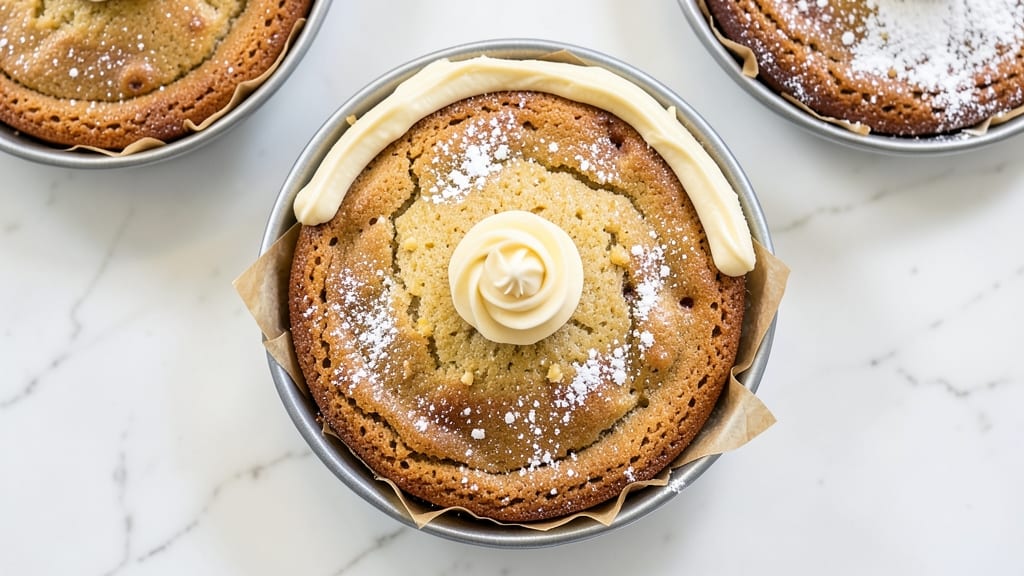
Ina Garten's cake recipe delivers the perfect balance of moist vanilla layers and velvety buttercream frosting that tastes like a bakery favorite. The secret lies in precise measurements and gentle baking techniques that ensure every slice stays tender and rich.
I’ve baked this recipe countless times, and it never fails to impress—whether for birthdays, holidays, or just because you deserve something special.
This recipe starts with a classic vanilla cake batter that uses buttermilk for extra moisture and all-purpose flour for a tender crumb. The layers are baked just until golden, then cooled before assembling with a buttery frosting that’s light enough to spread smoothly.
The key to success is patience—letting the cake cool completely prevents a soggy bottom, while the frosting adds that signature Ina Garten finish.
By the time you’re done, you’ll have a cake that’s moist enough to melt in your mouth yet sturdy enough to slice cleanly. The frosting isn’t too sweet, allowing the vanilla flavor to shine through with every bite.
It’s the kind of cake that feels like a hug—comforting, familiar, and impossible to resist.
For extra indulgence, you can add a layer of raspberry jam or chocolate ganache between the cake layers. Serve with a dollop of whipped cream or fresh berries for a restaurant-worthy dessert. Let’s get baking!
Ingredients for ina garten cake
Classic pantry staples transformed into Ina Garten’s signature moist vanilla cake.
| Ingredient | Amount | Notes |
|---|---|---|
| All-Purpose Flour 🌾 | 2 ½ cups | Sifted for light texture |
| Granulated Sugar 🍚 | 2 cups | White, not brown |
| Unsalted Butter 🧈 | 1 cup | Room temperature, full-fat |
| Large Eggs 🥚 | 4 whole | Room temperature |
| Pure Vanilla Extract 🌿 | 2 tsp | High-quality, not imitation |
| Buttermilk 🥛 | 1 ¼ cups | Fresh, not powdered |
| Baking Powder 🧂 | 2 tsp | Aluminum-free preferred |
| Salt 🧂 | ½ tsp | Fine sea salt |
| Vanilla Bean Seeds 🌿 | 1 tsp | Scraped from 1 pod |
| Powdered Sugar 🍚 | 4 cups | For frosting, sifted |
| Heavy Cream 🥛 | 1 cup | Cold, full-fat |
| Unsalted Butter 🧈 | 1 cup | Cold, cubed for frosting |
| Vanilla Extract 🌿 | 1 tsp | For frosting |
The flour and sugar are non-negotiable here—King Arthur flour or Gold Medal gives the best rise, but any all-purpose works. For the butter, Plugrá or Land O’Lakes are reliable, but trust me on the full-fat version. The buttermilk needs to be fresh—if it smells off, toss it. Whole Foods or the dairy aisle at Trader Joe's usually have the freshest. And vanilla? Skip the imitation stuff—McCormick pure extract or a scraped vanilla bean makes all the difference. The vanilla bean seeds add that extra depth Ina’s known for.
No buttermilk? Mix 1 tbsp lemon juice or vinegar with 1 cup milk and let sit for 5 minutes. Powdered sugar for the frosting? Domino is fine, but sift it—lumps ruin everything. Short on heavy cream? Half-and-half plus 1 tbsp butter works in a pinch. The frosting butter should be cold—microwave it 40 seconds to just melt it if it’s too hard to cube. And if you’re feeling fancy, add a splash of vanilla bean paste to the frosting for extra flavor. The cake layers can be baked ahead and frosted the next day—just wrap them tightly in plastic.
This cake keeps beautifully—3 days at room temperature if wrapped airtight, or 1 week in the fridge. The frosting? It’s best used within 3 days unless you freeze it (and yes, it thaws fine). I always bake the cake layers the day before, then frost them the next morning. That’s when the flavors really meld. For extra indulgence, add a layer of raspberry jam or Nutella between the layers—just don’t tell Ina I said that.
Why You'll Love This Recipe
- No-Fuss Assembly: This cake is all about letting the layers do the work—just mix, bake, and frost. The secret’s in that crumb coat (a thin frosting layer between cakes) that keeps everything clean, no fancy piping required.
- Vanilla Bliss: The real star? That high-quality pure vanilla extract and vanilla bean seeds—no imitation nonsense here. Every bite is pure, creamy vanilla goodness, with the frosting so rich from the full-fat butter and heavy cream that it’s dangerously addictive.
- Crowd-Pleaser Extraordinaire: Perfect for birthdays, brunch, or just because—this cake looks impressive but is foolproof. My kids even ask for seconds, and honestly? That’s the highest compliment.
- Leftovers? More Like Leftovers Never: It keeps for days (up to a week in the fridge!) without drying out, so you can make it once and enjoy it all week. Plus, the buttermilk keeps it moist, so no sad, crumbly slices here.
Step-by-step instructions for Ina Garten's cake recipe
Here's how to create tender vanilla layers with silky buttercream—just like Ina Garten's signature style.
Prepare the Cake Batter for Light, Moist Layers
Preheat your oven to 350°F and grease two 8-inch round cake pans with unsalted butter, then line the bottoms with parchment paper. In a medium bowl, whisk together the 2½ cups all-purpose flour, 2 tsp baking powder, and ½ tsp salt. Set aside.
In a large mixing bowl, cream the 1 cup unsalted butter and 2 cups granulated sugar on medium speed until light and fluffy, about 3-4 minutes. Add the 4 large eggs, one at a time, mixing well after each addition. This ensures the eggs incorporate fully for maximum moisture.
In a separate bowl, combine the 1¼ cups buttermilk, 2 tsp pure vanilla extract, and 1 tsp vanilla bean seeds. Slowly alternate adding the dry ingredients and the buttermilk mixture to the butter-sugar mixture, beginning and ending with the dry ingredients. Mix on low speed just until combined—overmixing develops gluten, which can make the cake dense.
Bake the Layers Until Golden and Springy
Divide the batter evenly between the prepared cake pans. Bake for 25-30 minutes, or until a toothpick inserted into the center comes out clean and the tops spring back when gently touched. Rotate the pans halfway through baking for even browning.
I like to let the cakes cool in their pans for 10 minutes before transferring them to a wire rack to cool completely. This prevents them from cracking as they cool. Once fully cooled, you’ll have perfectly moist layers with a tender crumb—just like Ina’s signature texture.
Make the Buttery Vanilla Frosting
In a medium bowl, beat the 1 cup heavy cream and 1 cup unsalted butter (cold, cubed) with an electric mixer on medium speed until smooth and creamy, about 2-3 minutes. This creates a stable base for the frosting.
Gradually add the 4 cups powdered sugar and 1 tsp vanilla extract, mixing on low speed until fully incorporated. Increase the speed to medium-high and beat for 3-4 minutes until the frosting is light, fluffy, and holds its shape when spread. This ensures a silky, pipeable consistency for decorating.
Assemble and Frost the Cake Like a Pro
Place one cake layer on a cake stand or plate. Spread a thin layer of frosting over the top to seal in moisture, then add the second layer. This "crumb coat" prevents cake crumbs from mixing into the final frosting layer.
Chill the assembled cake in the refrigerator for 15 minutes to firm up the frosting. Once set, spread the remaining frosting evenly over the top and sides of the cake using an offset spatula. For a polished look, smooth the frosting with the back of a spoon or bench scraper, creating clean edges.
Let It Set for Perfect Slices
Return the frosted cake to the refrigerator and let it set for at least 1 hour before slicing. This allows the frosting to firm up and the layers to fully absorb the flavors. When ready to serve, cut into 4 equal slices—each one will be moist, flavorful, and perfectly balanced with buttery frosting.
Serve at room temperature for the best texture. The cake will keep well at room temperature for 2 days or in the refrigerator for up to 5 days, though I promise it won’t last that long!
Pro Tips For Making Ina Garten Cake
- Whisk Eggs One at a Time: I learned this the hard way—dumping all four eggs at once means the last one just sits there, half-mixed. Beat each egg fully into the butter-sugar mix before adding the next, or you’ll end up with dense patches where the yolks didn’t emulsify properly. (Yes, even if you’re impatient like me.)
- Sift That Flour Twice: The recipe says to sift the 2.5 cups all-purpose flour, but I’ve found that if your flour’s packed tightly in the bag, give it a second sift straight into the mixing bowl. That extra step prevents lumps that turn into tough spots in your cake—especially important when you’re alternating wet and dry ingredients.
- Don’t Rush the Buttercream: When beating the 1 cup cold cubed butter and 1 cup heavy cream, resist the urge to speed through it. Let the mixer run for the full 2-3 minutes until the butter’s completely melted into the cream—no streaks, no chunks. Skimp here, and your frosting will taste greasy instead of silky. (Your future self will notice.)
- Rotate Pans Mid-Bake: That 25-30 minute bake time assumes you rotate the pans halfway through. I used to forget, and one side would come out either pale or overdone. Flip them front-to-back at the 15-minute mark—it’s the only way to guarantee even golden layers that spring back when touched, not sink in the middle.
Essential equipment for great ina garten cake
Mixing Masterpiece
For this cake, I swear by a KitchenAid Artisan Series stand mixer with the paddle attachment—it handles the 1 cup unsalted butter and 2 cups granulated sugar like a dream. The beater attachment is perfect for whipping the 1 cup heavy cream and 1 cup cold butter into frosting.
If you're on a budget, a Handi-Mix or Cuisinart still gets the job done, just with a little elbow grease. 💪
Precision Tools
A digital kitchen scale is my secret weapon for accurate measurements—especially with the 2.5 cups all-purpose flour and 1.25 cups buttermilk. I use a OXO Good Grips scale for consistency.
For frosting, a rubber spatula helps scrape every last bit of mixture from the bowl, and a Wilton offset spatula makes smooth frosting application effortless.
Oven Essentials
A double-layered rack in your oven ensures even baking for those 8-inch round cake pans. I preheat my oven to 350°F and use a thermometer like the Thermoworks Probes to confirm accuracy.
For extra browning, I place a baking sheet on the lower rack to catch any drips—trust me, it makes cleanup easier.
Cooling & Chilling
After baking, I transfer the layers to a wire cooling rack to let them cool for 10 minutes before moving them. For the frosting, a small cake stand or plate keeps the cake elevated while it chills in the fridge.
I always use plastic wrap to cover the cake while it sets, preventing any frosting from sticking to the top.
Decorating Upgrades
For a polished finish, I use a bench scraper to smooth the frosting and a piping bag with a star tip for decorative flourishes. If you’re feeling fancy, a pastry brush helps dust the cake with powdered sugar.
For extra flair, I keep a food-safe spray bottle with water to mist the cake lightly before adding toppings—it creates a beautiful sheen. ✨
Nutrition facts
Frequently asked questions
Why does Ina Garten's cake recipe call for room-temperature butter and eggs?
Room-temperature butter and eggs blend more smoothly, creating a lighter batter and even crumb. Cold butter would create lumps, while cold eggs might not incorporate fully—both could make your cake dense or uneven. The 1 cup unsalted butter and 4 large eggs should be soft but not melted for the best texture.
Can I substitute buttermilk if I don’t have any?
Mix 1 cup milk with 1 tablespoon lemon juice or vinegar, let it sit for 5 minutes until slightly thickened, and use it as a 1:1 replacement for the 1.25 cups buttermilk. This mimics the acidity and tang that keeps the cake moist.
What’s the best way to avoid cracks in the cake layers?
Let the layers cool in their pans for 10 minutes before transferring to a wire rack. This gradual cooling prevents sudden temperature changes that cause cracks. Also, don’t overbake—they’re done when a toothpick comes out clean, not dry.
How do I fix a cake that’s too dense?
Overmixing the batter is the usual culprit! Next time, mix just until combined after adding the dry ingredients. If your cake is already dense, try slicing it thinly and adding a layer of frosting between slices to lighten the texture.
Can I make the frosting ahead of time?
Yes! Whip the frosting and store it in an airtight container in the fridge for up to 2 days. Let it soften at room temperature for 10 minutes before spreading. For longer storage, freeze for up to 1 month—thaw overnight in the fridge.