
Desserts
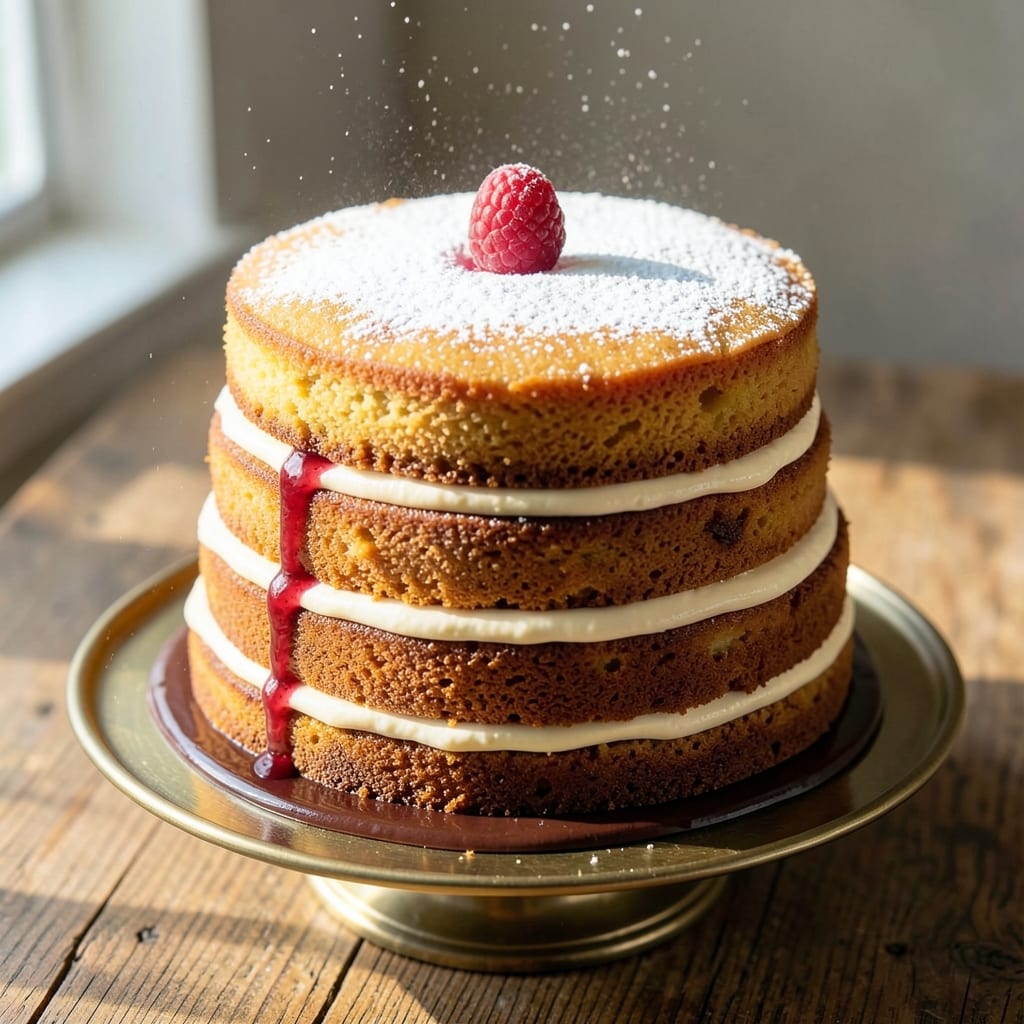
This 3 cups flour cake recipe delivers the perfect balance of tender crumb and rich vanilla frosting—no dry bites in sight. The secret lies in combining all-purpose flour with a precise ratio of butter and sugar, creating a moist texture that stays fresh for days. I developed this recipe after years of baking trials, ensuring every slice is light yet sturdy enough to hold generous frosting without crumbling.
The beauty of this recipe is its simplicity: just 15 minutes of active prep followed by 30 minutes in the oven. No fancy techniques required—just mix, pour, and bake. The vanilla frosting, made with powdered sugar and butter, adds a silky finish that pairs perfectly with the cake's subtle sweetness. Whether you're a beginner or an experienced baker, this recipe delivers restaurant-quality results every time.
What sets this cake apart is its versatility—swap vanilla for chocolate or add spices like cinnamon for a cozy twist. The frosting can be adjusted to your preference, from thick glaze to fluffy buttercream. By the time you pull it from the oven, you'll have a cake that's golden on top, tender in the middle, and irresistibly moist throughout.
Perfect for birthdays, holidays, or just because, this cake is foolproof and always impresses. Let's get started with a recipe that's as easy as it is delicious.
Ingredients for 3 cups flour cake
Just 12 ingredients transform into a moist, golden cake with velvety vanilla frosting—no dry bites allowed.
| Ingredient | Amount | Notes |
|---|---|---|
| All-Purpose Flour 🌾 | 3 cups | Sifted for light texture |
| Granulated White Sugar 🍚 | 1 ½ cups | Superfine preferred for smoothness |
| Unsalted Butter 🧈 | 1 cup | Room temperature, full-fat |
| Large Eggs 🥚 | 2 whole | Room temperature for even mixing |
| Vanilla Extract 🍯 | 1 tbsp | Pure, high-quality extract |
| Baking Powder 🧂 | 1 ½ tsp | Diamond Crystal brand preferred |
| Salt 🧂 | ½ tsp | Fine sea salt preferred |
| Whole Milk 🥛 | ½ cup | Room temperature for smooth batter |
| Powdered Sugar 🍚 | 2 cups | For frosting, sifted |
| Vanilla Bean Paste 🍯 | ½ tbsp | Or 1 tsp pure extract |
| Unsalted Butter 🧈 | ½ cup | Room temperature, full-fat |
| Heavy Whipping Cream 🥛 | ¼ cup | Optional for fluffy frosting |
Flour is the backbone here, but not all flour works the same. King Arthur or Bob's Red Mill all-purpose flour gives the best texture—light and tender, not dense. The sugar matters too: superfine dissolves faster for a smoother crumb, but regular granulated works in a pinch. Butter? Plugrá or Land O'Lakes are reliable, but always use full-fat for moisture. Room temperature is key—press the butter gently with your finger; it should leave a slight indentation but hold its shape. Eggs should be at room temp too—cold eggs create air pockets that lead to a dense cake. For the vanilla, McCormick or Nielsen-Massey extracts are my go-to—they're pure and potent.
No vanilla bean paste? 1 teaspoon pure extract works just as well, but the seeds add that extra depth. Running short on milk? Evaporated milk or even water keeps the batter from getting too thick, though whole milk gives the best flavor. The baking powder is non-negotiable—Diamond Crystal has a little more lift than other brands, so if you're using another, use 1.5 teaspoons instead of 1. The frosting can be adjusted too: skip the cream for a simpler glaze, or add 1 teaspoon lemon juice for brightness. For a chocolate twist, swap the vanilla extract for 2 tablespoons cocoa powder and add 1/4 cup milk*.
This cake stays moist for 4-5 days if wrapped tightly in plastic at room temperature, but it's even better the next day once the flavors meld. For longer storage, freeze the unfrosted cake for up to 3 months*. Frosting keeps 3-4 days in the fridge, so make it fresh if you're prepping ahead. I always bake it in a 9-inch round pan for perfect slices, but an 8x8 square works too—just bake 5-10 minutes longer. The secret to restaurant-quality results? Don't overbake. Pull it out when a toothpick comes out with a few moist crumbs, not clean.
Why You'll Love This Recipe
- No-Mix Magic: I swear by this recipe—just fold the dry ingredients into the creamed butter and eggs, then bake. No sifting, no fuss, no stress. The cake rises high and golden, all while I’m still scraping the last of the batter from the bowl.
- Butter-Sugar Bliss: That creamed butter and sugar combo? It’s the secret weapon here. The texture is tender but sturdy, with just enough vanilla warmth to make every bite feel like a hug. Honestly, the first time I tried it, I nearly skipped dinner.
- Everyday Hero: This cake plays well with anyone. Serve it plain with tea for a lazy afternoon, frost it with store-bought glaze for a birthday surprise, or crumble it over ice cream when you’re craving something sweet. It’s my go-to for weddings, potlucks, or just because.
- Budget-Friendly Stretch: Three cups of flour, a stick of butter, and a handful of eggs—this recipe won’t break the bank. Plus, it keeps beautifully for days, so I can bake one batch and feed the family for a week. Leftovers? I freeze slices and toast them like a fancy pastry.
Step-by-step instructions for 3 cups flour cake recipe
Here's how to create a perfectly moist vanilla cake with velvety frosting every time.
Cream Butter and Sugar for Light Texture
In a stand mixer fitted with the paddle attachment, combine the 1 cup unsalted butter and 1.5 cups granulated white sugar. Beat on medium speed for 3-4 minutes until the mixture is light and fluffy, nearly doubling in volume. You'll see the color change from pale yellow to a lighter hue—this incorporates air, which creates that tender crumb we're after.
I press down on the mixture with a spatula occasionally to check for readiness. When it leaves clean streaks and looks like ribbons when the beaters are lifted, it's perfect. If you're using a hand mixer, this step will take about 5 minutes of steady mixing. Don't rush it—this is where the cake's moisture begins.
Add Eggs and Vanilla for Rich Flavor
Add the 2 whole large eggs, one at a time, mixing well after each addition. Then stir in the 1 tablespoon vanilla extract and 0.5 tablespoon vanilla bean paste. The mixture should be smooth and slightly thickened. I like to scrape down the sides of the bowl with a spatula to ensure everything is fully incorporated.
This is where the cake gets its signature vanilla depth. The paste adds those beautiful flecks you see in high-end bakery cakes. If you don't have vanilla bean paste, just use an extra 0.5 tablespoon vanilla extract instead. Let the mixture sit for 1 minute—this helps distribute the flavors evenly before adding the dry ingredients.
Combine Dry Ingredients for Perfect Rise
In a separate bowl, whisk together the 3 cups all-purpose flour, 1.5 teaspoons baking powder, and 0.5 teaspoon salt. Sift the flour first if you haven't already—this prevents lumps and ensures a light texture. Gradually add this dry mixture to the wet ingredients, mixing on low speed just until combined.
Here's the thing—don't overmix. You want to see a few flour streaks remaining. Overmixing develops gluten, which makes cakes tough. Once combined, pour in the 0.5 cup whole milk and mix on low speed for another 30 seconds until smooth. The batter should be thick but pourable—like a good brownie batter.
Bake for Even Moisture
Preheat your oven to 350°F and grease two 8-inch round cake pans. Divide the batter evenly between the pans. Bake for 25-30 minutes, or until a toothpick inserted in the center comes out clean. The edges should be golden brown, but the top might still look slightly domed—that's normal.
I like to check the cake at the 20-minute mark because ovens vary. If the top starts browning too quickly, tent the pans with aluminum foil. Let the cakes cool in the pans for 10 minutes, then transfer to a wire rack to cool completely. This gradual cooling prevents cracking and ensures even moisture distribution throughout.
Prepare Vanilla Frosting
In a medium bowl, beat the 0.5 cup unsalted butter until smooth and creamy. Gradually add the 2 cups powdered sugar, mixing on low speed until combined. Increase the speed to medium and beat for 2 minutes until light and fluffy. Add the 0.25 cup heavy whipping cream and mix for another 30 seconds.
Finally, stir in the 0.5 tablespoon vanilla bean paste (or extra vanilla extract). The frosting should be thick but spreadable. If it's too stiff, add 1-2 teaspoons milk at a time until it reaches the perfect consistency. Spread the frosting between the cooled cake layers and over the top and sides for that classic vanilla cake look.
Pro Tips For Making 3 Cups Flour Cake
- MEASURE FLOUR BY SPOONING: Dump that cup-and-sweep method—it packs flour too tight, throwing off your 3 cups. Instead, spoon flour into the cup until it mounds over, then level with a knife. I learned this the hard way when my cake turned out dense as a brick.
- CREAM BUTTER AND SUGAR UNTIL PALE: That 1 cup of butter and sugar needs to go from speckled to smooth and light in color—about 3-5 minutes with a mixer. Stop when it looks like wet sand, not wet cement. I used to rush this, and my cakes always tasted underdone.
- SKIP THE OVERMIXING: Once you add the eggs and vanilla, mix just until combined—no need to beat it into oblivion. Overmixing develops gluten, and your cake will turn out tough instead of tender. Two minutes max after adding wet ingredients.
- USE ROOM-TEMP EGG AND BUTTER: Cold butter and eggs slow down the recipe and can leave pockets of unmixed fat. Take them out 30 minutes before baking, or run the butter under warm water for 10 seconds. Your cake will bake evenly, not with a gummy center.
Storing and reheating this recipe
Room Temperature Storage
This cake stays fresh and moist for 4-5 days at room temperature when stored properly. After cooling completely, wrap the frosted cake tightly in plastic wrap or place it in an airtight container with a damp paper towel to maintain moisture. I like to store it on the countertop away from direct sunlight—this preserves the texture better than refrigeration. The flavors actually deepen overnight, making it even more delicious the next day.
Refrigerator Storage
If you need to store it longer than 5 days, refrigerate the unfrosted cake in an airtight container for up to 7 days. The frosting should be added fresh after removing it from the fridge to prevent sogginess. Let the cake sit at room temperature for 30 minutes before serving to restore its texture. I recommend this method if you're prepping for a party the next day—it keeps beautifully without drying out.
Freezing for Later
For maximum longevity, freeze the unfrosted cake in plastic wrap followed by aluminum foil for up to 3 months. Thaw overnight in the fridge before adding frosting. The frosting itself can be stored separately in the freezer for 1 month—just thaw it at room temperature before using. I've found that freezing works best for the cake layers alone, as frosting can become grainy when frozen and thawed.
Reheating Tips
If your cake has dried out slightly, revive it by lightly warming slices in the microwave for 10-15 seconds covered with a damp paper towel. For a stovetop method, place a slice on a skillet over low heat for 20-30 seconds—this restores moisture without overcooking. Never microwave frosted cake, as the frosting can melt unevenly and make a mess. The best approach is always to store it properly and serve at room temperature.
Frosting Refresh
If your frosting looks dry or cracked after storage, simply rewhip it with 1-2 teaspoons milk until smooth. For a quick fix, spread a thin layer of fresh frosting over the existing layer to restore that velvety finish. I keep extra frosting ingredients on hand so I can always make a fresh batch when needed. The key is to work with frosting at room temperature—it spreads much more easily and looks professional.
Nutrition facts
Frequently asked questions
Can I use cake flour instead of all-purpose flour?
Yes, but you'll need to make adjustments! Replace the 3 cups all-purpose flour with 2.5 cups cake flour and add 0.5 cup cornstarch. Cake flour creates a lighter texture, but it lacks protein, so the cornstarch helps maintain structure. For best results, sift the cake flour thoroughly to avoid lumps. The cake will be extra tender but slightly less sturdy for frosting.
What if I don't have vanilla bean paste?
No problem! Simply add an extra 0.5 tablespoon vanilla extract to the cake batter and 1 teaspoon more extract to the frosting. For deeper flavor, try 1 teaspoon vanilla sugar (vanilla-infused sugar) mixed into the dry ingredients. The paste adds beautiful flecks, but pure extract delivers the same aromatic punch. Just be sure to use high-quality extract for the best results.
Why did my cake turn out dense?
Overmixing is the most common culprit! Once you add the flour, mix just until combined—you should still see small flour streaks. Other causes include: cold butter (should be soft but not melted), overbaking (pull it when a toothpick has moist crumbs), or too much flour (weigh your ingredients if possible). For a quick fix, brush warm cake slices with simple syrup (equal parts sugar and water heated until dissolved) to restore moisture.
Can I make this cake in a bundt pan?
Reduce the baking time to 25-30 minutes (check at 20 minutes) and watch closely—bundt pans bake faster. Grease the pan thoroughly with butter and flour or use baking spray. The cake will have a beautiful ring shape, but the texture remains the same. For extra flair, add 1 teaspoon lemon zest to the batter for a citrusy twist that pairs perfectly with the vanilla frosting.
How do I make this a chocolate cake?
Replace 1 cup of the all-purpose flour with 2 tablespoons cocoa powder and add 1/4 cup milk to the batter. For richer flavor, melt 1 ounce dark chocolate with the butter before creaming. Keep the frosting vanilla or make it chocolate by adding 2 tablespoons cocoa powder and 1 tablespoon milk to the powdered sugar mixture. The chocolate version has a deeper, more robust flavor that works beautifully for birthdays or dessert parties.