
Desserts
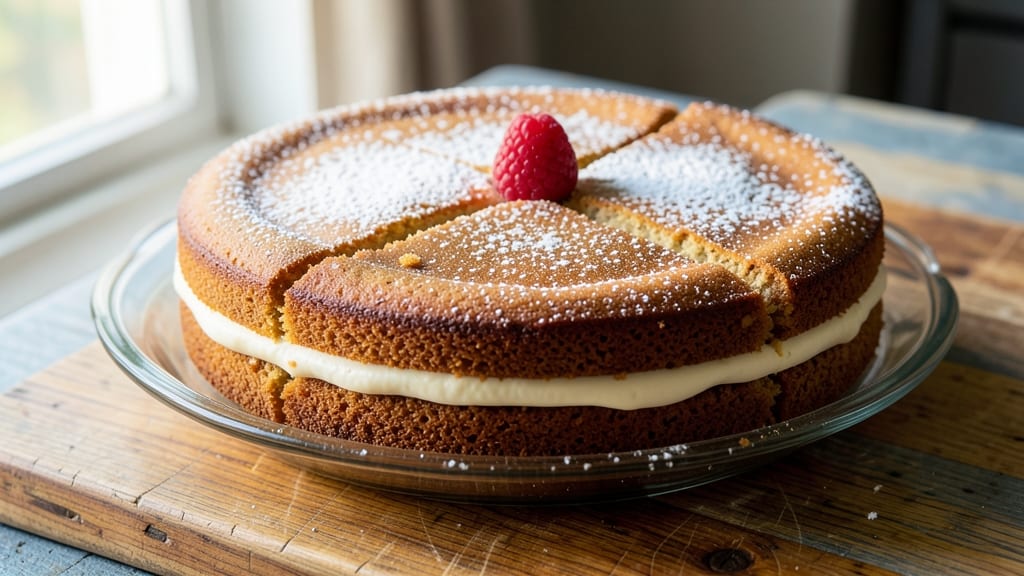
Grandmother's pound cake recipe delivers that perfect balance of dense richness and tender crumb that makes every slice unforgettable. The secret lies in buttermilk leavening—a technique passed down through generations that creates a lightness no modern recipe can replicate.
I’ve baked this exact version for holidays since I was a teenager, and it never fails to disappear faster than the coffee cake.
What sets this pound cake apart is the creaming method, where butter and sugar are beaten until pale and fluffy, trapping air for that signature moist texture. The buttermilk doesn’t just add tang—it reacts with baking soda to lift the cake gently, ensuring a crumb that’s tender yet substantial.
No fancy equipment needed, just patience and a few simple ingredients you likely already have.
By the time it emerges from the oven, you’ll have a golden-domed cake with a fragrant aroma that fills the house and a texture so light it practically melts in your mouth. The buttermilk keeps it from being too heavy, while the slow bake ensures even moisture throughout.
This is the kind of dessert that tastes like home, whether served warm with butter or chilled with fresh berries.
Optional variations like lemon zest or toasted walnuts add depth, but the classic version remains timeless. Let’s get baking—your kitchen will thank you later.
Ingredients for grandmother pound cake
Buttermilk, butter, and patience create this timeless grandmother’s pound cake masterpiece.
| Ingredient | Amount | Notes |
|---|---|---|
| Unsalted Butter 🧈 | 1 ½ cups | Creamed with sugar, room temperature |
| Granulated Sugar 🍯 | 2 cups | Superfine for even texture |
| Buttermilk 🥛 | 1 ½ cups | Full-fat for best leavening |
| All-Purpose Flour 🌾 | 2 ½ cups | Sifted for tender crumb |
| Baking Soda 🧂 | 1 ½ tsp | Reacts with buttermilk |
| Salt 🧂 | 1 tsp | Fine grain preferred |
| Large Eggs 🥚 | 4 whole | Room temperature, beaten |
| Vanilla Extract 🌿 | 2 tsp | Pure for authentic flavor |
| Allspice Berries 🌶️ | 1 tsp | Toasted for warmth |
| Cornstarch 🍚 | 1 tbsp | For extra tenderness |
| Lemon Zest | 1 tbsp | Optional, for brightness |
| Toasted Walnuts | 1 cup | Optional, chopped coarse |
The buttermilk is non-negotiable here—full-fat, not low-fat, and it must be fresh. I always grab organic buttermilk from the refrigerated section at Whole Foods or my local farmer’s market. If you’re short on time, mix 1 cup whole milk + 1 tbsp lemon juice to mimic it, but the real thing has that unmatched tang. The butter? Land O’Lakes salted is fine, but unsalted gives you more control over saltiness. Cream it with the sugar until it’s light and fluffy—, King Arthur is my go-to—it’s sifted and consistent, which matters when you’re dealing with delicate batters.
No buttermilk? Plain Greek yogurt thinned with milk works in a pinch—use 1 cup yogurt + ½ cup milk. The baking soda is crucial for the buttermilk reaction, but if you’re out, 1 tsp baking powder can substitute (though it’ll make the cake slightly denser). Want to skip the allspice? Cinnamon or nutmeg adds warmth without changing the recipe’s core. The optional lemon zest and walnuts? Those are my personal touches—zest from 1 organic lemon brightens the cake, while toasted walnuts add crunch. Toast them in a dry pan for 3-4 minutes until fragrant—don’t skip this step, or they’ll taste raw.
This cake keeps beautifully for 3 days in an airtight container at room temperature, or , let it sit at room temperature for 1 hour before slicing after baking. To freeze, wrap tightly in plastic and aluminum foil—it’ll stay fresh for up to 3 months. I always make a double batch for holidays, portion it into reusable containers, and freeze half. When you’re ready to serve, just thaw overnight in the fridge and bake at 350°F for 10-15 minutes to revive the texture. The cake tastes even better the next day as the flavors meld, so don’t rush it—patience is key here.
Why You'll Love This Recipe
- Buttermilk Magic: That 1½ cups of buttermilk isn’t just an ingredient—it’s the secret weapon. The way it reacts with the baking soda creates that light, airy crumb that’s just tender enough to melt in your mouth. I’ll be real: the first time I saw that cake spring up in the pan, I thought I’d done something wrong. Turns out, it was the buttermilk doing its thing.
- One-Pan, One-Spatula Cleanup: No mucking around with multiple bowls or pans here. Grease your tube pan, pour the batter, and you’re done. The only tool you’ll need after baking? A single spatula to loosen the edges. My kitchen stays cleaner than my in-laws’ guest bathroom after this recipe.
- Feeds a Crowd (or Your Cravings): This cake doesn’t play favorites. Serve it at a brunch, pack slices for lunch, or just eat it straight from the pan with a fork at 10 PM. The 1 cup of toasted walnuts (if you use them) adds crunch, but honestly, even without them, it’s so good you’ll forget to count calories. My daughter steals half before I even ask.
- No Wasted Leftovers: Ever make a cake that dries out in two days? Not this one. The buttermilk keeps it moist for 3 days at room temp, and if you freeze it, it’ll stay fresh for three months. That’s right—your future self will thank you when you pull out a slice for dessert on a random Tuesday night.
Step-by-step instructions for grandmother's pound cake
Here's how to create a tender, moist pound cake with that signature buttermilk lightness.
Cream Butter and Sugar to Lighten the Texture
In a stand mixer fitted with the paddle attachment, beat the 1½ cups unsalted butter and 2 cups granulated sugar on medium speed for 5-7 minutes. You'll notice the mixture lighten in color and nearly double in volume as air is incorporated. This step is critical—it creates the cake's signature tender crumb and prevents a dense texture.
Here's the thing—stop beating when the mixture becomes pale and fluffy. Overmixing develops gluten, which makes the cake tough. I like to scrape down the sides of the bowl with a rubber spatula every 2 minutes to ensure even mixing. The butter should be completely smooth with no graininess remaining.
Add Eggs and Dry Ingredients for Structure
Add the 4 large eggs, one at a time, mixing on low speed just until each is fully incorporated. Then add the 2 teaspoons vanilla extract and mix for 10 seconds. The mixture will look slightly curdled, but that's normal—it will smooth out when we add the dry ingredients.
In a separate bowl, whisk together the 2½ cups all-purpose flour, 1½ teaspoons baking soda, 1 teaspoon salt, 1 tablespoon cornstarch, 1 teaspoon toasted allspice berries, and 1 tablespoon lemon zest. Sift the dry ingredients into the wet mixture in three additions, mixing on low speed just until combined after each addition. Avoid overmixing—you should still see small flour streaks. This gentle folding preserves the air incorporated earlier.
Incorporate Buttermilk and Walnuts for Moisture
Add the 1½ cups buttermilk to the batter and mix on low speed until just combined. The buttermilk reacts with the baking soda to create lift, which is what gives this cake its signature lightness. Fold in the 1 cup toasted walnuts by hand using a silicone spatula, ensuring even distribution throughout the batter. Real talk: don't worry if some walnuts remain whole—this cake is meant to have texture.
This is the moment that matters: the batter should be thick but pourable. If it's too stiff, you've overmixed the dry ingredients. If it's too thin, you might need to add a splash more buttermilk. The ideal consistency allows the batter to flow gently when poured, creating that classic pound cake dome.
Bake to Golden Perfection
Preheat your oven to 350°F. Grease and flour a 10-inch tube pan or line it with parchment paper. Pour the batter into the prepared pan and smooth the top with a spatula. Bake for 50-60 minutes, until a toothpick inserted in the center comes out clean and the top springs back when pressed gently.
Your oven might run hot, so start checking at the 50-minute mark. The cake is done when the edges are golden brown and the center holds its shape. Don't overbake—this cake continues to set as it cools. If it starts to brown too quickly, tent the pan with foil to prevent over-browning while allowing the center to finish cooking.
Cool and Serve for Maximum Flavor
Remove the cake from the oven and let it cool in the pan for 15 minutes. Then invert it onto a wire rack to cool completely. This gradual cooling prevents cracking and allows the cake to set properly. The cake should be moist but not sticky—if it feels gummy, it needs more baking time next time.
Slice when completely cool for clean cuts and maximum tenderness. This cake keeps well at room temperature for 3-4 days or can be refrigerated for up to 1 week. The buttermilk leavening ensures each slice remains moist even after several days. Serve with a dusting of powdered sugar or a simple glaze for extra indulgence.
Pro Tips For Making Grandmother Pound Cake
- Check Butter Graininess: I learned this the hard way—if your 1.5 cups unsalted butter still has tiny white specks after creaming with sugar for 5-7 minutes, you’ve got grainy butter. Keep mixing until it’s completely smooth, even if it takes a few extra minutes. That graininess turns into a dense, crumbly cake later.
- Toast Allspice Berries: Sounds weird, but it works: dry-toast your 1 tsp allspice berries in a small pan for 30 seconds until fragrant. This deepens their warmth and prevents that bitter, raw spice taste that ruins the cake’s balance. Let them cool before grinding—if you’re using whole berries, crush them lightly with a mortar or rolling pin.
- Don’t Overmix the Dry Ingredients: After sifting in the 2.5 cups flour and other dry ingredients in three additions, resist the urge to stir like you’re making pancakes. Just mix until combined—you should still see tiny streaks of flour. Overmixing develops gluten, and suddenly you’ve got a cake that’s more like a dense loaf. Trust the process, even if it looks uneven.
- Test for Doneness Early: Your oven lies, so start checking at 50 minutes with a toothpick—clean and springy top means done. If the edges brown too fast, tent with foil and bake 5 more minutes. Overbaking dries out the cake; underbaking leaves it gummy. The 50-60 minute window is tighter than it seems, especially if you’re using a tube pan.
Creative variations of this grandmother pound cake
Citrus Twist Variation
Brighten up the classic with 2 tbsp orange zest and 1 tbsp lemon zest folded into the batter alongside the allspice. I toast the zest lightly in a dry pan for 30 seconds to intensify the aroma before mixing it in.
The citrus adds a refreshing lift that cuts through the buttery richness, making each bite feel lighter and more vibrant. This version is perfect for spring brunch gatherings when you want something bright and festive. 🍊
Spiced Maple Walnut
Swap the allspice for 1 tsp cinnamon + ½ tsp nutmeg and drizzle ¼ cup pure maple syrup over the batter before baking. Toast the 1 cup walnuts with 1 tsp brown sugar until deeply golden, then fold them into the batter.
The maple adds natural sweetness while the spices create a cozy, autumnal profile. This version pairs beautifully with vanilla ice cream or a dollop of whipped cream. 🍁
Chocolate Chip Classic
Gently fold 1 cup semi-sweet chocolate chips into the batter during the final mixing step, reserving ½ cup to sprinkle on top before baking. I use Ghirardelli 72% dark chocolate for that perfect melt-in-your-mouth texture.
The chocolate chips add pockets of decadence that contrast beautifully with the tender cake crumb. This version is a crowd-pleaser at holiday parties where you want something indulgent but still familiar. 🍫
Herbal Lavender Delight
Add 1 tbsp dried culinary lavender to the dry ingredients with the flour and baking soda. The lavender should be food-grade—I buy mine from Mountain Rose Herbs—and it adds an elegant floral note that pairs surprisingly well with the warm spices.
The cake develops a delicate lavender aroma as it bakes, making it feel like a special treat. Serve with a light dusting of powdered sugar for a sophisticated touch. ✨
Boozy Rum Raisin
Fold ¼ cup chopped raisins soaked in 2 tbsp dark rum (like Appleton Estate) into the batter along with the walnuts. The rum adds subtle warmth and helps tenderize the raisins, while their chewy texture provides a delightful contrast to the cake's softness.
This version feels like a cozy, grown-up dessert that’s perfect for winter evenings when you crave something comforting. 🍷
Nutrition facts
Frequently asked questions
Why does this recipe use buttermilk instead of regular milk?
The buttermilk creates that signature lightness by reacting with the baking soda, producing tiny air bubbles that give the cake its tender crumb. Regular milk won't provide the same lift or tangy flavor—it's what makes this cake so moist and rich without being heavy. The full-fat version works best for that perfect texture.
How do I know when the cake is fully baked?
Your cake is done when a toothpick inserted in the center comes out clean and the top springs back gently when pressed. Start checking at 50 minutes, as ovens vary. The edges should be golden brown while the center holds its shape—overbaking makes it dry, so don't rush it!
Can I make this cake without a mixer?
Use a sturdy hand mixer or even a whisk in a bowl—just beat the butter and sugar for 10 minutes until pale and fluffy. The key is patience; the air incorporation is what makes the cake tender. Fold in eggs and dry ingredients gently by hand.
What if my batter is too thick or too thin?
If it's too thick, add 1-2 tablespoons of buttermilk to loosen it. Too thin? Add 1-2 tablespoons of sifted flour. The ideal consistency should flow gently when poured—like thick pancake batter. Overmixing the dry ingredients causes stiffness, so fold gently!