
Desserts
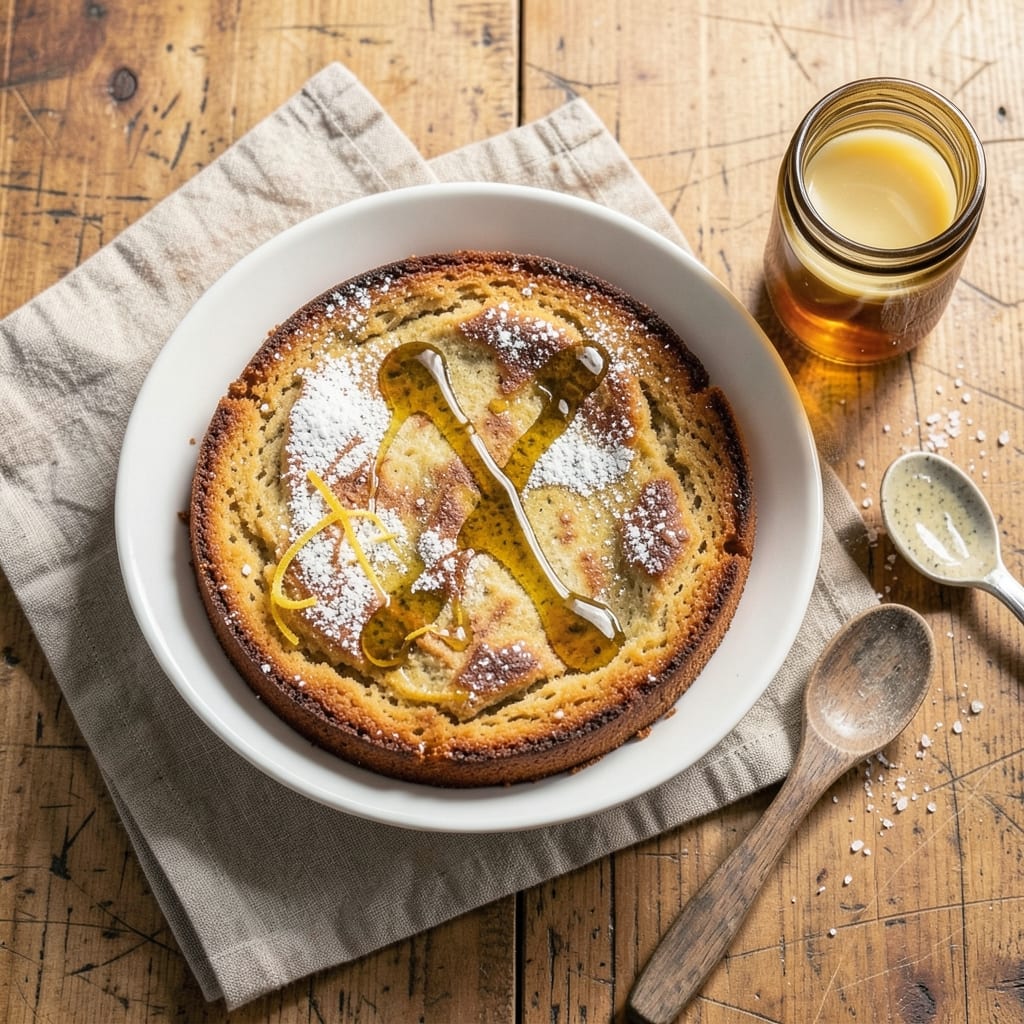
This almond flour olive oil cake delivers the perfect balance of gluten-free structure and moist, nutty richness without a hint of dryness. The secret lies in olive oil's ability to bind the almond flour while keeping every slice tender and flavorful—no eggs, no dairy, just pure plant-based indulgence. I developed this recipe after years of perfecting gluten-free baking, and the results speak for themselves: a cake with a delicate crumb, subtle sweetness, and that irresistible toasted almond aroma.
The magic happens in the batter where extra-fine almond flour replaces traditional flour, while olive oil acts as both a binder and moisture retainer. Unlike many gluten-free cakes that turn out crumbly, this version stays densely moist thanks to a precise ratio of wet to dry ingredients and a touch of apple cider vinegar for lift. The texture is what truly sets it apart—tender yet sturdy, with just enough crunch from the almonds to satisfy any nut lover.
What you'll end up with is a golden-domed cake that slices beautifully and tastes even better—rich with almond flavor but not overpowering, slightly sweet without being cloying. The olive oil adds a subtle fruity note that complements the nuttiness perfectly. This isn't just another gluten-free cake; it's a restaurant-quality dessert that happens to be naturally egg-free and dairy-free.
Perfect for special occasions, holiday gatherings, or simply treating yourself to a foolproof gluten-free dessert that won't disappoint. The recipe scales easily for parties, and leftovers keep beautifully for up to 5 days when stored properly. Let's get baking—your taste buds will thank you.
Ingredients for almond flour olive oil cake
Twelve ingredients deliver restaurant-quality gluten-free cake with perfect almond crunch and moist crumb.
| Ingredient | Amount | Notes |
|---|---|---|
| Extra-Fine Almond Flour 🌰 | 2 ½ cups | Blanched preferred for lighter texture |
| Extra-Virgin Olive Oil 🫒 | 1 cup | High quality, fruity variety |
| Granulated Coconut Sugar 🍯 | 1 cup | Or maple syrup for liquid sweetness |
| Unsweetened Almond Milk 🥛 | 1 cup | Vanilla-flavored adds depth |
| Apple Cider Vinegar 🍏 | 1 tbsp | For tenderizing almond flour |
| Baking Powder 🧂 | 2 tsp | Aluminum-free preferred |
| Sea Salt 🧂 | ½ tsp | Fine grain preferred |
| Ground Flaxseed 🌾 | 1 tbsp | For egg replacement |
| Vanilla Extract 🌿 | 1 tsp | Pure Madagascar preferred |
| Toasted Sliced Almonds 🌰 | ½ cup | For crunchy topping |
| Powdered Sugar 🍯 | 2 tbsp | For dusting |
| Lemon Zest 🍋 | 1 tsp | Brightens flavor profile |
The almond flour is non-negotiable here—Bob's Red Mill or King Arthur brands yield the finest texture. If you can't find extra-fine, pulse regular almond flour in a food processor until silky smooth. The olive oil should be extra-virgin with a fruity aroma—California Olive Ranch or Olea are reliable choices. Toast your sliced almonds for 5 minutes at 350°F until golden; this enhances their flavor and prevents bitterness. Store almond flour in the freezer to preserve freshness—it oxidizes quickly once opened.
No almond milk? Cashew milk or oat milk work equally well, though almond provides the most authentic flavor. Swap coconut sugar for maple syrup by reducing other liquids by 2 tbsp to maintain proper batter consistency. The flaxseed egg is critical—don't substitute with chia seeds, as they yield a gummier texture. For extra richness, add 1 tbsp melted coconut oil to the batter. If your vinegar smells harsh, it's past its prime—replace with fresh. The lemon zest can be omitted if you prefer a neutral flavor profile, but it's what elevates this from basic to extraordinary.
This cake keeps beautifully for 5 days at room temperature wrapped in parchment, or 1 week refrigerated. For longer storage, slice and freeze portions for up to 3 months—they reheat perfectly in the microwave with 10 seconds of steam. The powdered sugar topping should be applied just before serving to maintain crispness. Portion into individual servings before freezing to prevent freezer burn. For special occasions, bake in a 9-inch springform pan for a single elegant layer, or use two 8-inch pans for quicker cooling.
Why You'll Love This Recipe
- No Mixer Needed: Mixing this batter is basically stirring a bowl—just almond flour, olive oil, and coconut sugar. The vinegar and almond milk blend in like magic, no lumps, no stress.
- Rich Without Guilt: That deep olive oil flavor? It’s like a cross between a classic pound cake and something Mediterranean—moist but not heavy, sweet but not cloying. Honestly, my coffee tastes better with a slice.
- Weeknight or Brunch Star: Slice it warm for breakfast or pack it for lunch—it stays fresh for days. I’ve served it at 7 AM with tea and at 7 PM with dessert wine, and no one’s ever questioned me.
- Pantry Staples Only: You’re probably already using these ingredients—almond flour, olive oil, maybe even coconut sugar. No weird substitutions, no last-minute grocery runs. Just pull it together when you need it.
Step-by-step instructions for almond flour olive oil cake
Here's the precise method for achieving a perfectly moist, gluten-free cake with nutty depth and tender crumb.
Prepare the Flax Egg Substitute
In a small bowl, combine the 1 tablespoon ground flaxseed with 3 tablespoons of the unsweetened almond milk. Stir vigorously and let it sit for 5 minutes until it thickens into a gel-like consistency—this is your egg replacement. The mixture should resemble raw egg whites in viscosity, forming a smooth, slightly translucent gel.
This flax egg provides the binding and moisture that traditional eggs would offer. If you're using vanilla-flavored almond milk, reserve 1 teaspoon of the plain variety for the flax mixture to maintain proper flavor balance. The gel will thicken noticeably as it sits, so don't rush this step—proper thickening ensures your cake will hold together beautifully.
Combine Wet Ingredients
In a large mixing bowl, whisk together the 1 cup extra-virgin olive oil with the 1 cup granulated coconut sugar until fully combined. Add the 1 tablespoon apple cider vinegar, 1 teaspoon vanilla extract, and the thickened flax egg mixture. Stir until smooth and homogeneous, scraping down the sides of the bowl to ensure all ingredients are incorporated.
The olive oil should create a silky emulsion with the sugar, preventing graininess in the final cake. Here's the thing—don't overmix at this stage. You're aiming for a smooth batter, not developed gluten (which isn't present in almond flour, but proper mixing still matters). The batter should be thick but pourable, with no visible sugar granules remaining.
Incorporate Dry Ingredients
In a separate bowl, sift together the 2.5 cups extra-fine almond flour, 2 teaspoon baking powder, and 0.5 teaspoon sea salt. Gradually add this dry mixture to the wet ingredients while stirring gently with a spatula. Mix just until combined—you should still see small flour streaks. Overmixing develops almond flour's natural gums, which can make the cake dense.
Next, fold in the 1 teaspoon lemon zest and 0.5 cup toasted sliced almonds using a gentle folding motion. The lemon zest adds brightness that cuts through the richness of the olive oil, while the almonds provide texture contrast. Be careful not to break the toasted almonds into smaller pieces—their crunch should remain intact for the final texture.
Bake to Perfect Moisture
Preheat your oven to 350°F and grease an 8-inch round cake pan or line it with parchment paper. Pour the batter into the prepared pan and smooth the top. Bake for 35-40 minutes until a toothpick inserted in the center comes out clean and the edges are lightly golden. The cake will look slightly underdone at first—this is normal with almond flour.
I press down gently on the cake during the first 10 minutes of baking to prevent excessive doming. Almond flour cakes often rise dramatically, so this technique helps create a more even top. The internal temperature should reach 205-210°F when done. Remove from the oven and let cool in the pan for 10 minutes before transferring to a wire rack to cool completely.
Dust and Serve
Once completely cool, dust the top of the cake generously with the 2 tablespoons powdered sugar using a fine-mesh sieve. This creates that signature dusted finish while keeping the cake light. The powdered sugar should melt slightly into the cake's surface, creating a delicate sheen that enhances its moist texture.
Slice into 8 equal wedges for serving. Each slice should reveal a tender, moist crumb with subtle almond flavor and pockets of olive oil richness. The lemon zest adds a bright citrus note that prevents the cake from tasting overly sweet. Serve at room temperature for the best texture—this cake doesn't reheat well, so enjoy it fresh from the pan.
Pro Tips For Making Almond Flour Olive Oil Cake
- Sift the Flour First: Extra-fine almond flour packs tight—skip this, and your cake turns dense. Pulse it in a food processor for 10 seconds, then sift twice through a fine-mesh sieve. I learned this the hard way when my first batch came out like a brick. ---
- Warm the Almond Milk: Cold almond milk won’t emulsify properly with olive oil, leading to a greasy texture. Heat it to 110°F (just warm to the touch) before mixing with vinegar and oil—this ensures a smooth batter. Yes, even if you’re impatient like me. ---
- Don’t Overmix the Batter: Almond flour develops gluten when overworked, making the cake tough. Mix just until the dry ingredients disappear—about 15 strokes with a spatula. I used to whip it like pancakes, and the result was sad. ---
- Bake Until Springy: This cake won’t brown like wheat flour cakes, so rely on texture: Press the center—it should spring back slowly (not immediately). Pull it at 325°F when the edges are set but the middle still jiggles. Overbaking dries it out fast.
Creative variations of this recipe
Citrus Twist Variation
Brighten your cake with an extra 2 tablespoons orange zest and 1 tablespoon orange juice added to the wet ingredients. The citrus pairs beautifully with olive oil and almond, creating a zesty contrast. For visual appeal, top with thin orange slices baked at 325°F for 5 minutes before serving. This variation works especially well with blood orange juice for deeper color and flavor complexity.
Spiced Chai Infusion
Transform your cake into a cozy dessert by adding 1 teaspoon chai spice blend (equal parts cinnamon, cardamom, ginger, and cloves) to the dry ingredients. Warm the almond milk with the spices for 5 minutes before using it in the recipe. The spices complement the nutty richness perfectly. Garnish with a sprinkle of cinnamon sugar for an aromatic finish that feels like autumn in every bite.
Chocolate-Dipped Layers
For a decadent twist, bake two thin layers (using 8-inch pans) and fill with a vegan chocolate ganache made from ½ cup dairy-free chocolate chips and ¼ cup coconut cream. Let the ganache set for 1 hour before dusting with powdered sugar. This variation adds a luscious chocolate contrast that balances the cake's natural sweetness. Use Enjoy Life chocolate chips for a reliable dairy-free option.
Coconut-Almond Fusion
Replace ½ cup almond flour with ½ cup coconut flour for a tropical twist. Increase the almond milk to 1¼ cups to compensate for coconut flour's absorbency. Toast ¼ cup unsweetened coconut flakes with the sliced almonds for a dual-texture topping. The coconut adds a subtle sweetness that enhances the olive oil's fruity notes while keeping the cake's signature moist texture.
Espresso Almond Boost
Add 1 tablespoon instant espresso powder to the dry ingredients for a sophisticated coffee note that cuts through the richness. Brew 1 tablespoon strong coffee and reduce it to 1 teaspoon to intensify the flavor before mixing with the wet ingredients. This variation works exceptionally well with a dusting of cocoa powder instead of powdered sugar. The espresso enhances the almond's natural nuttiness while adding depth to each bite.
Nutrition facts
Frequently asked questions
Why does this almond flour cake need olive oil instead of butter?
Olive oil acts as both a binder and moisture source in gluten-free baking, replacing eggs and butter. The extra-virgin variety adds subtle fruity notes that complement almond's nuttiness, while its fat content keeps the cake tender. Unlike butter, olive oil doesn't introduce dairy and stays liquid at room temperature, ensuring proper texture. Plus, it creates that signature moist crumb almond flour cakes are known for!
Can I use regular almond flour instead of extra-fine?
Yes, but pulse regular almond flour in a food processor until silky smooth to mimic extra-fine texture. The finer the grind, the lighter your cake will be. If you skip this step, expect a slightly denser crumb with more almond flecks. For best results, sift the flour before mixing to prevent lumps that can make the cake uneven.
How do I prevent my cake from cracking on top?
Cracking often happens when the cake rises too quickly. Press down gently on the center during the first 10 minutes of baking to flatten the dome. Also ensure your oven is fully preheated to 350°F—temperature fluctuations cause uneven rising. Avoid opening the oven door during baking, which can create sudden temperature drops. A properly prepped pan (greased or parchment-lined) helps too!
What's the best way to store leftovers?
Wrap the cake tightly in plastic wrap or parchment paper and store at room temperature for up to 5 days. For longer storage, slice and freeze portions for 3 months—they reheat beautifully for 10 seconds in the microwave with a damp paper towel. The powdered sugar topping should be added fresh before serving to maintain crispness.
Can I make this cake without apple cider vinegar?
Yes, but the cake may be slightly denser. Substitute with 1 teaspoon lemon juice or ½ teaspoon white vinegar. The acid helps tenderize the almond flour and activates the baking powder for proper rise. If you omit it entirely, your cake will still bake but might lack the perfect lift and moisture. The vinegar also balances the sweetness beautifully!