
Desserts
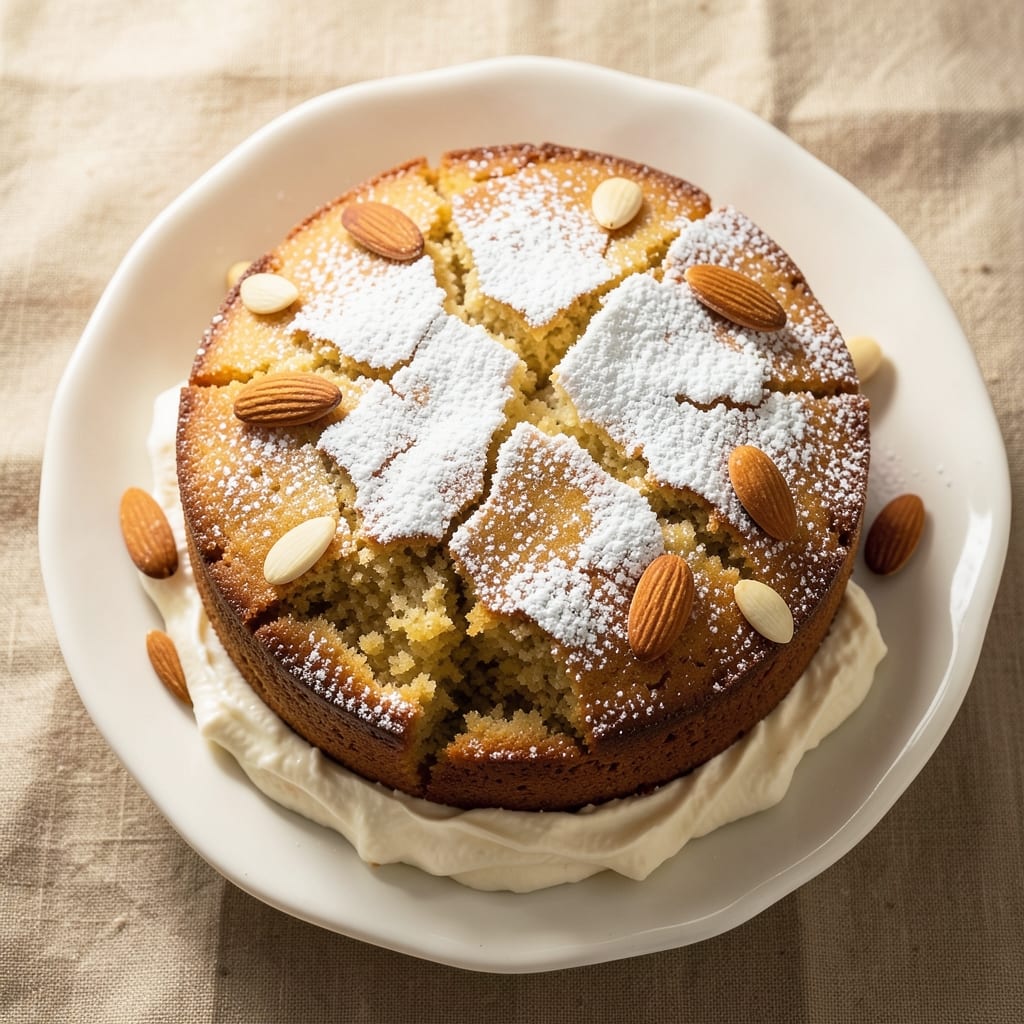
This almond cream cheese pound cake recipe delivers the perfect balance of nutty richness and ultra-moist layers—every slice is a revelation. The almond flour adds subtle earthiness while keeping the crumb tender, and the cream cheese swirls create pockets of velvety indulgence that vanish in seconds. I developed this recipe after years of perfecting pound cakes, and the vanilla infusion takes it from delicious to unforgettable.
The secret to this cake’s signature texture lies in the combination of almond flour and cream cheese, which work together to create a cake that’s both rich and light. Unlike traditional pound cakes, this version stays moist for days, thanks to a simple but effective technique: folding whipped cream cheese into the batter at the very end. This ensures those signature swirls stay luscious, not dry.
What you’ll end up with is a golden, domed cake with layers of nutty almond flavor and creamy cheese swirls that practically melt on your tongue. The vanilla bean infusion adds depth, making each bite feel like a little dessert experience. It’s elegant enough for special occasions but simple enough for a weeknight treat.
For extra flair, dust with powdered sugar or drizzle with chocolate ganache—though honestly, it’s so good straight from the oven that you might not need anything else. Let’s get baking!
Ingredients for almond cream cheese pound cake
These 13 ingredients create the perfect almond cream cheese pound cake—nutty, moist, and full of velvety swirls.
| Ingredient | Amount | Notes |
|---|---|---|
| All-Purpose Flour 🌾 | 3 cups | Sifted for light texture |
| Almond Flour 🌰 | 2 cups | Finely ground for smooth batter |
| Granulated Sugar 🍚 | 2 cups | Superfine preferred for smoothness |
| Light Brown Sugar 🍚 | ½ cup | Packed for moisture |
| Vanilla Bean Paste 🌿 | 2 tbsp | Or 1 vanilla bean scraped |
| Unsalted Butter 🧈 | 1 ½ cups | Room temperature, full-fat |
| Large Eggs 🥚 | 4 whole | Room temperature for blending |
| Cream Cheese 🧀 | 8 oz | Full-fat, room temperature |
| Powdered Sugar 🍚 | 1 cup | For dusting and swirls |
| Baking Powder 🍃 | 1 ½ tsp | Metal container preferred |
| Salt 🧂 | ½ tsp | Fine sea salt |
| Milk 🥛 | ½ cup | Whole milk preferred |
| Almond Extract 🌰 | 1 tsp | Pure almond flavor |
The almond flour is non-negotiable here—it’s what gives this cake that signature nutty depth. Bob’s Red Mill is my go-to brand, but any finely ground almond flour works. If you can’t find it, blend whole almonds into a fine powder yourself (food processor, pulse until smooth). The cream cheese? Philadelphia brand is the gold standard—it’s the most stable when whipped. Grab the full-fat version (the good stuff, not the low-fat kind). For the vanilla, I always use paste over extract—it’s more flavorful and won’t turn your batter weird colors. The butter should be room temperature but not melted—press a finger into it, and it should leave a slight dent.
No almond extract? Vanilla extract at double the amount works in a pinch, but you’ll miss that signature almond note. Running low on almond flour? Substitute with extra all-purpose flour (1:1) but expect a less nutty flavor. The powdered sugar for the swirls can be swapped for confectioners’ sugar if that’s what you’ve got. For the milk, any kind works—whole gives the best texture, but 2% or even skim will work. The eggs must be room temperature—cold eggs can make your batter lumpy. If you’re worried, just pop them in warm water for 5 minutes. The baking powder should be fresh—if it’s more than 6 months old, it’s time for a new container. Quick test: mix 1 tsp with water—it should foam up.
Store the cake in an airtight container at room temperature for up to 3 days—it’ll stay moist that long. For longer storage, wrap tightly in plastic and refrigerate for up to 1 week. Freeze for up to 3 months by wrapping tightly in plastic wrap and foil. To reheat, microwave for 20-30 seconds or warm in a 300°F oven for 10 minutes. The swirls are best when the cake is still warm, but honestly? It’s so good that even room temperature slices disappear fast.
Why You'll Love This Recipe
- No Mixer Needed: Mixing the batter by hand feels almost meditative—just fold those dry ingredients into the creamed cheese and almond butter until it’s just combined. No overworking, no stress, and the almond flour keeps it tender without heavy machinery.
- Rich Without Overpowering: That vanilla bean paste? It’s the star—deep, floral, and not too sweet. The brown sugar adds caramel notes, while the almond flour gives a subtle nuttiness that balances the cream cheese’s tang. Honestly, it’s the kind of cake that tastes even better the second day.
- Breakfast or Dessert: Slice it thin for a fancy brunch toast with jam, or serve thick for a decadent afternoon treat. The cream cheese keeps it moist enough to handle both—no one will guess it’s the same cake. (Yes, even on a Tuesday night.)
- Lasts All Week: This isn’t one of those cakes that dries out by Wednesday. The almond flour and sugar combo locks in moisture, so you’re left with crumbs (the good kind) instead of sad, stale slices. I’ve had it for days—still delicious.
Step-by-step instructions for almond cream cheese pound cake
Here's how to create that perfect balance of tender layers and nutty swirls—every slice stays moist for days.
Prepare the Cream Cheese Swirl Filling
In a medium bowl, beat the 8 oz cream cheese and 1.5 cups unsalted butter together until completely smooth and creamy. I like to use a hand mixer for this step—it ensures no lumps remain. Add 1 cup powdered sugar and mix until fully incorporated, then stir in 2 tbsp vanilla bean paste and 1 tsp almond extract. This filling should be thick but spreadable, almost like frosting. Cover and set aside—we'll use it later for those beautiful swirls.
This is where the cake gets its signature richness. The cream cheese adds a tangy depth that balances the sweetness, while the almond extract ties everything together with that warm nutty aroma. Don't rush this step—properly blending prevents grainy texture in your final cake.
Mix the Dry and Wet Ingredients Separately
In a large bowl, whisk together the 3 cups all-purpose flour, 2 cups almond flour, 1.5 tsp baking powder, and 0.5 tsp salt. Sift the dry ingredients first for a lighter texture—this prevents dense layers. In a separate bowl, beat the 4 whole large eggs until frothy, then add 2 cups granulated sugar and 0.5 cup light brown sugar, mixing until the sugar dissolves completely.
Here's the thing—almond flour can be tricky. It's denser than regular flour, so we combine it with all-purpose flour for structure while keeping that nutty flavor. The brown sugar adds moisture that keeps this cake tender for days. I always use room-temperature eggs and butter because they blend more smoothly into the batter.
Combine Wet and Dry Ingredients Gently
Gradually add the dry ingredients to the wet mixture, mixing just until combined. Be careful not to overmix—you should still see some flour streaks. Stir in the 0.5 cup milk and 1 tsp almond extract until smooth. The batter should be thick but pourable. Fold in about half of the cream cheese filling using a spatula, reserving the rest for swirling later.
This is where the magic happens. The almond extract infuses through the batter, creating that subtle nutty aroma that makes this cake special. The cream cheese filling gets distributed evenly, ensuring each slice has those delicious pockets of flavor. If the batter seems too thick, add 1-2 tablespoons of milk to loosen it slightly.
Layer and Swirl the Cake Batter
Grease and flour a 10x6-inch loaf pan thoroughly. Pour half of the cake batter into the pan, then spread half of the reserved cream cheese filling evenly over the top. Using a knife, create swirls in the filling before adding the remaining batter. This creates those beautiful marbled layers you see in professional pound cakes. Tap the pan gently on the counter to release any air bubbles.
This layering technique ensures every bite has both cake and filling. The swirls create visual appeal while distributing the cream cheese evenly. Don't worry if it doesn't look perfect—cake batter has a way of self-correcting as it bakes. The almond flour in the batter will give you that lovely golden color and nutty flavor throughout.
Bake to Golden Perfection
Preheat your oven to 350°F and bake the cake for 50-60 minutes, or until a toothpick inserted in the center comes out clean. The cake should be golden brown on top with slightly domed edges. If the top browns too quickly, tent with foil after 30 minutes to prevent over-browning while the center finishes cooking.
This is the moment that matters: patience pays off. The cake needs time to set properly, so don't open the oven door early to check. When you pull it out, let it cool in the pan for 15 minutes before transferring to a wire rack. The internal temperature should reach 200-205°F before removing it from the oven—this ensures it's fully baked without being dry.
Pro Tips For Making Almond Cream Cheese Pound Cake
- Whisk Almond Flour First: I learned this the hard way—dumping almond flour straight into wet ingredients clumps like a stubborn snowball. Sift it first, then whisk it into the dry ingredients until no lumps remain. That way, your cake stays light, not dense. ---
- Measure Brown Sugar Wet: Packed brown sugar = sad cake. Scoop it into the measuring cup, then level with a knife, but don’t tap it. The moisture in brown sugar compacts it if you jostle it, and this recipe relies on that caramel depth. Trust the initial scoop. ---
- Skip the Overmixing: The moment the batter looks like pancake batter, stop. Almond flour and cream cheese don’t need a workout—overmixing develops gluten, and this cake’s magic is in its tender crumb. Fold just until combined, like you’re tucking in a fussy toddler. ---
- Test Doneness with a Toothpick: That cake might look golden, but a toothpick should come out with moist crumbs, not wet batter. If it’s sticky, tent with foil and bake another 5–10 minutes. Rushing leads to a gummy center—no one wants that.
Common mistakes when making this recipe
Overmixing the Batter
I’ve seen this happen more times than I can count—overmixing the batter turns your dreamy pound cake into a dense brick. The moment you see no flour streaks left, stop mixing immediately. Almond flour is especially sensitive, so mix just until combined. Overmixing develops gluten, which makes the cake tough instead of tender. Use a spatula to gently fold in the cream cheese filling to avoid adding extra air. 🌰
Skipping Room Temperature Ingredients
Cold butter, eggs, or cream cheese can create lumps and uneven texture in your cake. Always bring your butter, eggs, and cream cheese to room temperature before mixing. I like to place them in warm water for 10 minutes if they’re not soft enough. Cold ingredients don’t blend smoothly, leading to a cake that’s less uniform in texture. Trust me, this small step makes a huge difference! 🧈
Incorrect Swirl Technique
The swirls are what make this cake special, so don’t rush this step. If you spread the cream cheese filling too thickly, it won’t bake evenly and could end up rubbery. Use a knife to create thin, even swirls—about ¼-inch thick. Also, don’t overfill the pan; the batter should come about ¾ of the way up the pan. Overfilling causes spillage and uneven baking. The goal is those beautiful, even layers you see in bakery cakes. ✨
Underbaking or Overbaking
This is a common mistake that ruins an otherwise perfect cake. Underbaking leaves the center gummy, while overbaking dries it out. Your cake is done when a toothpick comes out clean and the internal temperature reaches 200-205°F. If the top browns too quickly, tent with foil after 30 minutes. Pull it out when it’s just set—it’ll continue cooking slightly as it cools. Patience here is key! 🌡️
Not Greasing the Pan Properly
If your cake sticks to the pan, it’s because you didn’t grease it thoroughly. Use butter or baking spray and then dust with flour—this creates a nonstick barrier. I like to use a pastry brush to apply the butter evenly. For extra insurance, I even flour the pan after greasing. A well-greased pan ensures easy release and a clean slice every time. Don’t skip this step—it’s a game-changer! 🧂
Using Low-Quality Ingredients
This cake relies on high-quality ingredients, especially the cream cheese and almond flour. Using low-fat cream cheese or pre-ground almond flour can compromise the texture and flavor. Stick with full-fat Philadelphia cream cheese and finely ground almond flour like Bob’s Red Mill. These ingredients make all the difference in achieving that ultra-moist, nutty perfection. Don’t cut corners here—your taste buds will thank you! 💫
Nutrition facts
Frequently asked questions
Can I substitute almond flour with another type of flour?
You can use 1:1 almond flour substitution with all-purpose flour, but the texture and flavor will change. The almond flour gives this cake its signature nutty depth and tender crumb. For a similar nutty flavor, try 1 cup ground walnuts or hazelnuts mixed with 1 cup all-purpose flour. Keep in mind, the cake won't be as moist or light.
How do I store leftover almond cream cheese pound cake?
Store it in an airtight container at room temperature for up to 3 days—it stays moist this way. For longer storage, refrigerate for 1 week or freeze for 3 months. To reheat, microwave for 15-20 seconds or warm in a 300°F oven for 10 minutes to restore the cream cheese swirls' softness.
What's the secret to getting perfect swirls in the cake?
The key is using a knife to create ¼-inch thick swirls in the cream cheese filling before adding the second batter layer. Don't overfill the pan—batter should reach only ¾ of the way up. Also, gently tap the pan on the counter to release air bubbles. The swirls should be even but not too thick, or they'll bake rubbery.
Can I make this cake in a different pan shape?
Yes, but adjust baking times accordingly. For a 9x13-inch pan, bake at 350°F for 35-40 minutes. For a round 9-inch pan, bake for 40-45 minutes. The cake should be golden brown and a toothpick should come out clean. Always check 5 minutes before the suggested time—oven temperatures vary!
Why did my cake turn out dense instead of light?
Overmixing is the most common cause—stop mixing as soon as you see no flour streaks. Cold ingredients (butter, eggs, cream cheese) can also create a dense texture. Make sure all ingredients are at room temperature and mix just until combined. The almond flour needs gentle handling to maintain its tenderizing properties.