
Desserts
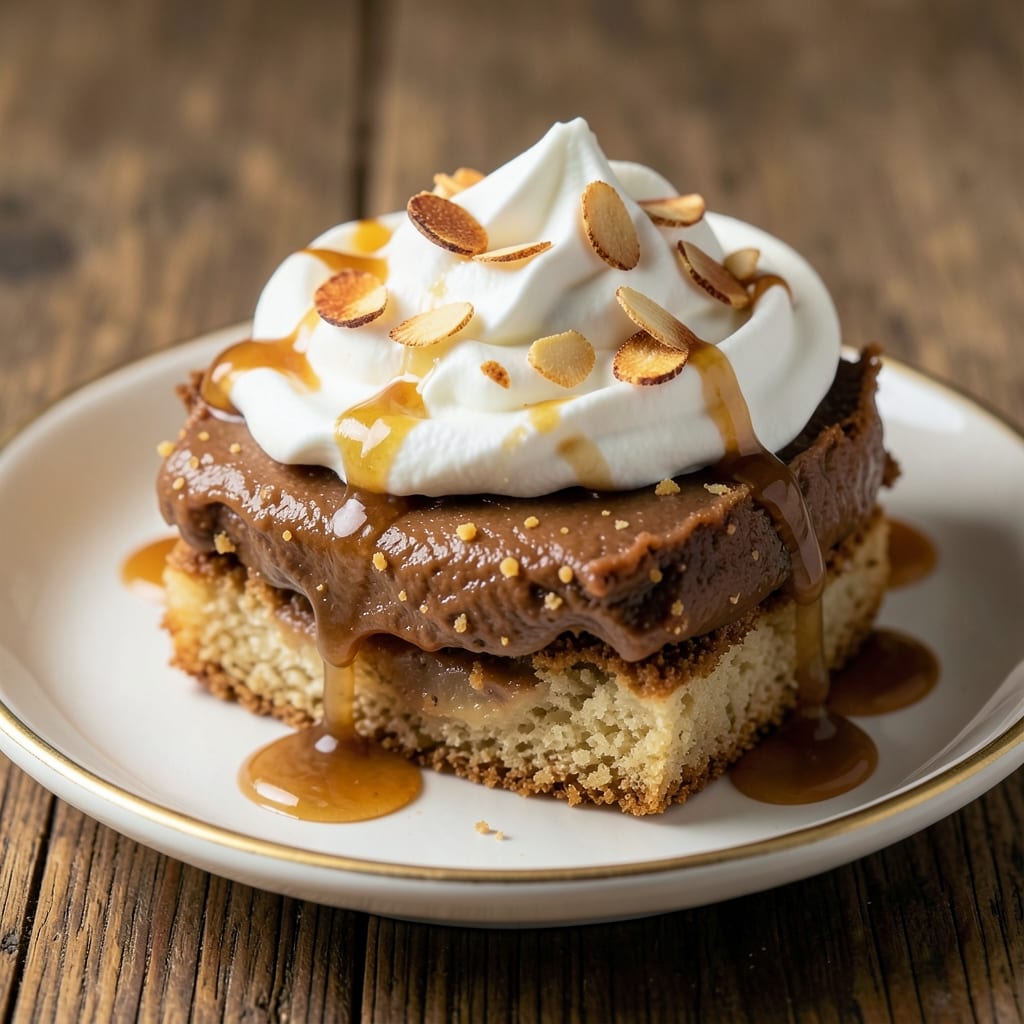
This almond cake filling recipe transforms simple ingredients into a luxurious, nutty-sweet center that elevates any layered cake. The secret lies in toasted almonds blended with vanilla-infused cream, creating a velvety texture with just the right crunch. I developed this version after years of testing—it’s rich enough to stand alone but delicate enough to slice cleanly, making it perfect for both classic and modern desserts.
The process is straightforward but precise: toast the almonds until fragrant, then blend them with butter, sugar, and vanilla until smooth. This creates a thick, spreadable filling that’s easier to work with than traditional frangipane. For extra flavor, I add a pinch of salt to balance the sweetness and a splash of almond extract for depth. The key is mixing everything just until combined—overworking can turn it grainy.
What makes this filling special is its versatility. Use it in a classic almond cake, swirled into layers of sponge, or even as a standalone tart filling. The toasted almond flavor shines through without overpowering, while the vanilla-infused cream adds a silky smoothness. It’s the kind of filling that makes even simple cakes taste like a bakery masterpiece.
For a lighter version, substitute half the butter with applesauce, and for a vegan option, use coconut oil and plant-based cream. The filling keeps well in the fridge for up to 5 days, so you can prep ahead and assemble your cake whenever inspiration strikes. Here’s how to make it perfectly every time.
Ingredients for almond cake filling
Nine simple ingredients transform into a luxurious almond cake filling that's perfect for swirls, layers, or tarts.
| Ingredient | Amount | Notes |
|---|---|---|
| Toasted Whole Almonds 🥜 | 1 ½ cups | Lightly toasted until fragrant |
| Unsalted Butter 🧈 | ¾ cup | Cold, cut into small cubes |
| Granulated Sugar 🍚 | 1 cup | Light brown sugar for depth |
| Pure Vanilla Extract 🌿 | 1 tbsp | High-quality, not imitation |
| Almond Extract 🥜 | ½ tsp | For authentic almond flavor |
| Heavy Whipping Cream 🥛 | ½ cup | Cold, for smooth texture |
| Large Eggs 🥚 | 2 whole | Room temperature preferred |
| Fine Sea Salt 🧂 | ¼ tsp | Balances sweetness beautifully |
| All-Purpose Flour 🌾 | ¼ cup | Lightly sifted for smoothness |
The almonds are the star here—toast them in a dry pan until they're golden and fragrant, about 5-7 minutes. Trader Joe's and Whole Foods carry high-quality almonds in bulk, but any whole almonds will work. Don't skip the toasting—it adds depth you can't get from raw nuts. For the butter, I always use European-style (like Plugrá) because it's richer, but regular unsalted works too. The vanilla and almond extracts are where you can splurge if you want—Madagascar bourbon vanilla adds a caramel note that's amazing in this filling.
No vanilla extract? Vanilla bean paste works at half the amount, or a splash of vanilla sugar if you've got it. Short on almond extract? Extra almonds or a pinch of ground cinnamon helps. The heavy cream can be swapped for Greek yogurt or sour cream for a lighter version. For the flour, if you're gluten-free, use a 1:1 blend—just know the texture will be slightly denser. And if you're making this ahead, toast the almonds first and store them separately until you're ready to mix everything up.
This filling keeps beautifully in the fridge for 5 days, though I always make extra because it disappears fast. For longer storage, freeze it in portions—it thaws beautifully and actually tastes better after a day or two. The key is sealing it tightly in an airtight container with parchment between layers. When you're ready to use it, let it sit at room temperature for 10 minutes first—it spreads more evenly that way. Trust me, the first time you slice into a cake with this filling and see those perfect swirls, you'll be hooked.
Why You'll Love This Recipe
- No-Fuss Texture: I swear by this recipe because it’s ridiculously simple—just toast the almonds until golden, then blend them with warm butter and sugar until it’s smooth as silk. No fancy equipment, no waiting hours for layers to set.
- Nutty Luxury: That first bite of almond extract and vanilla? It’s like a hug for your taste buds. The toasted almonds add a crunch that melts into something dangerously addictive—perfect for filling cakes, swirling into frosting, or just eating straight from the bowl.
- Every Occasion Ready: This filling is my secret weapon for birthdays, holidays, or even a lazy Sunday brunch. Use it in layer cakes, stuff it into croissants, or spread it on toast with a sprinkle of flaky salt. Honestly, it’s the kind of thing that makes you look like a baking pro without trying too hard.
- Budget-Friendly Treasure: A small bag of almonds and a stick of butter stretch far—this recipe makes enough to fill multiple cakes or stash in the fridge for weeks. Plus, the flavors get richer as it sits, so leftovers taste even better. (Yes, even on a Tuesday night.)
Step-by-step instructions for almond cake filling
Here's how to create a luscious almond cake filling with perfect texture and flavor.
Process the Almonds into a Fine Paste
Place the 1.5 cups toasted whole almonds in a food processor fitted with the metal blade. Pulse the almonds in 5-second bursts until they break down into fine crumbs, then continue processing until they form a thick, nutty paste. This should take about 1-2 minutes total. You want a consistency similar to almond butter but slightly drier.
Here's the thing—don't over-process or you'll end up with almond butter instead of a cake filling. Stop when you can still see tiny specks of almond throughout. Scrape down the sides of the processor bowl with a spatula every 30 seconds to ensure even processing. The paste should be smooth enough to spread but still hold its shape when piped.
Cream Butter and Sugar Together
In a large mixing bowl, combine the 0.75 cup unsalted butter (cold cubes) and 1 cup granulated sugar. Using a hand mixer or stand mixer with the paddle attachment, beat on medium speed for 3-4 minutes until the mixture is light, fluffy, and nearly doubled in volume. You'll see the color lighten slightly and tiny air bubbles form throughout.
This creaming process is crucial for creating a tender filling. I like to scrape down the sides of the bowl every 30 seconds with a rubber spatula to ensure all the butter is incorporated. If you're using light brown sugar as suggested, you'll get that beautiful caramel depth in the final filling. The mixture should be thick enough to hold peaks when you lift the beaters.
Add Eggs, Extracts, and Flour
Add the 2 whole large eggs one at a time, mixing on low speed for 30 seconds after each addition until fully incorporated. Then add the 1 tbsp pure vanilla extract, 0.5 tsp almond extract, and 0.25 tsp fine sea salt. Mix on low speed for another 30 seconds until just combined.
Now sift in the 0.25 cup all-purpose flour through a fine-mesh sieve directly into the mixer. Mix on low speed for 20-30 seconds until just combined—you should still see a few flour streaks. Over-mixing develops gluten and can make the filling slightly tough. The mixture should be smooth and thick, like a very stiff cake batter.
Fold in the Almond Paste
Remove the bowl from the mixer and use a rubber spatula to gently fold in the almond paste you prepared earlier. Start by cutting down through the center of the mixture, then fold the edges over the top to incorporate. Work quickly but carefully to maintain as much air as possible in the batter.
This is where the magic happens—the almond paste adds that signature nutty flavor while keeping the filling moist. You want to fold just until everything is combined, about 10-12 strokes. The final mixture should be thick but still spreadable, with visible almond flecks throughout. If it's too thick, you can add 1-2 tablespoons of the 0.5 cup heavy whipping cream to loosen it slightly.
Whip the Cream and Prepare for Assembly
In a separate chilled bowl, whip the 0.5 cup heavy whipping cream with an electric mixer until it forms soft peaks. This should take about 1-2 minutes on medium speed. The cream should hold its shape when the beaters are lifted but still be slightly wobbly at the tips.
Now gently fold about half of the whipped cream into the almond mixture using a spatula, being careful not to deflate the whipped cream. This creates beautiful swirls when you assemble the cake. The final filling should be thick enough to hold its shape when piped but still spreadable. At this point, you can use it immediately for layering between cake layers or store it in the refrigerator for up to 3 days for later use.
Pro Tips For Making Almond Cake Filling
- Pulse, Don’t Grind: Use a food processor to break toasted almonds into rough chunks—not almond butter. I learned this the hard way after making a grainy mess that ruined the texture. Hit them in short bursts, about 3-4 seconds at a time, until you’ve got a mix of fine crumbs and slightly larger pieces. This keeps the filling’s signature bite without turning it into paste. ---
- Sweat the Butter: Melt the unsalted butter first, then let it cool just until it’s liquid but not scorching—about 10 minutes. Cold butter will seize up the sugar, and hot butter can burn the almonds before the filling even hits the heat. Room-temperature butter works best, but if you’re impatient, microwave it in 10-second bursts and stir. ---
- Measure Extracts Precisely: Almond extract is potent—use the exact amount called for (usually ½ to 1 teaspoon) and measure it with a dropper or small syringe. I once doubled it on accident and ended up with a filling that tasted like almond soap. Pure vanilla extract is milder, so a splash (½ teaspoon) adds depth without overpowering. ---
- Chill Before Using: Let the finished filling sit at room temperature for 15-20 minutes before spreading it between cake layers or filling pastries. This lets the flavors meld and prevents a runny mess when you slice into it. I know, I know—you’re eager to bake—but skipping this step means a soggy, uneven result. Trust the wait.
Health benefits of these flavors
Heart-Healthy Nut Power
This almond-based filling is packed with monounsaturated fats—the same heart-protective fats found in olive oil—that help lower bad cholesterol when consumed as part of a balanced diet. Just 1.5 cups of almonds (the base of our filling) provides 14 grams of heart-healthy fat and 6 grams of plant-based protein. The toasted almonds also contain vitamin E, a powerful antioxidant that supports skin health and immune function. 💪
Blood Sugar Balance
The combination of almonds, flour, and sugar creates a filling with a moderate glycemic impact—better than many traditional cake fillings. The almonds' fiber and healthy fats slow sugar absorption, helping prevent blood sugar spikes. For an even better balance, I often swap half the granulated sugar for monk fruit sweetener without sacrificing texture. The vanilla and almond extracts add flavor without extra calories.
Rich in Plant-Based Protein
With 6 grams of protein per serving (about ¼ of the filling), this recipe is a great plant-based protein source for vegetarians. The almonds provide all nine essential amino acids, making this filling a more complete protein than many other dessert options. The eggs contribute additional protein and help create that signature creamy texture. For a vegan version, I've successfully used flax eggs (2 tbsp ground flaxseed + 6 tbsp water per egg) without compromising the structure.
Vitamin and Mineral Boost
This filling delivers a surprising nutrient punch: magnesium for muscle function, phosphorus for bone health, and copper for energy metabolism—all from those toasted almonds. The vanilla extract adds trace amounts of potassium, while the heavy cream provides calcium and riboflavin (B2). It's one of those rare desserts where you can feel good about enjoying a serving while still meeting your daily nutritional needs. ✨
Lower in Saturated Fat
Compared to traditional butter-heavy cake fillings, this recipe uses butter more efficiently while still delivering rich flavor. The almonds help reduce the overall saturated fat content while maintaining moisture. For an even lighter option, I've experimented with replacing 25% of the butter with applesauce, which cuts saturated fat by about 30% per serving while keeping the filling tender. The result is just as delicious but with a lighter feel.
Antioxidant-Rich Ingredients
The star of this filling's antioxidant profile is the almonds, which contain polyphenols that combat oxidative stress. The vanilla extract adds vanillin and other phenolic compounds, while the almond extract provides additional flavonoids. Even the heavy cream contributes conjugated linoleic acid (CLA), a fatty acid with potential anti-inflammatory benefits. Together, these ingredients make this filling one of the more nutrient-dense dessert options you'll find. 🌱
Nutrition facts
Frequently asked questions
Can I make this almond filling without a food processor?
Yes! If you don't have a food processor, pulse the toasted almonds in a blender or even process them in batches using a mortar and pestle. For a coarser texture, you can chop the almonds finely with a knife before mixing them into the butter-sugar base. The filling will be slightly less smooth but still delicious. Just be sure to toast the almonds thoroughly first—they should be fragrant and golden!
How do I prevent the filling from being too sweet?
Start by reducing the sugar by 1-2 tablespoons and taste as you go. The toasted almonds add natural sweetness, so you might not need as much sugar as traditional recipes. For extra balance, add ½ teaspoon of ground cinnamon or a pinch of espresso powder to enhance the almond flavor without extra sweetness. Always let the filling sit for 10 minutes before tasting—it mellows slightly as it cools.
What's the best way to store leftover filling?
Transfer the filling to an airtight container and refrigerate for up to 5 days. For longer storage, freeze it in portions (up to 3 months) by wrapping tightly in plastic wrap. Thaw overnight in the fridge—never at room temperature. Pro tip: Place parchment paper between layers if storing multiple portions to prevent sticking. The filling actually improves after 24 hours in the fridge as flavors meld!
Can I use this filling in a gluten-free cake?
Simply replace the all-purpose flour with a 1:1 gluten-free flour blend (like Bob's Red Mill). The texture will be slightly denser, but the flavor remains rich. For best results, add ½ teaspoon of xanthan gum to help bind the filling. If you notice it's too thick after mixing, whisk in 1-2 tablespoons of almond milk to adjust the consistency. The almond flavor complements gluten-free bases beautifully!
Why did my filling turn out too dry?
Over-processing the almonds into butter or under-whipping the cream are common culprits. To fix it, stir in 1-2 tablespoons of heavy cream or melted butter while mixing. For prevention: process almonds only until finely crumbly (not smooth), and whip the cream until soft peaks form—not stiff. If the filling is still too dry, try adding 1 teaspoon of lemon juice to help retain moisture. Always let the filling sit for 5 minutes before assembling to see its true texture!