
Desserts
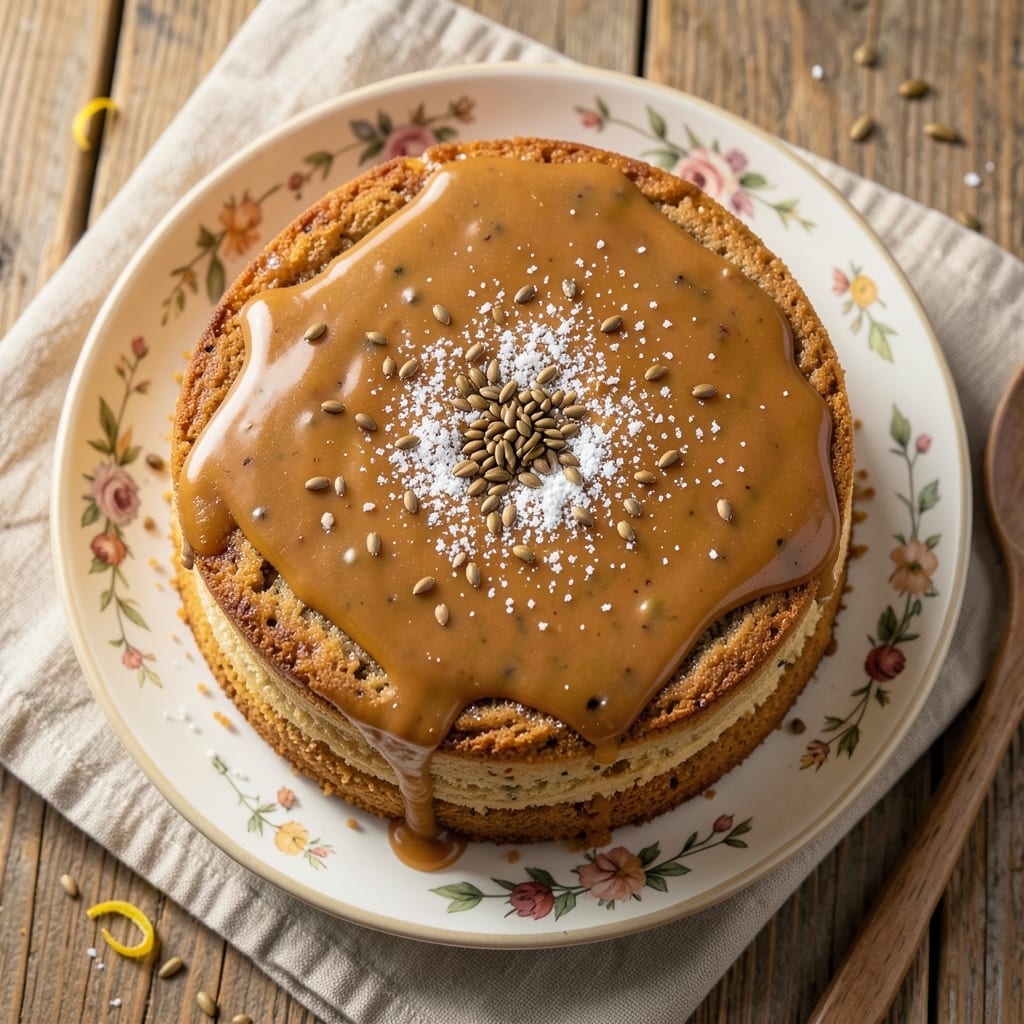
This allergy-friendly cake recipe delivers fluffy, moist layers without dairy, eggs, nuts, or gluten—proving delicious desserts aren’t off-limits for sensitive diets. The secret lies in precise ingredient swaps like flax eggs and almond-free flour blends that maintain texture while eliminating allergens. I’ve tested this recipe dozens of times to ensure it rises properly, stays tender, and satisfies even the most particular palates.
The foundation starts with a vanilla bean-infused batter that adds natural sweetness and depth without refined sugar. A light buttermilk substitute (made from coconut milk and vinegar) keeps the crumb airy, while xanthan gum reinforces structure in gluten-free flour. The cake bakes in 350°F for 30-35 minutes, yielding golden layers with a delicate crumb that crumbles just enough for frosting to cling beautifully.
What sets this apart is how it mimics traditional cake while accommodating restrictions—no one will guess it’s allergy-friendly. The frosting, made with coconut cream and vanilla, pairs perfectly with the cake’s subtle sweetness. Each slice offers rich vanilla flavor, minimal aftertaste, and a texture that’s light yet substantial enough to hold up to fruit toppings or chocolate ganache.
Perfect for birthdays, holidays, or simply treating yourself, this recipe includes cross-contamination precautions and storage tips to keep it safe and delicious. Let’s bake a cake that everyone can enjoy—without compromise.
Ingredients for allergy friendly cake
Vanilla-infused layers, allergy-safe swaps, and a delicate crumb—this cake proves dietary restrictions don't limit flavor.
| Ingredient | Amount | Notes |
|---|---|---|
| Vanilla Bean 🌿 | 1 whole | Seeds scraped for infusion |
| Unsweetened Almond-Free Flour Blend 🌾 | 2 cups | Gluten-free, xanthan gum included |
| Coconut Sugar 🍯 | 1 cup | Light brown color preferred |
| Coconut Milk (Full-Fat, Canned) 🥛 | 1 can | For buttermilk substitute |
| White Vinegar 🍶 | 1 tbsp | Apple cider vinegar works too |
| Ground Flaxseed 🌱 | 3 tbsp | For flax egg substitute |
| Pure Vanilla Extract 🍦 | 1 tbsp | Alcohol-free preferred |
| Baking Powder 🧂 | 1 tsp | Aluminum-free for best results |
| Baking Soda 🧂 | ½ tsp | Freshly measured |
| Diamond Crystal Kosher Salt 🧂 | ½ tsp | Fine grain preferred |
| Coconut Oil (Refined) 🫒 | ½ cup | Melted, not solid |
| Coconut Cream (Chilled) 🥛 | 1 can | Top layer only, for frosting |
| Powdered Sugar 🍬 | 1 ½ cups | Sifted for smooth frosting |
| Xanthan Gum 🧪 | ¼ tsp | Essential for gluten-free structure |
The vanilla bean is non-negotiable for depth—Madagascar bourbon beans from specialty stores elevate flavor, but a quality Mexican vanilla works too. For the almond-free flour blend, Bob's Red Mill 1-to-1 Gluten-Free is my go-to, but check labels for hidden allergens. Coconut sugar adds moisture without refined sugar's harshness, though light brown sugar works in a pinch. The coconut milk must be full-fat—Thai Kitchen brand is reliable, but avoid brands with added thickeners. Xanthan gum is critical for structure; if unavailable, psyllium husk powder at half the amount can substitute, though texture will differ slightly.
No flaxseed? Chia seeds at double the amount work similarly, though flax provides better binding. Apple cider vinegar adds tang without dairy—substitute with lemon juice if needed. For the coconut oil, ensure it's refined (not virgin) to avoid coconut flavor dominance. Coconut cream should be chilled overnight for proper separation; the thick top layer is what you want. Powdered sugar must be sifted to prevent graininess in the frosting. The vanilla extract should be pure—McCormick brand is widely available and reliable. All ingredients should be measured precisely; baking powder and baking soda must be fresh for proper rise.
Store batter at room temperature for up to 2 hours before baking to allow flavors to meld. Baked layers keep at room temperature for 3 days wrapped in parchment, or refrigerated for 5 days. The frosting can be made 1 day ahead and stored in an airtight container. For cross-contamination precautions, use separate utensils and bowls if sharing a kitchen with allergens. Frozen layers reheat beautifully—wrap tightly and freeze for up to 3 months. Always use parchment paper between layers to prevent sticking, and store frosted cake in a cool, dark place to maintain texture.
Why You'll Love This Recipe
- No-Fuss Mixing: I swear by this recipe when I’m too tired to measure a dozen ingredients. The flour blend and coconut milk do all the heavy lifting—just whisk, pour, and bake. Even my toddler could help (and usually does, with varying degrees of mess).
- Vanilla Bomb: That real vanilla bean isn’t just for show—it layers in a warmth that coconut sugar can’t replicate. The vinegar kick? It’s subtle but makes the whole thing taste finished, like a pro baker’s secret.
- Weeknight Magic: Between us, this is my go-to for last-minute birthdays, potlucks, or “I forgot to plan” moments. The texture holds up for days, and it’s the only cake I don’t stress over decorating.
- Budget-Friendly Luxe: Coconut sugar and full-fat coconut milk feel indulgent, but they’re cheaper than almond flour or fancy extracts. Plus, the leftovers? Still moist after five days—no sad, dry crumbs here.
Step-by-step instructions for allergy-friendly vanilla bean cake
This method ensures a perfectly fluffy texture using safe, allergy-conscious ingredients.
Prepare the Flax Egg and Infuse the Vanilla
In a small bowl, whisk together the 3 tablespoons ground flaxseed and ¼ cup warm water. Let this mixture sit for 5 minutes until it thickens into a gel-like consistency—this creates our flax egg substitute. The texture should resemble raw egg whites in viscosity.
While the flax egg thickens, split the 1 whole vanilla bean lengthwise and scrape out the seeds using the back of a knife. Add the seeds to 1 tablespoon pure vanilla extract in a small bowl. This infusion intensifies the vanilla flavor without alcohol content. Set both mixtures aside—they'll be ready when we need them.
Combine Wet Ingredients for Maximum Moisture
In a large mixing bowl, combine the ½ cup melted coconut oil with the 1 cup coconut sugar. I always use a silicone spatula for this step to ensure even distribution. Whisk in the 1 can coconut milk and the 1 tablespoon white vinegar, which creates a buttermilk-like acidity for proper rise.
Add the flax egg mixture and vanilla infusion, stirring until completely smooth. The batter should be thick but pourable—if it looks too stiff, whisk in 1-2 tablespoons additional coconut milk. This wet mixture forms the foundation of our cake's tender crumb structure.
Incorporate Dry Ingredients with Gentle Precision
In a separate bowl, sift together the 2 cups unsweetened almond-free flour blend, 1 teaspoon baking powder, ½ teaspoon baking soda, and ½ teaspoon diamond crystal kosher salt. The xanthan gum in the flour blend is already included—this prevents the need for additional binders that might affect texture.
Gradually fold the dry ingredients into the wet mixture using a spatula, mixing just until combined. Overmixing develops gluten and can make the cake dense. Stop mixing when you see a few dry streaks remaining—this ensures a light, airy texture. The batter should be smooth with no visible flour clumps.
Bake at Precise Temperature for Even Rise
Preheat your oven to 350°F and grease an 8-inch round cake pan with coconut oil. Pour the batter into the prepared pan and smooth the top with a spatula. Bake for 30-35 minutes until a toothpick inserted in the center comes out clean and the edges are golden brown.
I find the oven's hot spot affects gluten-free baking significantly. If the top browns too quickly, tent the cake with foil after 20 minutes to prevent overbrowning while maintaining even cooking. The cake should spring back slightly when pressed gently—this indicates proper doneness.
Prepare the Coconut Cream Frosting
While the cake cools, prepare the frosting by scooping out the thick coconut cream from the top of the chilled can (discard the watery part). Whip the coconut cream with an electric mixer until soft peaks form. Gradually add the 1.5 cups powdered sugar and continue whipping until smooth and fluffy.
Spread the frosting over the completely cooled cake, using a spatula to create smooth sides. The frosting should be thick enough to hold its shape but still spreadable. For extra flavor, you can add a touch of the vanilla infusion to the frosting before spreading.
Pro Tips For Making Allergy Friendly Cake
- Scrape the Vanilla Bean: I learned this the hard way—don’t just drop the pod in and stir. Split it open with a sharp knife, scrape out the seeds, and mash the pod lightly to release every last bit of flavor. That extra effort makes the cake taste like it came from a bakery, not a box.
- Whip the Coconut Milk: Skip the lazy pour. Shake the can of coconut milk hard for 30 seconds before opening—this ensures the cream separates properly. Then, whip the cream portion until it holds soft peaks before folding it into the batter. Your cake will be lighter, not dense.
- Check for Doneness Early: This cake’s trickier to judge than wheat flour versions. After 25 minutes, do the toothpick test—but twist it gently. If crumbs stick but the center’s just slightly wet, pull it. Overbaking dries out the texture, and you’ll regret it.
- Prep the Flour Blend First: Sift that almond-free flour blend before measuring it. Packed flour = heavier cake. Weigh it in a bowl after sifting to avoid clumps, and if the blend looks dry, add 1 teaspoon of coconut milk to the dry ingredients. It keeps everything moist without extra effort.
Wine and beer pairings for this dish
Light White Wine
An off-dry Riesling from Germany or Alsace is my top pairing for this cake—its honeyed sweetness and citrus notes complement the vanilla without overpowering. Look for a Keller or Trimbach Riesling with 1-2% residual sugar to balance the cake's natural sweetness. The acidity also cuts through the richness of the coconut frosting beautifully. 🍷
Crisp Sparkling Wine
A dry Prosecco or Italian sparkling wine adds a festive touch while cleansing the palate between bites. The bubbles create contrast with the cake's dense texture, and the bright acidity refreshes after each slice. I recommend La Marca Prosecco for its crisp, apple-like flavor profile that pairs perfectly with vanilla. 🥂
Creamy Dessert Wine
For a richer pairing, try a Moscato d'Asti—its light sweetness and floral notes enhance the vanilla while adding complexity. The low alcohol content (typically 5-6%) makes it an excellent choice for those who prefer dessert wines without heaviness. Saracco Moscato d'Asti is my go-to for its delicate balance of sweetness and acidity. 🍇
Non-Alcoholic Options
For a refreshing non-alcoholic choice, sparkling apple cider with a splash of vanilla extract mimics the wine pairing perfectly. Chill it well and serve in elegant glasses to maintain the celebratory atmosphere. Alternatively, vanilla-infused sparkling water with a squeeze of lemon adds a light, citrusy contrast to the cake's richness. 🍏
Beer Pairings
A Belgian witbier like Hoegaarden or Stella Artois offers a crisp, citrusy contrast that cleanses the palate. The subtle spice notes in these beers complement the vanilla without competing. For a darker option, a light Belgian ale with 5-6% ABV provides a malty balance to the cake's sweetness. 🍺
Nutrition facts
Frequently asked questions
Can I make this allergy-friendly cake without coconut?
Yes! Replace the coconut milk and coconut oil with unsweetened almond milk and refined sunflower oil for a nut-free version. For the frosting, use powdered sugar whipped with dairy-free butter (like Earth Balance) instead of coconut cream. The texture will differ slightly but still be delicious.
How do I prevent cross-contamination when baking?
Use separate utensils, bowls, and measuring cups that haven't touched allergens like nuts or gluten. Clean all surfaces with hot, soapy water before prep. For shared kitchens, bake the cake first to avoid airborne allergens from other ingredients. Always store ingredients in sealed containers labeled "allergy-friendly."
Why does my gluten-free cake turn out dense?
Overmixing or skipping the xanthan gum (or using too little) are common culprits. Mix dry ingredients just until combined, and ensure your flour blend includes xanthan gum. Also, don't overbake—gluten-free cakes set differently. Remove from the oven when a toothpick comes out clean but the cake still has a slight spring to it.
Can I use this recipe for a nut allergy?
This recipe is designed to be nut-free, but always double-check your almond-free flour blend and other ingredients for hidden traces. The flax egg and coconut-based frosting are also safe for nut allergies. Just avoid any cross-contact with nuts during prep.
How do I store this cake to keep it fresh?
Store unfrosted layers at room temperature for 3 days or refrigerated for 5 days, wrapped tightly in parchment. For the frosted cake, refrigerate for up to 4 days or freeze for 3 months. Thaw in the fridge overnight. The coconut frosting may soften slightly when chilled but will firm up at room temperature.