
Desserts
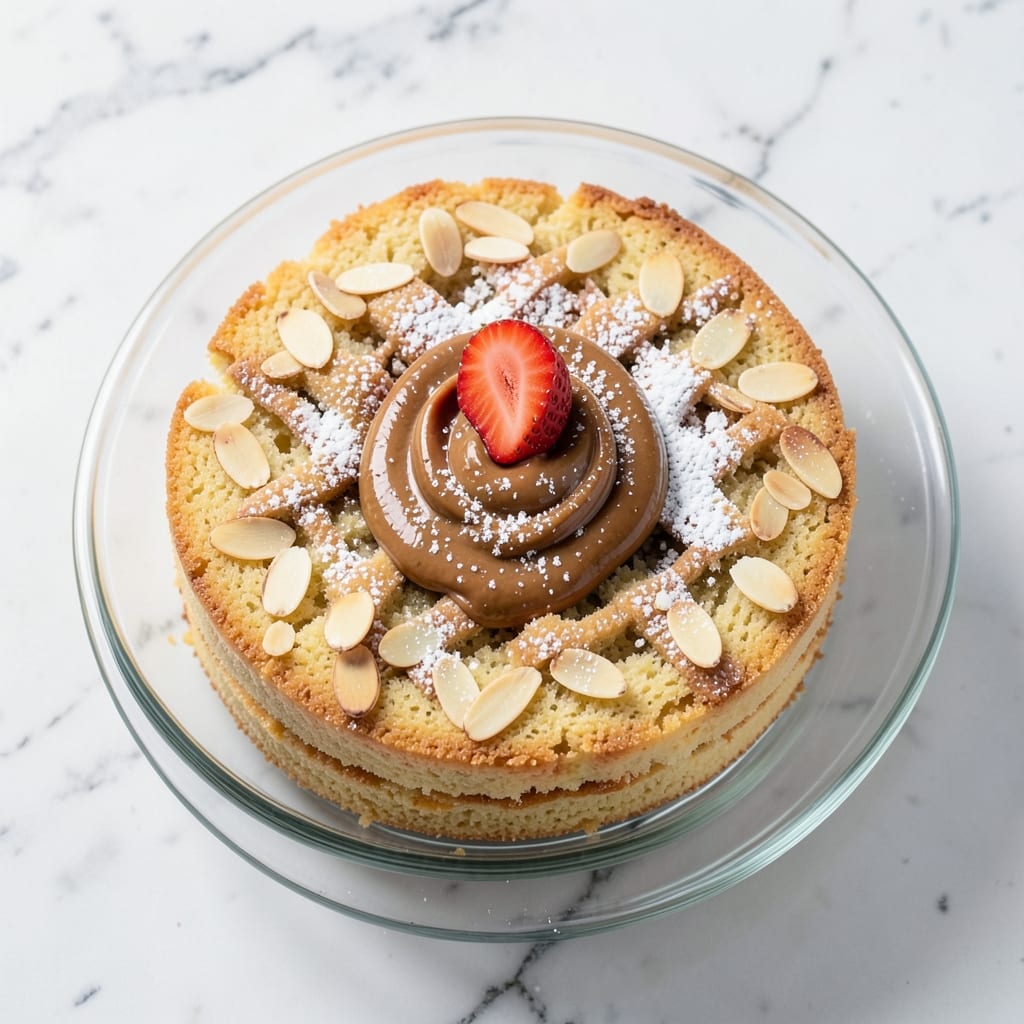
This 7-Up cake recipe with cake flour delivers the perfect balance of citrusy zing and ultra-moist layers that disappear in every bite. The secret lies in using cake flour for tender crumbs and 7-Up soda for a light, airy texture that’s impossible to resist. I’ve perfected this recipe over years of baking, ensuring each slice stays perfectly moist without drying out—no one will guess it’s made with soda instead of milk.
The cake flour creates a delicate, velvety texture that’s lighter than all-purpose flour, while the 7-Up adds a subtle citrus brightness that cuts through the sweetness. Baking at 350°F for 25-30 minutes guarantees golden layers with just the right set. This isn’t your average soda cake—it’s a foolproof method for a dessert that’s both nostalgic and refined, perfect for birthdays or anytime you crave a slice of happiness.
What makes this recipe stand out is how the 7-Up reacts with the baking powder, creating tiny air pockets that keep the cake tender for days. The result? A moist, citrus-kissed cake that’s fluffy yet sturdy enough to hold frosting or fruit toppings without falling apart. Whether you’re a seasoned baker or just starting out, this recipe delivers restaurant-quality results with minimal effort.
Pair it with a simple vanilla buttercream or fresh berries to elevate it further. The beauty of this cake is in its versatility—serve it warm with ice cream for a decadent treat or at room temperature for a classic slice. Here’s everything you need to make it happen.
Ingredients for 7 up cake recipe with cake flour
Cake flour and 7-Up create the perfect citrusy, ultra-moist cake layers you'll crave again and again.
| Ingredient | Amount | Notes |
|---|---|---|
| All-Purpose Flour 🌾 | 1 ½ cups | For measuring cake flour substitute |
| Cake Flour 🍰 | 2 ½ cups | Light, airy texture essential |
| Granulated Sugar 🍚 | 2 cups | White or light brown preferred |
| 7-Up Soda 🥤 | 1 cup | Room temperature for best results |
| Unsalted Butter 🧈 | 1 cup | Softened to room temperature |
| Large Eggs 🥚 | 3 whole | Room temperature for even baking |
| Vanilla Extract 🌸 | 2 tsp | Pure extract preferred |
| Baking Powder 🧂 | 2 tsp | Diamond Crystal preferred |
| Salt 🧂 | ½ tsp | Fine sea salt preferred |
| Lemon Zest 🍋 | 1 tbsp | Freshly grated for brightness |
| Lemon Juice 🍋 | 2 tbsp | Freshly squeezed |
The cake flour is non-negotiable here—it creates that signature tender crumb that all-purpose flour can't match. Bob's Red Mill or King Arthur brands are my go-to for consistent results, but any quality cake flour will work. The 7-Up should be room temperature (pop it in the fridge for 20 minutes if it's cold), as cold soda can cause uneven baking. For the butter, Land O'Lakes unsalted is my standard, but any brand will do as long as it's softened to room temperature. Fresh lemon zest and juice are key for that bright citrus punch—don't use bottled juice, it lacks the freshness.
No cake flour? Mix 1.5 cups all-purpose flour with 2 tbsp cornstarch to approximate the texture, though your cake won't be quite as tender. Running out of 7-Up? Sprite or lemon-lime soda works in a pinch, but you'll lose some of that signature citrus brightness. The vanilla extract can be swapped for vanilla bean paste if you're feeling fancy, though pure extract is more accessible. For the baking powder, Diamond Crystal is my preferred brand because it's lighter and more reliable than the double-acting versions. If you only have baking soda, you'll need to add 1/4 tsp cream of tartar to mimic the reaction, but it won't be exactly the same.
This cake stays moist for 4-5 days when stored in an airtight container at room temperature, making it perfect for prep-ahead desserts. For longer storage, wrap tightly and freeze for up to 3 months. The buttercream or frosting of your choice can be added the day before serving—it actually tastes better after the flavors meld. If you're freezing the cake unfrosted, wrap each layer individually with parchment paper between them to prevent sogginess.
Why You'll Love This Recipe
- No Mixer Needed: Mixing this batter is ridiculously simple—just fold the cake flour and all-purpose flour into the butter and sugar, then pour in the 7-Up. The soda does all the work, creating airy pockets without a single whisk stroke. (Yes, even on a Tuesday night when you’re exhausted.)
- Citrus-Kissed Magic: That first sip of 7-Up’s lemon-lime fizz translates into a bright, tangy cake that’s neither too sweet nor cloying. The cake flour keeps it tender, while the butter adds just enough richness—like a nostalgic hug in dessert form.
- Party in a Box: This cake is my go-to for birthdays, potlucks, or even a spontaneous dessert craving. Slice it into squares for easy serving, or layer it with whipped cream for a showstopper that costs half as much as a bakery version.
- Leftovers? Better.: The texture stays moist for days, so you can bake one batch and enjoy it over a week. Honestly, I’ve had this cake three days out of the fridge, and it’s still begging for another slice—proof that simplicity and flavor don’t expire.
Step-by-step instructions for 7-Up cake with cake flour
This method delivers a perfectly moist, citrus-infused cake with tender layers every time.
Cream Butter and Sugar Together
In a large mixing bowl, combine the 1 cup unsalted butter and 2 cups granulated sugar. Using an electric mixer on medium speed, beat until the mixture becomes light and fluffy, about 3-5 minutes. You'll notice the butter and sugar blend into a thick, pale yellow cream—this step incorporates air that creates the cake's signature tenderness.
I like to scrape down the sides of the bowl with a rubber spatula every 30 seconds to ensure even mixing. The mixture should nearly double in volume and leave clean streaks on the bowl when the beaters are lifted. This creaming process is critical for the cake's moisture and structure, so don't rush it.
Add Eggs and Citrus Flavors
Add the 3 whole large eggs, one at a time, mixing well after each addition until fully incorporated. Then stir in the 2 tablespoons lemon juice and 1 tablespoon lemon zest, followed by the 2 teaspoons vanilla extract. The mixture will look slightly curdled at first, but keep mixing until smooth.
Here's where the citrus comes alive—the lemon juice adds brightness while the zest provides that aromatic punch. I always use freshly grated zest because dried zest lacks that vibrant flavor. Mix just until combined to avoid over-developing the gluten in the flour we'll add next.
Combine Dry Ingredients
In a separate bowl, sift together the 2.5 cups cake flour, 1.5 cups all-purpose flour, 2 teaspoons baking powder, and 0.5 teaspoon salt. This ensures no lumps remain in your batter. Gradually add the dry ingredients to the wet mixture, mixing on low speed just until combined—you should still see small streaks of flour.
Overmixing develops gluten, which leads to tough cake. I like to use a spatula to gently fold the dry ingredients into the wet mixture by hand at this stage to maintain the delicate texture. The batter should be smooth but slightly thick, similar to heavy pudding.
Incorporate the 7-Up Soda
Pour the 1 cup room temperature 7-Up Soda into the batter in a slow, steady stream while mixing on low speed. The soda will react with the baking powder, creating tiny air pockets that give this cake its signature lightness. Stop mixing immediately after all the soda is incorporated—you want to preserve those air bubbles.
This is the moment that matters: the soda's carbonation creates that signature tender crumb. I always use room temperature soda because cold soda won't react as effectively with the baking powder. The batter will look slightly thinner but should still hold its shape when spooned.
Bake to Golden Perfection
Preheat your oven to 350°F and grease three 8-inch round cake pans (or line with parchment paper). Divide the batter evenly among the pans and smooth the tops. Bake for 25-30 minutes or until a toothpick inserted in the center comes out clean. The cake should spring back slightly when gently pressed in the center.
I recommend checking the cake at the 20-minute mark—ovens vary, and you want the cake to be just set but still moist. Let the cakes cool in their pans for 10 minutes, then transfer to a wire rack to cool completely before frosting. The cooling process allows the cake to set properly while maintaining that ultra-moist texture.
Pro Tips For Making 7 Up Cake Recipe With Cake Flour
- Measure Soda Last: Pour the 7-Up into the dry ingredients after mixing everything else—otherwise, the bubbles will fizz out before they can lighten your batter. I learned this the hard way when my first batch turned dense as a brick.
- Sift Cake Flour Twice: Cake flour is already fine, but give it a second sift with the all-purpose flour to break up any clumps. This keeps your crumb tender—no one wants a cake that fights back with texture.
- Butter at Room Temp: Cold butter makes tunnels; melted butter sinks. Let it sit in a warm bowl for 10 minutes until it’s soft but still holds shape. Your cake’s layers will thank you—no greasy surprises here.
- Don’t Overmix: Once the flour and sugar are combined, mix just until barely homogenous—about 10 strokes. Overdoing it develops gluten, and your cake will turn out tougher than a boot heel. Stop when you see streaks of flour, not a uniform color.
Common mistakes when making this dish
Overmixing the Batter
This is the #1 mistake that turns tender cake into dense brick. Once you've combined all the dry ingredients, mix only until just combined—about 10-15 seconds on low speed. Overmixing develops gluten, which creates a tough, chewy texture instead of that signature light, fluffy crumb. I've ruined many cakes by mixing too long, so I now use a hand mixer on low speed and stop immediately when small streaks of flour disappear. 🍰
Cold Soda Substitution
Never use cold 7-Up straight from the fridge! The carbonation reacts differently with baking powder when cold, leading to uneven rise and potential sinking in the center. Always let your soda sit at room temperature for at least 30 minutes before using. If you're in a hurry, place the can in warm water for 10 minutes to speed up the process. The temperature difference makes a surprisingly big impact on texture.
Incorrect Pan Preparation
Skipping proper pan preparation is a surefire way to end up with a cake that sticks or bakes unevenly. Always grease your 8-inch round pans thoroughly with butter or baking spray, then line the bottoms with parchment paper circles. I like to use Wilton non-stick spray for extra insurance against sticking.
Skipping the Cooling Step
Cutting into your cake too soon is a cardinal sin that leads to collapsed layers and lost moisture. Always let your cakes cool in their pans for 10 full minutes before transferring to a wire rack. This initial cooling period allows the cake to set properly while still in the pan. Then cool completely on the rack before frosting. I've seen many cakes fall apart because someone couldn't wait to dig in—patience here makes all the difference for that perfect slice.
Using Wrong Flour Ratio
The cake flour to all-purpose flour ratio is critical for that signature tender crumb. Using too much all-purpose flour will make your cake dense and dry. The recipe calls for 2.5 cups cake flour to 1.5 cups all-purpose flour—this ratio creates the perfect balance of structure and tenderness. If you must substitute, remember that 1 cup all-purpose flour = 1 cup minus 2 tbsp cake flour. The substitution isn't perfect, but it gets you closer to the right texture when cake flour isn't available.
Overbaking the Cake
Every oven is different, but most home ovens run hotter than their thermostat setting. I recommend checking your cake at 20 minutes and again at 25 minutes—it's better to pull it out slightly underbaked than to let it dry out. A properly baked 7-Up cake should spring back gently when pressed in the center and have a toothpick come out with just a few moist crumbs (not wet batter). The cake will continue cooking for a few minutes after removal from the oven, so don't wait until it's completely set before pulling it out.
Nutrition facts
Frequently asked questions
Can I substitute Sprite or lemon-lime soda for 7-Up?
Yes, but you'll lose some of that signature citrus flavor. Sprite works in a pinch, though it's slightly sweeter. For best results, use 1 cup lemon-lime soda (like Sprite or 7-Up's generic version) and add an extra 1 teaspoon lemon zest to compensate for the missing 7-Up's unique flavor profile. The texture will be similar, but the taste won't be identical.
How do I make this recipe without cake flour?
Mix 1.5 cups all-purpose flour with 2 tablespoons cornstarch to approximate cake flour's texture. However, your cake won't be quite as tender—this substitution works best when you're in a bind. For even better results, use 1 cup all-purpose flour minus 2 tablespoons per cup of cake flour called for in the recipe.
Why does my 7-Up cake sink in the middle?
This usually happens when the soda is too cold or the oven isn't hot enough. Always use room temperature 7-Up and preheat your oven to 350°F for 15 minutes before baking. If your oven runs hot, reduce the temperature to 340°F. Also, check for doneness at 20 minutes—overbaking causes sinking too.
Can I bake this cake in a single 9-inch pan instead of three 8-inch pans?
No, this recipe is designed for three 8-inch layers to create the perfect height-to-width ratio. A 9-inch pan would make the cake too short and potentially dense. If you want a single-layer cake, reduce the batter to fit one 8-inch pan (about 1/3 of the recipe) and bake for 20-25 minutes.
How long does this cake stay fresh?
This cake stays moist for 4-5 days when stored in an airtight container at room temperature. For longer storage, wrap tightly and freeze for up to 3 months. Thaw overnight in the fridge before serving. The cake flour and 7-Up combination keeps it fresher longer than traditional cakes.