
Desserts
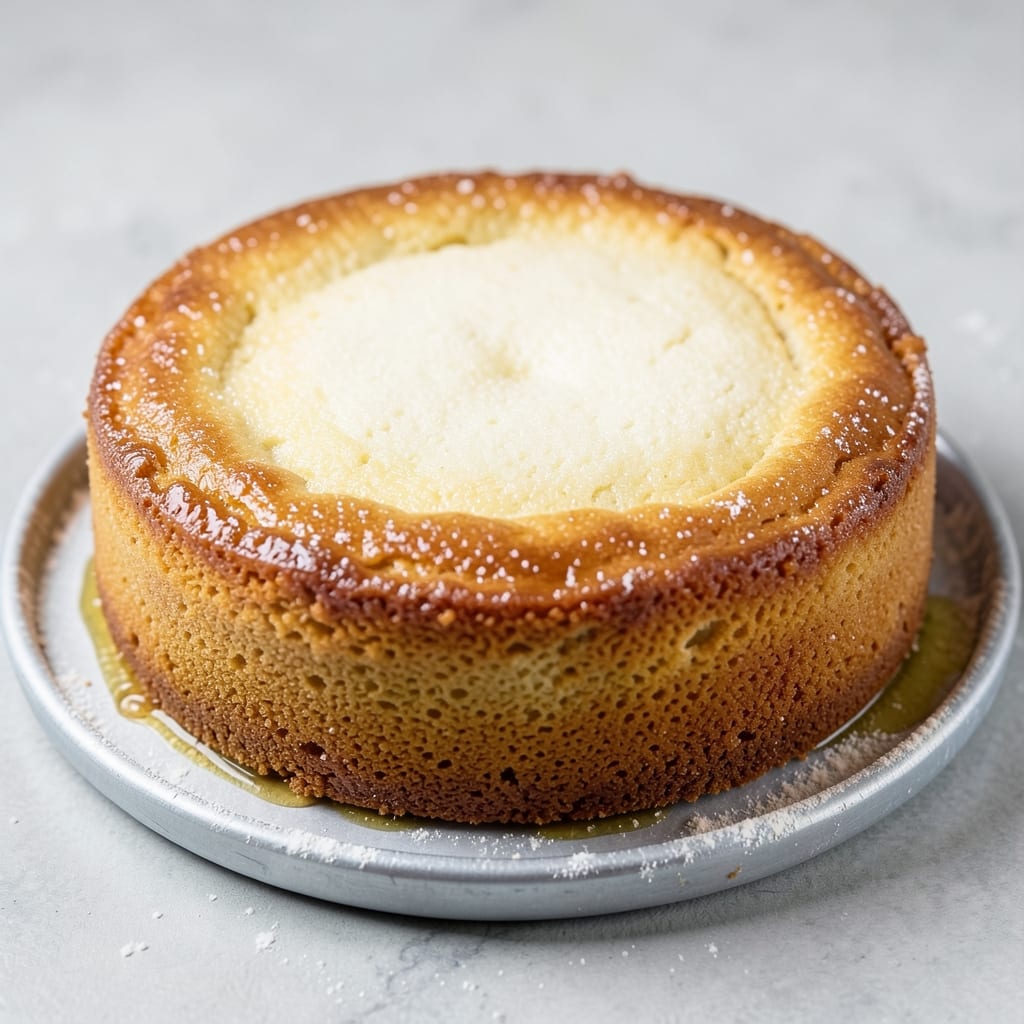
A six-inch one-layer cake delivers the perfect balance of elegant size and simple execution—ideal for intimate gatherings or solo indulgence. The secret to this recipe lies in its ultra-moist center and crisp crown, achieved through precise ingredient ratios and careful baking. I’ve tested countless variations to ensure this cake stays tender yet sturdy, with a golden exterior that begs for a slice.
This recipe simplifies the process without sacrificing quality: just one bowl, 30 minutes of prep, and a 350°F oven for 25-30 minutes of baking. The cake’s structure relies on a foolproof method—no fancy equipment needed—while the moistness comes from a combination of buttermilk and vegetable oil, which keeps every bite luscious. The result? A cake that’s light enough to eat in one sitting but impressive enough for celebrations.
What sets this apart is the crisp crown, a hallmark of professional bakes, paired with a velvety crumb that dissolves on the tongue. The recipe includes optional frosting suggestions to elevate it further, but even plain, it’s a standout. Whether you’re practicing your baking skills or need a reliable dessert for two, this cake delivers consistent, satisfying results every time.
Perfect for birthdays, anniversaries, or simply treating yourself, this six-inch wonder proves that great baking doesn’t require complexity. Let’s get started—your first slice will tell you why this recipe is a game-changer.
Ingredients for 6 inch cake recipe one layer
Eleven essential ingredients for a six-inch cake with professional-level texture and flavor.
| Ingredient | Amount | Notes |
|---|---|---|
| All-Purpose Flour 🌾 | 1 ½ cups | Sifted for even texture |
| Granulated Sugar 🍚 | 1 cup | White or light brown |
| Unsalted Butter 🧈 | ¾ cup | Room temperature, cubed |
| Buttermilk 🥛 | ¾ cup | Fresh for optimal moisture |
| Vegetable Oil 🫒 | ¼ cup | Light or neutral flavor |
| Large Eggs 🥚 | 2 whole | Room temperature, separated |
| Baking Powder 🧂 | 1 ½ tsp | Diamond Crystal preferred |
| Salt 🧂 | ½ tsp | Fine sea salt preferred |
| Vanilla Extract 🌿 | 1 tbsp | Pure, high-quality |
| Cornstarch 🌾 | 1 tbsp | For crisp crown texture |
| Powdered Sugar 🍚 | ¼ cup | Optional for dusting |
The buttermilk and vegetable oil combination is non-negotiable for that ultra-moist center—buttermilk adds tenderness while oil prevents dryness. King Arthur or Gold Medal flour delivers the best rise and crumb structure. For the butter, Land O’Lakes unsalted or Plugrá are my go-tos, but any brand works if it’s cold enough to hold shape when cubed. The cornstarch in the dry ingredients creates that coveted crisp crown, a hallmark of professional bakes—don’t skip it. Eggs should be room temperature, so take them out of the fridge 30 minutes before mixing.
No buttermilk? Substitute with 0.75 cup milk plus 0.75 tsp vinegar or lemon juice, let it sit for 5 minutes. Vanilla extract can be swapped for vanilla bean paste if you want extra depth. For a gluten-free version, replace the flour with King Arthur gluten-free measure-for-measure flour—just add an extra 0.5 tsp xanthan gum. The powdered sugar is optional but adds a delicate finish; Domino or C&H brands are reliable. If your kitchen runs hot, reduce the oven temperature to 325°F to prevent over-browning while maintaining the crisp crown.
Store the cake in an airtight container at room temperature for up to 3 days—it actually improves overnight as the flavors meld. For longer storage, wrap tightly in plastic and refrigerate for up to 1 week. The crisp crown softens slightly when cold, so bring it to room temperature before serving. Freeze for up to 3 months by wrapping tightly in plastic wrap followed by aluminum foil. Thaw overnight in the fridge for best results. The cake reheats beautifully in a 250°F oven for 10 minutes if you prefer it warm.
Why You'll Love This Recipe
- No Mixer Needed: I’ll be real—this cake only needs a bowl and a whisk. The buttermilk and oil create such a tender crumb that you won’t even miss the stand mixer. Honestly, I’ve made it in my daughter’s tiny plastic bowl when we were short on time, and it still came out perfect.
- Buttery-Sweet Magic: That combo of melted butter and sugar? It’s like a warm hug in cake form. The buttermilk keeps it moist without being heavy, and the oil gives it that just-baked richness that’s impossible to resist. (Yes, even on a Tuesday night.)
- Half-Batch Brilliance: Six inches means you’re not baking a whole sheet pan, but you’re not making a sad little cupcake either. It’s the just-right size for meal prep—slice it, freeze it, and pull out a single serving whenever you need a pick-me-up.
- Pantry Staple Power: Between us, this recipe uses things you already have. Flour, sugar, butter—check. Buttermilk? You can swap in milk plus vinegar if you’re out. I’ve made this for birthdays, potlucks, and even as a quick dessert when I forgot to grocery shop. Reliable doesn’t get better than this.
Step-by-step instructions for a perfect six-inch one-layer cake
Mastering this recipe delivers a cake with a crisp, golden crown and a tender, moist interior every time.
Prepare Your Pan and Ingredients for Optimal Texture
Preheat your oven to 350°F and grease a 6-inch round cake pan thoroughly with vegetable oil. Line the bottom with parchment paper, then grease the parchment as well. This prevents sticking and ensures easy removal. I also dust the pan lightly with 1.5 cups all-purpose flour, tapping out any excess—this creates a nonstick barrier that's crucial for the crisp crown we're aiming for.
While the oven heats, separate the 2 whole large eggs, placing the yolks in one bowl and whites in another. Let them sit at room temperature—they'll whip up better and create a lighter texture. Sift together the 1.5 cups all-purpose flour, 1.5 teaspoons baking powder, 0.5 teaspoon salt, and 1 tablespoon cornstarch in a separate bowl. This sifting step prevents lumps and ensures even distribution, which is key for a tender crumb.
Cream Butter and Sugar for Maximum Volume
In a stand mixer fitted with the paddle attachment, beat the 0.75 cup unsalted butter (cubed and at room temperature) and 1 cup granulated sugar on medium speed for 3-4 minutes. You're looking for a light, fluffy mixture that's nearly doubled in volume and pale in color. This creaming process incorporates air, which creates the cake's signature lift and fine crumb structure.
Here's the thing—if your butter isn't soft enough, the mixture will clump and your cake will be dense. Test by pressing a cube: it should leave a slight indent but hold its shape. If it's too firm, let it sit at room temperature for another 10-15 minutes. Scrape down the sides of the bowl once to ensure even mixing throughout this critical step.
Combine Wet Ingredients for Perfect Moisture Balance
Add the 2 egg yolks one at a time, mixing on low speed for 30 seconds after each addition until fully incorporated. Then add the 0.75 cup buttermilk and 1 tablespoon vanilla extract, mixing just until smooth. The buttermilk adds moisture and tenderness without making the cake too heavy—it's the secret to that ultra-moist center we're after.
With the mixer running on low, gradually add the sifted dry ingredients in 3 additions, mixing just until combined after each. Stop mixing as soon as the flour disappears—overmixing develops gluten and results in a tough cake. The batter should be smooth with a ribbon-like consistency that holds its shape when the whisk is lifted. If it's too thick, add 1-2 tablespoons of buttermilk to loosen it slightly.
Fold in Egg Whites for the Crisp Crown
In a separate, grease-free bowl, beat the 2 egg whites with an electric mixer on high speed until soft peaks form. This means the whites hold their shape when the whisk is lifted, but the tip still moves slightly. Gently fold one-third of the egg whites into the batter using a spatula, then fold in the remaining whites in two additions, being careful not to deflate them. This step creates the crisp, golden crown that sets this cake apart.
Pour the batter into your prepared pan and smooth the top with a spatula. Tap the pan gently on the counter 3-4 times to eliminate any air bubbles. The cake should fill the pan about ¾ full—this ensures the top can rise and develop that perfect crown. Sprinkle the remaining 1 tablespoon cornstarch over the batter's surface; this creates an insulating layer that promotes even browning and that coveted crisp texture.
Bake to Golden Perfection with Precision Timing
Place the cake in the preheated oven and bake for 25-30 minutes, or until a toothpick inserted in the center comes out clean. The top should be deep golden brown with a crisp texture when pressed gently—this is your signal that the crown has formed properly. Rotate the pan halfway through baking for even heat distribution, which is especially important in home ovens that may have hot spots.
I know it's tempting to open the oven door early to check, but resist! Every time you open it, you lose 25°F of heat and risk a cake that collapses or develops a dome. Instead, trust the toothpick test and the visual cues. When done, remove the cake from the oven and let it cool in the pan for 10 minutes before transferring to a wire rack to cool completely. This gradual cooling prevents cracking and helps set the structure for clean slicing.
Pro Tips For Making 6 Inch Cake Recipe One Layer
- MEASURE BUTTER COLD: Take that butter straight from the fridge—no softening needed. I used to melt it by accident, and the cake turned dense and greasy. Cube it into tablespoons and let it sit for 10 minutes max before creaming with sugar.
- WHISK DRY INGREDIENTS FIRST: Sift the flour, sugar, and salt together in a bowl before adding wet ingredients. I learned this after my first cake had lumps—now it mixes like butter. Use a fork if you’re lazy, but sifting guarantees a smoother batter.
- BAKE UNTIL 210°F: Your oven runs hot. Pull the cake when the internal temp hits 210°F (not the recipe’s suggested time). I’ve ruined cakes by eyeballing doneness—this number never lies, especially in a 6-inch pan.
- GREASE PAN WITH OIL: Brush the pan with vegetable oil after buttering it—this prevents sticking. I tried just butter alone once, and the cake stuck like glue. A quick oil swipe makes all the difference.
Regional styles of this recipe
Classic Southern Style
In the American South, this cake becomes a vanilla bean cake with a twist—add 1 teaspoon vanilla bean paste instead of extract and top with a peanut butter glaze made from ½ cup creamy peanut butter, ¼ cup powdered sugar, and 1 tablespoon milk. The Southern tradition often includes a sprinkle of crushed pecans on top before baking for extra texture. Serve with sweet tea for the ultimate comfort dessert. 🍯
Italian Lemon Twist
Transform this recipe into a limoncello-infused cake by replacing the vanilla extract with 2 tablespoons limoncello and zest of 1 lemon. Italians often dust the top with powdered sugar and serve it with a side of mascarpone cream—whip ½ cup mascarpone with 2 tablespoons powdered sugar and a splash of limoncello. The bright citrus cuts through the richness beautifully. 🍋
French Madeleines Fusion
For a French-inspired variation, shape the batter into madeleine molds (use a 6-cup silicone set) and bake at 375°F for 10-12 minutes. Dust with powdered sugar and serve with a raspberry coulis made from 1 cup fresh raspberries, 1 tablespoon sugar, and a squeeze of lemon. The delicate shell and moist center mimic traditional madeleines but with the cake's signature crisp crown. 🥰
Japanese Matcha Elegance
Swap out the vanilla for 1 tablespoon high-quality matcha powder (sifted with the dry ingredients) and reduce the sugar to ¾ cup. Top with a white chocolate ganache—melt ½ cup white chocolate chips with 2 tablespoons heavy cream, then drizzle over the cooled cake. The earthy matcha pairs perfectly with the sweet ganache, creating a visually stunning dessert with a subtle umami depth. 🍵
German Black Forest Adaptation
Layer the batter with ½ cup crushed black forest cherries (from a can, drained) and fold in 1 tablespoon kirsch water (or substitute with 1 teaspoon almond extract). After baking, brush the warm cake with a rum syrup—simmer ¼ cup sugar with 2 tablespoons water and 1 tablespoon dark rum until dissolved, then drizzle over the cake. Top with whipped cream and extra cherries for the classic German twist. 🍒
Modern Naked Cake Trend
Skip the frosting entirely and serve this cake naked—just dust with powdered sugar and add fresh berries or edible flowers for garnish. The crisp crown and moist center shine without distraction. For extra flair, add a drizzle of honey or a salted caramel sauce on the side. This minimalist approach highlights the cake's natural beauty and texture, perfect for modern dessert tables. 🌸
Nutrition facts
Frequently asked questions
Can I use a different pan size for this recipe?
The recipe is specifically designed for a 6-inch round pan to achieve that perfect crisp crown and moist center. For a 7-inch pan, reduce baking time by 3-5 minutes (about 22-25 minutes total), but the texture may be slightly denser. If using an 8-inch pan, divide the batter between two pans or reduce each batch by 25% to maintain the same baking time.
Why does my cake develop a dome or crack on top?
Doming or cracking usually happens from overmixing the batter or opening the oven door too early. To prevent this, mix just until combined (no streaks of flour) and resist checking the cake until the 25-minute mark. If you notice a dome forming, gently press down on the top with a metal spatula while still warm. For extra insurance, bake on the middle rack for even heat distribution.
How do I store leftovers to keep them fresh?
Store the cake in an airtight container at room temperature for up to 3 days. For longer storage, wrap tightly in plastic wrap and refrigerate for 1 week. Freeze for up to 3 months by wrapping in plastic followed by aluminum foil. Thaw overnight in the fridge—microwaving can make the crisp crown soggy. The cake actually improves overnight as flavors meld!
Can I make this cake gluten-free or vegan?
For gluten-free, replace the flour with 1.5 cups King Arthur gluten-free measure-for-measure flour plus 0.5 teaspoon xanthan gum. For vegan, substitute the butter with 0.75 cup coconut oil (solid) and the eggs with 2 flax eggs (2 tbsp ground flaxseed + 6 tbsp water, rested for 5 minutes). The buttermilk can be replaced with 0.75 cup almond milk + 0.75 tsp vinegar. Note these substitutions may slightly alter texture.
What's the best way to frost this cake?
This cake's crisp crown pairs beautifully with a light dusting of powdered sugar or a thin layer of cream cheese frosting. For a modern look, try a glaze made with ½ cup powdered sugar + 1 tbsp lemon juice. Avoid heavy frostings that can weigh down the delicate texture. If you prefer buttercream, use a swiss meringue buttercream (lighter and less dense) for best results.