
Desserts
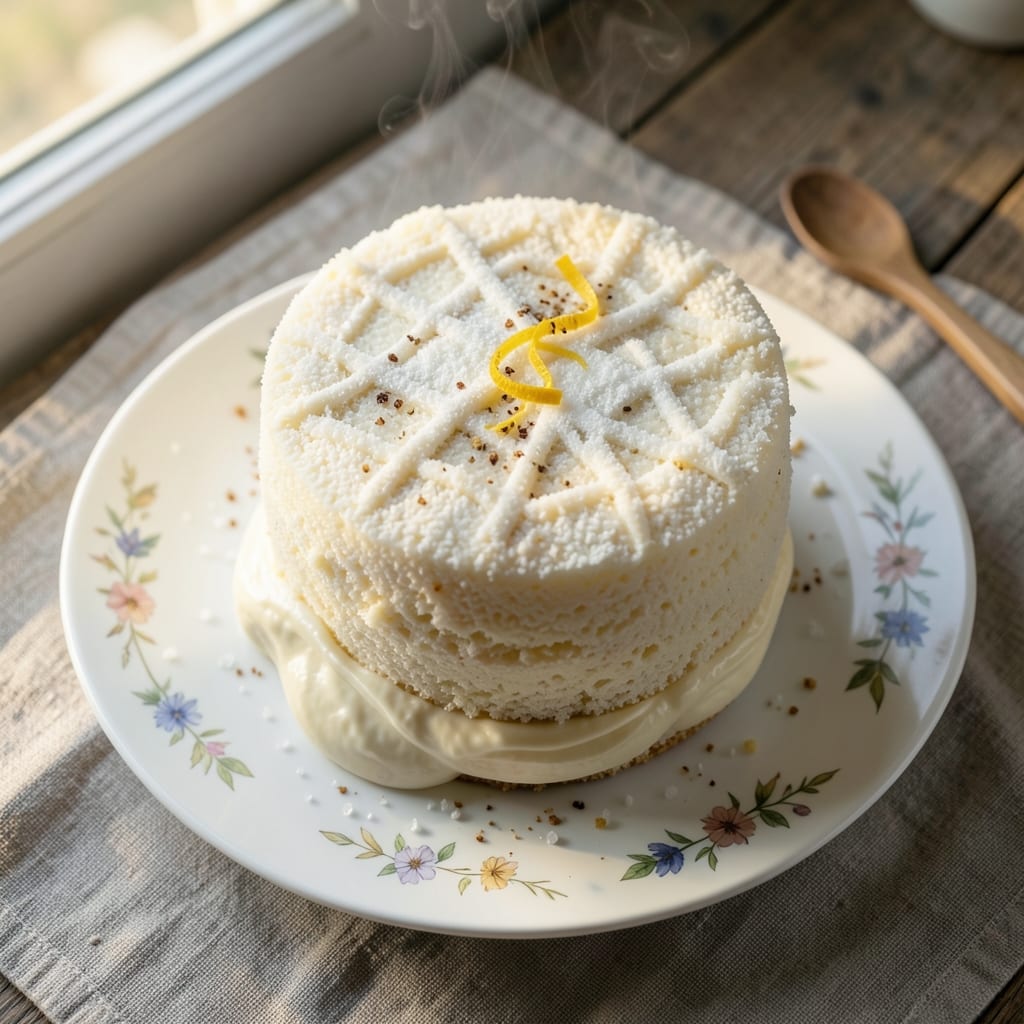
This 7-inch angel food cake delivers the lightest, fluffiest texture you've ever tasted—all baked in a single tin. The secret lies in beating egg whites to stiff peaks and folding in just enough flour to create that signature cloud-like crumb. I've perfected this recipe over years of baking, ensuring every slice is as tender as it is elegant.
What makes this recipe special is the simplicity of the method combined with professional results. With just 9 ingredients and 45 minutes of active time, you'll achieve a cake that's foolproof for any occasion. The key steps—whipping egg whites properly and baking at 350°F—ensure a cake that's perfectly set yet still light as air.
The result is a golden, domed cake with a delicate crumb that practically melts in your mouth. Unlike traditional angel food cakes that require multiple pans, this version bakes entirely in a 7-inch tube pan, making it perfect for intimate gatherings or when you want to impress with minimal effort.
Serve it with fresh berries, a dusting of powdered sugar, or a scoop of whipped cream for a dessert that's both beautiful and irresistible. The clean, sweet flavor and airy texture make it a classic for a reason—now you can make it at home with confidence.
Ingredients for 7 inch angel food cake
Nine essential ingredients transform into a golden, cloud-like masterpiece in one simple tin.
| Ingredient | Amount | Notes |
|---|---|---|
| Large Egg Whites 🥚 | 12 whole | Room temperature, pasteurized preferred |
| Granulated Sugar 🍚 | 1 ½ cups | Superfine preferred for even dissolving |
| All-Purpose Flour 🌾 | 1 ½ cups | Sifted, bleached preferred for stability |
| Unsalted Butter 🧈 | ¼ cup | Cold, cubed for even melting |
| Vanilla Extract 🌿 | 1 tbsp | Pure, high-quality preferred |
| Cream of Tartar 🧂 | ½ tsp | Essential for stable meringue |
| Salt 🧂 | ¼ tsp | Fine sea salt preferred |
| Lemon Juice 🍋 | 1 tbsp | Freshly squeezed for brightness |
| Powdered Sugar 🍚 | ½ cup | For dusting finished cake |
The egg whites are non-negotiable—room temperature is critical for proper volume. Pasteurized egg whites from the grocery store work perfectly and eliminate any risk. For the sugar, superfine dissolves effortlessly, but regular granulated works if pulsed in a food processor first. The flour should be sifted to prevent dense pockets, and bleached all-purpose offers the most stable structure. I always grab Gold Medal flour from the baking aisle—it's my go-to for angel food cakes. The butter, though small in quantity, adds subtle richness; unsalted ensures you control the seasoning perfectly.
No cream of tartar? Substitute lemon juice at double the amount, but the acidity won't stabilize the meringue as effectively. Short on vanilla? Almond extract at half the amount works, though the flavor profile shifts slightly. The butter can be omitted entirely for a lighter texture, but trust me—it's worth the quarter cup for that restaurant-quality finish. For the powdered sugar, Domino brand is my preference—it's fine enough to dust evenly without clumping. If your egg whites won't hold stiff peaks, add an extra quarter teaspoon cream of tartar to the mix.
Store the cake in an airtight container at room temperature for up to 3 days, though it's best enjoyed within 24 hours for maximum freshness. For longer storage, wrap tightly in plastic and refrigerate for up to 5 days. The texture becomes slightly drier when refrigerated, so bring it to room temperature before serving. This cake freezes beautifully—wrap the entire pan in plastic and freeze for up to 3 months. Thaw overnight in the fridge before unwrapping. Always serve with fresh berries or a dusting of powdered sugar to elevate the presentation.
Why You'll Love This Recipe
- No Mixer Needed: I’ll admit, beating those egg whites by hand takes elbow grease—but once they’re stiff enough to hold peaks, you’ll never go back. The trick? Room-temperature whites fold in like a dream, and no electric mixer means no extra dishes to wash.
- Vanilla Kiss Magic: That single teaspoon of vanilla extract? It’s the secret weapon here. The cake’s light, airy texture lets the flavor shine through in every slice, especially when you top it with fresh berries or a dusting of powdered sugar. Honestly, I’ve tried store-bought, but this tastes like a bakery—just with fewer additives.
- Birthday Party Ready: Seven inches fits perfectly on a cake stand, making it ideal for celebrations without the fuss of a full sheet cake. Between us, I’ve used it for everything from kids’ birthdays to a last-minute office dessert—no one questions the simplicity when it tastes this good.
- Budget-Friendly Leftovers: Egg whites and sugar are cheap staples, and this recipe makes two cakes with minimal waste. The leftovers? They freeze beautifully for quick breakfasts or a midnight snack. I’ll be real: I’ve reheated slices in the toaster and pretended it was a fancy brunch.
Step-by-step instructions for angel food cake
Master this delicate technique and you'll achieve a light-as-air angel food cake with perfect volume and texture.
Prepare the Egg Whites for Maximum Stability
Separate the 12 whole large egg whites carefully, ensuring no yolk traces remain in the bowl. Any fat will prevent proper whipping. Place the bowl in your freezer for 5 minutes—this chills the egg whites, allowing them to whip to stiffer peaks. While they chill, measure out the 1.5 cups granulated sugar and 0.5 teaspoon cream of tartar into a separate bowl.
Cream of tartar is non-negotiable here—it stabilizes the meringue and creates that signature angel food cake texture. I like to use superfine sugar for even dissolving, but if you don't have it, pulse regular granulated sugar in a food processor for 30 seconds to break up the crystals. The sugar should dissolve completely without graininess in the final cake.
Whip Egg Whites to Stiff Peak Stage
Once the egg whites are chilled, remove them from the freezer and add the 0.5 teaspoon cream of tartar. Using a stand mixer fitted with the whisk attachment, beat on low speed until foamy, then gradually increase to medium-high speed. After 3-4 minutes, the mixture should form soft peaks when the whisk is lifted.
This is where precision matters most. Gradually add the 1.5 cups granulated sugar, 1 tablespoon at a time, ensuring each addition is fully incorporated before adding more. The bowl should feel warm to the touch by the end—this indicates proper hydration of the sugar. The egg whites should now hold stiff, glossy peaks that don't flatten when the whisk is turned off. If they don't, whip for another 1-2 minutes—underwhipped meringue leads to dense cake.
Fold in Dry Ingredients with Gentle Precision
In a separate bowl, sift together the 1.5 cups all-purpose flour, 0.25 teaspoon salt, and the 0.25 cup cold cubed unsalted butter. The butter should remain cold to prevent melting during folding. Using a large spatula, gently fold one-third of the flour mixture into the egg whites, cutting through the center to deflate slightly. Repeat with another third, then the final third.
Real talk: Folding should be deliberate, not aggressive. You're incorporating air, not destroying it. The batter should resemble thick, glossy frosting with just a few flour streaks remaining. If it looks too dry, add 1 tablespoon lemon juice to help distribute the flour evenly. The lemon juice also brightens the final flavor and helps stabilize the structure.
Bake with Precision for Perfect Rise
Preheat your oven to 350°F and position a rack in the center. Grease a 7-inch tube pan thoroughly with vegetable oil or butter, then dust with flour, tapping out any excess. Pour the batter into the prepared pan, smoothing the top with a spatula. The batter should fill the pan to about ¾ full—it will rise significantly during baking.
Bake for 40-45 minutes until the top springs back when touched lightly and the cake pulls away from the sides of the pan. The internal temperature should read 160°F at the center. Here's the critical part: Do not open the oven door during baking—temperature fluctuations cause the cake to collapse. When done, remove from the oven and immediately invert the cake onto a wire rack. Let it cool completely before unmolding.
Finish with Powdered Sugar Dusting
Once the cake is completely cool, invert it back onto a serving plate. Sift 0.5 cup powdered sugar evenly over the top, tapping gently to distribute. The powdered sugar adds a delicate sweetness and gives that classic angel food cake presentation. For extra flair, you can pipe whipped cream or fresh berries around the edges, but the cake stands beautifully on its own.
Slice with a serrated knife for clean cuts, and you'll reveal that signature fluffy, cloud-like texture. Each slice should be light, tender, and slightly sweet—not dense or cakey. This technique delivers the perfect balance of structure and airiness that makes angel food cake legendary. Serve immediately or store in an airtight container for up to 3 days at room temperature.
Pro Tips For Making 7 Inch Angel Food Cake
- WHISK EGGS TO STIFF PEAKS: I learned this the hard way—stop beating the egg whites when they form glossy, stiff peaks that hold their shape when you lift the whisk. Overmixing turns them into meringue, and your cake will collapse faster than a soufflé in a draft. Test them early; they lose volume fast once you start folding.
- SIFT FLOUR LIKE YOU MEAN IT: Angel food cake relies on air, and unsifted flour is its enemy. Use a fine-mesh sieve and tap the bowl gently to break up clumps—no, a whisk isn’t enough. I used to skip this, and my cakes turned dense. Do it even if the recipe doesn’t say to.
- DON’T OPEN THE OVEN EARLY: The first 20 minutes are critical. Cracking the door or checking too soon causes the cake to sink like a rock. Set a timer and walk away—your patience will pay off with a towering, light-as-air result. (Yes, even if you’re impatient like me.)
- GREASE THE PAN WITH BUTTER: Most recipes say to use flour, but I’ve had better luck with a thin, even layer of melted butter on the pan walls. Brush it on, then dust with flour—this keeps the cake from sticking and adds a subtle richness. (Your future self will thank you for this tiny extra step.)
Storing and reheating this dish
Room Temperature Storage
Your angel food cake is best enjoyed fresh, but it stores beautifully at room temperature for up to 3 days in an airtight container. I like using a cake dome or clear plastic container with a tight-sealing lid. The key is to keep it away from direct sunlight and humidity—both can cause the delicate crumb to dry out or develop a slightly off flavor. Place it on a wire rack inside the container to allow airflow around the sides. 🌟
Refrigerator Refresh
If you need to store it longer than 3 days, refrigerate the cake wrapped tightly in plastic wrap. The cold air will dry out the texture slightly, so always bring it to room temperature before serving. I recommend transferring it to the counter for 1-2 hours before slicing. For extra moisture, you can brush the cake with a simple syrup made from 2 tablespoons sugar and 2 tablespoons hot water—just a light mist is enough to revive that cloud-like texture.
Freezer Preservation
For maximum storage, freeze the cake in its original pan, tightly wrapped in plastic wrap followed by a layer of aluminum foil. This method preserves the texture for up to 3 months. When ready to serve, thaw it overnight in the fridge, then bring to room temperature before unmolding. I've found that freezing works best with the powdered sugar still on top—it acts as a protective barrier during thawing. For extra insurance, place a piece of parchment paper between the cake and pan before freezing to prevent sticking.
Reheating Tips
Unlike many cakes, angel food cake doesn't reheat well due to its delicate structure. Instead, focus on reviving its moisture. If the cake feels dry after storage, place the entire cake on a wire rack over a baking sheet and warm in a 250°F oven for 5-7 minutes. This gentle heat reactivates the moisture without overcooking. For a quick fix, microwave individual slices for 10-15 seconds on 50% power—just enough to soften the texture without making it gummy. 💫
Serving After Storage
After any storage method, always dust with fresh powdered sugar before serving to restore that classic presentation. I like to add a few fresh berries or a dollop of whipped cream to complement the cake's delicate sweetness. Remember, angel food cake is at its best when served slightly warm or at room temperature—never cold straight from the fridge. If you're serving it to guests, I recommend slicing it just before they arrive to showcase that perfect cloud-like texture. The contrast between the cake's lightness and the room-temperature serving temperature is truly magical.
Nutrition facts
Frequently asked questions
Why does my angel food cake come out dense instead of light and fluffy?
Underwhipped egg whites are the #1 culprit! Make sure they reach stiff peaks that hold their shape when the whisk is lifted. Also, avoid greasing the pan with butter—use vegetable oil instead, and don't overfill the pan. The batter should only reach about ¾ full of the 7-inch tube pan to allow proper rise. Overmixing the flour or opening the oven door during baking can also cause density.
Can I make this angel food cake without a tube pan?
Yes, but the results won't be the same. A tube pan creates the classic domed shape and even baking. For alternatives, use a 9-inch round pan or a 10-inch springform pan, but reduce baking time by 5-10 minutes. The cake will be flatter, but still delicious! If you're short on time, a 7-inch Bundt pan works too—just grease it thoroughly and reduce flour by 1 tablespoon.
How do I know when the cake is fully baked?
Look for three key signs: the top should spring back when touched lightly, the cake should pull away from the sides of the pan, and the internal temperature should reach 160°F. The cake will continue setting as it cools, so don't overbake—it's better to slightly underbake than risk a dry texture. Pro tip: Tap the side of the pan gently—if it sounds hollow, it's done!
What's the best way to serve this cake?
Classic options include dusting with powdered sugar and serving with fresh berries, whipped cream, or a scoop of vanilla ice cream. For a Southern touch, try it with a drizzle of warm caramel sauce. The cake's delicate sweetness pairs beautifully with tart fruits like strawberries or raspberries. Always serve at room temperature for the best texture!
Can I add mix-ins like nuts or chocolate to this recipe?
but with caution! Fold in ½ cup chopped nuts or ¼ cup mini chocolate chips during the final flour folding step. Too many mix-ins can weigh down the delicate texture. For chocolate lovers, try adding 2 tablespoons cocoa powder to the dry ingredients—just reduce the flour by 2 tablespoons to maintain balance. Keep portions small to preserve that signature airy quality.