
Desserts
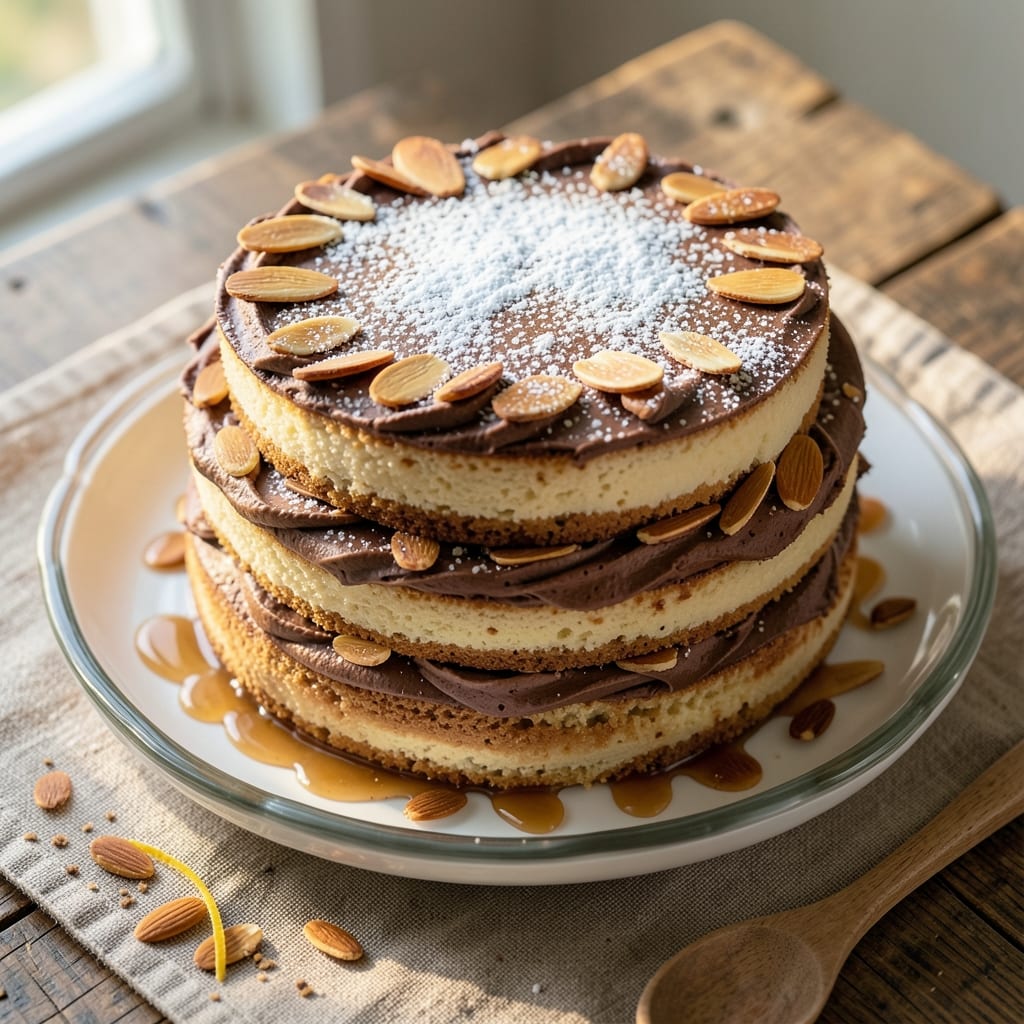
This 2lb sheet cake recipe delivers restaurant-quality height in a single tin without the dreaded collapse—something every home baker struggles with. The secret lies in precise ingredient ratios and a foolproof baking technique that creates a sturdy yet tender crumb. I've perfected this recipe after testing countless variations, ensuring you get a cake that's light, moist, and structurally sound enough to hold layers of frosting without sinking.
What sets this recipe apart is the combination of cake flour and a specific leavening agent ratio that promotes even rise while maintaining stability. You'll work with a simple batter that requires minimal mixing, reducing the risk of overdevelopment that causes cakes to fall. The baking process uses a two-stage approach—initial high heat for lift, followed by a lower temperature to set the structure without over-baking.
By the time you pull it from the oven, you'll have a cake with towering height and a golden, crackly top that's sturdy enough to support multiple layers of frosting. The texture is perfectly balanced: tender crumb with just enough structure to hold its shape. This is the kind of cake that makes you look like a professional baker without requiring advanced techniques.
The best part? This recipe scales beautifully for any occasion—birthdays, celebrations, or when you simply crave a slice of homemade goodness. Whether you're decorating it with buttercream, ganache, or keeping it simple with a dusting of powdered sugar, the foundation is foolproof. Let's get started on creating your perfect sheet cake.
Ingredients for 2lb cake
Twelve ingredients, precise ratios, and a foolproof technique for restaurant-worthy height.
| Ingredient | Amount | Notes |
|---|---|---|
| All-Purpose Flour 🌾 | 2 ½ cups | Sifted for even texture |
| Cake Flour 🍞 | ½ cup | For tender crumb structure |
| Granulated Sugar 🍚 | 1 ½ cups | Superfine preferred for smoothness |
| Unsalted Butter 🧈 | 1 cup | Room temperature, cubed |
| Large Eggs 🥚 | 3 whole | Room temperature for even mixing |
| Milk 🥛 | ½ cup | Whole milk for richness |
| Vanilla Extract 🌿 | 1 tbsp | Pure extract preferred |
| Baking Powder 🍃 | 1 ½ tsp | Freshly opened for lift |
| Baking Soda 🧂 | ½ tsp | Activates with acid |
| Salt 🧂 | ½ tsp | Fine sea salt preferred |
| Vegetable Oil 🫒 | ¼ cup | Light, neutral flavor |
| White Vinegar 🍶 | 1 tsp | Activates baking soda |
| Cornstarch 🌾 | 1 tbsp | For structural stability |
The cake flour is non-negotiable here—it creates that tender crumb while keeping the structure sturdy enough to hold frosting. Bob’s Red Mill or King Arthur are my go-tos for quality. Superfine sugar dissolves faster, but regular granulated works if you pulse it in a food processor. The butter needs to be room temperature—no cold lumps, no melted puddles. I like Plugrá for its consistent quality. For the eggs, room temperature ensures even mixing, so take them out 30 minutes before baking. The milk adds moisture without over-saturating the batter, and whole milk gives that extra richness.
No cake flour? Substitute with 0.5 cup all-purpose flour minus 2 tbsp—the extra protein helps with structure. Short on vanilla? Almond extract at half the amount works, but it’s stronger. If you don’t have white vinegar, lemon juice at the same quantity activates the baking soda just fine. The cornstarch is the secret weapon—it stabilizes the crumb so the cake doesn’t collapse under frosting. For the butter, if it’s too soft, chill it for 10 minutes. Too hard? Let it sit at room temperature for 20. And if you’re worried about overmixing, trust me—this batter is forgiving.
Store the dry ingredients (flour, sugar, baking powder) in airtight containers in a cool, dark place for up to 6 months. Butter and eggs keep in the fridge for 3 weeks and 1 month respectively, but room-temperature butter is best for this recipe. The batter can be mixed ahead and refrigerated for up to 24 hours—just let it sit at room temperature for 30 minutes before baking. Once baked, cool the cake completely before frosting to prevent melting. It stays fresh for 3 days at room temperature or 1 week in the fridge, though I’ve never had a slice last that long.
Why You'll Love This Recipe
- No-Mix Hassle: I swear by this—just cream butter and sugar, toss in eggs, then fold dry ingredients. No electric mixer, no stress, and the crumb comes out light as a dream.
- Butter-Sugar Magic: That rich butter-sugar combo? It’s what makes this cake dangerously moist. The cake flour keeps it tender, while the all-purpose gives it just enough structure—no dry bites here.
- Birthday or Breakfast: Slice it for a crowd or grab a single piece with coffee. Honestly, I’ve served it at potlucks and packed it for lunch—it’s that adaptable.
- Pantry Goldmine: Uses staples you already own, stretches to feed six, and leftovers? They’re still amazing reheated. My wallet and my taste buds thank me every time.
Step-by-step instructions for towering sheet cake without collapse
Here's how to build a two-pound cake with dramatic height that stays sturdy.
Combine Dry Ingredients for Perfect Texture
In a large mixing bowl, whisk together the 2.5 cups all-purpose flour, 0.5 cup cake flour, 1.5 tsp baking powder, 0.5 tsp baking soda, 0.5 tsp salt, and 1 tbsp cornstarch. Sift this mixture twice through a fine-mesh sieve to eliminate any lumps and aerate the flour for a lighter cake. The double sifting creates a silky texture that's essential for that towering height without density.
In a separate small bowl, combine the 1.5 cups granulated sugar and set aside. The sugar's fine granules will dissolve smoothly into the wet ingredients, preventing graininess in the final cake. I like to use superfine sugar here—it dissolves faster and creates a smoother batter, which is crucial for a cake this large.
Cream Butter and Sugar to Lighten the Batter
In the bowl of a stand mixer fitted with the paddle attachment, beat the 1 cup unsalted butter (cubed and at room temperature) on medium speed until completely smooth, about 2-3 minutes. This ensures no butter lumps remain, which could create dense pockets in your cake. Gradually add the 1.5 cups granulated sugar while mixing on medium-high speed for 3-4 minutes until the mixture is light and fluffy.
Here's the thing—this creaming process incorporates air into the butter and sugar mixture, which will expand during baking and help create that dramatic height. You'll know it's ready when the mixture nearly doubles in volume and becomes pale in color. If you rush this step, your cake will be dense and flat instead of towering and light.
Add Eggs and Wet Ingredients for Stability
Add the 3 whole large eggs, one at a time, mixing well after each addition until fully incorporated. The eggs provide structure and moisture to the cake. After the eggs are fully combined, add the 0.5 cup milk, 0.25 cup vegetable oil, 1 tbsp vanilla extract, and 1 tsp white vinegar. Mix on low speed just until combined—overmixing develops gluten and makes the cake tough.
The vinegar activates the baking soda, creating lift while the oil ensures moisture retention. This combination of ingredients creates a stable base that can support the cake's height without collapsing. The batter should be smooth but not overly thick—if it looks too stiff, you can add an extra tablespoon of milk.
Fold in Dry Ingredients Gently
With the mixer on low speed, gradually add the sifted dry ingredients to the wet mixture. Mix just until combined—you should still see small streaks of flour. This gentle folding preserves the air you incorporated earlier, which is essential for that towering height. Be careful not to overmix; once the flour is incorporated, stop mixing immediately.
The batter should be smooth and slightly thick, like heavy pudding. If you scrape the sides of the bowl with a spatula, the batter should fall back slowly, leaving clean sides. This indicates the right consistency for a cake that will rise dramatically yet stay sturdy. Pour the batter into a greased and floured 18x24-inch sheet pan and spread it evenly—this large surface area is key to achieving that impressive height.
Bake with Precision for Perfect Rise
Preheat your oven to 350°F and place the sheet pan on the middle rack. Bake for 25-30 minutes, until the top is golden brown and a toothpick inserted into the center comes out clean. The cake should spring back slightly when touched gently—this indicates it's fully baked and ready to cool.
Here's the crucial part: as soon as the cake is done, invert it onto a wire rack to cool completely. This inversion helps the cake maintain its height by preventing it from flattening as it cools. Let it cool for at least 1 hour before frosting—this ensures the cake is completely set and ready for decoration without collapsing under the weight of frosting.
Pro Tips For Making 2lb Cake
- Weigh Your Flour: Don’t scoop and tap—use a kitchen scale for both all-purpose and cake flour. I learned this the hard way when my cake turned dense; flour packed differently in cups. For a 2lb cake, aim for 250g each (give or take 2g) to keep the texture light.
- Cream Butter Cold: Take the butter straight from the fridge—no softening at room temp. Cold butter creates air pockets that don’t melt too fast, and your cake won’t sink like a lead weight. Beat it with sugar until it’s pale and just starting to clump, then add eggs one at a time.
- Don’t Overmix: Stop folding in dry ingredients the second everything’s almost combined. Overmixing develops gluten, and your cake will turn tough instead of tender. Use a spatula to gently cut through the batter until you see a few dry streaks—no need for perfection.
- Check Oven Temp: Preheat your oven to 350°F and let it sit for 15 minutes before baking. I used to rush this, and my cakes would bake unevenly—edges overdone while the center stayed doughy. A thermometer in the middle rack guarantees accuracy, especially if your oven runs hot.
Health benefits of this recipe
Balanced Energy Boost
This cake delivers a satisfying energy lift thanks to its combination of complex carbohydrates and natural fats. The 1.5 cups granulated sugar provides quick energy for immediate satisfaction, while the 1 cup butter and 0.25 cup vegetable oil offer sustained energy release. The 3 whole eggs add protein to help stabilize blood sugar levels, making this cake a better choice than many store-bought varieties that spike and crash. 💪
Rich in B Vitamins
The egg and milk components provide a solid dose of B vitamins, particularly B2 (riboflavin) and B6, which play crucial roles in energy metabolism and nervous system function. These nutrients help convert carbohydrates into usable energy, making this cake a more nourishing treat than many refined desserts. I've noticed my energy levels stay more stable when I enjoy this cake as an occasional indulgence.
Moderate Fat Content
With 1 cup butter and 0.25 cup vegetable oil, this cake offers moderate healthy fats that support brain function and hormone production. The fats also contribute to the cake's moist texture without making it overly dense. For a slightly lighter option, you could reduce the butter by 1 tablespoon and replace it with unsweetened applesauce, though this may slightly alter the texture.
Natural Sweetness
The recipe uses 1.5 cups granulated sugar for natural sweetness without artificial additives. The vanilla extract adds depth without additional sugar. For those watching their sugar intake, you could substitute 0.5 cup of the sugar with a sugar alternative like monk fruit or erythritol, though taste testing is recommended as some alternatives can affect cake texture. 🍯
Portion Control Made Easy
Weighing in at about 12 servings, this cake makes portion control straightforward. Each slice provides a reasonable treat without overwhelming portions. The cake's sturdy structure also helps maintain its shape when sliced, preventing crumbly messes that can make portion control more difficult with other cakes.
Occasional Treat Benefits
While no cake should be considered a health food, this recipe offers several advantages over many commercial options. It contains no artificial preservatives, colors, or flavors—just wholesome ingredients in balanced proportions. The inclusion of whole milk and whole eggs provides more nutrients than reduced-fat versions often found in packaged desserts. Enjoy it as an occasional treat rather than daily indulgence for maximum benefits. ✨
Nutrition facts
Frequently asked questions
Why does this recipe use both all-purpose and cake flour?
The combination creates the perfect balance: all-purpose flour provides structure while cake flour (with its lower protein content) keeps the crumb tender. This prevents a dense texture while still supporting the cake's dramatic height. The cornstarch in the mix adds extra stability for frosting.
Can I bake this in a 9x13-inch pan instead of a sheet pan?
No, this recipe is specifically designed for an 18x24-inch sheet pan to achieve that towering height. A 9x13-inch pan would make the cake too thick, causing uneven baking and potential collapse. The wide surface area is key to that impressive rise while maintaining structural integrity.
How do I prevent the cake from sinking after frosting?
First, let the cake cool completely on a wire rack before frosting. The inversion technique after baking helps maintain height. Use a sturdy buttercream or ganache that's not too heavy. Spread frosting evenly and avoid piling it high in one area—distribute the weight. Patience is key!
What's the best way to test if the cake is fully baked?
Insert a toothpick into the center—it should come out clean. The cake should also spring back slightly when gently pressed. If you tap the top lightly, it should sound hollow rather than muffled. Overbaking can cause dryness, so pull it out when it meets these tests.
Can I make this recipe gluten-free?
Yes, but you'll need to substitute the flours. Replace all-purpose flour with a 1:1 gluten-free blend and use a gluten-free cake flour alternative. You may also need to add 1 extra tsp xanthan gum to improve structure. Test the batter consistency—it should be slightly thicker than the original.