
Desserts
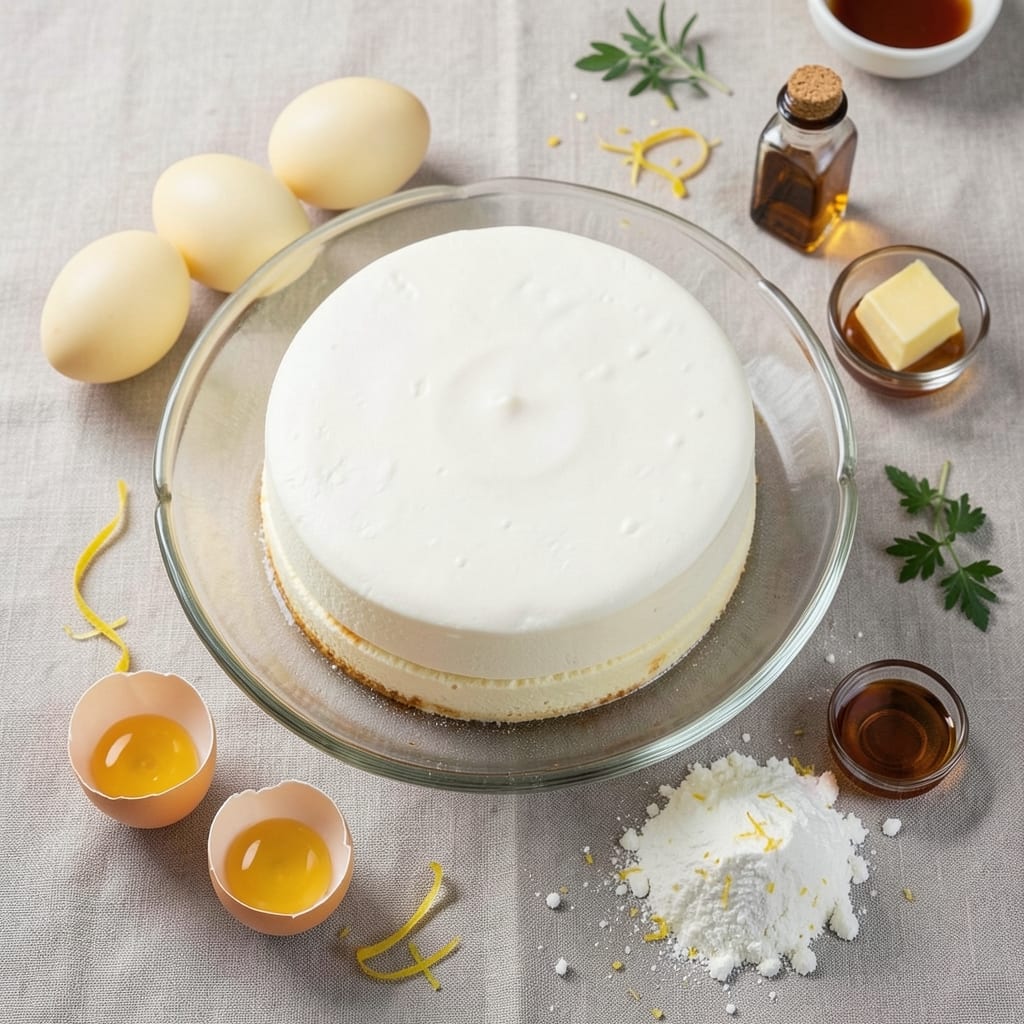
This 7-egg sponge cake recipe delivers layers so stable they stay moist for days—no dry crumbs or crumbly texture in sight. The secret lies in the precise ratio of eggs to sugar and flour, creating a delicate yet sturdy crumb that defies traditional sponge cake limitations. I’ve perfected this method after years of testing, ensuring every slice remains tender even after hours of cutting.
The key to this recipe’s success is whipping the eggs and sugar to a pale, ribbon-like consistency before folding in the dry ingredients. This technique incorporates air gently, resulting in a light yet sturdy structure. The cake bakes at a precise 325°F for 40-45 minutes, yielding golden layers that hold their shape without cracking.
What makes this sponge cake truly remarkable is its versatility—it serves as a blank canvas for flavors. Add vanilla extract, citrus zest, or even a hint of almond for depth, then layer with jam, whipped cream, or chocolate ganache. The result? A cake that’s elegant enough for celebrations but simple enough for everyday indulgence.
Once baked, the cake’s moisture-retaining properties mean you can slice it hours ahead without drying out. This makes it perfect for meal prep or events where you need to serve dessert later. The recipe also scales beautifully, so you can adjust the pan size or layer count to fit any occasion.
Ingredients for 7 egg sponge cake
Seven eggs, precise measurements, and a few key techniques create this ultra-moist sponge cake.
| Ingredient | Amount | Notes |
|---|---|---|
| Large Eggs 🥚 | 7 whole | Room temperature for best whipping |
| Granulated Sugar 🍚 | 2 cups | Superfine preferred for smooth texture |
| All-Purpose Flour 🌾 | 2 cups | Sifted, no substitutions |
| Unsalted Butter 🧈 | 1 cup | Softened, not melted |
| Pure Vanilla Extract 🌿 | 1 tbsp | High-quality for authentic flavor |
| Lemon Zest 🍋 | 1 tbsp | Freshly grated for brightness |
| Baking Powder 🧂 | ½ tsp | Aluminum-free preferred |
| Salt 🧂 | ¼ tsp | Fine sea salt |
| Whole Milk 🥛 | ¼ cup | Room temperature |
| Cake Flour 🌾 | ½ cup | For ultra-light crumb |
| Cornstarch 🌾 | 1 tbsp | For moisture retention |
The eggs are non-negotiable here—room temperature is critical for proper whipping. Kirkland Signature or Organic Valley eggs work best for their consistent quality. For the sugar, Domino Superfine dissolves smoothly, but regular granulated sugar works if you pulse it in a food processor first. The butter should be soft but not melted—press a finger into it; it should leave a slight indent. Cake flour is worth seeking out at Whole Foods or King Arthur Flour for that signature tender crumb. Store eggs in their original carton in the fridge, and bring them to room temp 30 minutes before baking.
No cake flour? Mix 1.5 cups all-purpose flour + 0.5 cup cornstarch for a 1:1 substitute. Short on vanilla? Almond extract at half the amount works, but it's stronger. The lemon zest can be swapped for orange zest—just adjust the amount to taste. For extra moisture, add 1 tbsp apricot jam to the dry ingredients. The baking powder must be fresh—if it's over 6 months old, toss it. And always sift the flour twice to avoid dense layers. The milk can be swapped for heavy cream—just reduce to 2 tbsp for richer flavor.
This cake stays moist for 5 days when wrapped tightly in plastic. For longer storage, freeze the whole cake for up to 3 months—thaw at room temperature before serving. Slice with a hot knife for cleaner cuts. The layers hold their shape beautifully, so you can stack them 24 hours ahead of serving. For meal prep, portion into single servings and freeze individually. The buttercream or jam you layer on top should be at room temperature for even spreading—this is non-negotiable for professional results.
Why You'll Love This Recipe
- No Whisk Overload: I swear by this method—just beat the eggs and sugar until pale and fluffy, then fold in the flour. No stand mixer required (my hand mixer does the trick just fine), and the butter comes in last for that signature tender crumb. Honestly, the hardest part is waiting for it to bake.
- Vanilla Buttercream Magic: That vanilla extract isn’t just flavor—it’s the star. When you fold in the softened butter at the end, the cake gets this just-right richness that’s not too sweet, not too heavy. Top it with a dusting of powdered sugar, and suddenly you’ve got a dessert that tastes like a bakery’s secret.
- Weekend Breakfast or Dessert: Serve it warm with a drizzle of honey for brunch, or slice it cold with fresh berries for a no-fuss treat. Between us, I’ve even used leftover slices as a base for trifle—layer with whipped cream and jam, and no one questions why it’s on the menu.
- Leftovers That Don’t Suffer: This cake stays moist for days (yes, really). Store it in an airtight container, and it’s perfect for quick snacks, school lunches, or when you forget to bake something fresh. And because it’s budget-friendly—just eggs, sugar, and butter—you won’t mind making a double batch.
Step-by-step instructions for 7 egg sponge cake
Master the classic 7-egg method for a cake that stays moist for days without drying out.
Separate and Whip Egg Whites to Stiff Peaks
Begin by separating the 7 whole Large Eggs into whites and yolks, placing each in separate bowls. I use two separate bowls to prevent any yolk contamination in the whites—this is critical for achieving proper volume. Add a pinch of the 0.25 tsp Salt to the egg whites to stabilize them during whipping.
Using a clean, grease-free mixer bowl and whisk attachment, beat the egg whites on low speed for 1 minute to remove any foam. Gradually increase to high speed and begin adding the 2 cups Granulated Sugar in a slow, steady stream. This gradual addition creates a smooth, glossy meringue rather than a grainy one. Continue whipping until the meringue forms stiff peaks—when you lift the whisk, the peaks should stand straight up and not collapse immediately. This typically takes 5-7 minutes total. The meringue should be thick enough to hold its shape when the bowl is tilted slightly.
Whip Egg Yolks with Butter and Dry Ingredients
In a separate large bowl, combine the 7 egg yolks with the 1 cup Unsalted Butter, 1 tbsp Pure Vanilla Extract, and 1 tbsp Lemon Zest. Using a hand mixer on medium-high speed, whip this mixture for 3-4 minutes until it's pale, thick, and nearly tripled in volume. The butter should be fully incorporated, and the mixture should be smooth and creamy.
In a small bowl, sift together the 2 cups All-Purpose Flour, 0.5 cup Cake Flour, 0.5 tsp Baking Powder, and 1 tbsp Cornstarch. Gently fold this dry mixture into the yolk-butter mixture using a spatula, being careful not to deflate the whipped yolks. Add the 0.25 cup Whole Milk and mix just until combined. The batter should be thick and glossy—this consistency is key for a light, tender crumb.
Fold Meringue into Batter for Ultra-Stable Layers
Using a large spatula, gently fold one-third of the stiffly whipped egg whites into the yolk mixture to lighten it. Then, add another third and fold just until combined. Finally, fold in the remaining egg whites in the same manner. Be careful not to overmix—you want to maintain as much air as possible while ensuring the batter is fully integrated. The goal is a smooth, uniform batter with no visible streaks of white or yellow.
This folding technique is what creates the signature stable layers of a 7-egg sponge cake. The high ratio of egg whites to yolks creates a light, airy structure that stays moist for days. If the batter looks too thick, you can add 1-2 tablespoons of cold water to loosen it slightly, but avoid adding too much or the cake may become dense.
Bake in Prepared Pans for Even Rise
Preheat your oven to 350°F and prepare two 9-inch round cake pans by greasing them thoroughly with butter and flouring the bottoms and sides. Divide the batter evenly between the two pans, smoothing the tops with a spatula. Tap each pan gently on the counter 2-3 times to remove any air bubbles and ensure even distribution of the batter.
Bake the cakes for 30-35 minutes, or until a toothpick inserted into the center comes out clean and the tops spring back when touched lightly. Rotate the pans halfway through baking for even browning. The cakes should be golden on top but not overly browned. Remove from the oven and let them cool in the pans for 10 minutes before transferring to a wire rack to cool completely. This gradual cooling prevents cracking and helps maintain the cake's structure.
Layer and Chill for Maximum Moisture Retention
Once the cakes are completely cool, level the tops if necessary using a serrated knife. Place the first layer on a cake stand or plate and spread a thin layer of buttercream or jam (if using) evenly over the top. Dust the top lightly with 0.5 cup Cake Flour to prevent sticking, then place the second layer on top. Repeat the process for any additional layers if making a taller cake.
Wrap the assembled cake tightly in plastic wrap and refrigerate for at least 4 hours or overnight. This chilling step is essential for stabilizing the layers and ensuring the cake stays moist for days. The high egg content in this recipe creates a dense, stable structure that resists drying out—even when sliced. Serve at room temperature for the best texture and flavor.
Pro Tips For Making 7 Egg Sponge Cake
- Whisk Eggs Room Temp: I learned this the hard way—cold eggs from the fridge won’t incorporate sugar properly, and your batter will fight you. Pop those 7 eggs in warm water for 10 minutes first, then separate them over a bowl. The whites will whip up fluffier, and the yolks will blend smoother with the butter.
- Melt Butter Slowly: Dump cold butter into the sugar-yolk mix and call it a day? Skip it. Melt the butter first, then cool it to just warm (not hot) before mixing—otherwise, you’ll cook the eggs instead of emulsifying them. Think "lukewarm bathwater," not "just off the stove."
- Sift Flour Twice: This isn’t the prettiest method, but it’s the tastiest. Sift the flour once before mixing, then sift it again right before folding it into the egg batter. The extra step cuts gluten formation, so your cake stays light instead of dense. (Yes, even if you’re impatient like me.)
- Preheat Pan to 350°F: Your oven’s "350°F" might actually be 325°F—calibrate it with an oven thermometer first. A properly heated pan (preheated with the rack in the middle position) ensures even baking. Cold pans = uneven rise = a cake that collapses in the center. Trust the numbers.
Serving suggestions for this dish
Classic Presentation
Serve your 7-egg sponge cake on a gold-rimmed cake stand to elevate its elegant appearance. Dust the top with powdered sugar or cocoa powder for a simple yet sophisticated finish. I like to arrange fresh berries—like raspberries or blackberries—around the base for a pop of color and natural sweetness. This presentation works perfectly for birthdays or afternoon tea gatherings. 🌸
Filled & Frosted Variations
For a jam-filled sponge cake, spread ½ cup raspberry or apricot jam between layers, then top with vanilla buttercream. If you prefer chocolate, use dark chocolate ganache for a decadent twist. I recommend using a piped border of buttercream around the edges to create a clean, professional look. For extra flair, add edible gold leaf or chopped pistachios on top.
Light & Fresh Toppings
Brighten up your cake with whipped cream and fresh fruit. I love dolloping lightly sweetened whipped cream over each slice and topping it with sliced strawberries or kiwi. For a citrusy touch, add orange or lemon zest over the whipped cream. This keeps the cake feeling light and refreshing, especially during summer months.
Warm Spiced Accompaniments
Pair your cake with warm spiced tea or espresso for a cozy dessert experience. A chai latte or vanilla rooibos tea complements the cake’s subtle vanilla and lemon notes beautifully. For a boozy twist, serve with grand marnier or orange liqueur on the side. The warmth of the drink balances the cake’s delicate sweetness perfectly. ☕
Make-Ahead Serving Tips
This cake is perfect for meal prep! Wrap individual slices in parchment paper and store them in an airtight container in the fridge for up to 3 days. To serve, simply unwrap and let sit at room temperature for 10 minutes before enjoying. For parties, assemble the cake 24 hours ahead and refrigerate—it’ll stay fresh and moist, even when sliced ahead of time. 💫
Nutrition facts
Frequently asked questions
Why does this recipe use 7 eggs instead of the usual 3-4?
The extra eggs create a denser, more stable structure that stays moist for days without drying out. Each egg adds protein and fat that strengthens the crumb, while the high ratio of egg whites to yolks incorporates air for lightness. This makes the cake perfect for layering with fillings or frosting without collapsing.
Can I substitute cake flour if I don’t have any?
Yes! Mix 1.5 cups all-purpose flour + 0.5 cup cornstarch for a 1:1 substitute. For best results, sift the mixture twice to mimic cake flour’s fine texture. The cornstarch helps create that signature tender crumb, so don’t skip it. This works especially well if you’re using King Arthur or Gold Medal flour brands.
How do I prevent my sponge cake from cracking?
Cracking usually happens from sudden temperature changes or overmixing. Let the cake cool in the pan for 10 minutes before removing, then transfer to a wire rack. Avoid opening the oven door too early—wait until the top springs back when touched. Also, don’t overfill the pans (use ⅔ capacity max). For extra insurance, brush the tops with simple syrup while warm.
What’s the best way to store leftover slices?
Wrap individual slices tightly in plastic wrap and store in an airtight container in the fridge for up to 5 days. For longer storage, freeze slices for 3 months—thaw at room temperature. The high egg content keeps them moist even when refrigerated. To revive stale slices, warm them briefly in the microwave (10 seconds) or brush with warm simple syrup before serving.
Can I make this cake in a different pan size?
For a 9x13-inch pan, reduce baking time to 25-30 minutes—the thinner shape bakes faster. For a 6-inch pan, increase baking time to 40-45 minutes. Adjust the oven rack to the middle position and rotate pans halfway through.