
Desserts
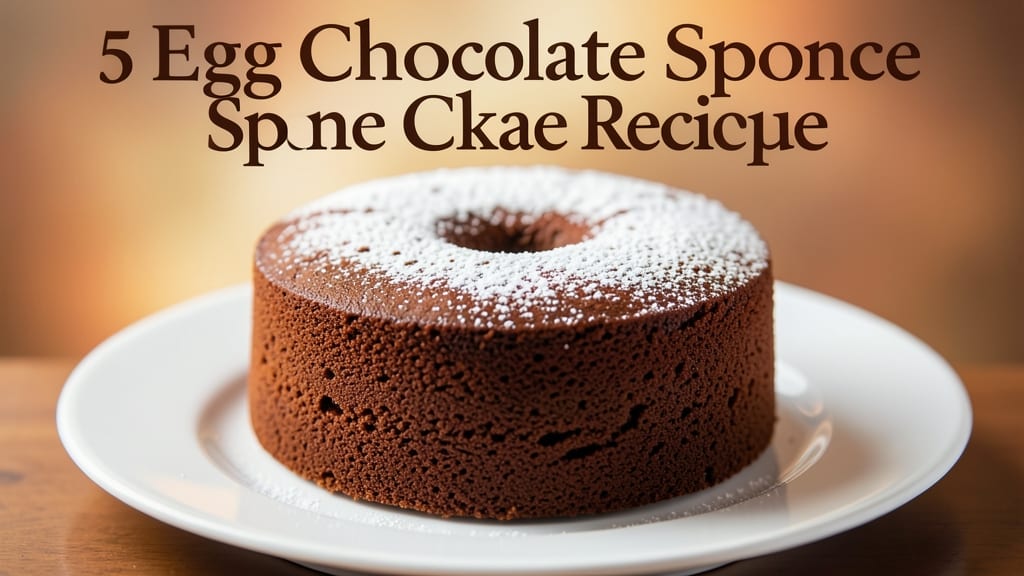
A 5-egg chocolate sponge cake delivers that perfect balance of height and stability—no sagging, no dense crumb, just a light yet sturdy texture that holds its shape. The secret lies in the egg-to-flour ratio and gentle folding technique, which creates air pockets that expand beautifully in the oven. This isn’t your average sponge; it’s engineered for reliability, with a rich chocolate flavor that satisfies without being overpowering.
The recipe relies on precise mixing methods to incorporate air without overworking the batter, ensuring a tender yet stable crumb. Five eggs provide the structure needed to support the cake’s height while keeping it moist, and the addition of cocoa powder delivers deep chocolate flavor without heaviness. Baking at the right temperature is critical—too hot, and the cake collapses; too cool, and it won’t rise properly.
What you’ll end up with is a golden-domed cake with a fine, even crumb and a subtle chocolate richness that pairs perfectly with whipped cream or a dusting of powdered sugar. The texture is light yet sturdy enough to slice cleanly, making it ideal for layering or serving whole. This isn’t just a sponge—it’s a foolproof technique that works every time.
Whether you’re baking for a special occasion or just craving a decadent treat, this recipe delivers professional-quality results with minimal effort. The instructions are designed for home bakers, ensuring you achieve the same stable height and tender texture without advanced skills. Let’s get started on creating a cake that’s as impressive as it is delicious.
Ingredients for 5 egg chocolate sponge cake
Five eggs, one bowl, and precise technique create a cake that rises high yet stays sturdy.
| Ingredient | Amount | Notes |
|---|---|---|
| Large Eggs 🥚 | 5 whole | Room temperature for best incorporation |
| All-Purpose Flour 🌾 | 1 ½ cups | Sifted for light texture (spooned & leveled) |
| Unsalted Butter 🧈 | ¾ cup | Cold, cut into small cubes (1 tbsp each) |
| Granulated Sugar 🍚 | 1 ¼ cups | Superfine preferred for smooth texture |
| Cocoa Powder 🍫 | ½ cup | Dutch-processed for rich flavor |
| Vanilla Extract 🌿 | 1 tbsp | Pure Madagascar bourbon preferred |
| Baking Powder 🧂 | ½ tsp | Aluminum-free for stability |
| Salt 🧂 | ¼ tsp | Fine sea salt preferred |
| Whole Milk 🥛 | ½ cup | Room temperature for smooth batter |
| Powdered Sugar 🍚 | ¼ cup | For dusting finished cake |
The eggs are non-negotiable here—room temperature is critical for proper incorporation. Store-bought eggs work fine, but if you can find farm-fresh at your local market, the flavor difference is noticeable. The cocoa powder should be Dutch-processed (like Hershey's Special Dark or Valrhona) for that deep, velvety flavor without bitterness. For the flour, King Arthur or Bob's Red Mill brands are reliable choices—they're consistently sifted and light. If you're using granulated sugar, pulse it in a food processor for 30 seconds to create a superfine texture, which prevents graininess in the final cake.
No vanilla extract? Vanilla bean paste works beautifully—just use half the amount. Running short on milk? Heavy cream or even water will work in a pinch, though the texture may be slightly denser. The baking powder must be fresh—if it's more than 6 months old, toss it and replace. For the butter, Plugrá or Land O'Lakes unsalted are great choices, but any good-quality brand will do. If you're concerned about the cake being too rich, reduce the butter to 0.5 cup and add 0.25 cup more milk to balance. The powdered sugar for dusting can be swapped for confectioners' sugar if you prefer a finer finish.
Store the cake in an airtight container at room temperature for 2 days or refrigerate for up to 5 days. For longer storage, wrap tightly in plastic and freeze for up to 3 months. To serve, let it sit at room temperature for 15-20 minutes before slicing—this ensures clean cuts. The cake reheats beautifully in the oven at 300°F for 5-10 minutes if it's been refrigerated. For layering, use a serrated knife and dip it in hot water between slices to prevent crumbling. The texture improves overnight, so if you have time, bake it a day ahead.
Why You'll Love This Recipe
- Five-Egg Magic: I swear by the five eggs here—they make this cake light without being fluffy or dry. That’s the secret: no weird substitutions, just big, room-temp eggs whipped to ribbon stage. (Yes, I’ve tried skipping one. Don’t.)
- Rich Without Bitterness: The cocoa powder isn’t the cheap stuff—this calls for Dutch-processed, and trust me, it’s worth it. The buttercream (or even just powdered sugar glaze) clings to the moist crumb like it’s been waiting for it. Honestly, the first slice is always gone before the second’s even cut.
- Weeknight or Weekend Star: Make it for a lazy Sunday brunch, then reheat slices in the toaster for a quick breakfast. Freeze half the cake—it thaws in 10 minutes and tastes like you baked it fresh. (Between us, I’ve done this three times this month.)
- Pantry-Proof Perfection: Five eggs, a stick of butter, and a cup of sugar? That’s it for the base. No weird ingredients, no last-minute grocery runs. The flour and cocoa are staples, and the leftovers? They disappear faster than my willpower when it’s still warm.
Step-by-step instructions for 5 egg chocolate sponge cake
This method delivers a perfectly stable, tall sponge with rich chocolate flavor and no risk of collapse.
Prepare the Egg and Sugar Mixture
Separate the 5 whole large eggs, placing yolks in a heatproof bowl and whites in a clean, grease-free bowl. Place the yolk bowl over a pot of simmering water (double boiler) and whisk constantly until the mixture reaches 110°F—it should thicken noticeably and triple in volume. Remove from heat and continue whisking until the mixture cools slightly to 100°F. This temperature control is critical for achieving the proper structure.
In a separate bowl, whisk together the 1.25 cups granulated sugar and 0.5 cup cocoa powder until fully combined. Gradually add this dry mixture to the warm egg yolks while whisking continuously. This creates a smooth, glossy base that will incorporate air properly. The mixture should be thick and ribbon-like when you lift the whisk.
Incorporate Butter and Wet Ingredients
Cut the 0.75 cup unsalted butter into small cubes (about 1 tablespoon each) and add them to the yolk mixture one at a time, whisking vigorously after each addition until fully melted and incorporated. The butter should blend smoothly without any visible lumps. Add the 1 tablespoon vanilla extract and 0.5 cup whole milk next, whisking until fully combined. This step ensures even distribution of fat and liquid throughout the batter.
In a separate bowl, sift together the 1.5 cups all-purpose flour, 0.5 teaspoon baking powder, and 0.25 teaspoon salt. Gently fold one-third of the dry ingredients into the egg mixture using a spatula, then add the 5 egg whites (beaten to soft peaks) and fold gently. This gradual incorporation prevents deflating the air incorporated in both the egg mixture and whites.
Combine and Fold for Perfect Structure
Add the remaining dry ingredients in two more additions, folding gently with a spatula just until combined. Be careful not to overmix—stop folding when the batter is smooth and no dry streaks remain. The batter should be thick but pourable, with a slight sheen. This texture indicates proper aeration and structure for a stable cake.
Transfer the batter to a 9-inch round cake pan lined with parchment paper and smoothed to remove air bubbles. Tap the pan gently on the counter to eliminate any trapped air. Bake immediately for best results.
Bake at Precise Temperature
Preheat your oven to 350°F and place a baking stone or inverted baking sheet on the middle rack. Pour the batter into the prepared pan and smooth the top with an offset spatula. Bake for 35-40 minutes until a toothpick inserted in the center comes out clean and the edges pull away slightly from the pan. The cake should be springy to the touch.
Remove from the oven and let cool in the pan for 10 minutes, then transfer to a wire rack. Dust the warm cake with 0.25 cup powdered sugar while still slightly warm for an elegant finish. The cake's height should be stable and not collapse as it cools, thanks to the precise egg temperature and gentle folding technique.
Serve and Store Properly
Slice the cake when completely cool for clean, even layers. The texture should be light and tender with a rich chocolate flavor throughout. For best results, store any leftovers in an airtight container at room temperature for up to 3 days or refrigerate for up to 5 days. Reheat slices briefly in the oven or microwave for the best texture.
This method guarantees a cake that rises properly, holds its shape, and delivers that signature chocolate sponge texture without any risk of collapse. The key lies in the precise egg temperature and careful folding technique—both essential for achieving the perfect balance of structure and tenderness.
Pro Tips For Making 5 Egg Chocolate Sponge Cake
- Whip Eggs to Ribbon Stage: I learned this the hard way—stop beating the eggs when they form stiff, glossy ribbons that hold their shape when you lift the whisk. Overmixing adds air but can also make the cake dense, and under-whipped eggs won’t rise enough. Five eggs need serious work here; don’t rush it.
- Sift Cocoa Twice: That cheap cocoa powder? It’s full of lumps, and lumps mean uneven texture. Sift it into the dry ingredients and sift it again after mixing with flour—yes, even if it looks fine. Trust me, your cake will thank you with a smoother crumb.
- Butter Must Be Room Temp: Cold butter = dense cake. Warm butter = greasy mess. The fix? Cut the butter into small cubes, let them sit in a warm (not hot) bowl for 10-15 minutes until they’re soft enough to press with a finger but not greasy. This recipe relies on it emulsifying properly—skip this, and you’ll taste the difference.
- Bake Until Springy, Not Dark: The cake’s done when it pulls away from the pan edges and springs back when gently pressed. If you wait for a deep golden brown, you’ll end up with a dry, overbaked sponge. Mine usually hits 200°F (93°C) internally—pull it out early and let it rest.
Regional styles of this 5 egg chocolate sponge cake
Classic British Style
The British version of this chocolate sponge cake uses cold butter instead of warm eggs, creating a denser yet rich texture. Replace the warm egg yolks with 5 room-temperature egg yolks whipped with 1.5 cups sugar until pale and thick, then fold in 0.75 cup cold butter cut into small cubes. The British also often add 1 tablespoon instant espresso powder to deepen the chocolate flavor. Bake in a 9-inch round pan at 325°F for 40-45 minutes—the lower temperature prevents over-browning while ensuring even baking. 🥧
Italian Baci di Dama
In Italy, this cake is known as "Baci di Dama" (Lady's Kisses) and often includes 1 tablespoon orange zest for brightness. Use Dutch-processed cocoa powder (like Valrhona) and replace the milk with 0.5 cup heavy cream for extra richness. The Italians fold in 5 egg whites separately, whipped to stiff peaks, and gently combine them last for a lighter texture. Bake in a 9-inch springform pan at 350°F for 35-40 minutes, then dust with powdered sugar while warm. Serve with a mascarpone cream filling for a decadent twist. 🍊
French Génoise
The French version, called génoise, skips the butter entirely and relies on 5 egg whites whipped to stiff peaks for structure. Replace the butter with an additional 0.25 cup melted butter folded into the batter at the end. The French also add 1 tablespoon cornstarch to the flour for extra stability. Bake in a 9-inch round pan at 375°F for 30-35 minutes—the higher heat creates a slightly crisp exterior while keeping the interior tender. Dust with icing sugar and serve with chocolate ganache for a luxurious finish. 🇫🇷
American Layer Cake
For a classic American-style layer cake, divide the batter between two 8-inch round pans and bake at 350°F for 25-30 minutes. Once cooled, fill with chocolate buttercream (made with 0.5 cup softened butter, 2 cups powdered sugar, and 4 oz melted chocolate). The American version often includes 1 teaspoon instant coffee to enhance the chocolate flavor. Dust layers with powdered sugar and decorate with chocolate shavings for a bakery-style finish. 🍰
Japanese Mochi-Style
For a Japanese-inspired twist, replace 0.5 cup of the flour with 0.5 cup glutinous rice flour (like mochiko) for a chewier texture. Add 1 tablespoon matcha powder to the dry ingredients for a subtle earthy note. The Japanese version often includes red bean paste (anko) as a filling. Bake in a 9-inch round pan at 325°F for 40-45 minutes, then slice and fill with sweet red bean paste before dusting with powdered sugar. 🍡
Scandinavian Cardamom Twist
In Scandinavian countries, this cake often includes 1 teaspoon ground cardamom for a warm, aromatic touch. Replace 0.25 cup of the milk with 0.25 cup buttermilk for extra tenderness. The Scandinavians also add 1 tablespoon aquavit or rum to the batter for depth. Bake in a 9-inch round pan at 350°F for 35-40 minutes, then dust with powdered sugar and serve with lingonberry jam for a tangy contrast. ❄️
Nutrition facts
Frequently asked questions
Why does this recipe use 5 eggs instead of the usual 3-4?
The extra eggs create a stable yet light structure that supports the cake's height without collapsing. They provide both structure (through protein) and moisture, ensuring a tender crumb that holds its shape beautifully. Five eggs also help balance the richness of the chocolate while keeping the texture airy.
Can I substitute Dutch-processed cocoa powder with regular cocoa?
You can, but Dutch-processed cocoa (like Hershey's Special Dark) gives a smoother, richer chocolate flavor without bitterness. Regular cocoa will work, but you may need to add 0.25 teaspoon baking soda to neutralize its acidity. The texture will be slightly denser but still delicious.
What’s the best way to tell when the cake is fully baked?
Insert a toothpick into the center—it should come out clean with just a few moist crumbs. The edges should pull away slightly from the pan, and the top should spring back when gently pressed. Overbaking can dry out the cake, so remove it as soon as it passes these tests.
Why does my chocolate sponge cake collapse after baking?
Collapse usually happens from overmixing the batter, opening the oven door too early, or using cold eggs. Ensure your eggs are room temperature, fold gently (don’t stir), and avoid peeking at the cake while baking. A baking stone on the middle rack also helps maintain even heat.
How do I store leftovers to keep them fresh?
Store in an airtight container at room temperature for 2 days or refrigerate for 5 days. For longer storage, freeze slices wrapped tightly for up to 3 months. Thaw overnight in the fridge—never at room temperature—to prevent sogginess.