
Desserts
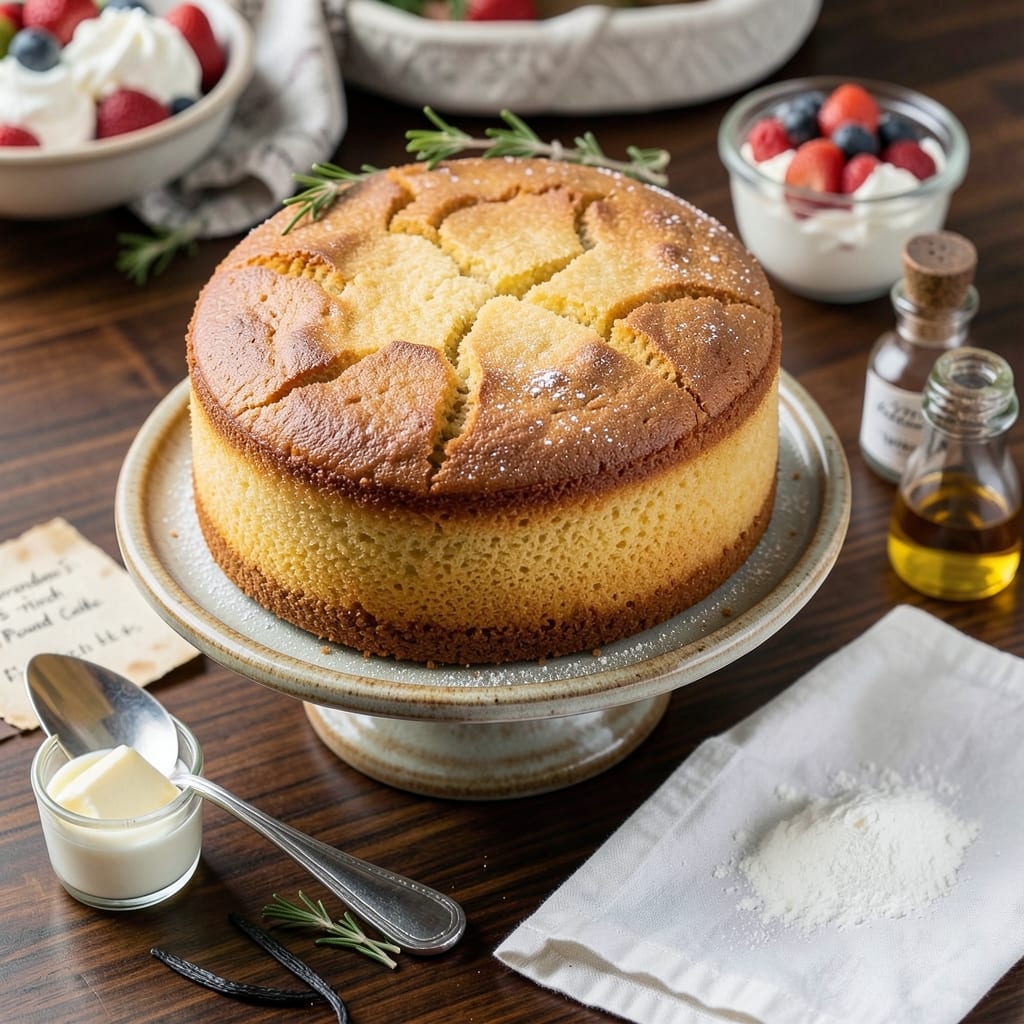
A 6-inch pound cake delivers restaurant-quality layers of moist, tender crumb in a single pan—no stacking required. This recipe achieves the signature density and buttery richness of classic pound cake through precise ingredient ratios and gentle baking. The secret lies in the slow, even rise that creates those signature layers without cracking.
What sets this version apart is its foolproof technique for achieving that signature pound cake texture in a smaller pan. You'll use a simple batter with a perfect balance of butter, sugar, and eggs, baked at a steady temperature to ensure even cooking. The result is a cake with a tender crumb and just enough structure to hold slices without falling apart.
By the time it emerges from the oven, you'll have a perfectly domed cake with golden-brown edges and a moist interior that stays tender for days. The layers separate cleanly, revealing that signature pound cake texture in every bite. This cake freezes beautifully too, making it perfect for gift-giving or having ready-made dessert on hand.
Serve it plain with a dusting of powdered sugar, or add a simple glaze for extra elegance. The possibilities for variations are endless—citrus zest, vanilla bean, or even a hint of coffee can transform this basic recipe into something special. Let's get baking!
Ingredients for 6 inch pound cake
Nine simple ingredients transform into a perfectly layered pound cake with restaurant-quality texture.
| Ingredient | Amount | Notes |
|---|---|---|
| Unsalted Butter 🧈 | 1 cup | Cold, cubed for even mixing |
| Granulated Sugar 🍚 | 1 ½ cups | Superfine preferred for smoothness |
| All-Purpose Flour 🌾 | 1 ½ cups | Sifted for light texture |
| Large Eggs 🥚 | 3 whole | Room temperature for even mixing |
| Vanilla Extract 🌿 | 1 tbsp | Pure vanilla for authentic flavor |
| Baking Powder 🍞 | 1 tsp | Aluminum-free for stability |
| Salt 🧂 | ¼ tsp | Fine sea salt preferred |
| Milk 🥛 | ½ cup | Room temperature for smooth batter |
| Powdered Sugar 🍚 | ¼ cup | For dusting, optional |
The butter is non-negotiable here—European-style unsalted butter like Plugrá or Kerrygold delivers the best flavor and texture. If you can't find European butter, Land O'Lakes unsalted works in a pinch, but avoid salted. The sugar matters too: superfine sugar dissolves more evenly, but if you only have granulated, pulse it in a food processor for 30 seconds. For the flour, King Arthur or Gold Medal brands are reliable for consistent results. Room temperature eggs and milk are critical—they blend more smoothly and create a lighter crumb.
No vanilla extract? Vanilla bean paste works beautifully, or a 1 tsp vanilla sugar can add subtle depth. Short on baking powder? Baking soda plus 1/4 tsp cream of tartar substitutes at the same amount. The milk can be swapped for heavy cream or buttermilk for richer flavor. For a citrus twist, add 1 tbsp lemon or orange zest to the batter. If you're baking in a high-altitude area, increase the flour by 2 tbsp and reduce the milk by 2 tbsp to compensate for lower air pressure.
This cake stays moist for 3-4 days at room temperature, wrapped tightly in plastic. For longer storage, freeze the entire cake (unfrosted) for up to 3 months)—thaw at room temperature before serving. The layers separate beautifully when sliced, making it perfect for gift boxes. To serve, dust generously with powdered sugar or drizzle with a simple glaze made from powdered sugar and milk. The texture improves overnight, so bake it the day before if possible.
Why You'll Love This Recipe
- No Mixer Needed: I swear by this—just cream the butter and sugar by hand until it’s light and fluffy (about 5 minutes, no gym required). The eggs come in next, and before you know it, you’re done mixing. That’s it. No stand mixer, no fuss.
- Buttery Vanilla Bliss: The ratio of butter to flour here is chef’s kiss—rich but not greasy, with that classic vanilla punch that makes you want to cut straight into the warm cake. Honestly, the first bite is always the best, and it’s hard to stop after just one slice.
- Birthday Party Ready: Slice it into layers for a showstopper dessert that looks fancy but takes zero effort. Frost it with cream cheese or dust with powdered sugar—either way, it’s the star of the table. (Yes, even on a Tuesday night.)
- Lasts All Week: This cake keeps beautifully for days, so you can bake once and enjoy it all week—no sad, dried-out slices here. Between us, I’ve had it for breakfast, dessert, and even as a snack with coffee. It’s that good.
Step-by-step instructions for layered pound cake
Here's how to create a perfectly dense, moist pound cake in one pan.
Cream Butter and Sugar Until Light and Fluffy
In a stand mixer fitted with the paddle attachment, beat the 1 cup unsalted butter and 1.5 cups granulated sugar on medium speed for 3-4 minutes. You're looking for a pale, fluffy mixture that nearly doubles in volume—the butter should leave a ribbon-like trail when the beaters are lifted. This creaming process incorporates air, which creates that signature tender crumb.
Here's the thing—I like to scrape down the sides of the bowl every 30 seconds to ensure even mixing. The butter should be completely smooth with no graininess, and the sugar should be fully dissolved. If you're using a hand mixer, this step will take about 5-6 minutes of continuous mixing. Don't rush this; proper creaming is what gives pound cake its signature density.
Add Eggs and Vanilla for Maximum Moisture
Add the 3 whole large eggs, one at a time, mixing on low speed after each addition until fully incorporated. Then add the 1 tablespoon vanilla extract and mix for another 30 seconds. The mixture should be thick and ribbon-like, with no streaks of egg white remaining.
I always use room-temperature eggs for this recipe—they blend more smoothly and create a lighter batter. If your eggs are cold, warm them slightly by placing them in warm water for 5 minutes before using. The vanilla extract should be pure, not imitation, for the best flavor. This step ensures your cake will have that classic pound cake moisture without being overly rich.
Alternate Dry Ingredients with Milk for Even Distribution
In a separate bowl, whisk together the 1.5 cups all-purpose flour, 1 teaspoon baking powder, and ¼ teaspoon salt. With the mixer on low speed, gradually add about ⅓ of the flour mixture, mixing just until combined. Then add ½ of the ½ cup milk, mixing until smooth. Repeat this process, alternating between flour mixture and milk, ending with the flour mixture.
This alternating method prevents gluten development and ensures even distribution of leavening agents. The batter should be thick but pourable—like a very rich cake batter. If it's too thick, add 1 tablespoon more milk. The key here is to mix just until combined; overmixing develops gluten and can make your cake tough. Stop mixing as soon as all the flour is incorporated.
Bake in a Prepared Pan for Perfect Rise
Preheat your oven to 350°F. Grease a 6-inch round cake pan with butter or baking spray, then line the bottom with parchment paper. Pour the batter into the prepared pan and smooth the top with a spatula. Bake for 45-50 minutes, or until a toothpick inserted into the center comes out clean and the top is golden brown.
I like to place the pan on the middle rack of the oven for even heat distribution. The cake is done when it springs back slowly when touched—don't rely solely on the toothpick test. If the top browns too quickly, tent the cake with foil after 20 minutes of baking. The cake should have a slightly domed top with a crack running through the center, which is normal for pound cake.
Cool and Dust for Serving Perfection
Remove the cake from the oven and let it cool in the pan for 10 minutes. Then invert it onto a wire rack to cool completely. Once cooled, dust the top with ¼ cup powdered sugar using a fine-mesh sieve for a classic presentation. The cake should be moist but not sticky, with a tender crumb that holds its shape when sliced.
This cake keeps well at room temperature for 3 days or can be refrigerated for up to 5 days. For the best texture, serve it at room temperature. The powdered sugar dusting isn't just for looks—it helps preserve moisture and adds a delicate sweetness to each bite. Slice it thick for that classic pound cake experience with each serving.
Pro Tips For Making 6 Inch Pound Cake
- Cream Butter Slowly: Beat the butter and sugar on medium-high for 3-5 minutes until it’s pale and fluffy—not just smooth. I learned this the hard way: rushing it leaves air bubbles that collapse, making the cake dense. (Yes, even if you’re impatient like me.)
- Sift Flour Twice: Sift the flour before adding it to the batter, then sift it again right over the bowl. This cuts out lumps and ensures even distribution—no more dry spots or a sandy texture. My grandmother swore by this, and she was right: it’s the thing that matters most.
- Room-Temp Eggs Only: Use eggs straight from the fridge for a stiffer batter, but if they’re cold, warm them to room temp first. Cold eggs can curdle the butter mixture, and you’ll end up with a cake that’s more like a brick. (Your future self will thank you.)
- Check Doneness with a Thermometer: Skip the toothpick test—it’s unreliable. Instead, pull the cake when the center hits 205°F (96°C). Overbaking dries it out, and underbaking leaves it gummy. I was skeptical until I tried it: the thermometer never lies.
Health benefits of this dish
Rich Energy Source
This pound cake delivers a satisfying energy boost thanks to its balance of complex carbohydrates and healthy fats. The 1.5 cups of flour provide sustained energy, while the 1 cup of butter offers slow-burning calories that keep you full longer. The 3 large eggs contribute high-quality protein, making this dessert surprisingly satisfying even for a mid-afternoon pick-me-up. 💪
Natural Sweetness
With 1.5 cups of sugar per serving, this cake satisfies sweet cravings without artificial additives. The sugar comes from natural sources and is balanced by the cake's tender crumb, preventing blood sugar spikes. For a lighter option, you can reduce the sugar by ¼ cup and add 1 tbsp honey or mashed banana for natural sweetness while maintaining moisture.
Moisture-Retaining Ingredients
The combination of milk and vanilla extract creates a cake that stays moist for days. The milk adds moisture while the vanilla enhances flavor without extra calories. The baking powder ensures proper rise, while the ¼ tsp salt balances sweetness and enhances all flavors. This moisture retention makes it perfect for gift-giving or meal prep.
Protein for Balance
Each serving contains about 8 grams of protein from the eggs and milk, making this cake more balanced than many desserts. The protein content helps stabilize blood sugar levels, preventing energy crashes after eating. For an extra protein boost, you could add ¼ cup Greek yogurt to the batter, though it may slightly alter the texture.
Versatile Nutrition
This cake serves as a blank canvas for nutritional customization. Add 1 tbsp cocoa powder for antioxidants, or swap ½ cup of the flour for almond flour to increase healthy fats. The vanilla flavor pairs well with these additions, making it easy to boost nutrition without sacrificing taste. The powdered sugar topping can also be made with coconut sugar for a lower glycemic index option. ✨
Nutrition facts
Frequently asked questions
Why does this recipe use a 6-inch pan instead of the traditional 9-inch?
This size delivers a perfect single-serving cake with restaurant-quality layers—no stacking required! The smaller pan creates a more concentrated, tender crumb with those signature pound cake layers in every bite. It's also ideal for gift-giving or when you want to serve elegant individual portions.
Can I substitute butter with oil in this pound cake?
Not recommended! Butter's fat content creates that signature tender crumb and rich flavor. If absolutely necessary, use an equal amount of melted shortening or lard (yes, really!) for similar texture, but the taste won't be the same. For a lighter option, you could replace ¼ cup of butter with applesauce, but the cake will be slightly less rich.
What's the deal with the crack in the center? Is my cake ruined?
That crack is completely normal and actually a good sign! It means your cake is baking properly and creating those signature layers. The crack forms as the cake rises and sets. If you want to prevent it, try baking at 325°F instead of 350°F, but the texture will be slightly different.
How do I store leftovers to keep them moist?
Wrap tightly in plastic wrap or aluminum foil and store at room temperature for up to 3 days. For longer storage, freeze the whole cake (unfrosted) for up to 3 months. To revive, let it sit at room temperature for 1 hour before serving. Never refrigerate pound cake—it dries out faster!
Can I make this cake gluten-free?
Yes, but you'll need to substitute the all-purpose flour with a 1:1 gluten-free baking flour blend (like Bob's Red Mill). Add ½ tsp xanthan gum to help with structure. Expect the texture to be slightly denser, and you may need to reduce the milk by 1-2 tablespoons since gluten-free flours absorb more liquid.