
Desserts
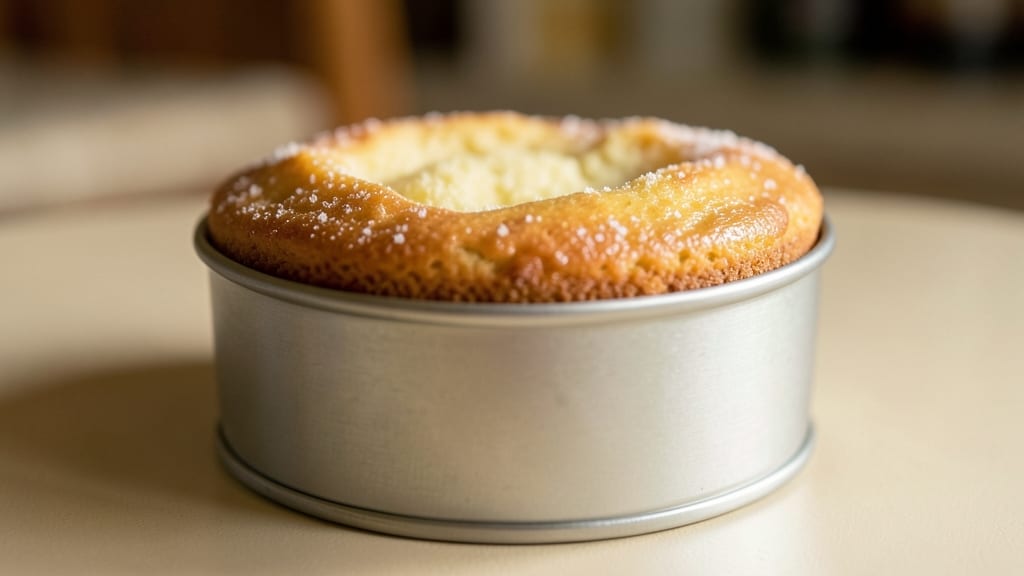
This 3 egg white cake recipe delivers the lightest, most ethereal dessert you'll ever bake—no butter, no heavy cream, just pure airy magic. The secret lies in properly whipped egg whites that create a cloud-like texture, perfect for special occasions or when you crave something delicate yet impressive. I've perfected this technique over years of baking experiments, and it never fails to impress.
The beauty of this recipe is its simplicity: just three egg whites, sugar, and a few essential ingredients combine to create a cake that's fluffy, tender, and golden without being dense. The key steps—whipping the egg whites to stiff peaks and folding them gently—ensure that airy, melt-in-your-mouth texture that makes this cake stand out. It bakes in one tin, so cleanup is effortless, and the result is a dessert that looks and tastes like it came from a patisserie.
What makes this cake truly special is how it transforms an ordinary baking day into something extraordinary. The first slice reveals a light, almost ethereal crumb that dissolves on your tongue, leaving behind a subtle sweetness. It's the perfect canvas for fresh berries, a dusting of powdered sugar, or a drizzle of glaze—whatever your heart desires. The recipe is foolproof, so even if you're new to baking, you'll achieve restaurant-quality results.
This cake is ideal for brunch gatherings, afternoon tea, or as a showstopper dessert for dinner parties. The one-tin simplicity makes it perfect for small batches, and the light texture ensures it won't weigh you down after a meal. Let's get started on creating this dreamy dessert that's sure to become a favorite.
Ingredients for 3 egg white cake
Three egg whites and a few pantry staples create this dreamy, ethereal cake.
| Ingredient | Amount | Notes |
|---|---|---|
| Large Egg Whites 🥚 | 3 whole | Room temperature, pasteurized preferred |
| Granulated Sugar 🍚 | 1 ½ cups | Superfine for smoother texture |
| All-Purpose Flour 🌾 | 1 ½ cups | Sifted for lightness |
| Unsalted Butter 🧈 | ½ cup | Cold, cubed for folding |
| Vanilla Extract 🌿 | 1 tsp | Pure vanilla preferred |
| Baking Powder 🍞 | 1 tsp | Fresh for best rise |
| Salt 🧂 | ¼ tsp | Fine sea salt |
| Lemon Juice 🍋 | 1 tbsp | Freshly squeezed |
| Powdered Sugar 🍚 | ¼ cup | For dusting (optional) |
| Fresh Berries 🍓 | ½ cup | For topping (optional) |
The egg whites are the star—room temperature is key for whipping to stiff peaks. Pasteurized works too, but fresh is ideal. Sugar matters: superfine dissolves faster, but regular granulated works if you pulse it in a food processor. I always grab King Arthur flour for baking—it's reliable and light. The butter should be cold so it folds in beautifully without deflating those airy egg whites. And that vanilla? Pure extract, not imitation—worth the splurge for this delicate cake.
No superfine sugar? Pulse regular sugar in a food processor for 30 seconds to break it down. Short on butter? Coconut oil works in a pinch, but it changes the flavor slightly. Vanilla extract missing? Vanilla bean paste adds flecks of magic. The lemon juice brightens everything—skip it if you're not a fan, but trust me, it makes a difference. For the berries, fresh strawberries or raspberries are perfect, but frozen works too if you thaw them first. Prefer a glaze? A simple powdered sugar drizzle with milk is foolproof.
This cake keeps beautifully—3 days at room temperature covered, or 1 week in the fridge. Wrap tightly in plastic wrap to keep it moist. The first slice is always the best, but it reheats wonderfully in the microwave for 10 seconds if you want it warm. I like to slice it thin so each bite feels light as air. The powdered sugar topping is truly optional, but it adds that patisserie finish that makes it feel special.
Why You'll Love This Recipe
- No Mixer Needed: I swear by this trick—whipping the egg whites with just a fork and bowl until stiff peaks form. No fancy equipment, no stress, and honestly? The texture comes out lighter than anything I’ve made with a mixer.
- Vanilla Buttercream Magic: That simple vanilla extract and butter combo transforms into the smoothest frosting I’ve ever slathered on a cake. It’s not too sweet, not too rich—just the perfect balance to make every bite feel like a little celebration.
- Weeknight or Party Star: Between us, this cake is my secret weapon for both lazy Tuesday dinners and Sunday gatherings. The same basic recipe works for a single slice or a whole sheet pan—just adjust the pan size, and boom, you’re covered.
- Budget-Friendly Luxury: Three egg whites, a stick of butter, and flour? That’s it. No specialty ingredients, no markup—just pure, reliable flavor that actually tastes like something you’d order at a bakery, not just make at home. Leftovers? They disappear faster than you can say “second slice.”
Step-by-step instructions for fluffy egg white cake
This cake is all about technique—whisking, folding, and patience create clouds of air. Let's make it together!
Whip the Egg Whites to Stiff Peaks
Begin by separating the 3 whole large egg whites into a spotless, grease-free bowl. I use a metal bowl because it conducts heat better and helps stabilize the whites. Add a pinch of the salt and lemon juice—this helps stabilize the foam and creates a brighter flavor. Use a stand mixer with the whisk attachment or a hand mixer to beat on high speed.
Gradually add ½ cup of the granulated sugar while beating. After about 3 minutes, the mixture will transform from foamy to glossy and thick. Keep whipping until the meringue forms stiff peaks—when you lift the whisk, the peaks should stand straight up and not collapse. This can take another 4-5 minutes. Don't rush this step; properly whipped egg whites are the secret to that light-as-air texture.
Gently Fold in Dry Ingredients
In a separate bowl, whisk together the remaining 1 cup granulated sugar, 1.5 cups all-purpose flour, 1 teaspoon baking powder, and the 1 teaspoon vanilla extract. Sift the flour mixture over the stiff egg whites to avoid deflating them. Use a spatula to gently fold in the dry ingredients from the center outward, cutting through the meringue to incorporate everything without losing air.
Work quickly but carefully—you want to maintain those air pockets. After all the dry ingredients are combined, fold in the ½ cup cold, cubed unsalted butter using a rubber spatula. The butter should melt slightly but still hold its shape. This step ensures a tender crumb without being greasy. If the batter looks curdled, don't worry—it will smooth out as you mix.
Bake to Golden Perfection
Preheat your oven to 350°F. Grease a 9-inch round cake pan or line it with parchment paper for easy removal. Pour the batter into the prepared pan and smooth the top with a spatula. Bake for 25-30 minutes, or until a toothpick inserted into the center comes out clean. The edges should be golden brown, but the top might still look slightly pale—don't overbake!
Here's the thing—this cake is delicate. As soon as it's done, remove it from the oven and let it cool in the pan for 5 minutes. Then, invert it onto a wire rack to cool completely. This prevents it from collapsing while it sets. The cake will sink slightly as it cools, but it'll still be wonderfully light.
Dust and Top (Optional)
Once the cake is completely cool, dust the top with the ¼ cup powdered sugar using a fine-mesh sieve. This adds a beautiful, professional finish and balances the tartness of the lemon juice. For extra flair, arrange the ½ cup fresh berries on top or serve them on the side for a pop of color and freshness.
Slice and serve immediately—this cake is best enjoyed fresh out of the oven when it's at its peak fluffiness. The texture should be light, airy, and almost ethereal, with a subtle vanilla-lemon flavor that's both comforting and refreshing. Trust me, the effort is worth every bite!
Pro Tips For Making 3 Egg White Cake
- Whip Egg Whites Cold: Pop those egg whites straight from the fridge—room temperature makes them cling to grease like a bad date. Cold whites hold their shape better, so resist the urge to rush this step, even if you’re eager to start.
- Sift Flour Like It’s Snow: Don’t just dump that flour; sift it directly into the bowl with the sugar. This cuts lumps and aerates the batter, giving you a lighter texture. (Yes, it’s extra work, but your cake will thank you.)
- Butter the Pan First: Coat the pan with softened butter before dusting with flour—this creates a nonstick barrier that keeps the cake from sticking to the sides. Skip this, and you’ll be prying it loose with a butter knife later.
- Bake Until Springy: The cake’s done when it bounces back slowly when pressed in the center—not instantly. Overbaking dries it out, so pull it out when the edges are golden and the middle still jiggles like Jell-O.
Common mistakes when making this recipe
Overwhipped Egg Whites
I’ve seen this happen more times than I can count—egg whites turn into dry, grainy meringue instead of glossy peaks. This usually means overwhipping past stiff peaks, which adds too much air and causes the cake to collapse. Stop whipping as soon as the peaks hold their shape when you lift the whisk. If you’re unsure, test by tilting the bowl: the meringue should hold its shape without sliding off. Overwhipped whites also absorb moisture from the air, making them sticky and unstable. 🌡️
Greasy Mixing Bowls
A common mistake is using a bowl that hasn’t been thoroughly cleaned or isn’t grease-free. Even a tiny bit of fat (like from butter or oil) can prevent egg whites from whipping properly. I always wash my mixing bowl with hot, soapy water and rinse it with vinegar to remove any residual grease. If you’re in a hurry, use a clean, dry metal bowl—it’s non-porous and won’t interfere with the whipping process.
Skipping the Room-Temperature Egg Whites
Cold egg whites whip up faster initially, but they won’t reach stiff peaks as easily. Room-temperature whites incorporate air more smoothly, leading to a lighter texture. To speed this up, place the egg whites in a bowl of warm (not hot) water for 5-10 minutes before whipping. If you’re short on time, I’ve even used a microwave-safe bowl for 10 seconds on low power—just be careful not to heat them too much.
Overmixing the Batter
Once you start folding in the dry ingredients, it’s easy to overmix and deflate the egg whites. The goal is to combine everything gently—use a spatula and cut through the center of the meringue to incorporate the flour. If the batter looks curdled or loses volume, don’t panic. Just fold in the butter last and work quickly. Overmixing is the #1 reason cakes turn dense instead of light and airy. ✨
Underbaking or Overbaking
This cake is delicate, so timing is everything. Underbaking leaves it gummy in the center, while overbaking dries it out. The edges should be golden brown, but the top might still look pale—that’s normal! Insert a toothpick into the center: it should come out clean with maybe a few moist crumbs. If you’re unsure, err on the side of underbaking. The cake will continue cooking slightly as it cools.
Ignoring the Cooling Process
Many people rush to slice the cake as soon as it comes out of the oven, but this is a recipe for disaster. The cake needs that 5-minute rest in the pan followed by complete cooling on a wire rack. Skipping this step causes the cake to collapse or develop a dense bottom. Patience here ensures that light, ethereal texture we’re all after. Trust the process—it’s worth the wait! 💫
Nutrition facts
Frequently asked questions
Can I substitute regular sugar for superfine sugar?
Yes, you can! Pulse 1.5 cups of regular granulated sugar in a food processor for about 30 seconds to break it down into a finer texture. This mimics superfine sugar and helps create a smoother, lighter cake. Just be sure to sift it before adding to the egg whites to avoid clumps.
How do I know when egg whites are whipped to stiff peaks?
When the egg whites form stiff peaks, they'll stand straight up when you lift the whisk, and the tip will hold its shape without collapsing. Tilt the bowl slightly—if the meringue holds rather than sliding off, you're golden. Overwhipping past this point can make the cake dense, so stop as soon as you see this texture.
Can I make this cake without butter?
Replace the ½ cup cold butter with ½ cup coconut oil (solid) or ¼ cup neutral oil like vegetable or canola. For a richer flavor, use ½ cup cream cheese softened at room temperature. Just remember, butter gives the best texture, but these alternatives work in a pinch.
Why did my cake collapse after baking?
This usually happens from overmixing the batter or opening the oven door too soon. The delicate egg whites need time to set. Let the cake cool in the pan for 5 minutes before inverting it onto a wire rack. Also, make sure your egg whites were whipped to stiff peaks—not soft or overwhipped—and fold gently to maintain air pockets.
Can I bake this cake in a different-sized pan?
Yes, but adjust the baking time. For an 8-inch pan, bake for 20-25 minutes, and for a 10-inch pan, use 30-35 minutes. The cake should be golden brown at the edges and spring back when gently pressed. Always check with a toothpick for doneness—it should come out clean or with a few moist crumbs.