
Desserts
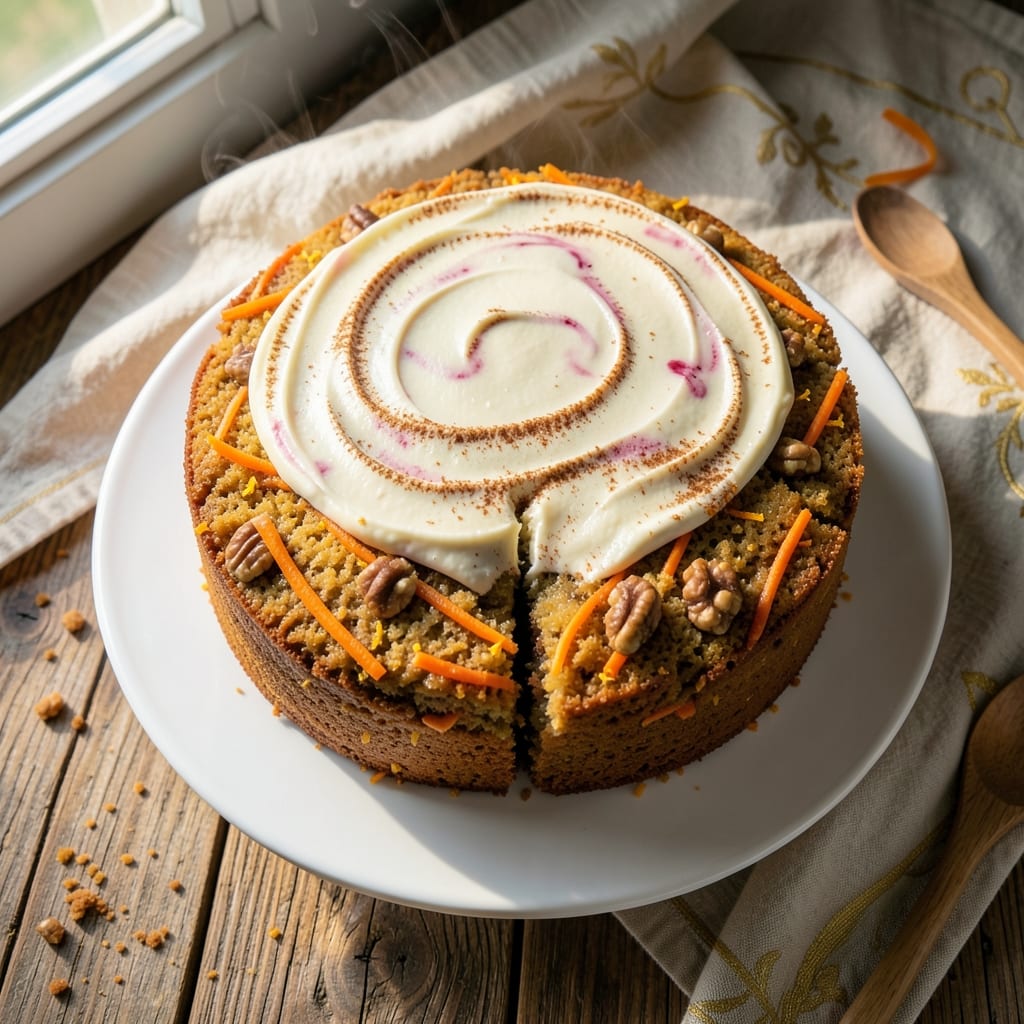
This 4-inch carrot cake recipe delivers all the cozy, spiced goodness of classic carrot cake in a perfectly portioned size—ideal for parties, gifts, or satisfying a single craving. The secret lies in balancing moisture with tender layers and a swirl of creamy cheese frosting that ties every bite together. I've baked these mini cakes for holiday gatherings where they disappear faster than full-sized versions, proving their charm lies in both presentation and flavor.
What makes this recipe special is the technique: a lightly moist batter with finely grated carrots and warm spices like cinnamon and nutmeg, baked just until the edges are golden but the center stays tender. The frosting isn't an afterthought—it's a thick, swirled cream cheese layer that adds richness without overwhelming the cake's natural sweetness. Each slice serves as a perfect handheld dessert, with the frosting peeking through the crumb for visual appeal.
By the time you're done, you'll have a restaurant-quality dessert that looks as impressive as it tastes—golden layers with a crackly top, moist crumb, and frosting swirls that add texture and elegance. The recipe scales easily, so you can bake multiple pans for gatherings or freeze extras for later. This is the kind of dessert that feels both comforting and sophisticated, all in one bite.
The beauty of these mini cakes is their versatility: serve them at brunch, pack them for picnics, or use them as a stunning centerpiece for any celebration. The frosting can be adjusted for sweetness, and you can even add walnuts or raisins if you prefer extra texture. Let's get baking—your guests won't believe it's homemade.
Ingredients for 4 inch carrot cake
Twelve simple ingredients transform into twelve perfect mini carrot cakes with creamy swirls.
| Ingredient | Amount | Notes |
|---|---|---|
| All-Purpose Flour 🌾 | 1 ½ cups | Sifted for fluffier texture |
| Granulated Sugar 🍚 | 1 ½ cups | White or light brown |
| Packed Brown Sugar 🍚 | ½ cup | For subtle molasses flavor |
| Orange Zest 🍊 | 1 tbsp | From 1 medium orange |
| Orange Juice 🍊 | ¼ cup | Freshly squeezed |
| Vegetable Oil 🫒 | ½ cup | Light or canola preferred |
| Large Eggs 🥚 | 2 whole | Room temperature |
| Vanilla Extract 🌿 | 1 tbsp | Pure vanilla preferred |
| Ground Cinnamon 🌶️ | 1 ½ tsp | Freshly ground preferred |
| Ground Nutmeg 🌶️ | ½ tsp | Freshly grated nutmeg |
| Ground Ginger 🌶️ | ½ tsp | For warmth |
| Salt 🧂 | ½ tsp | Diamond Crystal kosher |
| Finely Grated Carrots 🥕 | 1 ½ cups | About 3 medium carrots |
| Walnuts 🌰 | ½ cup | Toasted and chopped |
| Cream Cheese 🧀 | 8 oz | Full-fat, room temperature |
| Unsalted Butter 🧈 | 4 oz | Softened, not melted |
| Powdered Sugar 🍚 | 2 cups | For frosting sweetness |
| Vanilla Extract 🌿 | 1 tsp | For frosting flavor |
| Heavy Cream 🥛 | ¼ cup | Cold for stability |
The carrots are non-negotiable—fresh, vibrant orange ones make all the difference. Trader Joe's or your local farmers market are the best spots for them. I always grab a few extra to snack on while baking. The cream cheese matters too—Philadelphia brand is my go-to, but any full-fat works. For the walnuts, toast them first in a dry pan until fragrant, then chop them. That extra step makes a huge difference in flavor. The orange zest adds brightness, so don't skip it—just make sure it's fresh from a juicy orange.
No cream cheese? Substitute with Greek yogurt plus 1 tbsp butter for a lighter texture. Running low on walnuts? Pecans or raisins work just as well. The frosting can be made ahead—it actually tastes better the next day. If you're feeling adventurous, swap the orange zest for lemon or add a pinch of cardamom for extra warmth. The batter should be thick but pourable—if it's too dry, add 1 tbsp of orange juice. And trust me, room temperature eggs mix in so much better than cold ones.
Store the baked cakes in an airtight container with parchment between layers for up to 3 days. The frosting keeps for 5 days in the fridge, but I always make extra since it's so good. Freeze the unfrosted cakes for up to 2 months—just thaw at room temperature before adding the frosting. These mini cakes reheat beautifully in the microwave for 10-15 seconds, making them perfect for quick dessert cravings. The frosting swirls look best when you pipe them right before serving, but they'll hold up for a few hours if needed.
Why You'll Love This Recipe
- No Mixer Needed: I swear by this recipe because it’s a one-bowl wonder—just whisk, fold, and bake. The orange zest and juice brighten the batter so fast, you’ll forget you didn’t spend hours creaming butter.
- Citrus Kiss Magic: That zesty orange punch—from the zest and juice—cuts through the sweetness like a summer breeze. Honestly? It’s the secret weapon that makes this cake taste like a bakery’s, not my kitchen.
- Party in a Pan: Slice it for a potluck, cube it for a lunchbox, or serve it whole at a brunch—this 4-inch size is perfect for sharing. (Yes, even when you want to eat half yourself.)
- Budget-Friendly Luxury: Brown sugar and orange zest sound fancy, but they’re cheap staples that transform basic flour and sugar into something special. Leftovers? They disappear faster than I can say “second slice.”
Step-by-step instructions for mini carrot cake layers
Here's how to bake these perfect 4-inch carrot cake layers with moist texture and bright orange flavor.
Prepare the Cake Batter
Preheat your oven to 350°F and grease four 4-inch round cake pans with vegetable oil, then line the bottoms with parchment paper. In a large mixing bowl, combine the 1.5 cups all-purpose flour, 1.5 cups granulated sugar, 0.5 cup packed brown sugar, 1.5 teaspoons ground cinnamon, 0.5 teaspoon ground nutmeg, 0.5 teaspoon ground ginger, and 0.5 teaspoon salt. Whisk until all ingredients are fully incorporated.
In a separate bowl, mix the 2 whole large eggs at room temperature, 0.5 cup vegetable oil, 1 tablespoon vanilla extract, 1 tablespoon orange zest, and 0.25 cup freshly squeezed orange juice. Slowly pour the wet ingredients into the dry ingredients while mixing on low speed until just combined. Fold in the 1.5 cups finely grated carrots and 0.5 cup toasted, chopped walnuts using a spatula, being careful not to overmix.
Bake the Cake Layers
Divide the batter evenly among the prepared cake pans, filling each about two-thirds full. Bake for 20-25 minutes or until a toothpick inserted into the center comes out clean. The cakes should be golden brown on top and slightly domed. Let the cakes cool in the pans for 10 minutes, then transfer them to a wire rack to cool completely.
I like to tap the pans gently on the counter a few times while cooling to help loosen the cakes from the sides. This makes removing them from the pans much easier later. If the tops look slightly underbaked, don't worry—they'll set as they cool.
Make the Cream Cheese Frosting
While the cakes cool, prepare the frosting by beating the 8 ounces cream cheese and 4 ounces softened unsalted butter together in a large mixing bowl until smooth and creamy. Gradually add the 2 cups powdered sugar, mixing on low speed until fully incorporated. Add the 1 teaspoon vanilla extract and 0.25 cup cold heavy cream, beating until light and fluffy.
The frosting should be thick enough to hold its shape but still spreadable. If it's too thick, add 1 teaspoon orange juice at a time until you reach the desired consistency. Taste and adjust sweetness if needed—you can add more powdered sugar if it's not sweet enough for your preference.
Assemble the Mini Carrot Cakes
Once the cakes are completely cool, level the tops if needed using a serrated knife. Place one cake layer on a serving plate and spread about ¼ cup frosting evenly over the top. Repeat with the remaining three layers, creating a stack with frosting between each layer. Spread the remaining frosting over the top and sides of the cake, creating decorative swirls with a spatula.
For extra presentation, you can pipe additional frosting around the edges or create a lattice pattern on top. Sprinkle with extra chopped walnuts or a dusting of powdered sugar if desired. Serve immediately or refrigerate for up to 2 hours before serving for a firmer texture.
Pro Tips For Making 4 Inch Carrot Cake
- Mix Dry First: Combine flour, spices, and baking soda before adding wet ingredients—this prevents lumps in the batter. I learned this the hard way when my first attempt had gritty texture from uneven mixing.
- Zest Fresh: Use a microplane for orange zest—it’s finer than a grater and releases more flavor. Skip the pre-packaged stuff; it’s dull and often stale.
- Don’t Overmix: Stir wet and dry ingredients just until combined—overmixing makes the cake dense. I used to beat it like I was angry, and the texture suffered.
- Grease the Pan: Coat the 4-inch pan with butter and dust with flour (tap out excess) for easy removal. My first attempt stuck like glue—now I swear by this step.
Common mistakes when making this dish
Overmixing the Batter
This is the #1 mistake that turns tender cake into dense, rubbery bricks. When folding in the grated carrots and walnuts, stop mixing as soon as they're incorporated—overworking the batter develops gluten, which makes the crumb tough. I've ruined more cakes than I'd admit by letting the mixer run too long. Use a spatula and fold just until combined, about 10-12 strokes max. The batter should have a thick, slightly lumpy texture—like cookie dough. 🥕
Skipping Room Temp Ingredients
Cold eggs and butter are sneaky saboteurs that create pockets of cold fat in your batter. These cause uneven baking and can lead to cracks or dense spots. Take your eggs out of the fridge 30 minutes before mixing, and let butter sit at room temperature until it's soft but not melted. I keep a bowl of warm water nearby to speed up the process if I'm in a hurry. Trust me, your cake will thank you for this small effort. 🧈
Incorrect Pan Prep
Greasing pans with just oil leaves gaps where the cake might stick. For perfect release, I always grease with oil AND line the bottoms with parchment paper. If you skip this step, you risk tearing the delicate layers when removing them. Pro tip: Use a silicone baking mat instead of parchment if you're making multiple batches—it's reusable and always works perfectly. 🧼
Baking Too Long
Those golden edges look perfect, but overbaking dries out the cake's moisture. The moment a toothpick comes out clean (with maybe a few moist crumbs) is your cue to pull them out. I've seen cakes go from perfect to dry in just 2-3 extra minutes. For these mini cakes, 20-25 minutes is the absolute max. If your oven runs hot, consider reducing the temperature to 325°F for more even baking. ⏱️
Frosting Too Early
Warm frosting on cool cake creates a sad, melty mess. Always let your cake layers cool completely before assembling. I wait until they're at room temperature before spreading the frosting. For best results, chill the assembled cake in the fridge for 30 minutes before serving—this helps the frosting set properly and makes slicing cleaner. Patience here makes all the difference! ❄️
Ignoring the Swirl Technique
The frosting swirls aren't just decorative—they create texture and visual appeal that makes these mini cakes look restaurant-quality. Use a small offset spatula to create gentle swirls on the sides and top. For extra flair, pipe additional frosting in decorative patterns. I like to keep a little extra frosting in a piping bag with a star tip for adding final details. Don't skip this step—it's what transforms good cake into showstopper cake! 🎨
Nutrition facts
Frequently asked questions
Can I make these mini cakes in a different pan size?
Yes! For a 6-inch pan, reduce the batter by 33% and bake for 30-35 minutes at 350°F. For 3-inch pans, use the full batter but bake for 18-22 minutes. Adjust baking time based on your oven—always check with a toothpick. The key is keeping the batter thickness consistent (about 2/3 full).
Why does my carrot cake turn out dry?
Overbaking is the #1 culprit—pull cakes when a toothpick comes out with a few moist crumbs, not completely clean. Another fix: replace 2 tbsp oil with 2 tbsp Greek yogurt in the batter for extra moisture. Also, never skip the 10-minute cooling in pans—this helps retain moisture.
How do I store these mini cakes for parties?
Assemble the cakes 1 day ahead and store at room temperature in an airtight container with parchment between layers. For longer storage (3 days), refrigerate. To serve, let sit at room temperature for 30 minutes before slicing. Freeze unfrosted layers for up to 2 months—thaw overnight before frosting.
Can I make this cake gluten-free?
Swap the all-purpose flour for a 1:1 gluten-free baking flour blend (like Bob's Red Mill). Add ½ tsp xanthan gum if your blend doesn't contain it. For the frosting, use a certified gluten-free powdered sugar. The texture will be slightly denser but still delicious. Test with a small batch first to adjust moisture levels.
What's the secret to perfect frosting swirls?
Chill the frosting for 15 minutes before piping to prevent melting. Use a small offset spatula to create swirls—start at the center and work outward in circular motions. For cleaner lines, dip the spatula in warm water between swirls. Pro tip: Add a drop of orange juice to the frosting for extra brightness that matches the cake!