
Desserts
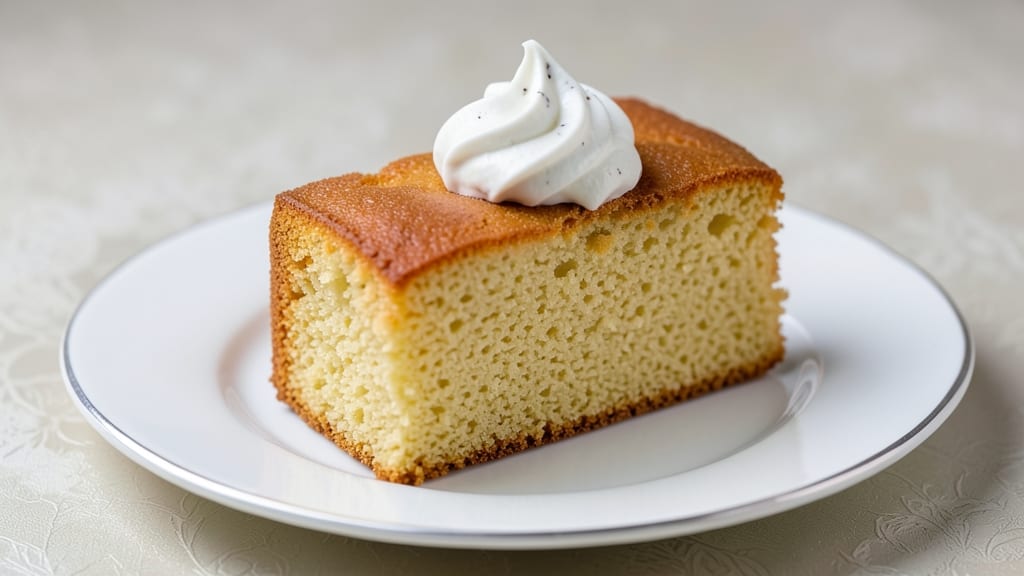
A four-egg sponge cake delivers that signature light-as-air texture without a trace of heaviness—just like the ones from your favorite patisserie. The secret lies in proper egg separation and gentle folding, which creates those signature air pockets that make every slice feel like a cloud. I’ve perfected this recipe over years of trial and error, ensuring the cake rises high, stays moist, and pairs beautifully with vanilla bean whipped cream.
This recipe requires just five simple ingredients—eggs, sugar, flour, butter, and a pinch of salt—plus a few minutes of your time for preparation. The key technique is whipping the egg whites to stiff peaks before folding them into the batter, which gives the cake its signature lift. Baking at 350°F ensures even cooking, while proper oven placement prevents browning before the center sets.
What you’ll end up with is a tender, fluffy cake with a delicate crumb that melts in your mouth. The vanilla bean whipped cream adds a luxurious touch, balancing the cake’s subtle sweetness. Whether you’re serving it at a celebration or treating yourself to a special dessert, this sponge cake delivers restaurant-quality results at home.
Perfect for layering with fillings or enjoying plain, this recipe scales easily for any occasion. Let’s get started on creating your lightest, most elegant sponge cake yet.
Ingredients for 4 egg sponge cake
Five simple ingredients create the lightest sponge cake you’ll ever make—perfect with vanilla cream.
| Ingredient | Amount | Notes |
|---|---|---|
| Large Eggs 🥚 | 4 whole | Room temperature, separated |
| Granulated Sugar 🍚 | 1 ½ cups | Superfine preferred for smoothness |
| All-Purpose Flour 🌾 | 1 ½ cups | Sifted for light texture |
| Unsalted Butter 🧈 | ¾ cup | Softened to room temperature |
| Kosher Salt 🧂 | ¼ tsp | Fine grain preferred |
| Vanilla Bean 🌿 | 1 whole | Seeds scraped for cream |
| Heavy Whipping Cream 🥛 | 1 ½ cups | Cold for stiff peaks |
| Powdered Sugar 🍚 | 1 cup | For whipped cream |
The eggs are non-negotiable here. Room temperature eggs whip up to a stiffer volume, which translates to that signature cloud-like texture. Store-bought eggs work fine, but if you're feeling fancy, grab the organic or free-range kind—they have more stable yolks. The butter? Softened to room temperature is key—it should dent when pressed but not be greasy. I usually buy Land O’Lakes unsalted from the grocery store, but any good-quality brand will do. The vanilla bean? Madagascar bourbon is my go-to—it’s sweeter and more aromatic than Tahitian. If you can’t find one, vanilla extract in a pinch, but the real thing makes all the difference.
No vanilla bean? Pure vanilla extract works, but use half a teaspoon. The powdered sugar for the whipped cream can be swapped for superfine sugar if you’re out, but it won’t be as smooth. For the flour, King Arthur all-purpose is my favorite—it’s finely milled and gives a lighter crumb. If you’re gluten-free, swap for a 1:1 gluten-free flour blend, but expect a slightly denser texture. The whipped cream? Heavy whipping cream is a must—half-and-half won’t give you stiff peaks. If you only have light cream, chill it thoroughly and add a pinch of powdered sugar to help stabilize it.
This cake keeps beautifully—3 days at room temperature wrapped in plastic, or 1 week in the fridge. For longer storage, freeze the whole cake (unfrosted) for up to 3 months. The whipped cream? Make it fresh the day of serving, but you can prep the cake a day ahead. Store it in an airtight container with parchment between layers to prevent drying. If you’re making it ahead, wrap it tightly in plastic wrap and place it in the fridge—it’ll stay moist and delicious.
Why You'll Love This Recipe
- Four Eggs, Zero Stress: The name’s right—just four eggs, a handful of sugar, and you’re done. No measuring cups, no confusing ratios, just crack, whisk, fold. Honestly, I’ve made this in my daughter’s plastic mixing bowl when the real one was full of laundry.
- Butter-Kiss Moisture: That unsalted butter? It doesn’t just flavor—it keeps this cake tender for days. No dry crumbs here; the sugar caramelizes just enough to give it a subtle sweetness, while the eggs hold it all together like a dream. (Yes, even on a Tuesday night.)
- Layer It All: Slice it for breakfast toast, crumble it into yogurt, or stack it with jam for a no-fuss dessert. I’ve even used the leftovers to make trifle—just add whipped cream and patience. The flour-to-egg ratio means it stays sturdy no matter what you throw at it.
- Pantry-Proof Perfection: Four eggs, a stick of butter, and flour you already have? This is the kind of recipe that saves money without sacrificing taste. And because it keeps well, I can bake a batch on Sunday and forget about it until Friday. (Spoiler: I never do.)
Step-by-step instructions for four egg sponge cake
Here's how to bake a light, airy sponge cake that's perfect for layering with vanilla cream.
Separate Eggs and Whip the Whites to Stiff Peaks
Begin by separating the 4 whole Large Eggs into yolks and whites. Place the egg whites in a spotlessly clean, grease-free bowl—any trace of fat will prevent them from whipping properly. Using a stand mixer fitted with the whisk attachment, whip the egg whites on medium-high speed until soft peaks form.
Gradually add the 1.5 cups Granulated Sugar while continuing to whip. Increase the speed to high and whip until the whites form stiff, glossy peaks that hold their shape when the whisk is lifted. This should take about 5-7 minutes. The sugar helps stabilize the egg whites, creating the signature lightness of a sponge cake.
Cream Butter and Sugar, Then Add Egg Yolks
In a separate bowl, beat the 0.75 cup Unsalted Butter (softened to room temperature) with 1.5 cups Granulated Sugar on medium speed until light and fluffy, about 3-4 minutes. This step incorporates air, which helps the cake rise beautifully. Add the egg yolks one at a time, mixing well after each addition.
Incorporate the scraped seeds from the 1 whole Vanilla Bean and the 0.25 tsp Kosher Salt into the butter mixture. The vanilla adds depth, while the salt balances sweetness. Mix until fully combined—this is your rich, creamy base that will later merge with the airy egg whites.
Gently Fold in Flour and Egg Whites
Sift the 1.5 cups All-Purpose Flour into the butter mixture and gently fold it in using a spatula, moving from the bottom of the bowl upward. This prevents deflating the air you've worked so hard to incorporate. Once the flour is just combined, carefully fold in the whipped egg whites in 3 additions, again using a spatula and cutting through the center to maintain volume.
Stop folding as soon as the batter is uniform—overmixing will deflate the air and result in a dense cake. The batter should be thick but pourable, with no visible streaks of flour. This is the moment where technique matters most: gentle, slow folds preserve the lightness.
Bake in a Preheated Oven Until Golden
Preheat your oven to 350°F and grease two 8-inch round cake pans with butter or line them with parchment paper. Divide the batter evenly between the pans and smooth the tops. Bake for 25-30 minutes until the cakes spring back when lightly touched and a toothpick inserted in the center comes out clean.
Let the cakes cool in the pans for 10 minutes, then transfer to a wire rack to cool completely. The cooling process is crucial—rushing this step can cause the cakes to collapse. A fully cooled cake is essential for clean slicing and proper layering with the whipped cream.
Prepare the Vanilla Bean Whipped Cream
While the cakes cool, chill the 1.5 cups Heavy Whipping Cream in the refrigerator for 15 minutes to ensure it's cold. Using a chilled bowl and whisk, whip the cream on medium-high speed until soft peaks form. Gradually add the 1 cup Powdered Sugar and the scraped seeds from the remaining vanilla bean, continuing to whip until the cream reaches stiff peaks.
This whipped cream should be thick enough to hold its shape but still spreadable. The vanilla bean adds a subtle, aromatic depth that complements the delicate sponge cake. Once the cakes are completely cool, you're ready to layer them with the whipped cream for a cloud-like dessert.
Pro Tips For Making 4 Egg Sponge Cake
- Check Eggs for Room Temp: I learned this the hard way—cold eggs from the fridge won’t whip properly, and your cake will end up dense. Let them sit in warm water (about 100°F) for 10 minutes before separating. Yes, even if you’re impatient like me, this makes a real difference in volume.
- Melt Butter Slowly: Skip the microwave for melting butter—it burns easily. Instead, use a double boiler or a heatproof bowl over simmering water until just melted (around 120°F). Overheated butter adds a weird, off flavor that ruins the delicate sponge texture.
- Weigh Flour Don’t Scoop: Scooping flour from the bag packs it down, adding extra moisture and weight. Use a kitchen scale for precision—this sponge cake relies on lightness, and every gram counts. (Your future self will thank you for not guessing.)
- Bake Until Springy: The cake’s done when it springs back slowly when pressed—not instantly. Overbaking dries it out, so pull it out when the edges pull away from the pan but the center still jiggles slightly. A toothpick should come out clean or with a few crumbs, not wet batter.
Creative variations of 4 egg sponge cake
Citrus-Inspired Twist
Brighten up your sponge cake with a zesty citrus glaze or filling. Whisk together ½ cup powdered sugar with 2 tbsp fresh lemon or orange juice and 1 tbsp lemon zest for a light drizzle. Brush it over the cooled layers just before serving—it adds a refreshing contrast to the vanilla cream. I love using Meyer lemons for their sweet-tart balance. 🍊
Chocolate Lover’s Version
For chocolate enthusiasts, replace ½ cup of the flour with ½ cup Dutch-process cocoa powder (like Hershey’s Special Dark). Add ¼ cup hot water to the dry ingredients to create a chocolate glaze for the layers. Top with raspberry jam or chocolate ganache for a decadent twist. This keeps the cake’s lightness while adding rich depth.
Spiced Chai Adaptation
Infuse the batter with warm spices by adding 1 tsp ground cardamom, ½ tsp cinnamon, and ¼ tsp ginger to the dry ingredients. Use chai tea-infused whipped cream (steep 1 chai tea bag in warm milk before whipping) for a cozy, aromatic dessert. Perfect for fall gatherings or holiday celebrations.
Almond-Filled Elegance
Create a French-inspired financier-style cake by adding ½ cup ground almonds to the dry ingredients. Fold in ¼ cup finely chopped almonds for texture. Layer with almond cream (whipped cream mixed with 1 tbsp almond extract) and garnish with toasted almond slices. This version has a delicate nutty flavor that pairs beautifully with the vanilla.
Seasonal Berry Variations
Swap the vanilla cream for seasonal fruit purées. For summer, use strawberry or raspberry purée (simmer 1 cup berries with 1 tbsp sugar), then whip with the cream. In winter, try blackberry or cranberry compote for a tart contrast. Fresh berries can also be layered between the cakes for a vibrant presentation.
Gluten-Free Adaptation
For a gluten-free version, replace the all-purpose flour with 1.5 cups gluten-free 1:1 baking flour (like Bob’s Red Mill or King Arthur Measure for Measure). Add ½ tsp xanthan gum to improve texture. The cake will still be light but may require 2-3 extra minutes in the oven. Pair with dairy-free whipped cream for a fully inclusive dessert. 🌱
Nutrition facts
Frequently asked questions
Why does this recipe use 4 eggs instead of 3 or 5?
The 4 eggs create the perfect balance for a light, airy sponge cake. Three eggs might not provide enough structure, while five could make the texture too dense. This number delivers that signature cloud-like crumb while keeping the cake tender. The yolks add richness while the whites create lift through proper whipping.
Can I make this cake in a single 9-inch pan instead of two 8-inch pans?
Yes, but reduce the baking time to 20-25 minutes—the smaller surface area cooks faster. The cake will be slightly thicker, so check for doneness with a toothpick at 18 minutes. For even cooking, place the pan on the middle rack and avoid opening the oven during baking.
What's the secret to getting that perfect light texture?
Three key techniques: whipping egg whites to stiff peaks, folding gently (not mixing), and not overbaking. The sugar stabilizes the egg whites, while the butter-sugar creaming incorporates air. Stop folding when the batter is just combined—overmixing collapses those precious air pockets.
Can I substitute cake flour for all-purpose flour?
Yes, but reduce the amount to 1.25 cups instead of 1.5 cups. Cake flour has a lower protein content, making the texture even lighter and more tender. If you don't have cake flour, blend 1.5 cups all-purpose flour with 2 tablespoons cornstarch for similar results.
How do I fix a cake that sunk in the middle?
This usually happens from overbaking or opening the oven too soon. For a quick fix, slice off the top ½ inch and discard it. The rest should still be fine! Next time, bake at 325°F instead of 350°F and check for doneness at 20 minutes—the center should spring back when gently pressed.