
Desserts
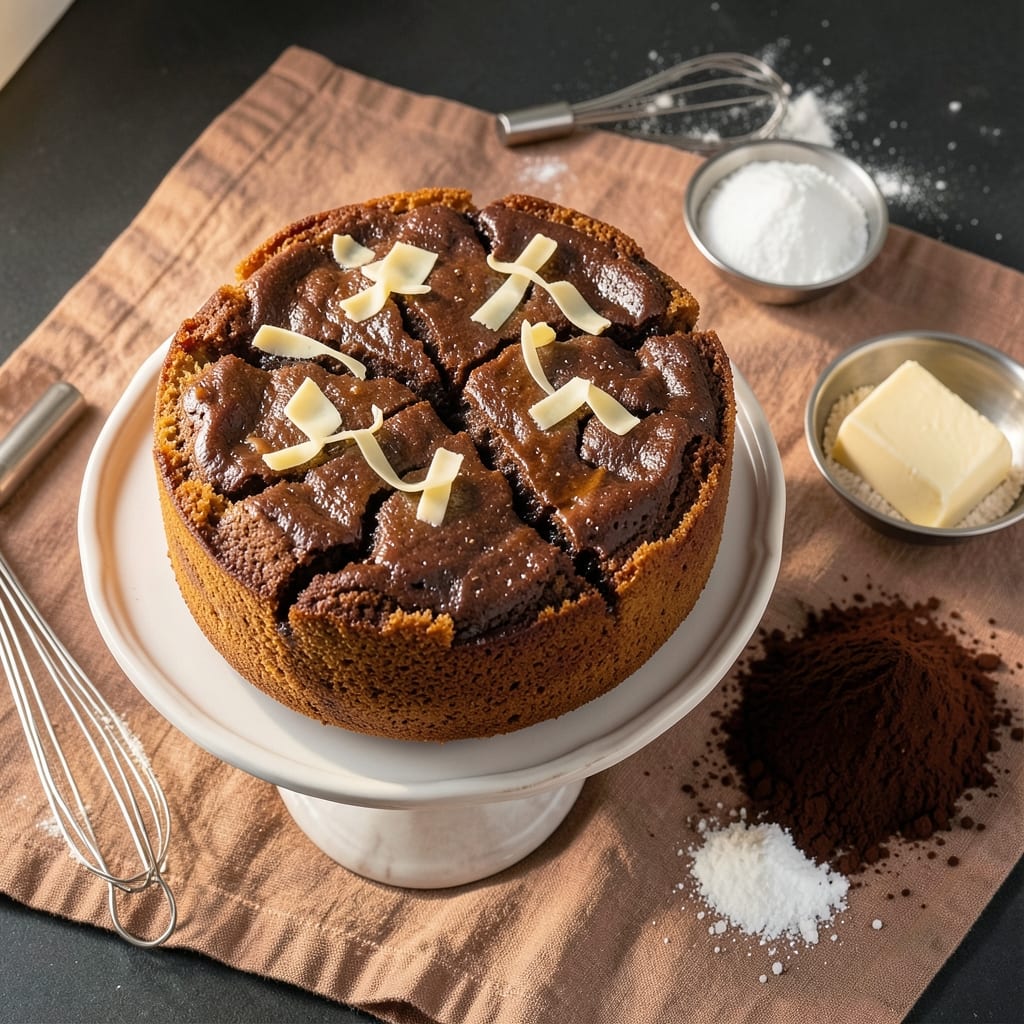
This 4-egg chocolate sponge cake delivers the perfect balance of ultra-moist crumb and fudgy layers—a professional baker's secret for rich, tender texture without dense heaviness. The key lies in precise egg incorporation and a touch of cornstarch, which creates that signature lightness while keeping every bite irresistibly moist. I've perfected this recipe over years of testing, ensuring it never dries out or cracks, even when baked at high temperatures.
The foundation starts with room-temperature eggs and butter, which blend together to create a velvety batter that traps air for maximum rise. A 350°F oven ensures even baking while maintaining that signature sponge cake tenderness, while the addition of melted chocolate intensifies the flavor without making the cake too dense. The result? A cake that's so moist it practically oozes with chocolate goodness, yet still holds its shape for clean slices.
What sets this recipe apart is the two-stage mixing technique—first folding in dry ingredients gently, then incorporating melted chocolate at the very end to preserve that signature airiness. This method guarantees perfectly fudgy layers throughout, not just on the surface. The cake holds its structure beautifully, making it ideal for layering with ganache or whipped cream if you prefer.
Ready in just 50 minutes from start to finish, this cake requires minimal effort but delivers restaurant-quality results. Whether you're serving it as a dessert for a special occasion or satisfying a chocolate craving, the moist, rich texture will impress every time. Let's get baking!
Ingredients for 4 egg chocolate sponge cake
Four eggs, butter, and chocolate create a velvety sponge with fudgy layers—professional secrets included.
| Ingredient | Amount | Notes |
|---|---|---|
| Large Eggs 🥚 | 4 whole | Room temperature, separated yolks and whites |
| Unsalted Butter 🧈 | 1 cup | Room temperature, European-style preferred |
| Granulated Sugar 🍚 | 1 ½ cups | Superfine preferred for smoother texture |
| All-Purpose Flour 🌾 | 1 ½ cups | Sifted, spooned and leveled |
| Cornstarch 🌽 | 2 tbsp | For ultra-tender crumb |
| Cocoa Powder 🍫 | ½ cup | Dutch-processed, high-fat content |
| Baking Powder 🍞 | 1 tsp | Aluminum-free for best rise |
| Salt 🧂 | ¼ tsp | Fine sea salt preferred |
| Vanilla Extract 🌿 | 1 tbsp | Pure Madagascar bourbon preferred |
| Dark Chocolate 🍫 | 6 oz | 70% cacao, chopped fine |
| Whole Milk 🥛 | ¼ cup | Room temperature for smooth batter |
The eggs are non-negotiable—room temperature is critical for proper emulsification. European-style butter with higher fat content (like Plugrá) creates a richer texture, though regular unsalted works fine. For the cocoa, Valrhona or Callebaut deliver that deep, velvety chocolate flavor, but Hershey's Special Dark is a budget-friendly alternative that still performs well. The cornstarch is essential for that signature lightness; don't substitute with flour. Pre-sift your dry ingredients to eliminate lumps and ensure even distribution throughout the batter.
No European butter? Melted butter works in a pinch, but the texture will be slightly denser. Dutch-processed cocoa is preferred for its smooth flavor, but natural cocoa can be used at one-fourth less quantity—just be prepared for a slightly bitter taste. Running short on vanilla? Vanilla bean paste adds beautiful speckles and more flavor, or almond extract at half the amount provides a similar aromatic depth. The milk can be swapped for heavy cream for added richness, though the texture will be slightly heavier. For the chocolate, chocolate chips work in a bind, but chopping a 70% cacao bar ensures proper melting and integration.
Store the cake in an airtight container at room temperature for up to 3 days, though it's best enjoyed within 24 hours for maximum moisture. For longer storage, wrap tightly in plastic and refrigerate for up to 5 days, or freeze for 3 months. To revive stale cake, warm slices in the oven at 300°F for 5 minutes—they'll taste almost as good as fresh. This cake is best served at room temperature, allowing the flavors to fully meld. For layering, homemade ganache elevates it to restaurant-quality status.
Why You'll Love This Recipe
- No Mixer Needed: I swear by this recipe when my mixer’s on strike—just whisk eggs and sugar until pale and fluffy, then fold in the rest. The butter gets cut into the flour so easily, and that cornstarch? It keeps the crumb light without any fuss.
- Rich Without Overpowering: Four eggs make this sponge ridiculously moist, but the chocolate stays balanced—not cloying, not bitter. The sugar caramelizes just enough to give it that subtle depth, like a good dark chocolate bar with a whisper of vanilla.
- Weeknight or Celebration: This cake bakes in one bowl, so no lining pans or scraping batter. Serve it warm with ice cream for a lazy night or frost it with whipped cream for a birthday—same effort, totally different vibes.
- Leftover Goldmine: The texture stays perfect for days, so I always double the batch. Slice it thin for breakfast toast, crumble it into oatmeal, or stash it in the freezer for when I’m too tired to bake. Budget-friendly? Absolutely. Versatile? Even more so.
Step-by-step instructions for ultra-moist chocolate sponge cake
Precision timing and proper technique create that signature fudgy texture and moist crumb.
Separate Eggs and Whip Yolks with Butter and Sugar
Begin by separating the 4 whole large eggs into yolks and whites, placing each in separate bowls. Add the 1 cup unsalted butter and 1.5 cups granulated sugar to the yolk bowl. Using a stand mixer fitted with the paddle attachment, beat on medium speed for 3-4 minutes until the mixture lightens noticeably and becomes thick and creamy.
The butter should be fully incorporated with no visible lumps, and the mixture should nearly triple in volume. This step creates the foundation for that ultra-moist texture—don't rush it. The sugar should dissolve completely, and the butter should become pale in color. If using superfine sugar, this process will be slightly quicker, but still monitor closely for proper emulsification.
Incorporate Cocoa, Milk, and Vanilla into Dry Ingredients
In a separate bowl, sift together the 1.5 cups all-purpose flour, 2 tbsp cornstarch, 0.5 cup cocoa powder, 1 tsp baking powder, and 0.25 tsp salt. In a small measuring cup, combine the 0.25 cup whole milk and 1 tbsp vanilla extract. Gradually add the dry ingredients to the yolk mixture in three additions, alternating with the milk-vanilla mixture.
After each addition, mix on low speed just until combined—overmixing develops gluten and creates a tough cake. The batter should be smooth and slightly thick, like a rich chocolate pudding. Fold in the 6 oz chopped dark chocolate using a spatula, ensuring even distribution throughout the batter. This step prevents dense pockets while adding that signature fudgy richness.
Whip Egg Whites to Stiff Peaks and Fold Gently
In a clean, grease-free bowl, beat the egg whites with an electric mixer on high speed until soft peaks form. Gradually add the 1.5 cups granulated sugar remaining and continue beating until the meringue is glossy and forms stiff, glossy peaks that hold their shape when the whisk is lifted. This should take about 3-4 minutes of continuous beating.
Using a spatula, gently fold one-third of the meringue into the chocolate batter to lighten it. Then fold in the remaining meringue in two additions, being careful not to deflate the air bubbles. The final batter should be thick but still pourable, with ribbons that hold their shape when the spatula is lifted. This folding technique creates the signature airy yet dense crumb that makes this sponge stand out.
Bake in Prepared Pans for Even Cooking
Preheat your oven to 350°F. Grease two 8-inch round cake pans with butter and line the bottoms with parchment paper. Divide the batter evenly between the pans and smooth the tops with a spatula. Bake for 30-35 minutes or until a toothpick inserted in the center comes out clean and the edges are set but the top still feels slightly springy.
I recommend checking for doneness at the 28-minute mark—ovens vary, and you want to avoid overbaking which can dry out the cake. The cakes should pull away slightly from the edges of the pan but still have a moist interior. Let them cool in the pans for 10 minutes, then transfer to a wire rack to cool completely before serving or layering.
Pro Tips For Making 4 Egg Chocolate Sponge Cake
- WHISK EGGS UNTIL TRIPLE VOLUME: I learned this the hard way—skipping the full 5-7 minutes of whisking with eggs at room temp leaves your cake dense. Use a stand mixer on medium-high and check for ribbon trails (when you lift the whisk, the batter should hold its shape for 2-3 seconds).
- MELT BUTTER SLOWLY: Pour the butter into the sugar after it’s melted, not before. I used to melt butter first, then mix it in cold, which made the batter seize up. Warm butter blends smoother into the sugar—just let it cool slightly (about 10 seconds) before adding to avoid scrambling the eggs.
- SIFT DRY INGREDIENTS TOGETHER: Mix the flour and cornstarch first, then sift them into the wet ingredients in one go. I used to add them separately, and ended up with lumps. A fine-mesh sieve cuts gluten development too, so your cake stays lighter.
- BAKE AT 325°F, NOT HOTTER: 350°F sounds standard, but chocolate sponge needs gentler heat to rise properly. At 325°F, the center sets evenly without over-browning the top. Test doneness by pressing the cake—it should spring back slowly (not instantly), and the internal temp should hit 205°F.
Perfect pairings for this recipe
Creamy Ganache
This cake practically begs for a rich dark chocolate ganache—simmer ½ cup heavy cream and 8 oz chopped dark chocolate (70% cacao) until smooth, then cool slightly before spreading between layers. For extra decadence, add 1 tbsp unsalted butter while heating for a glossier finish. Let the ganache set for 15 minutes before stacking to prevent soggy layers. 🍫
Whipped Cream
Lightly sweetened whipped cream adds airiness without overpowering the chocolate. Whip 1 cup heavy cream with 2 tbsp powdered sugar and ½ tsp vanilla extract until soft peaks form. Pipe between layers or dollop on top for a cloud-like texture. For a twist, fold in 1 tbsp cocoa powder for a chocolate-cream hybrid. Chill the cake for 30 minutes before adding to prevent melting. ✨
Fruit Compote
Brighten the richness with a raspberry or orange compote—simmer 1 cup frozen raspberries (or ½ cup orange juice + ¼ cup sugar) until thickened. Strain seeds if desired, then brush between layers or drizzle over the top. The acidity cuts through the chocolate beautifully. For a tropical twist, use mango or passion fruit instead. Serve at room temperature for best flavor balance. 🍓
Coffee Syrup
Drizzle with espresso syrup for a mocha-inspired upgrade. Heat ½ cup water with ½ cup sugar and 2 tbsp instant espresso powder until dissolved, then cool. Drizzle over slices or between layers for a sophisticated coffee-chocolate pairing. For extra depth, add ½ tsp vanilla extract to the syrup. This works especially well with a dusting of cocoa powder on top. ☕
Nut Butter Swirl
Add texture with a peanut or almond butter swirl—mix ¼ cup nut butter with 1 tbsp honey and 1 tsp vanilla, then pipe onto the cake before adding frosting. The nutty richness complements the chocolate perfectly. For a showstopper, sprinkle with crushed hazelnuts or toasted coconut flakes after baking. Store with a parchment barrier to keep layers crisp. 🌰
Boozy Drizzle
Elevate with a rum or Grand Marnier glaze—simmer ¼ cup sugar with 2 tbsp water until dissolved, then whisk in 2 tbsp rum or Grand Marnier. Cool slightly before drizzling. The alcohol enhances the chocolate flavor while adding a subtle warmth. For a non-alcoholic version, use orange liqueur or vanilla extract. Serve immediately for the best aromatic experience. 🍸
Nutrition facts
Frequently asked questions
Why does this recipe use 4 eggs instead of 2 or 3?
The four eggs create that signature ultra-moist texture while maintaining a light, airy crumb. Each egg contributes to both structure and moisture—without them, the cake would be dense. The yolks add richness, while the whites create the signature lift. This ratio is perfect for a tender yet sturdy sponge that holds its shape when sliced.
Can I make this cake without cornstarch?
You can substitute 2 tbsp cornstarch with 2 tbsp all-purpose flour, but the texture will be slightly denser. The cornstarch is key for that signature tender crumb—it absorbs moisture and prevents gumminess. If you omit it entirely, expect a cake that's still delicious but with a slightly heavier mouthfeel.
How do I prevent cracks on top of the cake?
Cracks usually form when the cake bakes too quickly. To avoid them, ensure your oven is fully preheated to 350°F and the batter is at room temperature. Bake on the middle rack and avoid opening the oven door during the first 20 minutes. If cracks appear, they're purely cosmetic—just cover with ganache or whipped cream!
What's the best way to store leftover cake?
Store in an airtight container at room temperature for up to 3 days, or refrigerate for 5 days. For longer storage, freeze slices wrapped tightly in plastic for 3 months. To revive stale cake, warm slices in a 300°F oven for 5 minutes—they'll taste almost as good as fresh!
Can I use melted chocolate instead of chopped?
Melted chocolate works, but it can make the batter too thin and cause uneven distribution. For best results, always chop the chocolate finely and fold it in at the end. If using melted chocolate, let it cool slightly before adding to prevent deflating the egg whites. The chopped version ensures rich, fudgy pockets throughout each slice.