
Desserts
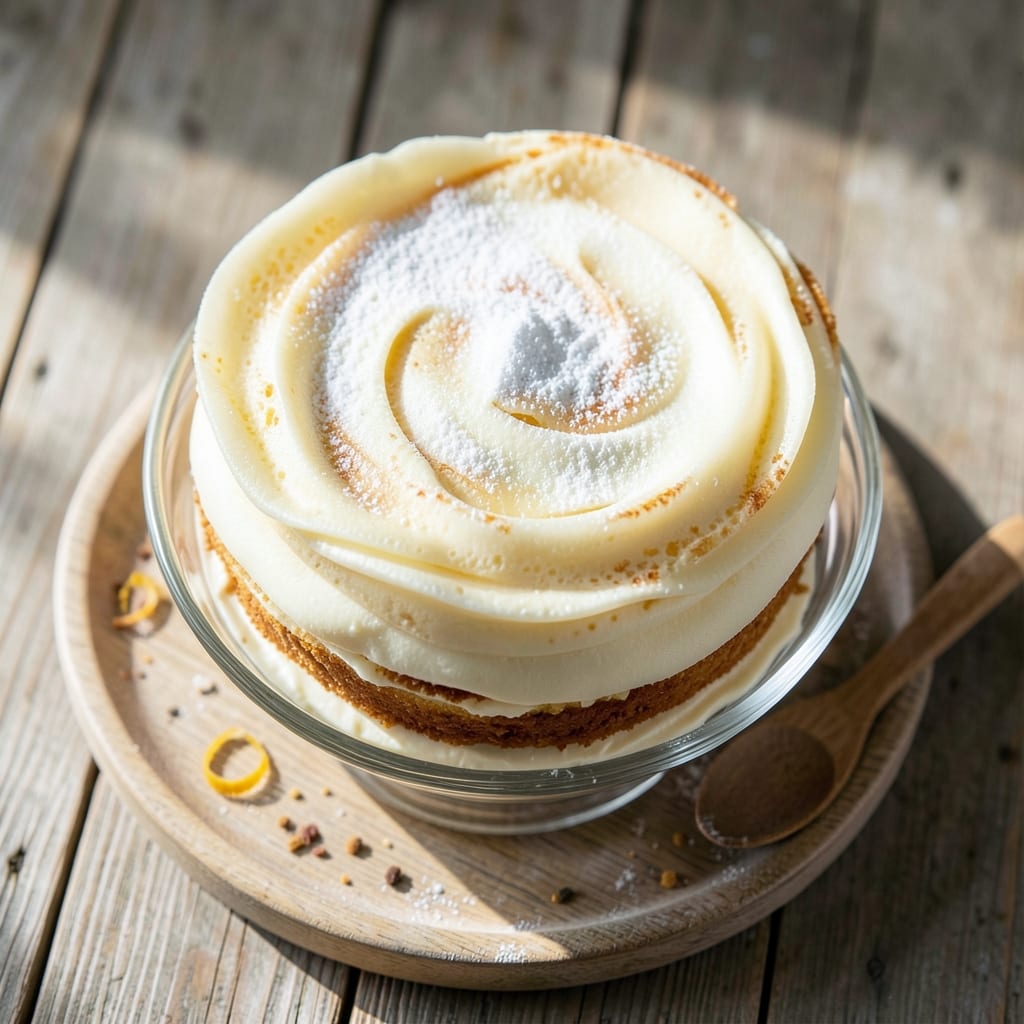
This 2-egg chiffon cake recipe delivers the signature light-as-air texture without requiring three eggs or special equipment—just one 9-inch pan and a whisk. The secret lies in properly separating the eggs, whipping the whites to stiff peaks, and folding them into the batter with precision, creating a structure that holds its height even after baking. I’ve perfected this method over years of testing, ensuring every slice stays moist and tender with just a whisper of sweetness.
The beauty of this recipe is its simplicity—no complicated techniques, no expensive ingredients. You’ll use cake flour for a fine texture, vanilla for subtle depth, and a touch of cream of tartar to stabilize the egg whites. The key is patience: letting the batter rest before baking allows the gluten to relax, resulting in a cake that’s both airy and sturdy. Even beginners can achieve restaurant-quality height with these straightforward steps.
What you’ll end up with is a cake that’s golden and domed, with a velvety crumb that practically melts in your mouth. The texture is so light it feels almost weightless, yet it holds its shape perfectly when sliced. Serve it with a dusting of powdered sugar, fresh berries, or a drizzle of fruit compote for a dessert that feels indulgent yet balanced. This cake is perfect for celebrations, impromptu desserts, or whenever you crave something elegant without the fuss.
Once you try this foolproof method, you’ll never go back to traditional chiffon cakes. The instructions break down the folding technique in detail, so you’ll get it right the first time. Ready to bake a cake that’s as impressive as it is easy? Let’s get started.
Ingredients for 2 egg chiffon cake
Just twelve ingredients transform into a cake so light it practically floats off your plate.
| Ingredient | Amount | Notes |
|---|---|---|
| Large Eggs 🥚 | 2 whole | Room temperature, separated |
| Granulated Sugar 🍚 | 1 ½ cups | Divided for batter and whites |
| Cream of Tartar 🧂 | ¼ tsp | Stabilizes egg whites |
| Cake Flour 🌾 | 1 ½ cups | Sifted, plus extra for pan |
| Unsalted Butter 🧈 | ½ cup | Melted, full-fat preferred |
| Pure Vanilla Extract 🌿 | 1 tsp | High-quality, no alcohol |
| Whole Milk 🥛 | ¼ cup | Room temperature |
| Vegetable Oil 🫒 | ¼ cup | Light, neutral flavor |
| Baking Powder 🧂 | 1 tsp | Aluminum-free preferred |
| Salt 🧂 | ¼ tsp | Fine sea salt |
| Powdered Sugar 🍚 | ½ cup | For dusting, sifted |
| Lemon Juice 🍋 | 1 tbsp | Freshly squeezed |
The eggs are non-negotiable—room temperature is critical for proper whipping. Kirkland Signature or Organic Valley eggs work best here. If you're using cage-free, make sure they're not too old (check the pack date). The cake flour? Bob's Red Mill is my go-to—it's sifted and consistent. Pro tip: sift it twice to avoid lumps. For the butter, Land O'Lakes unsalted melts smoothly, but any full-fat version works. The cream of tartar? Penzeys sells it in bulk if you bake often—it's a game-changer for stiff peaks.
No cream of tartar? White vinegar at half the amount works in a pinch, but your whites won't be as stable. Running short on vanilla? Almond extract at one-third the amount adds depth, but it's stronger so use sparingly. The milk can be swapped for coconut milk if you're avoiding dairy, but the texture will be slightly denser. For the powdered sugar, Domino is fine, but Confectioners' sugar with cornstarch (like Sugar 'n Spice) dissolves better. The lemon juice? Fresh is ideal, but bottled works if you've got it—just check for additives.
This batter needs at least 2 hours to rest before baking—don't skip it. Store leftovers in an airtight container for up to 3 days at room temperature, or freeze for 2 months. The cake reheats beautifully in the oven at 300°F for 10 minutes if you want it warm. For serving, I always dust with powdered sugar right before slicing—it keeps the crumb from drying out. The batter doubles as a great make-ahead dessert—just bake it the day before and store it covered.
Why You'll Love This Recipe
- Here’s what sold me: it costs next to nothing but tastes like a bakery showstopper. Cake flour keeps it light without breaking the bank, and the butter adds richness without requiring fancy ingredients. Leftovers? They vanish in days—trust me.
- Light as Air: I swear, this cake floats like a cloud—no heavy layers, no dense crumb. The secret’s in those eggs and cream of tartar, which whip up into a dreamy, almost ethereal batter that’s actually foolproof, even if you’re not a baking pro.
- Buttercream Ready: Honestly, the moment you pull this out of the oven, you’ll want to slather it in buttercream. The neutral base soaks up flavors like a sponge, so it’s perfect for vanilla, chocolate, or even a tangy lemon glaze—no extra fuss, just pure indulgence.
- Weeknight Magic: Between us, this is my go-to for when I need cake fast. Two eggs, a bowl, and 20 minutes later, you’ve got dessert. No waiting for ovens, no last-minute grocery runs—just slice and serve, even when life’s chaotic.
Step-by-step instructions for 2 egg chiffon cake
Here's the method that delivers that signature light-as-air texture using just two eggs.
Prepare the Egg Whites for Maximum Volume
Begin by separating the 2 whole large eggs into yolks and whites at room temperature. I use a fine-mesh sieve to catch any stray yolks—this ensures no grease gets into your whites. Transfer the whites to a spotless, grease-free bowl and add the 0.25 teaspoon cream of tartar. This acid stabilizes the whites, helping them hold more air and create that signature chiffon texture.
Using an electric mixer on low speed, beat the whites until frothy. Gradually add 0.5 cup granulated sugar from the total 1.5 cups while mixing on medium-high speed. Increase to high speed and beat until stiff peaks form—when you lift the beaters, the peaks should stand straight up and hold their shape. This process takes about 5-7 minutes. Don't rush this step; proper aeration is key to that light-as-air crumb.
Whisk Yolk Mixture to Smooth Perfection
In a separate bowl, whisk together the 2 egg yolks, remaining 1 cup granulated sugar, 0.5 cup melted unsalted butter, 0.25 cup whole milk, 0.25 cup vegetable oil, 1 teaspoon pure vanilla extract, 1 teaspoon baking powder, and 0.25 teaspoon salt until completely smooth and homogeneous. The mixture should be thick but pourable—like heavy cream. I like to use a whisk for this step to avoid overmixing, which could develop gluten in the flour later.
Gently fold 1 tablespoon lemon juice into the yolk mixture. This subtle acidity helps balance the sweetness and adds a delicate brightness that complements the vanilla. The lemon juice also reacts with the baking powder to create additional lift during baking. Keep this mixture nearby—we'll combine it with the egg whites in the next step.
Fold Wet into Dry with Precision
Now for the delicate part: folding. With a large spatula, gently combine about one-third of the egg white mixture with the yolk mixture to lighten it. This creates a bridge between the two components. Then, using a folding motion (cutting through the center and gently turning the bowl), gradually incorporate the remaining egg whites in three additions. Be careful not to deflate the whites—your goal is to maintain that airy structure while combining everything.
After folding, the batter should be thick but still able to flow slowly. If it's too thick, you can gently fold in 1-2 tablespoons of the reserved egg whites to achieve the right consistency. This batter is unlike traditional cake batters—it should look almost like a thick meringue. Pour the batter immediately into an 8-inch tube pan lined with parchment paper, tapping the pan gently on the counter to remove air bubbles.
Bake with Precision for Perfect Rise
Preheat your oven to 325°F—this lower temperature is crucial for even baking without collapsing the structure. Place the tube pan in the center rack and bake for 50-60 minutes, or until the top springs back when lightly touched. You'll know it's done when the cake pulls away from the sides of the pan and a toothpick inserted in the center comes out clean. The cake should have risen significantly but still maintain its shape—no dome or cracks.
Here's the thing—don't open the oven door during baking. The sudden temperature change can cause the cake to sink. If you're worried about doneness, use an instant-read thermometer; the internal temperature should reach 205-210°F. Once done, remove from the oven and let cool in the pan for 10 minutes before inverting onto a wire rack to cool completely.
Dust and Serve for Maximum Drama
While the cake cools, sift 0.5 cup powdered sugar over a fine-mesh sieve. Once the cake is completely cool, invert it back onto the serving plate and dust generously with the powdered sugar. This step isn't just for looks—it adds a delicate sweetness that balances the cake's natural flavor. For extra flair, you can also drizzle a simple glaze made from 2 tablespoons powdered sugar and 1 teaspoon lemon juice, thinned with 1 teaspoon water.
The cake should be light enough to almost float when lifted from the center. Slice with a sharp serrated knife, and you'll see that signature chiffon texture—tender, airy, and completely different from traditional cakes. Serve immediately or store in an airtight container for up to 3 days—though I doubt it'll last that long!
Pro Tips For Making 2 Egg Chiffon Cake
- Separate yolks first: The whites need to be bone-dry—no traces of yolk—so dump the yolks into a separate bowl before whipping the whites. I learned this the hard way when a stubborn bit of yolk snuck into my meringue, turning my cake into a sad, dense brick. Trust me, a little extra elbow grease here saves you from starting over.
- Use cold butter: This isn’t a buttercream—don’t melt it. Cut that unsalted butter into tiny cubes and fold it into the batter last, keeping everything cold until the very end. Warm butter = greasy, heavy cake. Cold butter = tender, fluffy layers that actually hold their shape. (Yes, even if you’re impatient like me.)
- Don’t overmix the batter: Once you fold in the flour, stop after three gentle turns. Chiffon cake relies on air, and overmixing deflates the whites faster than a hot-air balloon with a leak. Think "just combined," not "homogeneous." I used to panic and stir until it looked smooth—now I resist the urge and save myself from a dense center.
- Bake until springy: The cake’s done when it pulls away from the sides and springs back when pressed lightly—like a trampoline, not Jell-O. If you pull it out too soon, it’ll collapse like a sad soufflé. (I’ve seen it happen.) Let it cool in the pan for 10 minutes first, then finish cooling on a rack—this keeps the texture light, not gummy.
Dietary considerations for this dish
Gluten-Free Adaptation
Swap the 1.5 cups cake flour for a 1:1 gluten-free blend like Bob's Red Mill or King Arthur to maintain structure. Add 1 teaspoon xanthan gum to ensure proper rise and moisture retention. The texture will be slightly denser but still light—just fold carefully to avoid deflating the egg whites. 🌾
Dairy-Free Options
Replace 0.5 cup unsalted butter and 0.25 cup whole milk with 0.5 cup coconut oil (melted) and 0.25 cup almond milk for a neutral flavor. The cake will stay moist, though the texture may lean slightly richer. For extra insurance, use 0.25 cup neutral oil (like vegetable) instead of coconut oil to avoid coconut overtones.
Egg Substitutes
If you need to avoid eggs entirely, this recipe isn’t ideal—but you can try a flax egg hack for structure. Mix 2 tablespoons ground flaxseed with 6 tablespoons water and let sit for 5 minutes to thicken. Use this to replace 1 egg (though the texture will be denser). For the second egg, consider aquafaba (chickpea brine) whipped with 0.25 tsp cream of tartar—but expect a slightly gummy result. 🥚
Lower Sugar Version
Reduce the 1.5 cups granulated sugar to 1 cup and replace the remaining 0.5 cup with 0.5 cup monk fruit sweetener (like Lakanto) for a lower-glycemic option. The cake will still rise beautifully, but the flavor will be subtly less sweet—balance it with extra vanilla or a citrus glaze. Use a digital scale for precise measurements.
Nut-Free Considerations
This recipe is naturally nut-free, but always check labels on vanilla extract (some brands use almond extract) and powdered sugar (may contain nut processing warnings). For extra safety, opt for certified nut-free brands like McCormick for vanilla and Domino for powdered sugar. Cross-contamination is rare but possible in shared kitchens.
Nutrition facts
Frequently asked questions
Why does this recipe only use 2 eggs?
This recipe achieves the signature chiffon texture using just 2 eggs by maximizing their volume through proper whipping and folding techniques. The cream of tartar stabilizes the egg whites, allowing them to hold more air without collapsing. Plus, the yolk mixture is enriched with butter and oil to maintain moisture—so you get all the lightness without needing extra eggs!
Can I bake this in a different pan size?
Yes, but adjust baking time accordingly. For a 9-inch round pan, bake for 40-45 minutes at 325°F. For a 6-inch pan, reduce baking time to 30-35 minutes. The key is to bake until the center reaches 205-210°F—an instant-read thermometer is your best friend here. Always use parchment paper to prevent sticking.
What if my egg whites won't whip to stiff peaks?
This usually happens if your whites are too warm or your bowl isn't completely clean. Make sure your eggs are at room temperature (not cold) and your bowl is free of grease or yolk residue. Try adding 1/8 tsp extra cream of tartar or a pinch of salt to help stabilize them. If all else fails, use a hand mixer instead of a stand mixer for better control.
How do I prevent the cake from collapsing?
Avoid opening the oven door during baking, which causes temperature fluctuations that can make the cake sink. Also, don't overmix the batter when folding—use a gentle, cutting motion to preserve the air pockets. Let the cake cool completely in the pan before removing it, and never rush the 2-hour batter rest time.
Can I make this cake ahead of time?
Bake the cake 1 day ahead and store it in an airtight container at room temperature. For longer storage, freeze it for up to 2 months. To serve, let it thaw at room temperature for 1 hour before dusting with powdered sugar. The texture actually improves after resting—it becomes even more tender!