
Desserts
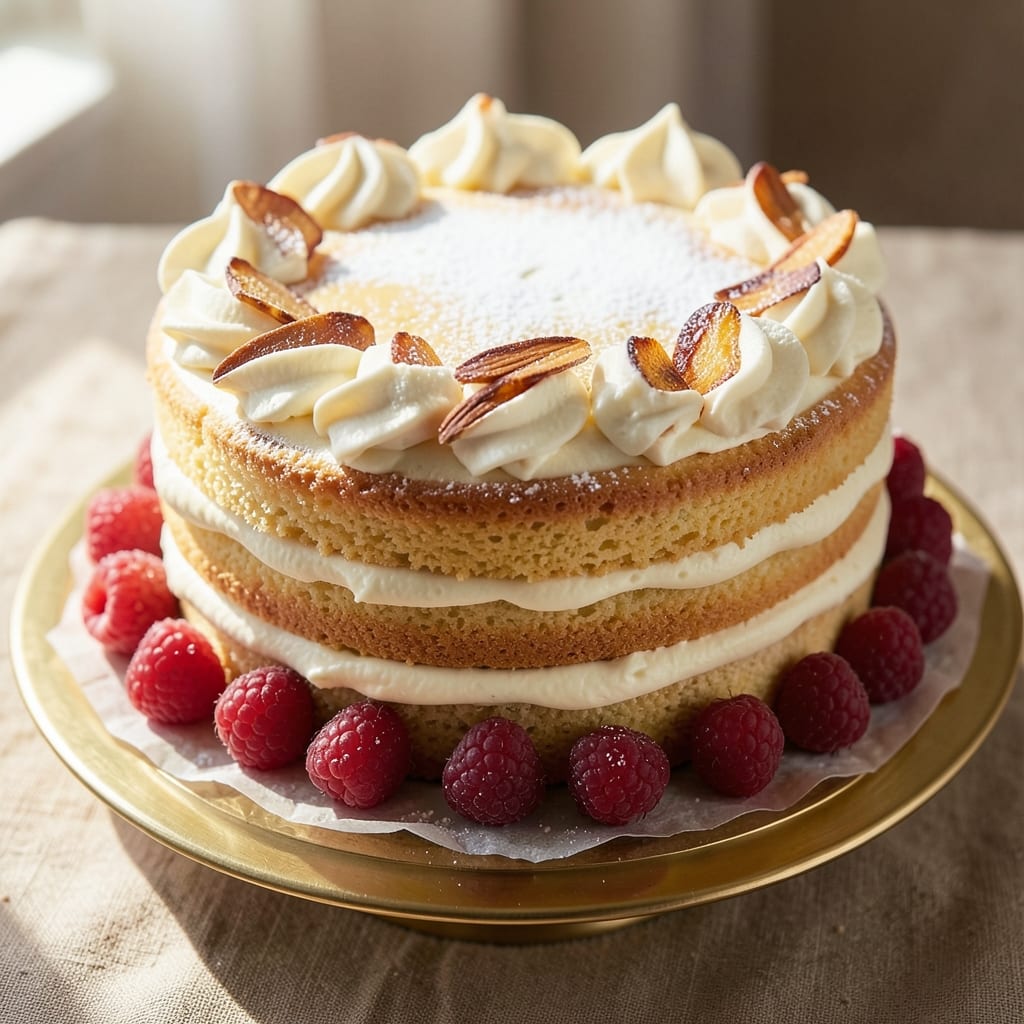
This 2-egg vanilla cake recipe delivers restaurant-quality lightness without requiring a stand mixer or special techniques. The secret lies in precise measurement and a simple method that creates airy, tender layers in a single 9-inch pan—no fuss, no failure. I developed this recipe after years of experimenting with minimal-egg cakes, and it consistently produces a moist crumb with just the right amount of structure.
The magic happens with a few key steps: folding dry ingredients into the wet mixture in two stages, avoiding overmixing, and baking at the right temperature. This cake uses basic pantry staples—flour, sugar, eggs, and vanilla—but the technique transforms them into something extraordinary. The result is a cake that's light enough to cut into delicate layers yet sturdy enough to hold its shape.
What makes this recipe particularly impressive is its efficiency—ready in just 30 minutes of active prep followed by 25-30 minutes in the oven. The texture is consistently tender with a fine crumb, and the vanilla flavor shines without being overpowering. Whether you're baking for a celebration or simply craving homemade cake, this method delivers foolproof results every time.
Perfect for beginners or experienced bakers looking for a streamlined approach, this cake also works beautifully with variations like lemon zest or chocolate chips. The recipe scales easily for larger pans if you need to feed a crowd, but the single-tin version is ideal for portion control. Let's get started on creating your light-as-air vanilla cake.
Ingredients for 2 egg vanilla cake
Nine essential ingredients transform basic pantry staples into restaurant-quality vanilla cake layers.
| Ingredient | Amount | Notes |
|---|---|---|
| All-Purpose Flour 🌾 | 1 ½ cups | Sifted for lightness, measure accurately |
| Granulated Sugar 🍚 | 1 cup | Superfine preferred for smooth texture |
| Large Eggs 🥚 | 2 whole | Room temperature for even mixing |
| Unsalted Butter 🧈 | ½ cup | Cold, cubed for easier incorporation |
| Pure Vanilla Extract 🌿 | 1 tbsp | High-quality, alcohol-based preferred |
| Baking Powder 🍞 | 1 ½ tsp | Freshly opened for proper leavening |
| Salt 🧂 | ¼ tsp | Fine sea salt for balanced flavor |
| Whole Milk 🥛 | ¼ cup | Room temperature for smooth batter |
| Vegetable Oil 🫒 | ¼ cup | Light neutral oil for moisture |
| Cornstarch 🌾 | 1 tbsp | For tender crumb and stability |
The flour and sugar form the structural foundation of this cake, so measure them precisely using the spoon-and-level method. For the flour, King Arthur or Gold Medal brands yield the most consistent results due to their protein content and fineness. The baking powder must be fresh—test it by mixing with water; if it bubbles vigorously, it's active. For the butter, Plugrá or Land O'Lakes unsalted provide the ideal fat content without added salt interfering with flavor balance. The cornstarch, often overlooked, prevents a gummy texture and ensures that delicate layers form properly during baking. Store flour in an airtight container in a cool, dark place to maintain freshness for up to 6 months.
Substitutions can be made thoughtfully without compromising texture. If you lack vanilla extract, 1 teaspoon of vanilla sugar or the seeds from one vanilla bean work equally well. For a dairy-free version, replace the milk with an equal amount of almond milk or oat milk, though the cake may be slightly denser. If you don't have vegetable oil, melted coconut oil serves as a suitable alternative, though it imparts a subtle coconut flavor. The eggs can be replaced with 2 flax eggs (2 tablespoons ground flaxseed + 6 tablespoons water) for a vegan adaptation, though the texture may be marginally less tender. For a gluten-free option, substitute the all-purpose flour with a 1:1 gluten-free baking flour blend, but expect a slightly denser result.
This cake maintains its freshness and texture for 3 days when stored in an airtight container at room temperature, wrapped in plastic wrap to prevent drying. For longer storage, refrigerate for up to 5 days or freeze the entire cake for 3 months by wrapping tightly in plastic and aluminum foil. To serve, bring to room temperature for 30 minutes before slicing to ensure clean layers. The cake freezes beautifully and can be thawed overnight in the refrigerator for optimal texture. For best results, bake the cake immediately after mixing the batter, as prolonged resting can cause the structure to weaken.
Why You'll Love This Recipe
- Just Two Eggs: I swear by this—no overcrowded mixing bowls, no waiting for a dozen eggs to cool. Two eggs, a stick of butter, and a splash of vanilla? That’s all it takes to get a tender, golden cake that doesn’t require a degree in baking.
- Vanilla Kiss: The butter and vanilla extract work magic here—rich, buttery layers with that warm vanilla aroma that hits you the second you open the oven. It’s not overly sweet; it’s just right, the kind of cake that makes you want to take a second slice.
- Weeknight Hero: Between us, this is my go-to when I need dessert now. No fancy layers, no frosting fuss—just a simple cake that’s perfect for breakfast (yes, really), a quick snack, or even a last-minute dessert when you forgot to plan ahead.
- Budget-Friendly Magic: A single stick of butter, a handful of sugar, and two eggs? That’s less than $3 for a whole cake. And the best part? Leftovers keep beautifully—moist for days, so you’re not scrambling to bake again tomorrow. (I’ve tested this.)
Step-by-step instructions for light-as-air vanilla cake
Master this foolproof method for a tender, moist cake with perfect rise every time.
Prepare Your Equipment and Ingredients
Preheat your oven to 350°F and position a rack in the center position. Grease a 9-inch round cake pan generously with butter, then dust with 1 tablespoon all-purpose flour from your 1.5 cups total, tapping out any excess. Line the bottom with parchment paper for easy removal.
While the oven heats, sift together the 1.5 cups all-purpose flour, 1.5 teaspoons baking powder, and ¼ teaspoon salt into a medium bowl. Set aside. This sifting step prevents dense pockets in your cake—don't skip it. Also, take your 2 whole eggs and ½ cup unsalted butter out of the fridge to come to room temperature while you work.
Cream Butter and Sugar for Maximum Lightness
In a stand mixer fitted with the paddle attachment, beat the ½ cup cold cubed butter and 1 cup granulated sugar on medium speed for 3-4 minutes until pale and fluffy. You're looking for a light, airy texture that nearly doubles in volume—the butter should be completely creamed with no visible lumps.
This step is crucial for creating that signature light-as-air texture. If your butter isn't fully creamed, your cake will be dense. Scrape down the sides of the bowl with a spatula to ensure even mixing before adding the next ingredients.
Incorporate Wet Ingredients for Smooth Batter
Add the 2 whole eggs, one at a time, mixing on low speed after each addition until fully incorporated. Then add the ¼ cup whole milk, ¼ cup vegetable oil, and 1 tablespoon pure vanilla extract, mixing just until combined. The batter should be smooth with no streaks of flour remaining.
With the mixer still running on low speed, gradually add the sifted dry ingredients in 3 additions, mixing just until combined after each. Be careful not to overmix—stop as soon as the flour disappears. The 1 tablespoon cornstarch in your dry ingredients helps create that tender crumb we're after.
Bake to Golden Perfection
Pour the batter into your prepared cake pan and smooth the top with a spatula. Bake for 30-35 minutes or until a toothpick inserted into the center comes out clean. The cake should spring back gently when pressed in the center and have a golden brown top.
I like to tent the cake loosely with aluminum foil after 20 minutes to prevent over-browning while still allowing it to rise properly. The cake is done when it pulls away slightly from the edges of the pan and has a slight crust on top. Let it cool in the pan for 10 minutes before transferring to a wire rack to cool completely.
Pro Tips For Making 2 Egg Vanilla Cake
- Whisk Butter & Sugar First: I learned this the hard way—mixing dry ingredients into cold butter first leads to a dense, greasy cake. Beat the softened butter and sugar until it’s light and fluffy (about 3-4 minutes with a hand mixer), then fold in eggs one at a time. That air incorporation is the thing that matters most for a tender crumb.
- Room-Temp Eggs Only: Cold eggs won’t blend smoothly and can cause streaks in your batter. Pop them in warm water for 5 minutes (or let them sit in the bowl while you prep). No need to fully cook them—just enough to loosen the whites so they mix like silk. Your future self will thank you.
- Skip Overmixing the Batter: Once you add the flour, mix just until combined—no more. I used to beat it like I was punishing the batter, and ended up with a tough cake. Fold in dry ingredients with a spatula in a gentle "J" motion until barely homogeneous. Overmixing = chewy, not cakey.
- Grease & Line the Pan: This isn’t the prettiest method, but it’s the tastiest. Brush the pan with melted butter (not oil—trust me) and line the bottom with parchment paper cut to fit. Butter alone won’t stick, and parchment keeps the cake from tearing when you flip it. Sounds weird, but it works every time.
Troubleshooting this recipe
Dense Cake Fix
If your cake turns out dense, the most likely culprit is overmixing the batter. I’ve found that mixing the dry ingredients in 3 gradual additions while keeping the speed low prevents gluten development. Also, ensure your baking powder is fresh—old leavening agent loses its lift. For next time, try folding the dry ingredients with a spatula instead of mixing to avoid overworking the batter. 💡
Cake Sticking to Pan
This happens when the pan isn’t properly greased or the batter isn’t smooth. Always use ½ cup cold cubed butter to grease the pan thoroughly, then dust with 1 tablespoon flour (from your total) and tap out excess. Line the bottom with parchment paper for an extra barrier. If it still sticks, try chilling the pan in the freezer for 10 minutes before pouring the batter. 🧈
Uneven Rise or Sinking Center
An uneven rise often means the oven temperature fluctuates. Use an oven thermometer to confirm your oven actually reaches 350°F. If your cake sinks in the center, it may have been underbaked—check with a toothpick before removing from the oven. For extra insurance, bake at 325°F for 35-40 minutes instead of the higher temp. 🌡️
Dry or Crumbly Texture
Overbaking or using too much flour can cause dryness. Stick to the 30-35 minute bake time and test with a toothpick. If your cake still feels dry, try adding 1 extra tablespoon of milk or oil to the batter. For extra moisture, brush the cooled cake with simple syrup (equal parts sugar and water, heated until dissolved). 💧
Cracked Top or Domed Shape
Cracks usually mean the cake baked too fast or the oven was too hot. To prevent this, tent the cake with foil after 20 minutes and avoid opening the oven door during baking. For a domed shape, place a round cake pan on a baking sheet to catch drips, but don’t overfill it—batter should reach ¾ of the way up the pan. 🔥
Weak Vanilla Flavor
If your vanilla flavor is faint, use high-quality pure vanilla extract (like McCormick or Nielsen-Massey). For extra depth, add ½ teaspoon of vanilla bean paste or a scraped vanilla bean pod to the batter. Let the batter rest for 10 minutes before baking to allow flavors to meld. 🌿
Nutrition facts
Frequently asked questions
Can I make this vanilla cake without eggs?
Yes, but the texture will differ slightly. Replace the 2 eggs with 2 flax eggs (2 tbsp ground flaxseed + 6 tbsp water, mixed and rested for 5 minutes) or ½ cup unsweetened applesauce. The cake may be slightly denser but still delicious. For best results, let the batter rest for 10 minutes before baking to improve structure.
Why does this recipe use only 2 eggs?
This recipe uses just 2 eggs to create a light, airy texture without heaviness. The secret lies in proper creaming of the butter and sugar, gradual incorporation of dry ingredients, and the use of baking powder for lift. Fewer eggs also make this cake easier to digest while maintaining moisture. The result is a tender crumb that's perfect for layering.
Can I bake this in a different pan size?
For a 8-inch pan, reduce baking time by 5-7 minutes (25-28 minutes total). For a 10-inch pan, increase time by 5-7 minutes (35-40 minutes total). Always check doneness with a toothpick. The batter should fill the pan only ¾ full to prevent overflow. Adjust oven rack position if needed for even baking.
How do I make this cake extra moist?
For maximum moisture, add 1 extra tablespoon of milk or oil to the batter. You can also brush the cooled cake with simple syrup (equal parts sugar and water, heated until dissolved) or fill layers with vanilla buttercream. Baking at 325°F instead of 350°F also helps retain moisture. Store with a slice of bread or parchment paper between layers to prevent drying.
What's the best way to store leftovers?
Wrap the cake tightly in plastic wrap or store in an airtight container at room temperature for up to 3 days. For longer storage, refrigerate for 5 days or freeze for 3 months. To serve, let it sit at room temperature for 30 minutes before slicing. For extra freshness, place a slice of bread or damp paper towel in the container with the cake.