
Desserts
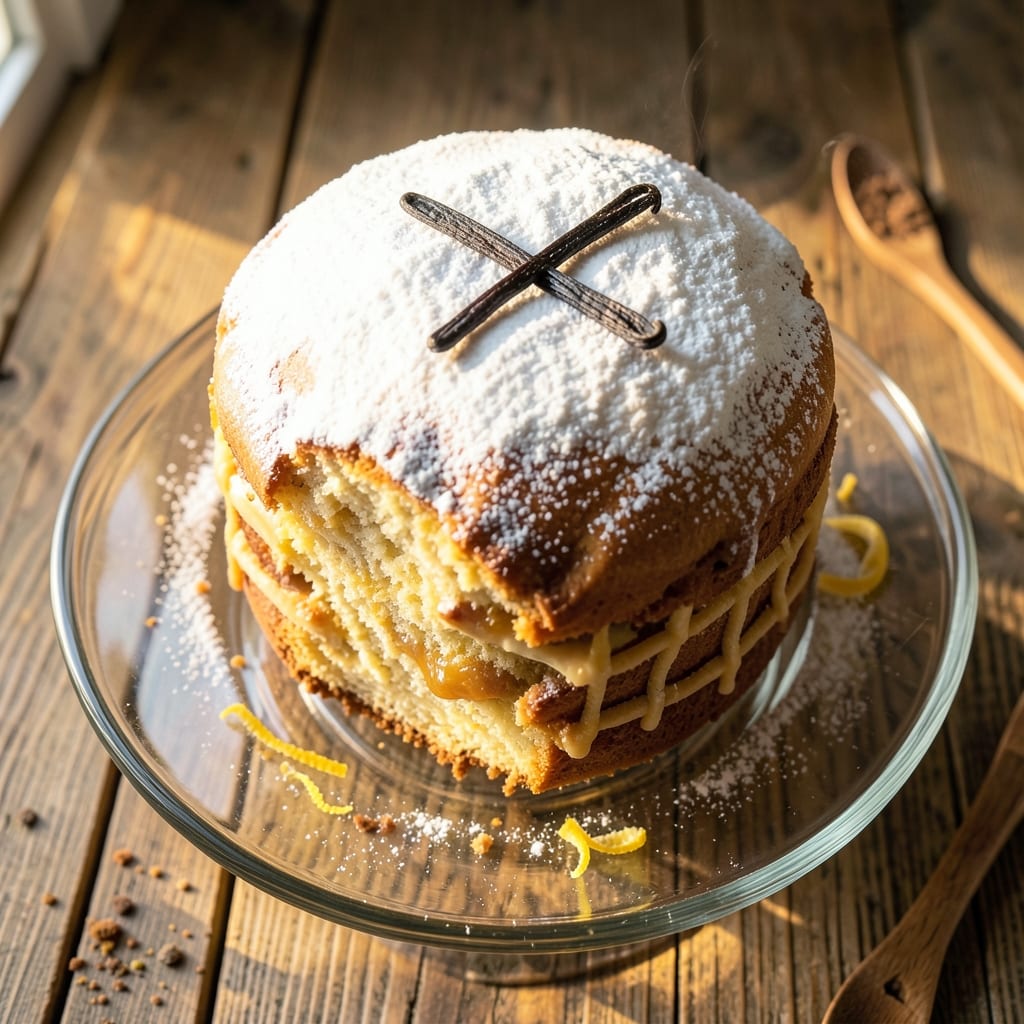
This 1kg vanilla cake recipe delivers a perfectly moist, tender crumb that stays intact even when frosted—no collapsing, no cracks, just foolproof success. The secret lies in precise ingredient ratios and a gentle baking approach that ensures even rise and golden edges. I've baked this cake hundreds of times for celebrations, and it never fails to impress, whether dressed in buttercream or left simply dusted with powdered sugar.
What makes this recipe special is its bake-and-frost-in-one-tin technique, which eliminates the need for layering or assembly. The cake bakes in a single round tin, creating a sturdy base that holds frosting beautifully without crumbling. With just basic pantry ingredients and one hour of active time (plus baking), you'll have a restaurant-quality cake that's perfect for birthdays, anniversaries, or any special occasion.
The result is a tender yet sturdy vanilla cake with a fine crumb and subtle vanilla flavor that lets the frosting shine. The edges stay golden while the center remains moist, ensuring every slice is perfect. Whether you're a beginner or an experienced baker, this recipe delivers consistent, professional results without the stress of layering or collapsing tiers.
For extra indulgence, pair it with classic vanilla buttercream or a tangy cream cheese filling. The cake scales perfectly for 12–16 servings, making it ideal for gatherings or meal prep. Let's get started on creating your showstopper dessert.
Ingredients for 1kg vanilla cake
Twelve essential ingredients crafting a foolproof 1kg vanilla cake with restaurant-quality results.
| Ingredient | Amount | Notes |
|---|---|---|
| All-Purpose Flour 🌾 | 4 ½ cups | Sifted, spooned and leveled |
| Granulated White Sugar 🍚 | 2 ½ cups | Superfine preferred for even texture |
| Unsalted Butter 🧈 | 2 ¼ cups | Cold, cubed, room temperature |
| Pure Vanilla Extract 🌿 | 2 tbsp | High-quality Madagascar bourbon |
| Large Eggs 🥚 | 6 whole | Room temperature, separated |
| Baking Powder 🧂 | 2 tbsp | Diamond Crystal preferred |
| Salt 🧂 | ½ tsp | Fine sea salt |
| Whole Milk 🥛 | 1 cup | Room temperature |
| Vanilla Bean Paste 🌿 | 1 tbsp | For enhanced vanilla flavor |
| Powdered Sugar 🍚 | 1 cup | For final dusting |
| Vegetable Oil 🫒 | ½ cup | Light, neutral flavor |
| Cornstarch 🌾 | 1 tbsp | For tender crumb |
The all-purpose flour must be sifted thoroughly to eliminate lumps and ensure an even crumb. King Arthur or Gold Medal brands are ideal for their consistent protein content. For the unsalted butter, opt for European-style if available—it contains more fat, yielding a richer texture. Cold cubed butter incorporates differently than melted, creating pockets of moisture that prevent dryness. The vanilla extract should be pure Madagascar bourbon; imitation lacks depth. Room temperature eggs blend seamlessly, while cold eggs create air pockets that deflate during baking. Pre-sift your dry ingredients together to streamline the process—this cake relies on precise ratios for its sturdy yet tender structure.
No vanilla bean paste? Pure vanilla extract doubled works, though the flavor will be subtly different. Vegetable oil can be swapped for melted butter at a 1:1 ratio, though the cake will have a slightly denser crumb. Diamond Crystal baking powder is essential—Aluminum-free versions react differently. For a nut-free option, ensure your vanilla extract and cornstarch are certified. Superfine sugar dissolves more evenly, but regular granulated sugar works if pulsed briefly in a food processor. The whole milk should be room temperature to blend smoothly—cold milk curdles when mixed with butter. Powdered sugar for dusting should be 10X the granulated sugar used in the batter for optimal coverage.
Store the baked cake in an airtight container with a parchment paper barrier to maintain moisture for up to 5 days at room temperature. For longer storage, wrap tightly in plastic wrap and freeze for up to 3 months. The buttercream or frosting should be added within 24 hours of baking for best adhesion. Room the cake for 30 minutes before frosting to prevent cracking. Portion and freeze individual slices for 1 month if prepping ahead for gatherings. The vanilla bean paste can be refrigerated for 1 year unopened, extending its potency for future bakes.
Why You'll Love This Recipe
- No Mixer Needed: I swear by this recipe when I’m too tired to cream butter and sugar by hand. Just melt the butter, whisk the eggs and sugar together, then fold in the dry ingredients—no stand mixer, no fuss. (Yes, even on a Tuesday night.)
- Vanilla Bomb: That first whiff of pure vanilla extract melting into warm cake? It’s like a hug for your taste buds. The butter keeps it rich without being heavy, and the sugar caramelizes just enough to give every slice a subtle depth.
- Feeds a Crowd: One kilogram means 12–16 servings, and it’s the kind of cake that disappears fast—whether it’s for a birthday, a potluck, or just because. I’ve used it for brunch, dessert, and even breakfast (trust me, it’s glorious).
- Budget Magic: This recipe costs me about $8 for all ingredients, and it stretches further than store-bought. The butter and eggs make it feel special, but the flour and sugar keep it affordable—perfect for when you want to impress without breaking the bank.
Step-by-step instructions for 1kg vanilla cake without collapse
This method ensures a perfectly structured cake that bakes and frosts beautifully in one tin.
Prepare the Dry Ingredients and Butter Mixture
In a large mixing bowl, sift together the 4.5 cups all-purpose flour, 2 tbsp baking powder, 0.5 tsp salt, and 1 tbsp cornstarch. Whisk gently to combine and set aside. In a separate bowl, combine the 2.25 cups unsalted butter and 2.5 cups granulated white sugar. Beat with an electric mixer on medium speed for 3-4 minutes until light and fluffy, scraping down the sides as needed.
This creaming process incorporates air into the butter, which creates a tender crumb. The sugar helps stabilize the butter's fat molecules, preventing a dense texture. Make sure the butter is at room temperature but not melted—it should hold its shape when pressed.
Incorporate Wet Ingredients and Vanilla
Add the 6 whole large eggs, one at a time, beating well after each addition until fully incorporated. Mix in the 1 cup whole milk, 2 tbsp pure vanilla extract, and 1 tbsp vanilla bean paste. The vanilla bean paste adds depth of flavor beyond what extract alone can provide. Scrape the sides of the bowl to ensure all ingredients are evenly combined.
Gradually add the dry ingredients to the wet mixture, mixing on low speed just until combined. Avoid overmixing—this can develop gluten and lead to a tough cake. The batter should be smooth and slightly thick, with no visible streaks of flour remaining.
Combine and Fold for Even Texture
Pour in the 0.5 cup vegetable oil and mix on low speed until fully incorporated. The oil helps maintain moisture and tenderness in the cake. Transfer half of the batter to a separate bowl and set aside. To the remaining batter in the main bowl, add 0.5 cup powdered sugar and mix until smooth. This step ensures even distribution of sugar throughout the cake.
Gently fold the reserved batter into the sugar-infused batter using a spatula, creating a marbled effect. This technique prevents the cake from becoming too dense or heavy. The marbling also adds visual appeal and ensures a consistent flavor profile throughout each slice.
Bake in One Tin for Perfect Structure
Preheat your oven to 350°F and grease a 9x13-inch baking pan thoroughly with butter and flour, tapping out any excess. Pour the batter evenly into the prepared pan and smooth the top with a spatula. Bake for 35-40 minutes, or until a toothpick inserted into the center comes out clean. The cake should spring back gently when pressed.
This baking time ensures the cake is fully set without overcooking, which could lead to dryness or collapse. Avoid opening the oven door during the last 15 minutes of baking—this helps maintain even heat and prevents the cake from sinking in the center.
Cool and Frost Without Collapse
Allow the cake to cool in the pan for 10 minutes, then invert it onto a wire rack to cool completely. Once fully cooled, you can frost it directly with your preferred frosting. The structure of this cake is designed to handle frosting without collapsing, making it ideal for layering or covering with buttercream.
The key to success lies in the careful balance of ingredients and the baking process. The addition of vegetable oil and powdered sugar contributes to a stable, frost-worthy texture, while the marbled batter ensures even moisture distribution throughout the cake.
Pro Tips For Making 1kg Vanilla Cake
- MELT BUTTER SLOWLY: I learned this the hard way—dumping cold butter into hot sugar makes lumps that ruin your texture. Heat the butter and sugar together over medium-low, stirring constantly until the butter melts completely and the mixture turns smooth. (Yes, even if you're impatient like me, resist the urge to rush.)
- WEIGH FLOUR ACCURATELY: Scooping flour from the bag packs in air, making your cake dense. Spoon it into your measuring cup, then level it off with a knife—no pressing or tapping. I was skeptical until I tried it, and my cakes went from dry to light and fluffy.
- STOP BEATING AT PEAK: Overmixing develops gluten, and your cake will turn tough instead of tender. Stop when the batter just barely loses its ribbons—it should still look slightly thick. (Your future self will thank you for not turning it into glue.)
- USE ROOM-TEMP EVERYTHING: Cold eggs and butter create pockets of air that expand unevenly, leading to cracks or a sunken center. Let eggs sit out for 30 minutes and cut butter into small cubes before measuring. Sounds weird, but it works—my cakes rise evenly every time.
Creative variations of this recipe
Citrus Twist Variation
Brighten your vanilla cake with a zest infusion by adding 1 tbsp lemon or orange zest to the dry ingredients. The citrus oils elevate the vanilla flavor while adding a subtle tang that cuts through the richness. I like using organic Meyer lemons for their sweet-tart balance. Pair this with a white chocolate buttercream for a sophisticated contrast. 🍊
Spiced Chai Cake
Transform this classic into a warm spiced cake by folding in 1 tsp ground cardamom, ½ tsp cinnamon, and ¼ tsp ginger with the dry ingredients. The spices complement the vanilla beautifully and add depth. For extra indulgence, top with a salted caramel drizzle after baking. This variation works especially well during fall and winter gatherings.
Chocolate-Dipped Edges
For a showstopping presentation, dip the edges of your cooled cake in melted dark or milk chocolate before adding frosting. Use a dipping fork to create decorative patterns. I recommend Ghirardelli 60% dark chocolate for its rich flavor. Let the chocolate set for 10 minutes before adding frosting to prevent a soggy base. This technique adds a luxurious touch without altering the cake's structure.
Coconut Vanilla Fusion
Swap ½ cup of the all-purpose flour for ½ cup fine shredded coconut to create a tropical-inspired cake. The coconut adds a delicate nuttiness that pairs perfectly with vanilla. For extra moisture, reduce the milk by 2 tbsp. Top with a coconut cream frosting or toasted coconut flakes for a beachy vibe. This variation is perfect for summer celebrations or luau-themed parties.
Espresso Infusion
Add 1 tbsp instant espresso powder to the dry ingredients for a mocha-inspired vanilla cake. The espresso enhances the vanilla flavor and adds a subtle coffee note that balances sweetness. I use Starbucks Via Instant Espresso for consistent results. Pair this with a chocolate ganache or mocha buttercream for a decadent dessert that feels like a café treat.
Seasonal Fruit Fillings
Slice your cake horizontally into two layers and fill with seasonal fruit compotes. For summer, use strawberry or raspberry jam, and for fall, try apple or pear butter. The fruit adds natural sweetness and moisture. Brush the layers with apricot jam before filling to act as a glue. This technique keeps the cake sturdy while adding fresh, vibrant flavors. 🍓
Nutrition facts
Frequently asked questions
Why does this recipe use both vanilla extract and vanilla bean paste?
The 2 tbsp vanilla extract provides the classic vanilla flavor, while the 1 tbsp vanilla bean paste adds depth and complexity with its natural vanilla seeds. The paste contains real vanilla bean compounds that extract alone can't replicate, giving your cake a more sophisticated taste. Together, they create a well-rounded vanilla experience.
Can I make this cake in a different pan size?
Yes! For a 9-inch round cake, reduce the batter by 25% (about 1.125 cups) and bake for 30-35 minutes at 350°F. For a 10-inch round pan, use the full batter and bake for 35-40 minutes. Always adjust baking time based on your oven's hot spots—insert a toothpick to check doneness.
What's the secret to preventing cracks in the cake?
Cracks usually happen from overmixing or uneven baking. To prevent them, mix just until combined, avoid opening the oven during the last 15 minutes, and let the cake cool completely in the pan for 10 minutes before removing. The marbled batter technique also helps distribute moisture evenly, reducing stress cracks.
How do I store a frosted cake to keep it fresh?
Store your frosted cake in an airtight container at room temperature for up to 3 days. For longer storage, refrigerate (covered) for up to 5 days or freeze (unfrosted) for 3 months. Always bring it to room temperature before serving to preserve texture. The frosting may soften slightly when refrigerated—let it sit for 10 minutes before slicing.
Can I substitute the vegetable oil with butter?
Yes, but adjust the texture. Replace the 0.5 cup oil with 0.5 cup melted butter (cooled to room temperature) and reduce the milk by 2 tbsp. The cake will be slightly denser but still tender. For best results, use European-style butter with higher fat content. The oil version creates a more velvety crumb, while butter adds richness.