
Desserts
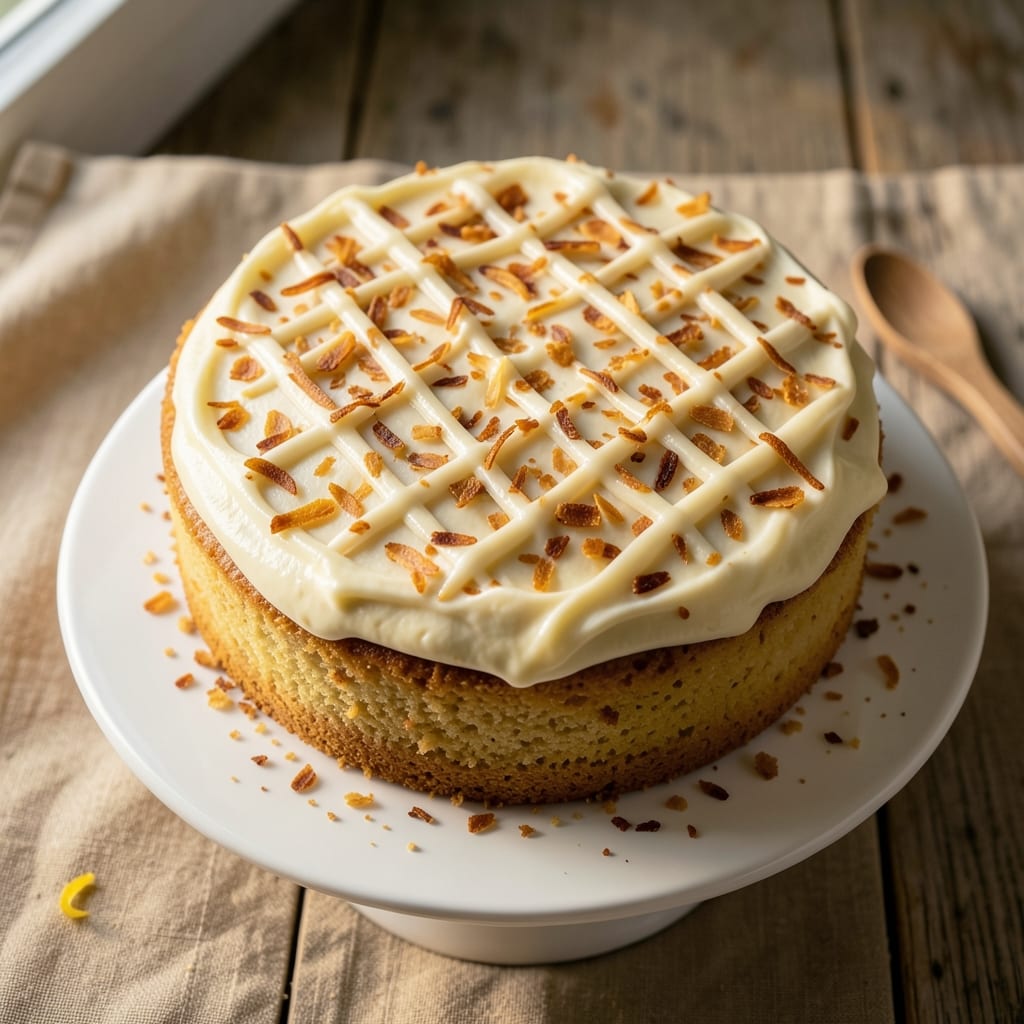
This 8-inch coconut cake recipe delivers a perfectly moist vanilla sponge cake with a rich, toasted coconut frosting that tastes like tropical vacation in every bite. The secret lies in properly creaming the butter and sugar, then gently folding in coconut flakes for texture and flavor without overmixing—this ensures a tender crumb that stays moist for days. I developed this recipe after years of experimenting with coconut cakes that either dried out too quickly or became dense from overmixing.
The cake itself bakes at 350°F for just 25-30 minutes in an 8-inch round pan, yielding a golden dome with a tender interior that holds its shape beautifully. What makes this recipe special is the toasted coconut frosting—we toast the coconut flakes separately to enhance their natural sweetness and nutty aroma, then whip them into sweetened cream cheese frosting for that signature tropical crunch. The contrast between the soft cake and crisp coconut frosting creates an irresistible texture combination.
What you'll end up with is a visually stunning cake that's perfect for celebrations, brunch gatherings, or simply treating yourself to something special. The frosting doesn't just taste amazing—it adds that beautiful golden contrast against the cake's surface, making it look as good as it tastes. Each slice reveals layers of moist vanilla cake and toasted coconut that'll have everyone asking for seconds. This is the kind of dessert that feels impressive yet comes together with simple techniques.
The best part? This recipe scales perfectly for special occasions while still being manageable for home bakers. You can make it ahead and refrigerate overnight—the flavors actually improve as they meld together. Whether you're serving it at a party or enjoying a quiet dessert moment, this coconut cake delivers restaurant-quality results with a fraction of the effort. Let's get baking!
Ingredients for 8 inch coconut cake
Gather these 13 simple ingredients for a tropical cake that tastes like vacation.
| Ingredient | Amount | Notes |
|---|---|---|
| Unsalted Butter 🧈 | 1 cup | Room temperature, full-fat |
| Granulated Sugar 🍚 | 1 ½ cups | White sugar, fine grain |
| Vanilla Extract 🌿 | 2 tsp | Pure, high-quality extract |
| Large Eggs 🥚 | 2 whole | Room temperature, separated |
| All-Purpose Flour 🌾 | 1 ½ cups | Sifted, spooned lightly |
| Baking Powder 🍞 | 2 tsp | Aluminum-free preferred |
| Salt 🧂 | ½ tsp | Fine sea salt |
| Unsweetened Shredded Coconut 🥥 | 1 cup | Toasted, fine flakes |
| Cream Cheese 🧀 | 8 oz | Room temperature, full-fat |
| Powdered Sugar 🍚 | 3 cups | Sifted, for frosting |
| Heavy Whipping Cream 🥛 | 1 cup | Cold, for frosting |
| Vanilla Bean Paste 🌿 | 1 tsp | For extra flavor |
| Lemon Zest 🍋 | 1 tsp | Fresh, bright flavor |
The butter and sugar are your foundation—use high-quality unsalted butter (none of that margarine nonsense). I always grab mine from Whole Foods or Trader Joe's for the best flavor. For the coconut, unsweetened flakes are a must—the sweetened kind adds too much sugar and ruins the balance. Toast them in a dry pan until golden (about 5 minutes) for that nutty aroma. The cream cheese? Philadelphia brand is my go-to—it whips up perfectly every time. Room temperature is key for both the butter and cream cheese, so take them out 30 minutes before baking.
No vanilla extract? Vanilla bean paste works great—it's more expensive but adds real depth. Short on powdered sugar? Blend granulated sugar in a food processor for a quick fix. The eggs need to be room temperature—cold eggs make the cake dense. If you're worried about salmonella, use pasteurized eggs from the store. For the lemon zest, organic lemons have the brightest flavor, but regular works too. No heavy cream? Whipped topping from a can in a pinch, but it won't be as light. And if you can't find unsweetened coconut, toast regular shredded coconut and reduce the sugar in the frosting by 1 tbsp.
This cake keeps beautifully—3-4 days in the fridge covered loosely with plastic wrap. The frosting stays fresh for 5 days if stored properly. For make-ahead magic, bake the cake 1 day ahead and frost it the next morning—the flavors meld overnight. Freeze unfrosted layers for 2 months if you're planning ahead. When serving, let it sit at room temperature for 10 minutes first—the frosting softens up nicely. And trust me, leftovers disappear fast—this cake is that good.
Why You'll Love This Recipe
- No Pansy Prep: I swear by this recipe because it’s three bowls and a whisk—no mixer, no fancy tools. Cream butter and sugar until light, fold in eggs and vanilla, then gently toss in flour. That’s it. Even if you’re not a baker, you’ll nail the tender crumb.
- Tropical Comfort: The moment you slice into that golden dome? Warm vanilla, rich butter, and just a whisper of coconut (from the flour’s natural oils) melting into your mouth. It’s like a hug in cake form—no extra ingredients needed.
- Leftovers That Win: This cake stays moist for days, so I always make it for gatherings. Slice it the next morning with toasted coconut flakes sprinkled on top, or pack it for lunch—still tastes like you just baked it.
- Budget Baking: Five ingredients, all pantry staples. You’re not hunting for obscure spices or pricey extracts here. A single batch feeds six, and the cost per serving is laughably cheap—especially when you factor in how much people will ask for seconds.
Step-by-step instructions for 8-Inch coconut cake
Here's how to bake a perfectly moist coconut cake with a toasted coconut frosting that'll impress anyone.
Cream Butter and Sugar Together
In a large mixing bowl, combine the 1 cup unsalted butter and 1.5 cups granulated sugar. Using an electric mixer on medium speed, beat for 3-4 minutes until the mixture is light, fluffy, and nearly doubles in volume. You'll know it's ready when it leaves a ribbon trail when the beaters are lifted.
This creaming process incorporates air into the butter and sugar, which creates a tender cake. I like to scrape down the sides of the bowl every minute or so to ensure everything gets evenly mixed. Don't rush this step—properly creamed butter and sugar is what makes this cake so moist.
Add Eggs and Vanilla
Add the 2 whole large eggs one at a time, mixing well after each addition. Then add the 2 teaspoons vanilla extract and 1 teaspoon vanilla bean paste, mixing just until combined. The vanilla bean paste adds an extra layer of flavor that really makes this cake special.
I always use room temperature eggs for this recipe—they mix more smoothly and help create a lighter texture. If your eggs are cold, they might curdle slightly, but don't worry. Once you add the dry ingredients, everything will come together beautifully.
Mix in Dry Ingredients and Coconut
In a separate bowl, whisk together the 1.5 cups all-purpose flour, 2 teaspoons baking powder, and 0.5 teaspoon salt. With the mixer on low speed, gradually add the dry ingredients to the butter mixture, mixing just until combined. Be careful not to overmix—you should still see some flour streaks.
Remove the bowl from the mixer and gently fold in the 1 cup unsweetened shredded coconut using a silicone spatula. I like to toast the coconut first by spreading it on a baking sheet and baking at 350°F for 5-7 minutes until golden brown and fragrant. This adds incredible flavor to both the cake and frosting.
Bake the Cake
Preheat your oven to 350°F and grease an 8-inch round cake pan, lining the bottom with parchment paper. Pour the batter into the prepared pan and smooth the top. Bake for 30-35 minutes or until a toothpick inserted into the center comes out clean.
I know it seems like a long time, but patience is key here. The cake needs time to set properly in the center while still maintaining that moist texture. If you pull it out too early, it might collapse. Let it cool in the pan for 10 minutes before transferring to a wire rack to cool completely.
Make the Coconut Frosting
In a medium bowl, beat the 8 ounces cream cheese until smooth. Gradually add the 3 cups powdered sugar and 1 teaspoon lemon zest, mixing until combined. In a separate bowl, whip the 1 cup heavy whipping cream to stiff peaks, then gently fold it into the cream cheese mixture.
This frosting is where the magic happens. The toasted coconut from the cake adds a beautiful texture contrast. For extra flavor, you can fold in some of the toasted coconut you prepared earlier. Spread the frosting over the completely cooled cake and decorate with additional toasted coconut if desired.
Pro Tips For Making 8 Inch Coconut Cake
- Whip Butter & Sugar Slow: I used to rush this step, but creaming the butter and sugar for 3–4 minutes until it’s pale yellow and ribbons pull makes a real difference—your cake will be lighter, not dense. (Yes, even if you’re impatient like me.)
- Room-Temp Eggs Only: Cold eggs? Skip it. Pull them out 30 minutes before mixing so they blend smoothly with the butter. I learned this the hard way—lumpy batter leads to cracks, and no one wants a sad coconut cake with a split top.
- Sift Flour Twice: Don’t just dump it in. Sift the flour before adding and again after mixing—this cuts lumps and ensures even distribution. My grandmother swore by this, and she was right: the texture stays tender, not gritty.
- Bake Until Internal Temp: Your oven runs hot. Stop guessing at the toothpick test—aim for 205°F (96°C) internal temp. I was skeptical until I tried it: this guarantees a moist crumb without sticking to the pan. (Your future self will thank you.)
Pro cooking tips for perfect results
Creaming Perfection
Your coconut cake starts with the butter and sugar creaming—this is where the magic happens! Use your stand mixer's paddle attachment and beat on medium speed for 3-4 minutes until the mixture is pale, fluffy, and leaves a ribbon trail when you lift the beaters. I can't stress enough how important this step is: overmixing here makes the cake dense, while proper creaming ensures that tender, moist texture we all love. Scrape down the sides of the bowl every minute to keep everything moving smoothly. 🌟
Egg Temperature Matters
Room temperature eggs are non-negotiable for this recipe. Cold eggs can cause the butter to separate, leading to a less-than-perfect texture. To test if your eggs are ready, gently shake them—if they feel firm but still have a slight give, they're perfect. If you're in a hurry, place them in warm water for 10 minutes to speed up the process. Pro tip: I always crack my eggs into a small bowl first to check for any shell fragments before adding them to the batter. 🥚
Toasting Coconut Secrets
Don't skip toasting your coconut! Spread 1 cup unsweetened shredded coconut on a baking sheet and bake at 350°F for 5-7 minutes, stirring halfway, until golden brown and fragrant. This step enhances the coconut's natural sweetness and nutty aroma, making it taste far superior to raw coconut. For the frosting, I like to toast a little extra coconut and fold it in at the end for that perfect crunch. Store any extra toasted coconut in an airtight container for up to 2 weeks—it's great for sprinkling on yogurt or oatmeal too! 🥥
Frosting Consistency Tips
The key to a smooth, spreadable frosting is getting the cream cheese perfectly softened. Let it sit at room temperature for 30 minutes before beating, but don't let it get too warm—it should be soft enough to press with your finger but not melt. When whipping the heavy cream, make sure it reaches stiff peaks before folding it into the cream cheese mixture. If your frosting is too thick, add 1 teaspoon of milk at a time until it reaches the perfect consistency for spreading. Trust me, a smooth frosting makes all the difference! 🧀
Baking Time Precision
Your oven might run hot or cold, so always check your cake at the 25-minute mark using the toothpick test. Insert it into the center—if it comes out with a few moist crumbs but no wet batter, your cake is ready. If it's still underdone, bake for 2-3 more minutes. The cake should pull away from the edges of the pan and have a golden dome on top. Let it cool in the pan for 10 minutes before transferring to a wire rack—this prevents it from cracking as it cools completely. 🔥
Layering Like a Pro
For an extra-special presentation, consider making a two-layer cake using the same batter. Simply divide the batter evenly between two 8-inch pans and bake as directed. Once completely cooled, frost the first layer, add the second layer, and frost the top and sides. To keep the layers from shifting, I like to use coconut flakes between the layers for extra flavor and stability. This technique makes your cake look even more impressive for special occasions! 🌟
Nutrition facts
Frequently asked questions
Can I make this coconut cake gluten-free?
Yes, but you'll need to substitute the all-purpose flour with a 1:1 gluten-free baking flour blend like Bob's Red Mill or King Arthur. Replace the baking powder with 1.5 teaspoons gluten-free baking powder and add 0.5 teaspoon xanthan gum to help bind the cake. The texture will be slightly denser, so expect a 5-10 minute longer bake time at 350°F.
How do I adjust this recipe for a 9-inch cake pan?
For a 9-inch pan, increase the batter by 25% total: use 1.25 cups butter, 1.9 cups sugar, 2.5 cups flour, and 1.25 cups coconut. Bake at 350°F for 30-35 minutes—check with a toothpick. The frosting quantities remain the same since you're just adding one layer. The cake will be slightly taller but proportionally delicious!
Why did my cake turn out dense instead of moist?
Dense cake usually means one of three things: overmixing (mix dry ingredients just until combined), under-creaming (beat butter/sugar until pale and fluffy), or overbaking (remove when toothpick comes out with moist crumbs). Also check your butter—it should be soft but not melted when creaming. Room temperature eggs are crucial too!
Can I make this cake ahead of time?
Bake the cake 1 day ahead and store it at room temperature wrapped in plastic. Frost it the next morning—this gives the flavors time to meld beautifully. For longer storage, freeze the unfrosted cake layers for up to 2 months. Thaw overnight in the fridge before frosting. The frosting stays fresh for 5 days in the fridge.
What's the best way to decorate this cake?
Start with a smooth base layer of frosting, then create texture with a spatula or offset spatula for a rustic look. For extra flair, pipe swirls on top or arrange toasted coconut in a circular pattern. Add fresh mango slices or edible flowers for a tropical touch. Keep decorations simple—this cake's natural coconut flavor shines best when not overpowered!