
Desserts
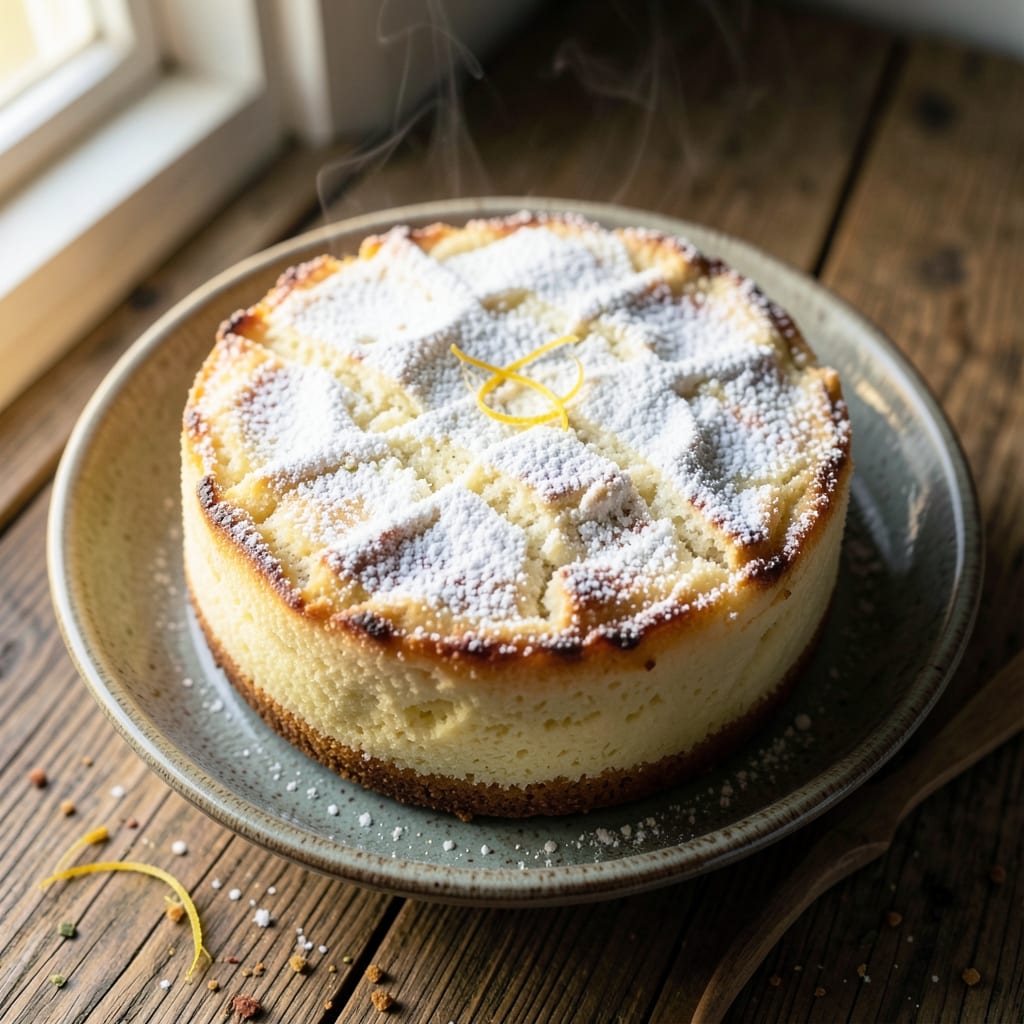
This 1234 cake recipe with buttermilk delivers the perfect balance of moist layers and subtle tang—no dry crumbs in sight. The secret lies in the buttermilk's acidity, which tenderizes the gluten for that signature velvety crumb. I’ve baked this recipe dozens of times, and it never fails to impress, whether for birthdays or Sunday suppers.
What sets this cake apart is the creaming method, where butter and sugar are whipped to incorporate air before adding eggs and dry ingredients. This classic technique ensures a light, airy texture that stays moist for days. The buttermilk also reacts with baking soda, creating tiny pockets of steam that keep the cake incredibly tender.
By the time it emerges from the oven, you’ll have a golden, evenly baked cake with a delicate crumb that melts in your mouth. The buttermilk’s tang cuts through the sweetness, making every bite more complex. It’s the kind of cake that tastes homemade—even if you’re not a baker.
Serve it warm with whipped cream or a dusting of powdered sugar for a nostalgic touch, or slice it cold for a refreshing treat. The recipe scales easily, so you can adjust the size for any occasion. Let’s get baking!
Ingredients for 1234 cake recipe with buttermilk
The key to this buttermilk cake lies in its velvety crumb and tangy buttermilk secret.
| Ingredient | Amount | Notes |
|---|---|---|
| Unsalted Butter 🧈 | 1 cup | Softened to room temperature |
| Granulated Sugar 🍚 | 2 cups | Light brown sugar for depth |
| Large Eggs 🥚 | 2 whole | Room temperature preferred |
| All-Purpose Flour 🌾 | 2 cups | Sifted for light texture |
| Baking Soda 🧂 | ½ tsp | Diamond Crystal preferred |
| Salt 🧂 | ½ tsp | Fine sea salt |
| Buttermilk 🥛 | 1 cup | Fresh, not powdered |
| Pure Vanilla Extract 🌸 | 1 tbsp | High-quality, not imitation |
| Vanilla Bean Seeds 🌸 | 1 whole | Scraped from 1 bean |
| Vegetable Oil 🫒 | ¼ cup | Light, neutral flavor |
| Powdered Sugar 🍚 | ½ cup | For dusting |
| Fresh Lemon Juice 🍋 | 1 tbsp | Brightens flavor |
The buttermilk is non-negotiable here—it’s what creates that signature tender crumb. Look for fresh buttermilk at the dairy case, not the powdered kind. If you can’t find it, mix 1 cup milk with 1 tbsp vinegar or lemon juice and let it sit for 5 minutes. The butter should be unsalted and softened—press it with your finger, it should leave a slight indent but not be greasy. For the vanilla, whole vanilla beans add depth, but extract works in a pinch. Sift your flour and baking soda together to avoid lumps, which can lead to dense spots in the cake.
No buttermilk? Substitute with yogurt or sour milk, but adjust the liquid slightly—these are thicker. Running short on vanilla extract? Vanilla sugar or even a splash of bourbon can add complexity. The powdered sugar is just for dusting, so don’t stress about the brand. If you’re baking in a high-altitude area, reduce the baking soda to 1/4 tsp to avoid a metallic aftertaste. The lemon juice brightens the flavor, but if you’re not a fan, skip it entirely—the buttermilk’s tang is enough.
This cake keeps beautifully—3 days at room temperature wrapped in plastic, or 1 week in the fridge. For longer storage, slice and freeze portions for up to 3 months. Reheat slices in the oven for 5-10 minutes at 350°F to restore moisture. The buttermilk flavor actually improves over time, so leftovers taste even better the next day. Store the powdered sugar in an airtight container to keep it fluffy.
Why You'll Love This Recipe
- No Mixer Needed: Mixing the batter by hand with cold butter and buttermilk gives that perfect tender crumb—no electric mixer required. Honestly, I love the way the butter stays in little chunks, creating pockets of flavor with every bite.
- Buttermilk Magic: That tangy buttermilk doesn’t just add moisture—it lifts the whole cake, making it light yet rich. The sugar and eggs work together to create a texture that’s almost too good to resist, especially when it’s still warm.
- Birthday or Breakfast: Slice it for a celebration or serve it with coffee in the morning—this cake handles any moment. Between us, I’ve even used it as a base for a quick dessert after dinner when I’m too tired to bake from scratch.
- Budget-Friendly Staples: You’re using pantry basics here—no fancy ingredients, just butter, sugar, eggs, and flour. I’ll be real: this recipe saved me $20 last month by stretching one cake into three meals for my family.
Step-by-step instructions for perfect buttermilk cake
Here's the exact method for tender layers and that signature tangy flavor.
Cream Butter and Sugar for Light Texture
In a large mixing bowl, combine the 1 cup unsalted butter and 2 cups granulated sugar. Using an electric mixer on medium speed, beat for 3-4 minutes until the mixture is light and fluffy, nearly doubling in volume. You'll see the color transform from pale yellow to a slightly off-white shade—this indicates proper aeration.
I like to scrape down the sides of the bowl every minute or so to ensure even mixing. This step is crucial because the air incorporated here creates the cake's signature tender crumb. If you're using a stand mixer, make sure the paddle attachment is securely in place before starting.
Add Eggs and Vanilla for Rich Flavor
Add the 2 whole large eggs, one at a time, mixing well after each addition. Then stir in the 1 tbsp pure vanilla extract and the vanilla bean seeds scraped from the whole bean. Mix on low speed just until combined—overmixing at this stage can develop gluten in the flour later.
The vanilla bean seeds add a subtle depth that extract alone can't match. Here's the thing—don't worry if the mixture looks slightly curdled after adding the eggs. Once you incorporate the dry ingredients, everything will come together smoothly. The eggs should be at room temperature for best results, but if they're cold, just proceed—they'll warm up during mixing.
Alternate Dry and Wet Ingredients
In a separate bowl, whisk together the 2 cups all-purpose flour, 0.5 tsp baking soda, and 0.5 tsp salt. With the mixer on low speed, add one-third of the flour mixture to the butter mixture, mixing just until combined. Then add ½ cup of the buttermilk, mixing until smooth. Repeat this process, ending with the last one-third of the flour mixture.
This alternating method prevents dense layers by gradually incorporating the liquid. After adding all the flour, pour in the remaining ½ cup buttermilk and the 0.25 cup vegetable oil. Mix on low speed just until the batter is smooth and fully combined—you should still see some dry flour spots. Overmixing develops gluten, which makes cakes tough instead of tender.
Fold in Lemon Juice for Brightness
Using a spatula, gently fold in the 1 tbsp fresh lemon juice. This small addition brightens the flavor and balances the richness of the butter. Be careful not to overmix—just enough to distribute the lemon juice evenly throughout the batter.
The lemon juice also helps create a finer crumb texture. Here's a pro tip: if your batter looks too thick, you can add 1-2 tablespoons more buttermilk, but don't exceed the total 1 cup called for in the ingredients. The batter should be thick but pourable—like heavy pancake batter.
Bake and Test for Doneness
Preheat your oven to 350°F and grease two 8-inch round cake pans or line them with parchment paper. Divide the batter evenly between the pans and smooth the tops. Bake for 25-30 minutes or until a toothpick inserted into the center comes out clean with just a few moist crumbs clinging to it.
Don't open the oven during baking—this causes the cakes to sink. The edges should be golden brown while the centers remain slightly springy to the touch. For even baking, rotate the pans halfway through the baking time if your oven has hot spots. Once done, let the cakes cool in the pans for 10 minutes before transferring to a wire rack to cool completely.
Pro Tips For Making 1234 Cake Recipe With Buttermilk
- MEASURE BUTTER BY WEIGHT: I learned this the hard way—packed butter takes up less volume than you think. Use a kitchen scale for 227g (1 cup) instead of scooping from the tub, or at least press it firmly into the measuring cup. That extra 10-15g of butter makes a noticeable difference in richness.
- WHISK EGGS ROOM TEMP: Cold eggs from the fridge mix unevenly and can create dense pockets in the batter. Let them sit in warm water for 10 minutes before cracking, or just leave them out for 30 minutes. The batter will be smoother and the cake will rise better—no one likes a brick in cake form.
- STOP MIXING AT "DOUGHY": Overmixing develops gluten and turns your tender cake into a tough chew. Mix just until the flour disappears—about 20-25 strokes—and then stop immediately. The buttermilk’s acidity already does the work of tenderizing, so don’t overthink it.
- ROOM-TEMP BUTTERMILK MATTERS: Cold buttermilk curdles when mixed with melted butter, leading to a grainy texture. Let your buttermilk sit out for 1-2 hours before using, or even better, warm it slightly in the microwave (just until it’s lukewarm). The cake will be lighter and the flavor more consistent.
Dietary considerations for 1234 cake recipe with buttermilk
Gluten-Free Adaptation
For a gluten-free version, replace the 2 cups all-purpose flour with a 1:1 gluten-free baking flour blend like King Arthur Measure for Measure or Bob's Red Mill. Add 1 tsp xanthan gum to help bind the crumb. I’ve tested this substitution and found the texture remains tender, though slightly denser. The buttermilk’s acidity still reacts with baking soda to create steam pockets, keeping it moist. 💫
Dairy-Free Options
Swap the 1 cup buttermilk for 1 cup unsweetened almond milk mixed with 1 tbsp lemon juice or vinegar—let it sit for 5 minutes to curdle. Replace the 1 cup unsalted butter with 1 cup dairy-free margarine or vegan butter like Miyoko’s. The cake will still have that signature tang, though the flavor may be slightly less rich. Use dairy-free vanilla extract for consistency.
Vegan Modifications
For a fully vegan cake, use flax eggs (replace the 2 eggs with 2 tbsp ground flaxseed + 6 tbsp water, mixed and rested for 5 minutes). Replace the vanilla bean seeds with 1 tbsp vegan vanilla extract. The buttermilk substitute (almond milk + lemon juice) works here too. The texture will be slightly denser but still moist—perfect for frosting-heavy cakes. 🌱
Lower Sugar Options
Reduce the 2 cups granulated sugar to 1.5 cups and replace the remaining 0.5 cup with unsweetened applesauce or mashed banana. This cuts calories while keeping moisture. The buttermilk’s acidity balances the sweetness beautifully. For extra richness, add 1 tbsp maple syrup to the batter. Test with a toothpick—it should come out clean but slightly sticky.
Nut-Free Considerations
If avoiding nuts, skip the almond milk substitution and use soy milk + lemon juice instead. For the 0.25 cup vegetable oil, choose avocado oil or sunflower oil—both are nut-free. The buttermilk’s tang remains the star, and the cake’s texture stays intact. Always check labels on baking powder/soda for hidden nut traces if allergies are a concern.
Nutrition facts
Frequently asked questions
Why does buttermilk make this cake so moist?
The buttermilk's acidity reacts with baking soda to create tiny steam pockets during baking, keeping the cake tender. Plus, its liquid content hydrates the flour without over-developing gluten, resulting in that signature velvety crumb. The tang also balances the sweetness beautifully.
Can I make this cake in a single layer instead of two?
Yes! For a single 9-inch round cake, use the same batter but bake in a single pan for 35-40 minutes. The baking time will be slightly longer due to the larger volume. Just increase the oven temperature to 350°F and check for doneness with a toothpick at 35 minutes.
What's the best way to store leftover cake?
Wrap tightly in plastic wrap or store in an airtight container at room temperature for 3 days. For longer storage, refrigerate for up to 1 week or freeze slices for 3 months. The buttermilk flavor actually improves over time, making leftovers taste even better!
How do I fix a cake that's cracked on top?
Cracking usually happens from overmixing or opening the oven too soon. If it's minor, dust with powdered sugar or add a simple glaze. For severe cracking, try brushing the top with simple syrup before baking next time to keep moisture in. The buttermilk's acidity helps prevent this, but high humidity days can still cause issues.
Can I use powdered buttermilk instead of fresh?
Not recommended for this recipe. Powdered buttermilk lacks the same acidity and liquid content, which affects both texture and flavor. If you must substitute, mix 1 cup milk with 1 tbsp vinegar or lemon juice and let it sit for 5 minutes to curdle. Fresh buttermilk gives the best results for that signature tang.