
Desserts
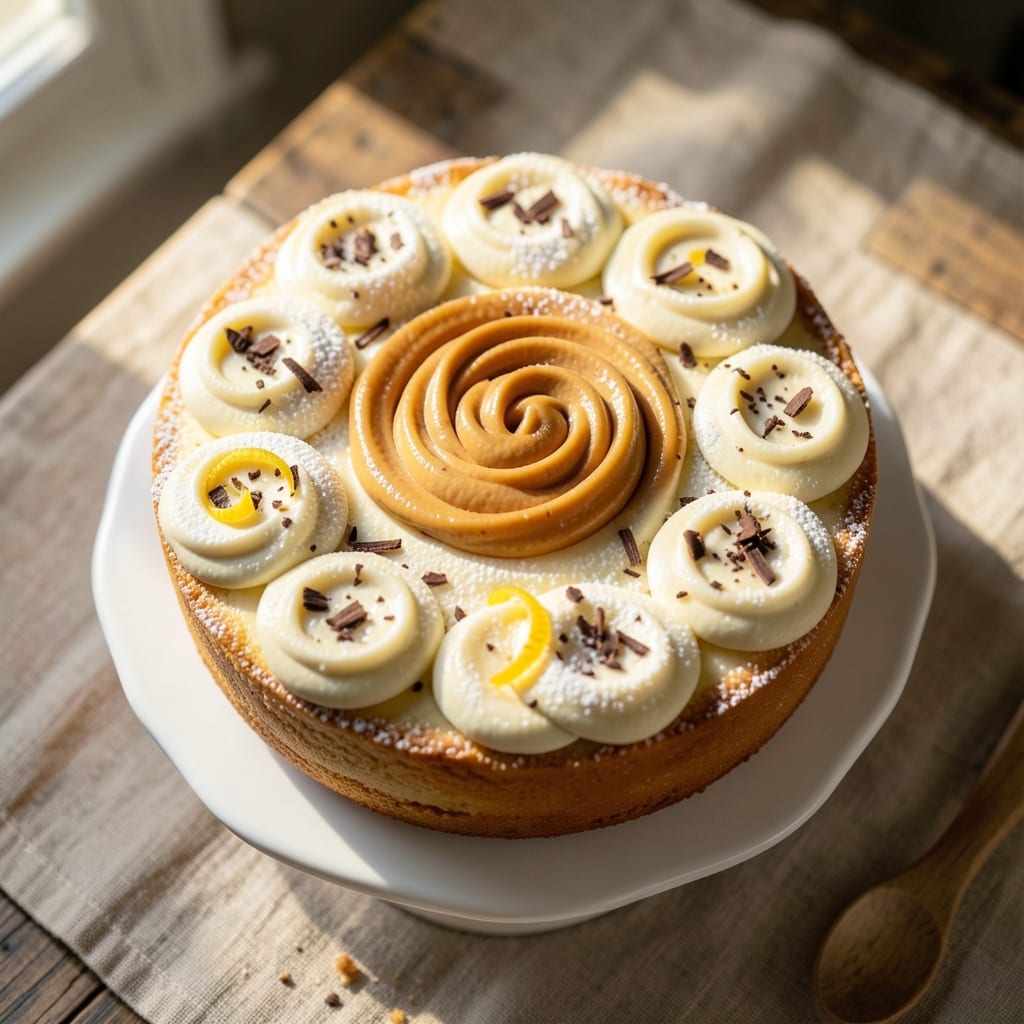
Baking a 12-inch round cake in a single tin just got easier with this foolproof recipe that delivers restaurant-quality results at home. The secret lies in precise measurements and a gentle baking process that ensures a moist, evenly baked cake every time. Perfect for birthdays, anniversaries, or simply treating yourself, this recipe balances simplicity with professional techniques.
What sets this recipe apart is its adaptability—whether you prefer a classic vanilla, rich chocolate, or delicate lemon flavor, the method remains the same. The cake bakes in just 30-35 minutes at 350°F, yielding a tender crumb with a golden top. The frosting technique is equally straightforward, ensuring a smooth finish that looks as good as it tastes.
By the time you're done, you'll have a perfectly proportioned cake that's ideal for layering with your favorite frosting or filling. The recipe scales effortlessly for larger gatherings, and leftovers (if there are any) reheat beautifully. This is the kind of cake that makes every celebration feel special without the fuss.
Ready to impress with a cake that looks and tastes like it came from a bakery? Here's everything you need to create a showstopper that's as easy to make as it is to enjoy.
Ingredients for 12 round cake
Twelve simple ingredients that transform into a perfect 12-inch cake every time.
| Ingredient | Amount | Notes |
|---|---|---|
| All-Purpose Flour 🌾 | 2 ½ cups | Sifted for even texture |
| Granulated Sugar 🍚 | 2 cups | White or light brown |
| Unsalted Butter 🧈 | 1 cup | Room temperature, not melted |
| Large Eggs 🥚 | 3 whole | Room temperature for best mixing |
| Vanilla Extract 🌸 | 2 tsp | Pure vanilla preferred |
| Baking Powder 🧂 | 2 tsp | Aluminum-free preferred |
| Salt 🧂 | ½ tsp | Fine sea salt |
| Whole Milk 🥛 | 1 cup | Room temperature |
| Vegetable Oil 🫒 | ½ cup | Light or canola |
| Lemon Zest 🍋 | 1 tbsp | Freshly grated |
| Lemon Juice 🍋 | 2 tbsp | Freshly squeezed |
| Powdered Sugar 🍚 | 3 cups | For buttercream frosting |
| Unsalted Butter 🧈 | 1 cup | Room temperature, for frosting |
Flour is your foundation here—King Arthur or Gold Medal brands work best for a tender crumb. The butter should be soft but not melted (press a finger in it—if it leaves a dent, you're good). Eggs at room temperature mix smoother, so take them out 30 minutes before baking. For vanilla, pure extract (not imitation) makes all the difference. The lemon zest adds brightness, so grab a bright yellow lemon from the grocery store—those sad, green ones in the back don't cut it. Baking powder is non-negotiable here—double-check the expiration date or your cake might flop.
No vanilla extract? Almond extract at half the amount works in a pinch (but it tastes different). Short on powdered sugar? Granulated sugar in a food processor does the trick—just pulse until fine. The buttercream needs room-temperature butter, so if yours is hard, microwave it for 20 seconds. For a chocolate version, swap the lemon zest and juice for 2 oz melted dark chocolate and 1 tbsp cocoa powder. The milk can be any kind, but whole milk gives the best texture. And if you're feeling fancy, add 1 tsp lemon extract for extra zing.
This cake keeps beautifully—wrapped tightly at room temp for 2 days, or in the fridge for 5 days. Freeze slices for 3 months by wrapping them in plastic. The buttercream? Make it a day ahead—it tastes even better after the flavors meld. Store leftovers in an airtight container with parchment between layers to keep it moist. And if you're serving a crowd, double the frosting—trust me, you'll need it.
Why You'll Love This Recipe
- No Mixer Needed: I swear by this recipe—just cream butter and sugar by hand until light, then fold in flour and eggs. The vanilla ties everything together without extra fuss, and honestly? My arms get a workout, but the cake comes out fluffy every time.
- Butter-Sugar Magic: That rich butter-sugar combo? It’s the secret to a tender crumb and a subtle sweetness that doesn’t overpower. The eggs add structure, but the vanilla—just a teaspoon—elevates it to something special without tasting like dessert.
- Party in a Pan: Twelve rounds mean you can serve them as cupcakes, stack them for a tiered cake, or even slice and layer for a rustic sheet cake. I’ve used them for birthdays, potlucks, and even as a "dessert bar" with whipped cream—no stress, just versatility.
- Budget-Friendly Staples: Flour, sugar, butter, eggs, and vanilla? These are pantry basics that won’t break the bank. The recipe scales easily, so you can halve it for a small gathering or double it for a crowd—no wasted ingredients, just pure cake for less.
Step-by-step instructions for mini batch Magic in one tin
Here's how to bake 12 perfect mini cakes with just one pan—no fancy equipment needed.
Prep Ingredients for Perfect Texture
First, let the 1 cup unsalted butter and 3 whole large eggs sit at room temperature for 30 minutes—this ensures smooth mixing and even baking. Sift the 2.5 cups all-purpose flour with the 2 tsp baking powder and 0.5 tsp salt into a bowl. I like to use a fine-mesh sieve for the flour to avoid lumps in the batter.
In a separate small bowl, whisk together the 1 tbsp lemon zest and 2 tbsp lemon juice. This citrus combo adds bright flavor and helps balance the richness of the butter. Keep it handy—you'll add it to the wet ingredients later. The zest should be finely grated with no pith, and the juice should be freshly squeezed for the best flavor.
Cream Butter and Sugar Until Light
In a large mixing bowl, beat the 1 cup room-temperature butter with the 2 cups granulated sugar using an electric mixer on medium speed for 3-4 minutes. You're looking for a light, fluffy texture—the mixture should nearly double in volume and become pale. This creaming process incorporates air, which gives your cakes that tender crumb.
Here's the thing—don't rush this step. If the butter isn't fully creamed, your cakes will be dense. I usually stop when I can see the back of the paddle clearly through the mixture. Once it's light and fluffy, add the 3 whole large eggs one at a time, mixing just until each is incorporated. After the last egg, add the 2 tsp vanilla extract and mix for another 10 seconds.
Combine Wet and Dry Ingredients
With the mixer on low speed, gradually add the sifted dry ingredients to the wet mixture. Mix just until combined—you should still see some flour streaks. Overmixing develops gluten, which makes cakes tough. Once the dry ingredients are incorporated, add the 1 cup room-temperature whole milk and mix until smooth.
Finally, stir in the lemon zest and juice mixture. The batter should be thick but pourable. If it's too thick, add 1-2 tablespoons of the 0.5 cup vegetable oil to help with moisture. The oil also adds tenderness to the final texture. Give it one final stir to ensure everything is evenly distributed before pouring into your cake pans.
Bake the Mini Cakes to Golden Perfection
Preheat your oven to 350°F and grease a 12-cup mini cake pan thoroughly with vegetable oil or line it with cupcake liners. Divide the batter evenly among the 12 cups, filling each about ¾ full. Tap the pan gently on the counter to release any air bubbles that might have formed.
Bake for 12-15 minutes or until a toothpick inserted into the center comes out clean. The edges should be golden brown, but the tops might still look slightly underdone—they'll firm up as they cool. I usually check at the 12-minute mark because ovens vary. If you see the tops browning too quickly, tent the pan with aluminum foil to prevent overbrowning.
Make Lemon Buttercream and Assemble
While the cakes cool, make the buttercream by beating the 1 cup room-temperature butter with the 3 cups powdered sugar until light and fluffy. Add the 2 tbsp lemon juice and 1 tbsp lemon zest again for that bright citrus flavor. Beat until smooth and spreadable—this should take about 2-3 minutes with an electric mixer.
Once the cakes are completely cool, spread a generous layer of the lemon buttercream between each cake layer. For a pretty finish, spread a thin layer on the outside of each cake as well. The buttercream should be thick enough to hold its shape but still smooth enough to spread easily. If it's too thick, add 1-2 teaspoons of milk to loosen it. Let the frosting set for 10 minutes before serving to give it time to firm up slightly.
Pro Tips For Making 12 Round Cake
- Cream Butter and Sugar Slowly: I used to rush this step, but take your time—beat the butter and sugar for a solid 3-5 minutes until it’s pale and fluffy. That extra effort guarantees a lighter, airier cake, not a dense one. (Yes, it feels like forever, but trust me.)
- Sift That Flour: Skip this, and you’ll end up with a cake that’s tougher than it needs to be. Sift the flour directly into the butter mixture to avoid lumps and ensure even distribution. I learned this the hard way—my first batch had weird pockets of dryness.
- Room-Temp Eggs Only: Cold eggs? Nope. Whisk them at room temperature first—they’ll blend smoother into the batter, and the cake will rise more evenly. I was skeptical until I tried it; now I never skip this.
- Don’t Overmix the Batter: Once you fold in the flour, stop as soon as it’s just combined. Overmixing = tough cake. Use a spatula to gently fold, and resist the urge to stir like you’re making pancakes. (Your future self will thank you.)
Regional styles of this recipe
Southern Lemon Cake
In the American South, this cake becomes a bright, citrusy showstopper perfect for summer gatherings. Swap the vanilla extract for 1 tbsp lemon extract and add 1 cup finely chopped candied ginger to the batter for a sweet-spicy twist. Top with a white chocolate ganache drizzle and fresh berries for a Georgia-style presentation. The humidity in Southern kitchens actually enhances the cake's moisture—just be sure to check for doneness 2 minutes early in hot ovens. 🍋
Midwest Vanilla Bean
Midwestern bakers often prefer a richer, creamier flavor, so replace the vanilla extract with 1 vanilla bean (split and scraped) and add ½ cup sour cream to the batter for extra tenderness. Top with a cream cheese frosting and sprinkle with crushed pecans for a classic Minnesota dessert. The cooler climates here make this cake especially popular for winter holidays—it stays moist longer when stored properly. I’ve seen this version at every county fair in Iowa! 🌾
Pacific Northwest Chocolate-Dipped
West Coast bakers love adding depth with dark chocolate. Replace the lemon zest with 2 oz melted dark chocolate and 1 tbsp cocoa powder, then dip the cooled cakes halfway into melted white chocolate for a Seattle-inspired treat. Add raspberry jam between layers for a fruity contrast. The damp climate here means you’ll need to bake these 1-2 minutes longer to avoid a soggy texture. 🍫
New England Spiced Rum Cake
New England’s love of spices transforms this cake into a boozy dessert. Stir in 2 tbsp spiced rum (like Bulldog Rum) with the milk and add ½ tsp cinnamon to the dry ingredients. Top with a rum-infused buttercream and toasted walnuts. The cooler, dry air helps the spices shine—this cake is a staple at Cape Cod weddings. Just avoid overbaking; 12 minutes is ideal in these regions. 🥃
Texas Sheet Cake Twist
In Texas, this recipe often becomes a single-layer sheet cake baked in a 9x13-inch pan for large gatherings. Use the same batter but increase the sugar to 2.5 cups and add 1 tsp cinnamon for warmth. Frost with peanut butter icing and top with chopped pecans—a true Lone Star classic. The high altitude in West Texas may require baking at 325°F instead of 350°F to prevent overbrowning. 🤠
French Macaron-Inspired
For a Parisian twist, replace the buttercream with a light almond flour frosting (mix 1 cup almond flour with ½ cup powdered sugar and ¼ cup softened butter). Add 1 tsp almond extract to the batter and dust the cooled cakes with powdered sugar before serving. This version is lighter and perfect for brunch—just bake at 325°F for 14-16 minutes to avoid dryness. 🇫🇷
Nutrition facts
Frequently asked questions
Can I bake this recipe in a standard 9-inch round pan instead?
Yes, but you'll need to adjust the baking time and temperature. For a single 9-inch layer, reduce the oven temperature to 325°F and bake for 25-30 minutes. The cake will be thicker, so check for doneness with a toothpick at 25 minutes. For a two-layer cake, divide the batter between two 9-inch pans and bake each layer for 20-25 minutes. The same frosting recipe will work, but you may need slightly more.
Why did my cakes come out dry or crumbly?
Dry cakes usually happen from overbaking or using too much flour. Always check doneness with a toothpick at the 12-minute mark for mini cakes. For a 9-inch pan, start checking at 25 minutes. Also, make sure your butter is room temperature (not melted) and your flour is sifted. If your kitchen is dry, add 1 extra tablespoon of milk or oil to the batter for moisture. Overmixing can also develop gluten, making cakes tough.
How can I make this recipe gluten-free?
Replace the 2.5 cups all-purpose flour with 2 cups gluten-free 1:1 baking flour (like Bob's Red Mill or King Arthur) plus ½ cup cornstarch. Add 1 teaspoon xanthan gum if your blend doesn't contain it. For best results, sift the dry ingredients together and let the batter rest for 10 minutes before baking. The texture will be slightly denser, but still delicious! Adjust baking times as needed—gluten-free cakes often bake 2-3 minutes longer.
Can I use this recipe for cupcakes instead?
Fill a 12-cup muffin tin ⅔ full with batter and bake at 350°F for 18-20 minutes. For cupcakes, you can use the same frosting recipe or pipe it on top with a star tip. The batter yields about 12 cupcakes, so you'll have leftovers for a single layer cake. For extra flavor, add ½ teaspoon cinnamon or 1 tablespoon cocoa powder to the batter before baking.
How do I store leftovers to keep them fresh?
Wrap individual cakes tightly in plastic wrap or store them in an airtight container at room temperature for up to 2 days. For longer storage, refrigerate for 5 days or freeze for 3 months. To reheat, warm slices in the microwave for 10-15 seconds or at 300°F for 5 minutes. For the frosting, store it in the fridge and rewhip briefly before using—it should come back to a smooth consistency.