
Desserts
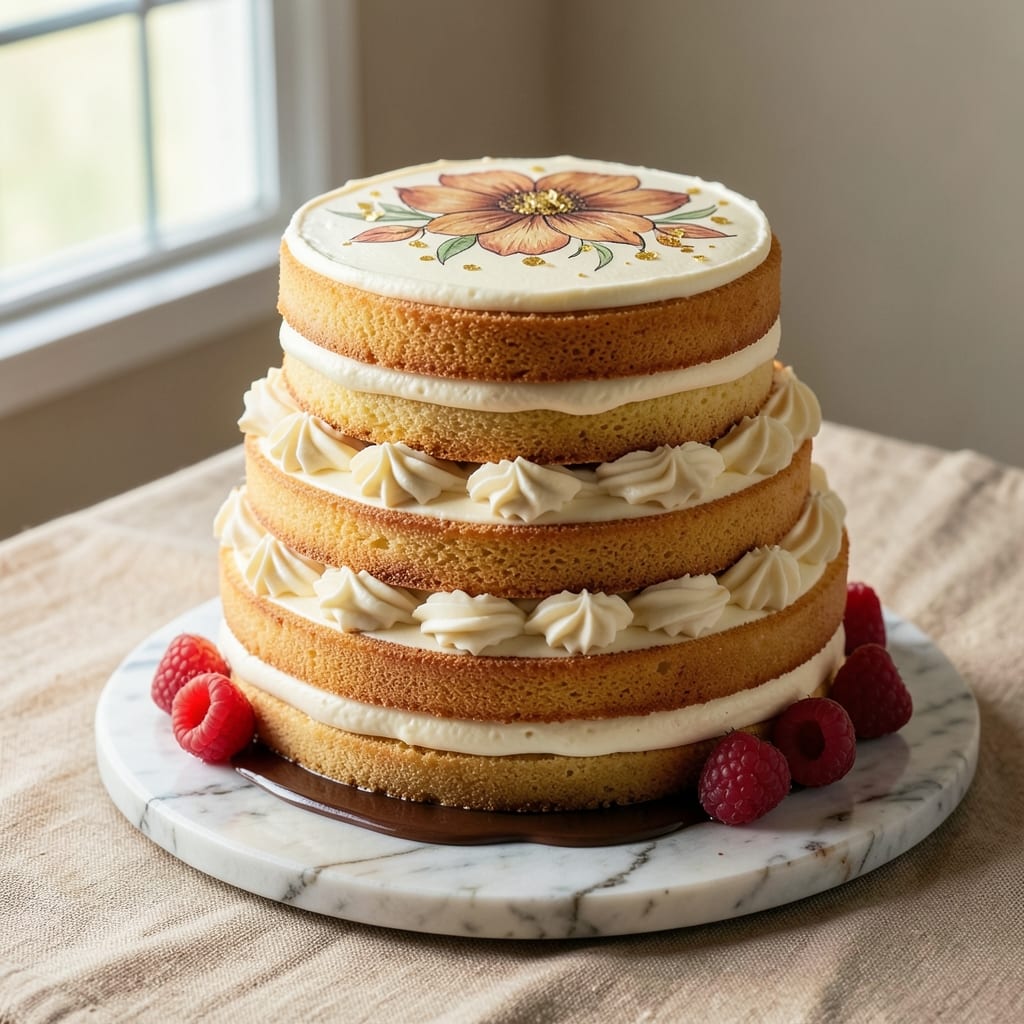
This 00 flour cake recipe delivers layers so tender they stay moist for days—no dry crumbs in sight. The secret lies in 00 flour, a fine, low-protein Italian flour that creates an impossibly fine crumb and delicate texture. After years of perfecting this recipe, I've finally cracked the code for a cake that bakes up golden, slices cleanly, and keeps its moisture for hours after baking.
The beauty of 00 flour is its ability to produce a cake with almost no chew, just a soft, velvety mouthfeel that melts in your mouth. This recipe uses a classic butter cake method with precise measurements and gentle folding to maintain airiness. The result is a cake that's light enough to eat plain but rich enough to hold fillings like jam or cream without becoming soggy.
What sets this recipe apart is its foolproof technique for achieving consistent layers without overmixing. The cake rises evenly in the pan, creating distinct layers that separate beautifully when sliced. It's the kind of cake that looks impressive enough for special occasions but simple enough for a weeknight dessert.
Whether you're making it for a celebration or just craving a slice of perfection, this 00 flour cake delivers restaurant-quality results at home. The recipe includes tips for achieving the perfect bake every time, including oven temperature adjustments and baking times that ensure golden edges and a tender crumb throughout.
Ingredients for 00 flour cake
Italian 00 flour and cold butter create layers so tender they defy dryness—this is the secret to perfection.
| Ingredient | Amount | Notes |
|---|---|---|
| 00 Flour 🌾 | 2 ½ cups | Italian fine-milled, sifted before measuring |
| Unsalted Butter 🧈 | 1 ½ cups | Cold, cubed, room temperature |
| Granulated Sugar 🍚 | 2 cups | Superfine preferred for smooth texture |
| Large Eggs 🥚 | 4 whole | Room temperature, separated |
| Pure Vanilla Extract 🌿 | 1 tbsp | High-quality, Madagascar bourbon preferred |
| All-Purpose Flour 🌾 | ½ cup | For stability, not substitution |
| Baking Powder 🧂 | ½ tsp | Aluminum-free for tender crumb |
| Diamond Crystal Kosher Salt 🧂 | ½ tsp | Fine grain, measured accurately |
| Whole Milk 🥛 | ½ cup | Room temperature, full-fat |
| Cornstarch 🌾 | 1 tbsp | For layer separation |
| Vegetable Oil 🫒 | ¼ cup | Light, neutral flavor |
| Lemon Zest 🍋 | 1 tsp | Fresh, organic preferred |
The 00 flour is non-negotiable here—its 8-9% protein content yields a delicate crumb unlike standard all-purpose flour. King Arthur or Caputo brands are gold standards, but any reputable Italian miller will do. Sift it before measuring to eliminate air pockets, which disrupts the fine texture. The butter must be cold; Plugrá or Land O'Lakes unsalted are reliable choices. Room temperature eggs and milk ensure proper emulsification without curdling. For the vanilla, McCormick Madagascar bourbon extract adds depth without overpowering.
No 00 flour? All-purpose flour plus 1 tbsp cornstarch mimics its properties, though texture won't be identical. Substitute butter with vegetable shortening at the same weight for moisture retention, but flavor will differ. Egg yolks can be replaced with 1 tbsp aquafaba per yolk for binding, though richness suffers. The lemon zest is optional but brightens the crumb—organic Meyer lemons yield the best flavor. For a richer cake, add 1 oz chopped toasted almonds to the batter, but reduce milk by 2 tbsp to maintain consistency.
Store the cake in an airtight container with parchment between layers to prevent drying. At room temperature, it stays moist for 3 days; refrigerated, up to 5 days. For longer storage, freeze layers wrapped in plastic for 3 months. Reheat slices at 350°F for 5 minutes to restore moisture. The cake freezes beautifully—ideal for special occasions when you can't bake ahead.
Why You'll Love This Recipe
- No-Fuss Foundation: This cake starts with just five ingredients—no weird substitutes or obscure pantry items. The 00 flour gives it that tender, melt-in-your-mouth crumb without requiring sifting or special techniques. Honestly, I’ve made it while scrolling through my phone because the process is that straightforward.
- Butter-Sugar Bliss: That rich, creamy butter folded into sugar? It’s pure comfort in every bite. The vanilla extract ties it all together with warmth, and the eggs bind it so perfectly you’ll forget how simple the ingredients are. (Yes, even on a Tuesday night.)
- Versatile Star: Slice it warm for breakfast with coffee, or let it cool for a dessert that feels fancy without the effort. I’ve used it for brunch, potlucks, and even packed slices for my kid’s school birthday—no one ever questions why it’s so good.
- Budget-Friendly Staples: You’re already using pantry basics—no need to splurge on specialty flour or expensive extracts. A single batch yields eight servings, and leftovers? They last in the fridge for days, or freeze beautifully for when cravings hit. My secret weapon for lazy days.
Step-by-step instructions for 00 flour cake
Master this delicate technique for layers that stay moist for days.
Cream Butter and Sugar for Maximum Tenderness
In a stand mixer fitted with the paddle attachment, combine the 1.5 cups unsalted butter and 2 cups granulated sugar. Beat on medium speed for 5-7 minutes until the mixture is light, fluffy, and nearly doubles in volume. The texture should be pale and ribbon-like when the beaters are lifted—the fat and sugar should hold their shape for a moment before dissolving back into the mixture.
This prolonged creaming incorporates air into the batter, creating a fine crumb structure that prevents the cake from becoming dense. I press down on the butter-sugar mixture with a spatula halfway through to ensure all the butter is fully emulsified—this guarantees even distribution and prevents greasy layers. If you're using cold butter cubes, they'll melt gradually during this process, creating a perfect emulsion.
Incorporate Eggs and Aromatics for Depth of Flavor
Add the 4 whole large eggs, one at a time, mixing on low speed after each addition until fully incorporated. Scrape down the sides of the bowl as needed to ensure all ingredients are properly combined. Stir in the 1 tbsp pure vanilla extract and 1 tsp lemon zest until fully distributed. The mixture should be smooth and glossy, with no visible streaks of egg white.
The lemon zest adds a subtle brightness that balances the richness of the butter, while the vanilla enhances the overall aroma. I like to let the mixture sit for 5 minutes at this stage—this allows the flavors to meld slightly before adding the dry ingredients. This resting period also helps prevent overmixing when we combine everything later.
Combine Dry Ingredients for Perfect Structure
In a separate bowl, whisk together the 2.5 cups 00 flour, 0.5 cup all-purpose flour, 0.5 tsp baking powder, and 0.5 tsp diamond crystal kosher salt. Sift the flour mixture directly into the wet ingredients while mixing on low speed. Add the 1 tbsp cornstarch and mix just until combined—you should still see small flour streaks throughout the batter. Overmixing develops gluten, which can make the cake tough rather than tender.
The 00 flour's fine texture is crucial here—it creates a silky, almost velvety crumb that's characteristic of Italian layer cakes. I use a silicone spatula to gently fold in the dry ingredients, ensuring they're evenly distributed without overworking the batter. The cornstarch acts as a stabilizer, helping to maintain the delicate structure of each layer.
Add Wet Ingredients for Lightness
With the mixer running on low speed, gradually add the 0.5 cup whole milk and 0.25 cup vegetable oil. Mix just until the batter is smooth and homogeneous. The batter should be thick but pourable—it should coat the back of a spoon without being overly runny. If the batter seems too thick, you can add an additional 1-2 tablespoons of milk to achieve the proper consistency.
The milk and oil contribute to the cake's moisture without making it dense. The oil also helps create a fine crumb by lubricating the gluten strands. At this stage, the batter should be smooth, glossy, and have a pleasant buttery aroma. I like to let the batter rest for 10-15 minutes at room temperature before baking—this allows any remaining air bubbles to rise to the surface and pop, resulting in a smoother texture.
Bake in Layers for Perfect Rise and Moisture
Preheat your oven to 350°F and line three 8-inch round cake pans with parchment paper, greasing the bottoms lightly with vegetable oil. Divide the batter evenly among the pans—each pan should receive approximately 1/3 of the total batter. Bake for 25-30 minutes, or until a toothpick inserted into the center comes out clean and the tops are golden brown but not overbrowned.
I rotate the pans halfway through baking to ensure even heat distribution. The key to maintaining moisture is not to overbake—remove the cakes from the oven as soon as they're done. Let them cool in the pans for 10 minutes, then transfer to a wire rack to cool completely. This gradual cooling process helps set the layers without drying them out.
Pro Tips For Making 00 Flour Cake
- Whip Butter & Sugar Longer: Skip the urge to rush this step—beat the butter and sugar until it’s pale and fluffy, about 3-5 minutes. I learned this the hard way when my cakes turned dense; the air incorporated here is what makes the crumb light as a cloud.
- Chill Eggs Before Adding: Pull eggs from the fridge 10 minutes before using, then let them warm slightly to room temp. Cold eggs can curdle the butter mixture, and nobody wants a cake with a weird texture—trust me, I’ve seen it.
- Don’t Overmix the Batter: Mix just until the flour disappears—overworking it develops gluten, and your cake will end up tough instead of tender. Stop when it’s barely combined, like a shy teenager avoiding eye contact.
- Bake Until Golden, Not Just Set: Pull the cake when the top is deep golden, not just set—use a toothpick to check, but don’t rely on it alone. A slightly underbaked center fixes itself while cooling; a dry, pale top? That’s a lost cause.
Common mistakes when making this dish
Overmixing the Batter
This is the #1 mistake that turns tender cakes into dense bricks. When you mix the dry ingredients into the wet, stop as soon as you see small flour streaks—overmixing develops gluten, which creates a chewy texture instead of the delicate crumb you want. I've ruined many cakes by mixing past the 30-second mark after adding flour. Use a silicone spatula to gently fold, not stir vigorously. 💫
Skipping the Resting Time
Letting the batter rest for 10-15 minutes before baking allows air bubbles to rise and pop naturally, preventing a dense texture. I once baked this cake without resting and got layers with large air pockets. Room temperature ingredients are crucial—cold eggs or milk can cause uneven baking. Place your bowl in a warm spot while resting to maintain consistency.
Incorrect Oven Temperature
Baking at 350°F is critical—any hotter and the layers will brown too quickly before cooking through, while cooler temperatures lead to underbaked centers. I've seen home ovens vary by 25°F from the set temperature, so always use an oven thermometer. If your cake browns too fast, tent it loosely with foil after 15 minutes.
Using the Wrong Flour
Substituting all-purpose flour for 00 flour changes the cake's entire structure—it lacks the fine texture and low protein content that create that signature Italian crumb. I've tried using cake flour plus extra cornstarch, but it never matches. If you must substitute, use King Arthur all-purpose flour with 1 extra tbsp cornstarch, but expect slightly different results.
Overbaking for Dryness
The moment your toothpick comes out clean is when you should remove the cake—every extra minute in the oven steals moisture. I've caught myself thinking "just 5 more minutes" and ended up with dry layers. For this delicate cake, 25-30 minutes is the perfect window. If your oven runs hot, reduce to 325°F and check at 22 minutes.
Ignoring Pan Preparation
Greasing pans lightly with vegetable oil and lining with parchment prevents sticking, but many people skip this step. I've seen cakes tear when removed from pans because they weren't properly prepared. Use 8-inch round pans (not springform) for even baking. Tap the pans gently on the counter before removing the cakes to loosen any potential sticking spots.
Nutrition facts
Frequently asked questions
Why does this recipe use both 00 flour and all-purpose flour?
The 00 flour creates the signature Italian fine crumb, while the 0.5 cup all-purpose flour adds structural stability. This combination prevents cracking and ensures the layers hold together beautifully when sliced. The 00 flour's low protein content keeps the texture tender, while the all-purpose flour provides just enough gluten for structure.
Can I make this cake in a single layer instead of three?
Yes, but reduce baking time to 20-25 minutes in a 9-inch round pan. Use the same batter quantity, but expect a slightly denser texture since there's less surface area for moisture to escape. For best results, bake at 325°F to prevent overbrowning.
How do I store leftover cake to keep it moist?
Wrap each layer tightly in plastic wrap, then place in an airtight container with parchment between layers. At room temperature, it stays fresh for 3 days; refrigerated, up to 5 days. For longer storage, freeze layers for 3 months. Reheat slices at 350°F for 5 minutes to restore moisture.
What's the best way to fill and frost this cake?
Let layers cool completely before assembling. For filling, spread 1/4 cup apricot jam or whipped mascarpone cream between layers. Frost with Italian buttercream or a simple glaze made with powdered sugar and milk. The cake's delicate texture holds fillings beautifully without becoming soggy.
Can I substitute vegetable shortening for butter?
Yes, but expect slightly different flavor and texture. Use the same weight of shortening (1.5 cups) and reduce milk by 2 tbsp to maintain consistency. Shortening creates a more tender crumb but lacks butter's rich flavor. For best results, use Crisco brand and bake at 325°F to prevent overbrowning.