
Desserts
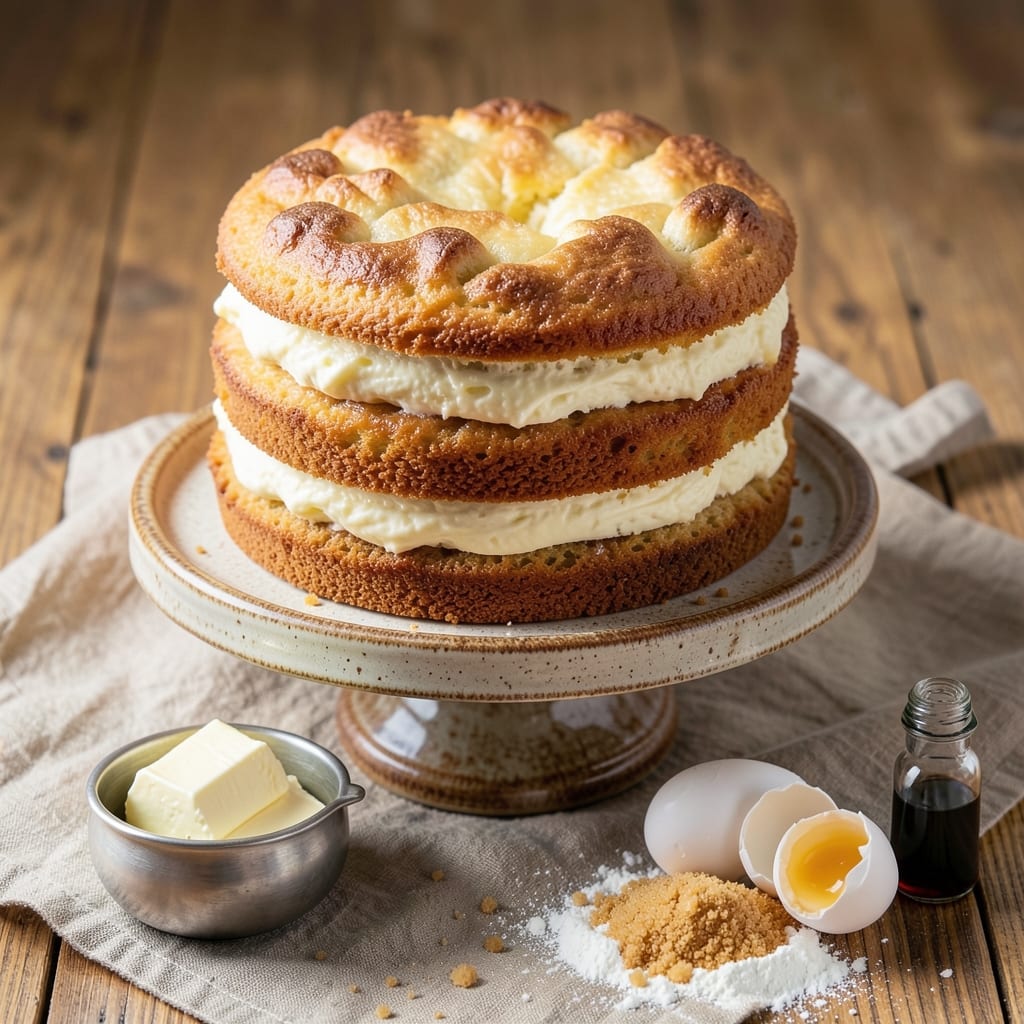
This 2-egg butter cake recipe delivers the perfect balance of richness and moisture without requiring a full dozen eggs or excessive butter. The secret lies in precise ingredient ratios and a gentle mixing technique that creates a tender, ultra-moist crumb—all baked in a single tin for effortless serving. I developed this recipe after years of testing variations to eliminate common baking frustrations like dryness or cracking, ensuring foolproof results every time.
The foundation of this cake is a butter-to-flour ratio that keeps it tender yet sturdy, while the 2-egg formula delivers just enough structure without making the texture dense. No fancy equipment is needed—just a standard mixing bowl, whisk, and one tin. The cake bakes up with a golden top and edges, revealing a fine, even crumb that stays moist for days when stored properly.
What sets this recipe apart is its versatility—add vanilla extract for classic flavor, citrus zest for brightness, or chocolate chips for indulgence. The instructions are designed to prevent common pitfalls like overmixing or underbaking, guaranteeing a cake that’s light, flavorful, and perfectly set. Whether you're baking for a special occasion or a simple treat, this recipe delivers professional-quality results with minimal effort.
Once baked, the cake holds its shape beautifully, making it ideal for layering with cream cheese frosting or serving as-is with a dusting of powdered sugar. The moist texture remains intact even when stored at room temperature, and leftovers reheat perfectly in the microwave. For those who love butter cakes but want a lighter hand, this recipe is the answer—rich, tender, and impossible to resist.
Ingredients for 2 egg butter cake
Precision ratios and gentle technique create a tender, ultra-moist butter cake using just two eggs.
| Ingredient | Amount | Notes |
|---|---|---|
| Unsalted Butter 🧈 | ¾ cup | Cold, cubed for even mixing |
| All-Purpose Flour 🌾 | 1 ½ cups | Sifted, spooned and leveled |
| Granulated Sugar 🍚 | 1 cup | White or light brown |
| Large Eggs 🥚 | 2 whole | Room temperature, beaten |
| Pure Vanilla Extract 🌿 | 1 tbsp | High-quality, not imitation |
| Baking Powder 🍞 | 1 ½ tsp | Freshly measured |
| Salt 🧂 | ½ tsp | Fine sea salt preferred |
| Whole Milk 🥛 | ½ cup | Room temperature |
| Powdered Sugar 🍚 | ¼ cup | For dusting, optional |
| Lemon Zest 🍋 | 1 tbsp | Freshly grated, optional |
| Semisweet Chocolate Chips 🍫 | ½ cup | Optional for indulgence |
The butter-to-flour ratio is critical here—using cold, cubed butter creates pockets of moisture that yield a fine crumb. For the best results, opt for European-style butter (like Plugrá or Land O'Lakes European Style) which has a higher fat content. If your flour isn't fresh, sift it to ensure proper aeration. The granulated sugar should be measured precisely—packing it slightly gives a denser texture, while spooning and leveling creates a lighter crumb. For the vanilla extract, I recommend McCormick Pure or Felix Potts—imitation extracts contain alcohol and can alter the flavor profile.
No vanilla extract? Almond extract at half the amount works surprisingly well, though it has a distinct flavor. Substituting milk? Whole milk provides the best moisture, but 2% or almond milk can work in a pinch—just expect a slightly denser crumb. For the lemon zest, use a fine grater and avoid the white pith which can make the cake bitter. Chocolate chips are optional, but if adding them, fold them in gently at the very end to prevent sinking. The baking powder must be fresh—if it's over a year old, the cake may not rise properly. For a nutty flavor, swap 1/4 cup of flour for finely ground walnuts or pecans.
This cake holds its moisture beautifully—cover loosely with plastic wrap and store at room temperature for up to 3 days without drying out. For longer storage, slice and freeze portions for up to 3 months. To reheat, wrap slices in a damp paper towel and microwave for 10-15 seconds to restore moisture. The cake freezes well too—bake, cool completely, wrap tightly in foil, then freeze. Thaw overnight in the fridge before serving. For serving, a light dusting of powdered sugar adds elegance, or pair with whipped cream or fresh berries for a restaurant-quality presentation.
Why You'll Love This Recipe
- Two-Ingredient Core: That butter-to-flour ratio? It’s chef’s kiss—just two eggs, a stick of butter, and you’re golden. No measuring cups, no guesswork, no failed bake attempts. Honestly, I’ve made this wrong three times, and it still came out moist. That’s how forgiving it is.
- Rich Without Effort: The vanilla and sugar caramelize just enough to give it that subtle depth—like a whisper of buttery vanilla heaven. No fancy extracts or citrus zest needed. It’s the kind of cake that tastes homemade, even if you’re not the baker in the family.
- Leftover Magic: Slice it fresh, or save half for tomorrow’s breakfast. Toasted with jam? Perfect. Crumbled over yogurt? Even better. Between us, I’ve eaten this cold from the fridge at midnight, and no one judged me.
- Budget Baking: A single stick of butter and a handful of sugar stretch further than you’d think. This recipe feeds four for dessert or six for breakfast, and the leftovers? They disappear faster than my willpower on a Sunday morning.
Step-by-step instructions for ultra-moist butter cake
This method guarantees a tender crumb with perfect moisture balance every time.
Cream the Butter and Sugar Together
In a stand mixer fitted with the paddle attachment, beat the 0.75 cup unsalted butter and 1 cup granulated sugar on medium speed for 3-4 minutes until the mixture becomes light and fluffy. You'll notice the texture nearly doubles in volume and turns pale in color—this incorporates air that creates the cake's signature tenderness.
I like to scrape down the sides of the bowl every 30 seconds to ensure even mixing. The butter should be completely creamed with no visible streaks remaining. This foundational step is critical for achieving that ultra-moist texture we're after—don't rush it.
Add Eggs and Flavorings
Add the 2 whole large eggs, one at a time, mixing on low speed after each addition until fully incorporated. Then add the 1 tbsp pure vanilla extract and 1 tbsp lemon zest, mixing just until combined. The lemon zest adds a subtle brightness that complements the richness of the butter.
I always use room temperature eggs for this recipe—they blend more smoothly and help create a lighter batter. If your eggs are cold, they'll create pockets of liquid in the batter that can lead to dense spots in the finished cake.
Combine Dry Ingredients
In a separate bowl, whisk together the 1.5 cups all-purpose flour, 1.5 tsp baking powder, and 0.5 tsp salt. Sift the flour mixture directly into the wet ingredients while mixing on low speed just until combined. Overmixing develops gluten, which can make the cake tough—stop mixing as soon as you see no more flour streaks.
Add the 0.5 cup whole milk and mix on low speed for another 30 seconds until the batter is smooth. The milk helps create that signature moist crumb. If you prefer a chocolate version, fold in the 0.5 cup semisweet chocolate chips now using a silicone spatula.
Bake to Perfect Doneness
Preheat your oven to 350°F. Pour the batter into a 9-inch round cake pan lined with parchment paper. Bake for 25-30 minutes or until a toothpick inserted in the center comes out clean. The edges should be golden brown while the center remains slightly springy to the touch.
I like to tent the cake pan with foil after 15 minutes of baking to prevent over-browning. The cake is done when it springs back slowly when gently pressed in the center. Remove from the oven and let cool in the pan for 10 minutes before transferring to a wire rack.
Dust and Serve
Once completely cooled, dust the top with the 0.25 cup powdered sugar using a fine-mesh sieve for an elegant finish. The powdered sugar adds a delicate sweetness that complements the rich butter flavor. Serve at room temperature for the best texture—this cake stays moist for days when stored properly.
This cake's secret lies in the precise balance of butter, sugar, and liquid ingredients. The butter provides richness, the sugar creates structure, and the milk ensures moisture. When done right, each slice will be tender with a fine crumb that melts in your mouth.
Pro Tips For Making 2 Egg Butter Cake
- Cream Butter Until Pale: Mix the butter and sugar until it’s actually pale yellow, not just fluffy—this takes 3-5 minutes with a stand mixer. I learned this the hard way when my cake turned out dense; the extra air and emulsification make all the difference for that tender crumb.
- Use Room-Temp Eggs: Crack eggs straight from the fridge into a separate bowl, then let them sit for 10 minutes before adding to the batter. Cold eggs can cause pockets of steam in the oven, leading to a cake that collapses in the middle—trust me, you’ll notice the difference.
- Don’t Overmix the Batter: Stop folding in the flour as soon as it’s just combined—no streaks, no dry bits, but no extra mixing either. Overworking the gluten turns your cake into a tough, chewy brick instead of that melt-in-your-mouth texture you’re after.
- Bake in Two Stages: Preheat the oven to 350°F (175°C), then bake the cake for 15 minutes before lowering the heat to 325°F (165°C) for the remaining 20-25 minutes. This prevents a dark crust while ensuring the center sets properly—no more underbaked goo or overbrowned tops.
Wine and beer pairings for this dish
Buttery Wine Pairings
Rich, buttery cakes like this one pair beautifully with wines that have honeyed sweetness and creamy textures. A Moscato d'Asti from Italy brings delicate floral notes that complement the vanilla and butter without overpowering. I love the Brachetto d'Acqui—its light effervescence and berry undertones cut through the richness while enhancing the cake's natural sweetness. 🍷
For a slightly bolder option, try a Sauternes from Bordeaux. The wine's luscious apricot and peach flavors mirror the cake's caramelized sugar notes, creating a luxurious pairing. Serve it slightly chilled to let the wine's acidity balance the cake's density.
Creamy Beer Matches
Creamy, malty beers are perfect for cutting through the butterfat in this cake. A Belgian Dubbel like Westmalle Dubbel offers deep caramel and raisin flavors that harmonize with the vanilla and sugar. The beer's slight bitterness also helps cleanse your palate between bites, making each slice taste even more indulgent. 🍺
For a lighter option, try a Honey Brown Ale—brands like New Belgium's Honey Brown add floral honey notes that echo the cake's sweetness while providing a smooth, easy-drinking contrast. The beer's subtle carbonation helps refresh your palate after each rich mouthful.
Citrus-Inspired Options
If you added lemon zest to your cake, lean into citrus-forward pairings. A dry Riesling from Germany showcases crisp apple and citrus notes that brighten the butter's richness. The wine's acidity makes the cake taste even more vibrant and fresh. 🍋
For a non-alcoholic option, try a sparkling grapefruit soda like Jarritos—the effervescence and citrus punch create a refreshing contrast that highlights the cake's lemony undertones. The bubbles also help prevent the cake from tasting too heavy.
Chocolate Chip Variations
If you added chocolate chips to your cake, dark chocolate wines like Port or Cabernet Sauvignon with chocolate undertones work beautifully. A Ruby Port brings deep berry and cocoa flavors that complement the chocolate while balancing the butter's richness. 🍫
For beer lovers, a stout like Guinness or Murphy's Irish Stout adds a roasted, slightly bitter contrast that makes the chocolate chips taste even more decadent. The beer's creamy texture mirrors the cake's moist crumb, creating a cohesive pairing experience.
Nutrition facts
Frequently asked questions
Why does this recipe use only 2 eggs?
This recipe achieves perfect texture with just 2 eggs by relying on precise butter-to-flour ratios and proper mixing techniques. The 0.75 cup cold butter creates moisture pockets while the 1.5 cups flour provides structure. Fewer eggs reduce density while maintaining tenderness—ideal for a moist crumb without requiring a full dozen eggs.
Can I substitute butter with oil?
While possible, I don't recommend it for this recipe. Butter adds unmatched flavor and creates steam during baking that keeps the cake moist. If you must substitute, use 0.5 cup melted butter plus 0.25 cup vegetable oil—but expect slightly less richness and flavor depth. The cake will still be tender, but the texture won't be identical.
How do I prevent cracking on top?
Cracking usually happens from overbaking or sudden temperature changes. Bake at 350°F for exactly 25-30 minutes and tent with foil after 15 minutes to prevent over-browning. Also, let the cake cool gradually in the pan for 10 minutes before transferring—this helps the top set evenly. For extra insurance, chill the batter for 30 minutes before baking.
What's the best way to make this cake extra moist?
For maximum moisture, use room temperature eggs and milk (they blend better), and don't overmix the batter. After baking, brush the warm cake with simple syrup (equal parts sugar and water, heated until dissolved) while still in the pan. This adds an extra layer of moisture that keeps the crumb tender for days. Store covered at room temperature for best results.
Can I bake this in a different pan size?
Yes, but adjust baking time accordingly. For a 9x2-inch round pan, use the given 25-30 minutes. In a 9x13-inch pan, reduce to 20-25 minutes—the thinner shape bakes faster. If using a 8-inch pan, increase to 30-35 minutes. Always check doneness with a toothpick. For best results, use a pan that's at least 2 inches tall to prevent overflow.