
Main Courses
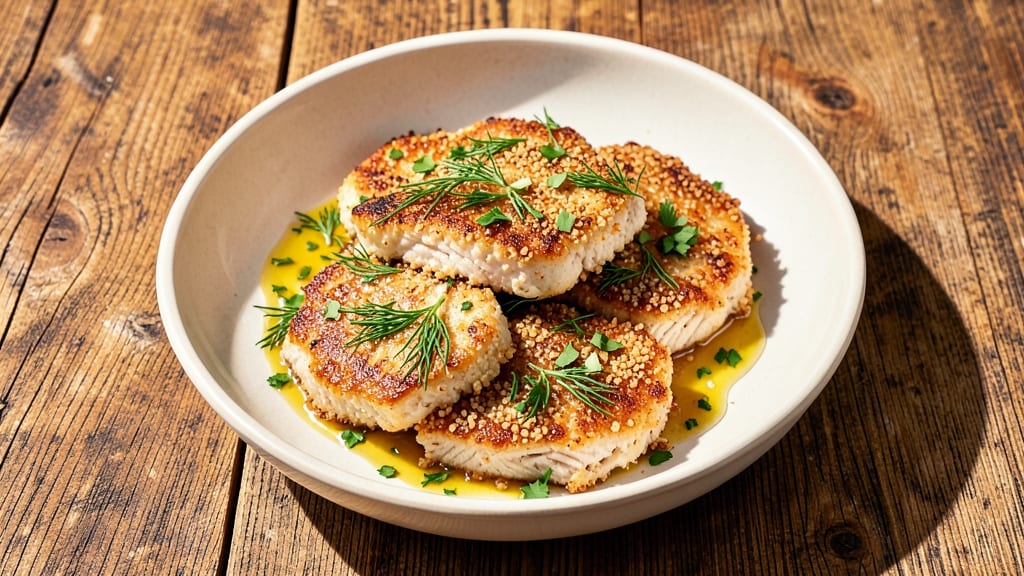
Creating crispy trout cakes is about achieving that perfect balance between tender fish and golden, flaky crust—something that transforms a simple dish into a restaurant-worthy experience. The secret lies in properly pounding the trout fillets to ensure even cooking, then binding them with breadcrumbs and herbs for structure.
I’ve refined this recipe over years of testing, and the result is always worth the effort: delicate, buttery bites with a crisp exterior and moist interior.
This recipe delivers professional results with just a few key ingredients: fresh trout, high-quality breadcrumbs, and a bright lemon-herb seasoning that elevates every bite. The process is straightforward—no complicated techniques—but precision in shaping and cooking ensures those signature textures.
Whether you’re serving them as an appetizer or a light main, the combination of crisp edges and tender centers makes them irresistible.
By the time you plate these trout cakes, you’ll have golden-brown patties with a satisfying crunch, perfectly balanced by the zesty lemon-herb flavor. The internal temperature should reach 145°F for safe, tender fish, and the crust should be crisp enough to hold its shape.
Serve with lemon wedges, tartar sauce, or a simple green salad to complement the dish’s fresh, bright profile.
For added versatility, consider mixing in grated parmesan or a pinch of smoked paprika for depth, or shaping them into smaller bites for crowd-friendly appetizers. The method works equally well with other white fish, making this a flexible recipe for any seafood lover.
Let’s get started on creating these crispy, flaky bites that will impress anyone at the table.
Ingredients for trout cakes
Professional-quality trout cakes start with just these simple, high-quality ingredients for restaurant-worthy results.
| Ingredient | Amount | Notes |
|---|---|---|
| Fresh Trout Fillets 🐟 | 1 ½ lb | Skin-on, deboned, flash-frozen preferred |
| Italian Breadcrumbs 🍞 | 1 ½ cups | Panko for extra crispiness |
| All-Purpose Flour 🌾 | ½ cup | For dredging before breadcrumbs |
| Fresh Lemon Juice 🍋 | 3 tbsp | Zest reserved for seasoning |
| Fresh Dill Leaves 🌿 | ¼ cup | Chopped, stems removed |
| Fresh Parsley Leaves 🌿 | ¼ cup | Chopped, for garnish |
| Extra-Virgin Olive Oil 🫒 | ½ cup | For frying, high smoke point |
| Dijon Mustard 🧂 | 1 tbsp | For binding, tangy depth |
| Diamond Crystal Kosher Salt 🧂 | 1 tsp | Fine grain preferred |
| Ground Black Pepper 🌶️ | ½ tsp | Freshly ground for aroma |
| Eggs 🥚 | 1 whole | Beaten for egg wash |
| All-Purpose Flour 🌾 | ¼ cup | For egg wash dusting |
The trout is the star—opt for skin-on fillets to maintain structure during pounding. Flash-frozen trout from reputable seafood suppliers like Whole Foods or Costco delivers superior texture. Thaw completely in the fridge overnight to prevent uneven cooking. For best results, purchase wild-caught Alaskan trout if available—its delicate flavor pairs perfectly with the lemon-herb seasoning. The breadcrumbs should be Italian-style for optimal binding; Panko creates a superior crisp exterior but requires slightly more moisture in the mixture.
No fresh herbs? Dried dill and parsley at half the quantity maintain flavor balance, though the texture won't be as vibrant. Substitute white fish like cod or halibut if trout isn't available—adjust cooking time by 5-10 minutes for thicker fillets. For the Dijon mustard, high-quality brands like French's or Maille elevate the tangy depth. If your olive oil has a low smoke point, use avocado oil for frying to prevent burning. The egg wash should always be room temperature for even adhesion to the flour coating—microwave for 20 seconds if needed.
Store uncooked trout cakes in the refrigerator for up to 24 hours wrapped tightly in plastic wrap. For best texture, cook immediately after shaping. After frying, maintain crispness by placing cakes on a wire rack in a 200°F oven for 10 minutes. They reheat beautifully in a skillet with a splash of olive oil over medium heat. For meal prep, freeze cooked cakes between parchment paper sheets—up to 3 months. Always thaw in the refrigerator overnight before reheating to preserve texture. The lemon zest can be stored in an airtight container with a bit of olive oil for up to 2 weeks in the fridge for future use.
Why You'll Love This Recipe
- No-Fuss Assembly: Honestly, the hardest part is flaking that trout—once you’re past that, the rest is just dipping and pressing. No fancy prep here, just a bowl, a fork, and a little patience. The lemon juice and Dijon mustard actually help the mixture stick together, so you don’t even need to overwork it.
- Crispy-Lemon Surprise: That first bite? The crunch from the Panko breadcrumbs paired with the bright, zesty trout is like a flavor wake-up call. The fresh dill and parsley don’t just garnish—they infuse every bite, so it’s herby without tasting like a salad. Trust me, the lemon juice isn’t just for flavor; it keeps the texture perfect.
- Freezer-Friendly Win: Between us, these cakes are made for meal prep. Cook a batch, freeze them, and pull one out when you’re craving something quick but fancy. Just reheat in the oven or air fryer—no soggy crumbs, no fuss. My go-to for lazy Sundays or when I’ve got leftovers to use up.
- Budget Breakthrough: Trout isn’t cheap, but 1.5 pounds of it feeds four people generously—and the breadcrumbs and flour are pantry staples. Plus, the lemon and herbs you’d buy anyway add zero extra cost. It’s the kind of dish that makes you feel like you’re splurging without actually splurging.
Step-by-step instructions for trout cakes
Here's the method for golden, flaky trout cakes with a perfect herb-lemon balance every time.
Prepare the Trout Mixture
Begin by flaking the 1½ lb fresh trout fillets into small, even pieces using your fingers or a fork. Transfer these to a mixing bowl and add the 3 tbsp fresh lemon juice, 1 tbsp Dijon mustard, 1 tsp Diamond Crystal kosher salt, and ½ tsp ground black pepper. Gently combine until the fish is fully coated and the mixture holds together when pressed.
Next, fold in the ¼ cup chopped fresh dill leaves and ¼ cup chopped fresh parsley leaves, distributing them evenly throughout the mixture. This step ensures each bite delivers that bright, herby freshness we're after. The lemon juice not only seasons but also acts as a natural binder, helping the mixture hold its shape during frying.
Create the Crispy Coating
In a shallow dish, beat the 1 egg until smooth, then add the ¼ cup all-purpose flour for egg wash dusting and whisk until fully incorporated. In another shallow dish, combine the ½ cup all-purpose flour (for dredging) and 1½ cups Italian breadcrumbs (Panko for extra crispiness).
Working with one portion at a time, dip each piece of trout mixture into the egg wash, allowing excess to drip off, then press it firmly into the flour-breadcrumb mixture. This double-dredging technique creates that signature crispy exterior while keeping the interior tender. Press the crumbs gently but thoroughly to ensure complete coverage.
Fry to Golden Perfection
Heat ½ cup extra-virgin olive oil in a large skillet over medium heat until it reaches 350°F—the oil should shimmer gently when a small piece of bread is dropped in. Fry the trout cakes in batches to avoid overcrowding, working in 4-5 pieces at a time. Cook for 2-3 minutes per side until they achieve a deep golden brown color and develop crisp edges.
Use a slotted spoon to transfer the cooked trout cakes to a paper towel-lined plate to drain excess oil. The internal temperature should reach 145°F when checked with an instant-read thermometer. If any pieces release too easily from the pan, they're not ready—return them to the oil for another 30 seconds. This step is critical for achieving that perfect balance between crispy exterior and tender interior.
Rest and Serve
Allow the trout cakes to rest for 2-3 minutes before serving. This brief resting period helps the crumbs set and prevents them from falling apart when you serve. Arrange them on a platter and garnish with additional chopped fresh parsley leaves for a pop of color and freshness.
Serve immediately while still warm, accompanied by lemon wedges for squeezing over the top. The contrast between the crispy exterior and the tender, lemon-herb-infused trout inside creates the perfect texture and flavor experience. Each bite should deliver that satisfying crunch followed by the delicate, flaky fish underneath.
Pro Tips For Making Trout Cakes
- Use Flash-Frozen Trout: I learned this the hard way—fresh trout fillets can get mushy when flaked. The flash-frozen kind stays firmer, holds shape better, and fries up crispier. Thaw it just enough to handle, then pat it very dry before flaking. Wet fish = soggy cakes.
- Press the Crumbs Hard: Skimping on the breadcrumb press means uneven coverage and crumbs falling off mid-bite. Use the back of a spoon or your fingers to really press the Panko into every nook of the trout mixture—especially the edges. Think "no gaps," not "light dusting."
- Test Oil Temp Right: That 350°F shimmer isn’t just for show—drop a tiny bit of breadcrumb in and if it sizzles immediately and floats, you’re golden. Too cool? Crispy turns greasy. Too hot? Burnt outside, raw inside. Adjust heat before frying, not during.
- Rest Before Serving: Yes, it’s tempting to grab them straight from the pan, but those 2-3 minutes under a towel let the crumbs set. I once served them too soon and watched half the coating slide off—now I set a timer. Patience here = no crumbly disaster.
Make-ahead tips for this dish
Prep Ahead for Perfect Texture
I always prepare the trout mixture the night before—it’s a game-changer for texture. After flaking the 1½ lb trout fillets and mixing with 3 tbsp lemon juice, 1 tbsp Dijon mustard, and herbs, cover the bowl tightly with plastic wrap and refrigerate.
The flavors meld overnight, and the fish absorbs the seasoning better. This step ensures each bite is packed with that bright, herby punch. 💛
Shape and Chill Before Cooking
Once the mixture is ready, shape the trout cakes into even patties and place them on a parchment-lined tray. Cover loosely with plastic wrap and refrigerate for 1-2 hours before frying.
This chilling time helps the cakes hold their shape better during cooking, reducing the risk of falling apart. It’s a small step that makes a big difference!
Freeze Cooked Cakes for Convenience
If you’ve already fried the trout cakes, freeze them between sheets of parchment paper for up to 3 months. Thaw them in the fridge overnight before reheating. To restore crispiness, place the cakes on a baking sheet and warm in a 400°F oven for 5-7 minutes.
This method keeps them just as delicious as day-one fresh. Perfect for busy weeknights!
Prep Garnishes in Advance
Chop the ¼ cup fresh parsley and ¼ cup fresh dill ahead of time and store them in an airtight container with a damp paper towel. This keeps them fresh for up to 5 days in the fridge.
When ready to serve, just sprinkle them over the warm cakes for that restaurant-quality finish. A little prep goes a long way!
Batch-Fry and Reheat Strategically
If you’re serving a crowd, fry all the trout cakes at once and keep them warm in a 200°F oven on a wire rack. This prevents sogginess and maintains that crispy exterior.
When ready to serve, reheat individual cakes in a skillet with a splash of olive oil over medium-low heat for 1-2 minutes. The oil adds back that golden sheen and keeps them moist inside. 🔥
Nutrition facts
Frequently asked questions
Why do my trout cakes fall apart when frying?
The mixture needs proper binding! The 3 tbsp lemon juice and 1 tbsp Dijon mustard work together to hold the 1½ lb trout fillets together, but if they're too wet or not pressed firmly into the 1½ cups breadcrumbs, they'll crumble. Press each piece gently but thoroughly into the crumb mixture to create a sturdy shell. Also, avoid overfilling your hands when shaping—the cakes should be about ½-inch thick for even cooking.
Can I use frozen trout instead of fresh?
Flash-frozen trout works perfectly—just thaw it completely in the fridge overnight before using. The texture stays just as tender, and the lemon-herb seasoning will still infuse beautifully. Avoid thawing at room temperature to prevent uneven cooking. If using frozen fillets, pat them dry before flaking to ensure the crumbs adhere properly.
What’s the best way to reheat leftover trout cakes?
To restore crispiness, place the cakes on a wire rack in a 400°F oven for 5-7 minutes. Alternatively, warm them in a skillet over medium-low heat with a splash of olive oil for 1-2 minutes per side. Avoid microwaving—they’ll turn soggy! For best results, reheat individual cakes just before serving to maintain that perfect texture.
Can I make the trout cakes ahead of time?
Yes! Shape the cakes the night before and refrigerate them loosely covered for up to 24 hours. Fry them fresh for the crispiest results, but if you must cook ahead, freeze them between parchment sheets for up to 3 months. Thaw in the fridge overnight before reheating. This method keeps the texture intact and ready for a quick meal.
What if my oil temperature isn’t accurate?
Use a thermometer to check the oil at 350°F—if it’s too low, the cakes will absorb oil and turn greasy. If it’s too high, they’ll burn before cooking through. For a quick test, drop a small piece of bread into the oil: it should sizzle gently but not smoke excessively. Adjust heat as needed to maintain the ideal temperature for 2-3 minutes per side.