
Desserts
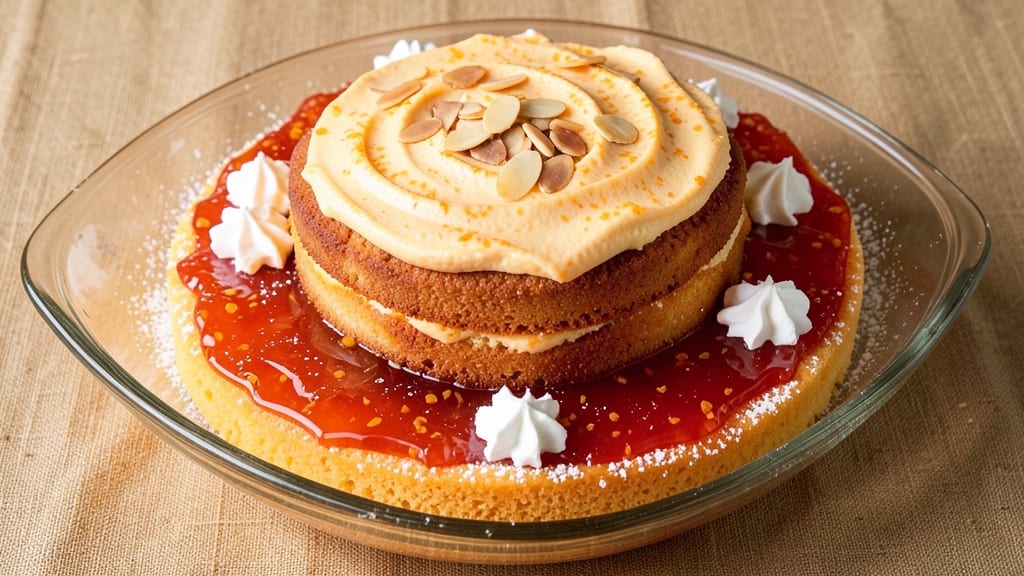
This orange cake with jello recipe combines two beloved textures—moist, tender cake layers and silky gelatin—into a dessert that’s equal parts nostalgic and sophisticated. The secret lies in balancing citrus brightness with the subtle sweetness of orange extract and the cool, wobbly contrast of jello layers.
I developed this recipe after years of baking, refining the ratio of cake to gelatin to ensure every slice delivers that perfect harmony of flavors and textures.
The cake itself is a foolproof vanilla sponge infused with orange zest and juice, baked just until tender but still slightly springy. Meanwhile, the jello layers—made with orange gelatin—set firm enough to hold their shape while still offering that satisfying give.
Together, they create a dessert that’s vibrant, refreshing, and impossible to resist, especially during warm weather or holiday gatherings.
What makes this recipe stand out is how the cool gelatin cuts through the richness of the cake, creating a balance that’s both refreshing and indulgent. The gelatin also adds a fun, interactive element—each bite offers a surprise texture, making it a crowd-pleaser for both kids and adults.
With just a few simple ingredients and minimal effort, you’ll end up with a dessert that looks impressive yet feels effortless.
Perfect for birthdays, potlucks, or a special weekend treat, this recipe scales easily to serve a crowd or just a few. The key is patience—letting the gelatin set properly ensures clean layers and a polished finish.
Once assembled, it’s ready to be sliced and served, offering a dessert that’s as delightful to make as it is to eat.
Ingredients for orange cake with jello
Simple ingredients for a vibrant dessert that balances citrus brightness with cool gelatin layers.
| Ingredient | Amount | Notes |
|---|---|---|
| All-Purpose Flour 🌾 | 2 ½ cups | Sifted for light texture |
| Granulated Sugar 🍚 | 2 cups | Superfine preferred for smoothness |
| Orange Zest 🍊 | 2 tbsp | From 2 large organic oranges |
| Orange Juice 🍊 | ½ cup | Freshly squeezed, no pulp |
| Orange Extract 🍊 | 1 tsp | Pure, high-quality extract |
| Unsalted Butter 🧈 | 1 cup | Room temperature, full-fat |
| Large Eggs 🥚 | 3 whole | Room temperature, separated |
| Baking Powder 🧂 | 2 tsp | Aluminum-free preferred |
| Salt 🧂 | ½ tsp | Fine sea salt |
| Unflavored Gelatin 🍬 | 2 packages | Knox brand preferred |
| Boiling Water 💧 | 1 cup | For gelatin activation |
| Heavy Cream 🥛 | 1 cup | Cold for gelatin layers |
| Vanilla Extract 🌿 | 1 tsp | Pure Madagascar preferred |
The quality of your orange zest makes all the difference—look for bright, fragrant peels from organic oranges at Whole Foods or your local farmers market. The gelatin should be unflavored and from a trusted brand like Knox, as it dissolves cleanly without graininess. For the orange juice, freshly squeezed is ideal, but if you're short on time, use a high-quality bottled version like Tropicana Pure. The butterflour to avoid lumps, which keeps the cake light and tender.
No orange extract? Substitute with 1 tbsp more orange juice plus 1 tsp lemon extract for brightness. Running out of gelatin? Use agar-agar at half the amount, but note the texture will be firmer. For a richer cake, swap the heavy cream in the gelatin layers for whipped cream. The vanilla extract can be omitted if you prefer the citrus-forward flavor, but it adds depth. If you don’t have superfine sugar, pulse regular granulated sugar in a food processor for a smoother texture. The baking powder should be fresh—if it’s over a year old, test it first or replace it entirely.
Store the cake layers wrapped tightly in plastic at room temperature for up to 3 days, or in the fridge for 5 days. The gelatin layers keep best in the fridge, covered with plastic wrap, for 3 days. To assemble ahead of time, layer the cake and gelatin in a 9x13-inch pan, cover, and refrigerate overnight. Once assembled, the dessert stays fresh for 4 days in the fridge. For serving, slice with a hot knife for clean layers. Leftovers can be frozen for up to 2 months, though the gelatin may lose some of its wobble.
Why You'll Love This Recipe
- No-Stress Assembly: Honestly, this isn’t one of those desserts where you need a PhD in baking. The cake batter comes together in minutes—just cream the butter and sugar until fluffy, fold in the eggs, and stir in that bright orange zest and juice. The gelatin layers? Even less work. Bloom the gelatin in boiling water, mix it into cold cream, and pop it in the fridge. No fancy tools, no stress.
- Citrus Zing: Between the 2 tbsp of fresh orange zest, the ½ cup of juice, and that 1 tsp of pure extract, this cake isn’t just orange—it’s explosively orange. The cake layers soak up the flavor, while the gelatin layers add a silky, tangy contrast. Trust me, one bite and you’ll be reaching for seconds.
- Leftovers? No Problem: The cake layers keep for 5 days in the fridge, and those gelatin layers? They hold up for 3 days. Need a quick dessert for lunch? A slice of cake with a dollop of gelatin is like a mini vacation. Plus, the ingredients—especially the gelatin—aren’t expensive, so you’re not breaking the bank.
Step-by-step instructions for orange cake with jello layers
This method delivers a perfectly balanced dessert with tender cake and silky gelatin layers.
Prepare the Orange Cake Batter
Preheat your oven to 350°F and grease two 9-inch round cake pans with unsalted butter, then line the bottoms with parchment paper. In a large mixing bowl, sift together the 2½ cups all-purpose flour, 2 tsp baking powder, and ½ tsp salt. Set aside.
In a separate bowl, cream the 1 cup unsalted butter and 2 cups granulated sugar together until light and fluffy—about 3-4 minutes—using an electric mixer on medium speed. This step incorporates air, which ensures a tender crumb. Scrape down the sides of the bowl as needed to prevent overmixing.
Add the 3 large eggs, one at a time, mixing well after each addition. Stir in the 2 tbsp orange zest, ½ cup orange juice, and 1 tsp orange extract until fully combined. The mixture should be fragrant and vibrant orange in color. Gradually add the dry ingredients to the wet, mixing on low speed just until combined—overmixing develops gluten and can make the cake dense.
Divide the batter evenly between the prepared pans. Bake for 25-30 minutes, or until a toothpick inserted into the center comes out clean. Let the cakes cool in the pans for 10 minutes, then transfer to a wire rack to cool completely before assembling.
Make the Orange Gelatin Layers
In a small bowl, sprinkle the 2 packages unflavored gelatin evenly over the 1 cup boiling water. Let it sit for 5 minutes to bloom—this ensures the gelatin fully hydrates and dissolves smoothly. Stir occasionally until fully dissolved.
In a separate bowl, whisk together the 1 cup heavy cream and 1 tsp vanilla extract. Slowly pour the bloomed gelatin mixture into the cream while whisking continuously to prevent clumping. The mixture should thicken slightly as it cools.
Divide the gelatin mixture evenly between two 8-inch round springform pans or small loaf pans. Refrigerate for at least 3 hours, or until fully set and wobbly to the touch. The gelatin should hold its shape when gently shaken but still have a slight jiggle.
Assemble the Cake Layers
Once the cakes and gelatin layers are completely cooled, carefully remove the gelatin from the pans. Place one cake layer on a serving plate, then top with half of the gelatin mixture. Repeat with the second cake layer and remaining gelatin.
For a polished finish, you can drizzle a simple glaze made by combining ½ cup granulated sugar finely ground in a blender with ½ cup orange juice and brushing it over the top of the cake. Alternatively, garnish with extra orange zest for a bright, citrusy touch.
Serve immediately or refrigerate for up to 4 hours before serving. The contrast between the moist, citrusy cake and the cool, wobbly gelatin creates a delightful textural experience that stays true to the recipe’s promise of moisture.
Pro Tips For Making Orange Cake With Jello
- BLOOM THE GELATIN RIGHT: That 5-minute bloom isn’t optional—it’s what keeps your gelatin layers silky instead of grainy. I used to rush it and end up with rubbery slices. Sprinkle the gelatin over the boiling water in a thin layer so every granule soaks up liquid evenly, then stir occasionally until fully dissolved. No shortcuts here.
- WEIGH YOUR FLOUR: The recipe calls for sifted flour, but scooping from the bag packs it down. Use a kitchen scale for 2.5 cups—it should measure about 320 grams. Packed flour makes dense cake; sifted and spooned-in flour gives that light, airy texture the recipe promises. Trust me, your toothpick test will thank you.
- DON’T OVERMIX THE BATTER: I’ve seen people beat this batter until it’s smooth enough for wallpaper paste. Stop mixing the second the dry ingredients disappear—overworking develops gluten, and your cake will turn tough. The moment the flour disappears is the moment to scrape the bowl and call it done.
- CHILL THE GELATIN MIXTURE: Pour the bloomed gelatin into the cold heavy cream while whisking, but don’t rush to assemble. Let the mixture sit at room temperature for 10 minutes first—it’ll thicken slightly, making it easier to layer without sliding. This also prevents a watery texture when you cut into it later.
Wine and beer pairings for orange cake with jello
Citrus-Inspired Wines
The bright, tangy notes in this orange cake pair beautifully with crisp white wines. I recommend a dry Riesling from Germany or Alsace—its acidity cuts through the cake’s sweetness while complementing the citrus.
Look for Dr. Loosen Blue Slate or Trimbach Riesling for a refined choice that enhances the dessert’s vibrancy. 🍷
Orange Blossom Pairings
A Sauternes or Banyuls—sweet fortified wines—elevate the dessert’s orange essence with their floral and caramel undertones. The Château d’Yquem Sauternes adds a luxurious touch, while Domaine de l’Abbaye de Castelforte Banyuls offers a smoother, fruit-forward profile. These wines balance the cake’s brightness without overpowering it.
Craft Beer Contrasts
For beer lovers, a witbier like Hoegaarden or Blue Moon provides a refreshing contrast with its citrusy, coriander-spiced profile. The beer’s light body and effervescence cleanse the palate between bites. Alternatively, a Belgian blonde ale with subtle orange peel notes, like Leffe Blonde, adds a complementary warmth. 🍺
Sparkling Wine Surprise
A Prosecco or Cava Brut adds a festive touch with its bubbly acidity. The effervescence enhances the dessert’s texture while the citrus notes in the wine mirror the cake’s orange flavor. I love serving a La Marca Prosecco chilled—it’s affordable and always a crowd-pleaser.
Coffee Pairing Twist
For a non-alcoholic option, a dark roast coffee with orange zest or a cinnamon-spiced espresso works surprisingly well. The bitterness of the coffee balances the cake’s sweetness, while the spices echo the dessert’s warm citrus notes. Try a French press with a pinch of cinnamon for extra depth. ☕
Nutrition facts
Frequently asked questions
Why does my gelatin layer look grainy?
Graininess happens when gelatin isn't fully bloomed or dissolved. Always let the 2 packages unflavored gelatin sit in 1 cup boiling water for 5 minutes before stirring, and whisk continuously until completely smooth. If using a substitute like agar-agar, reduce the amount by half and ensure your heavy cream is cold to slow thickening.
Can I make the gelatin layers ahead of time?
Prepare the gelatin mixture and refrigerate it in pans for up to 24 hours before assembling. Just ensure it's fully set (wobbly to the touch) before layering. This method saves time on the day of serving.
What if my cake layers don't level perfectly?
Use a serrated knife dipped in hot water to trim uneven tops—this creates clean layers. If the cake domes, bake 2-3 minutes less next time. A level cake ensures even gelatin distribution and a professional finish.
How do I prevent the gelatin from sticking to the pan?
Line your 8-inch springform pans with parchment paper or lightly grease them with butter before adding the gelatin mixture. This makes removal effortless and prevents any unwanted tearing.
Can I substitute orange extract with something else?
If you're out of orange extract, use 1 tbsp more orange juice plus 1 tsp lemon extract for brightness. Avoid vanilla extract—it won't replicate the citrus flavor. The zest alone won't provide enough depth, so this substitution keeps the recipe balanced.