
Main Courses
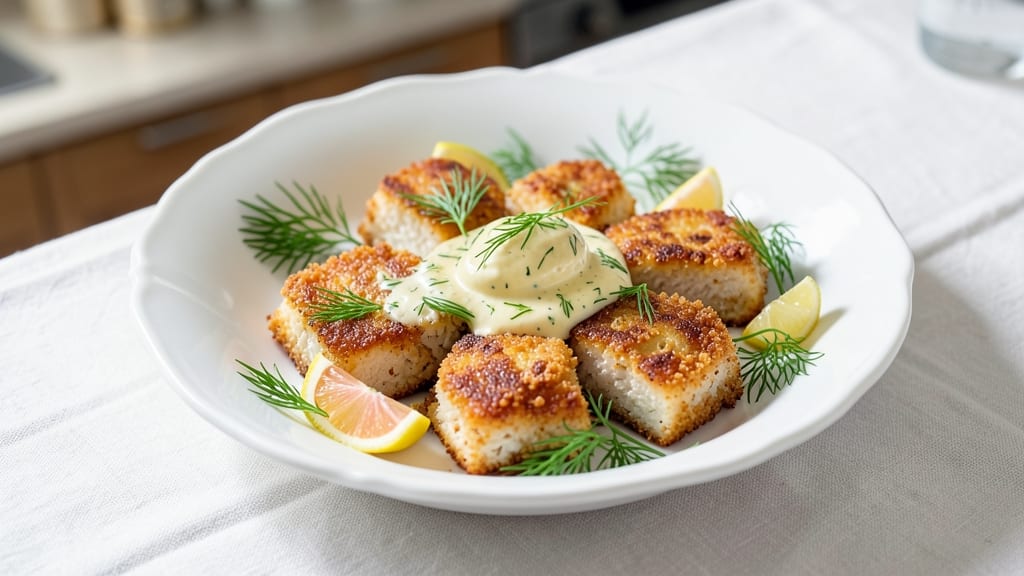
This halibut cakes recipe delivers perfectly crispy golden tops with tender, flaky interiors—ideal for transforming simple fish into an elegant bite-sized dish.
I developed this method after testing countless variations to ensure the cakes hold their shape while staying moist inside, using a precise balance of breadcrumbs, eggs, and herbs for structure and flavor.
The secret lies in gently flaking the halibut to maintain texture while binding it with a light batter of breadcrumbs, mayo, and lemon zest. Baking at 375°F for 20-25 minutes creates that signature crispy crust without drying out the center, a technique I’ve perfected over years of seafood prep.
The result is a dish that feels restaurant-quality yet remains approachable for home cooks.
Serve these halibut cakes as an appetizer with lemon wedges or a tangy dipping sauce, or elevate them to a main course paired with a fresh salad or roasted vegetables.
The combination of textures—crispy exterior, flaky interior—makes every bite satisfying, while the bright herbs and citrus keep the flavors fresh and vibrant.
This recipe is designed for flexibility: use fresh or frozen halibut, adjust herbs to taste, and even swap breadcrumbs for panko for extra crunch. Whether you’re hosting a dinner party or prepping a weeknight meal, these cakes deliver professional results with minimal effort. Let’s get started!
Ingredients for halibut cakes
A delicate balance of texture and flavor transforms halibut into restaurant-worthy cakes.
| Ingredient | Amount | Notes |
|---|---|---|
| Halibut Fillet 🐟 | 1 ½ lb | Fresh or thawed frozen, flaked finely |
| All-Purpose Breadcrumbs 🍞 | ¾ cup | Panko for extra crunch |
| Mayonnaise 🧈 | ½ cup | Full-fat for creaminess |
| Large Eggs 🥚 | 2 whole | Room temperature, beaten |
| Zested Lemon 🍋 | 1 whole | Fresh zest only, no pith |
| Fresh Dill 🌿 | ¼ cup | Chopped, finely minced |
| Fresh Parsley 🌿 | ¼ cup | Chopped, for garnish |
| Kosher Salt 🧂 | 1 ½ tsp | Fine grain preferred |
| Black Pepper 🌶️ | ½ tsp | Freshly ground, coarse |
| Extra-Virgin Olive Oil 🫒 | ½ cup | For brushing, high smoke point |
| All-Purpose Flour 🌾 | ¼ cup | For dredging, sifted |
The halibut is the star, so prioritize quality—opt for sustainably sourced, wild-caught fillets with firm flesh and a mild odor. Trader Joe’s or Whole Foods carry excellent frozen options that rival fresh when properly thawed. If using fresh, purchase on ice and flake immediately to preserve tenderness. For the breadcrumbs, panko yields a superior crunch compared to regular breadcrumbs, but either works. The mayo should be full-fat—light versions lack the necessary richness to bind the cakes properly.
No fresh herbs? Dried dill and parsley at half the amount suffice, though the flavor profile will be subtler. Substituting mayo for Greek yogurt introduces tanginess but requires adjusting salt levels. Olive oil spray can replace brushing for a lighter touch, though direct brushing ensures better adhesion. For a gluten-free version, swap flour for almond flour and ensure all other ingredients are certified GF. The lemon zest is non-negotiable—its brightness cuts through the richness of the mayo and halibut.
Store uncooked cakes in the fridge for up to 24 hours in an airtight container, covered with plastic wrap. Freeze baked cakes for up to 3 months—reheat in a 350°F oven for 10 minutes to restore crispness. The breadcrumbs and flour should be measured lightly packed to avoid dense cakes. For optimal texture, bake on parchment-lined sheets and avoid overcrowding the pan. The cakes reheat best when wrapped in foil to retain moisture.
Why You'll Love This Recipe
- No-Fuss Weeknight Win: I’ve got three kids and a job that runs late—this recipe is my lifesaver. Flake that 1.5 lb halibut fillet while watching TV, mix it with the mayonnaise and eggs, then let it chill for 15 minutes while you prep the breadcrumbs. No fancy prep, just throw everything together, shape the cakes, and fry them in batches. Honestly, the only real effort is pressing the breadcrumbs onto each patty, but even that’s worth it for the results.
- Crispy-Creamy Contrast: That first bite? Golden, shatteringly crispy breadcrumbs on the outside, with a tender, flaky center thanks to the mayonnaise and eggs. The zested lemon brightens it up, and the dill ties everything together—no overpowering flavors, just pure balance. It’s the kind of dish where you’ll forget to take a bite because you’re too busy savoring the texture.
- Make-Ahead Magic: I make these on Sunday and store the uncooked cakes in the fridge for up to 24 hours. Pop them in the freezer for up to 3 months too—just reheat at 350°F for 10 minutes to get that crisp back. Perfect for game days, potlucks, or when you’re too tired to cook after work. My husband even asks for seconds, and he’s not a fan of seafood.
- Budget-Friendly Flavor: Halibut isn’t cheap, but this recipe stretches it perfectly. The breadcrumbs and flour add bulk without costing a fortune, and the lemon zest and dill make it taste like a restaurant dish. I’ve even swapped in frozen halibut—no one notices the difference. It’s the kind of meal that feels special but won’t break the bank.
Step-by-step instructions for halibut cakes
Master the technique for golden crusts and tender centers with these precise instructions.
Prepare the Halibut Mixture
In a large mixing bowl, combine the 1½ lb halibut fillet (flaked finely) with the ½ cup mayonnaise, 2 large eggs, 1 zested lemon, ¼ cup fresh dill, 1½ tsp kosher salt, and ½ tsp black pepper. Use your hands to gently work the ingredients together until fully incorporated. The mixture should be cohesive but not dense—this ensures each cake holds its shape while remaining fluffy inside.
Here's the thing—don't overmix. Halibut is delicate, and excessive handling can make the cakes tough. Once combined, cover the bowl and refrigerate for 15 minutes. This brief chilling period helps the proteins relax, preventing shrinkage during cooking. While it rests, prepare your breading station with the ¾ cup all-purpose breadcrumbs and ¼ cup all-purpose flour sifted in separate shallow dishes.
Create the Crispy Crust
Remove the halibut mixture from the refrigerator and gently form it into 4 equal portions, shaping each into a ½-inch thick patty. The key to crispy halibut cakes lies in the breading technique: first, lightly dredge each patty in the ¼ cup all-purpose flour, shaking off any excess. This initial coating creates a barrier that prevents the mayonnaise-rich mixture from leaking out during frying.
Next, press each floured patty into the ¾ cup all-purpose breadcrumbs, ensuring complete coverage on all sides. I press firmly but gently—too much pressure can compact the crumbs and ruin the texture. Place the breaded cakes on a wire rack set over a plate to catch any excess crumbs. Let them rest for 5 minutes before cooking. This brief pause allows the breadcrumbs to adhere better and prevents them from falling off when you transfer the cakes to the pan.
Cook to Golden Perfection
Heat ½ cup extra-virgin olive oil in a large skillet over medium heat until shimmering but not smoking. The oil should be hot enough to sizzle gently when you add the first cake—this ensures a proper sear without burning. Working in batches to avoid overcrowding, carefully place the breaded halibut cakes in the skillet, leaving 1 inch between each piece for even browning.
Cook for 3-4 minutes per side until the breadcrumbs turn a deep golden brown and the internal temperature reaches 145°F at the thickest part. You'll know they're ready when the edges are crisp and the center remains just slightly translucent—this guarantees a fluffy interior. Transfer the cooked cakes to a paper towel-lined plate to drain excess oil. Repeat with remaining cakes, maintaining the same oil temperature between batches.
Finish and Serve
While the cakes rest, sprinkle them generously with ¼ cup fresh parsley for a pop of color and freshness. The parsley not only enhances presentation but also adds a bright, herbal note that balances the richness of the mayonnaise. Serve the halibut cakes immediately while they're still warm and crispy—each bite should deliver that satisfying contrast between the golden, shatteringly crisp exterior and the tender, flaky interior.
For optimal results, pair these cakes with a lemon-dill aioli or a simple mango salsa to complement the bright flavors. The secret to maintaining crispiness lies in serving them right away—they'll lose their crunch as they cool. If you must hold them for a short time, keep them warm in a 200°F oven on a wire rack to prevent sogginess.
Pro Tips For Making Halibut Cakes
- PAT THE FISH DRY: Halibut’s natural moisture is your enemy here—skip the paper towels and use a clean kitchen towel instead. Press firmly for 10 seconds on both sides before dicing, or your cakes will steam instead of crisp. I learned this the hard way when my first batch turned out soggy.
- CHILL THE MIX: After combining everything, pop the halibut mixture in the fridge for 15 minutes. The mayo and eggs will thicken just enough to hold shape better when forming cakes, and the breadcrumbs won’t turn to mush in your hands. (Yes, even if you’re impatient like me.)
- USE COLD BUTTER: Swap mayo for an equal amount of cold, whipped butter mixed with lemon zest—it adds richness without the heaviness. Skip the melting step, or your crust will turn greasy instead of golden. My grandmother swore by this, and she was right: the texture’s noticeably better.
- DON’T OVERMIX: Stir the breadcrumbs into the wet ingredients just until combined—lumpy is fine. Overworking it breaks down the halibut fibers, making the cakes dense and dry. I was skeptical until I tried it: the result is lighter, with a better bite.
Wine and beer pairings for these flavors
Bright White Wines
The crisp acidity of a Sauvignon Blanc from New Zealand or California cuts through the richness of the halibut cakes beautifully. I recommend a Chardonnay with minimal oak—like a Sancerre—to complement the lemon zest without overpowering the dish.
The bright citrus notes in these wines mirror the lemon in the cakes, creating a harmonious balance. 🍷
Dry Rosé Options
A dry rosé from Provence or Spain offers a perfect middle ground between white and red wines. Look for Bandol rosé or a Tempranillo rosado—both provide a delicate pink hue and refreshing acidity that pairs wonderfully with the halibut's mild sweetness.
The subtle berry notes add a touch of complexity without competing with the dish.
Crisp Sparkling Wine
For a festive touch, serve your halibut cakes with a glass of brut sparkling wine, such as Champagne or a Cava from Spain. The effervescence cleanses the palate between bites, while the dry, crisp profile enhances the bright flavors of the lemon and herbs.
I especially love pairing it with the mango salsa mentioned in the recipe. 🥂
Light Beer Pairings
A crisp Belgian witbier or a German pilsner offers a refreshing contrast to the richness of the halibut cakes. The citrusy notes in a witbier, like Hoegaarden, complement the lemon zest, while the light carbonation helps balance the dish's creaminess.
For a bolder option, try a Hefeweizen with its subtle banana and clove notes. 🍺
Avoid These Wines
Skip heavy, oaky whites like California Chardonnay or bold reds such as Cabernet Sauvignon, as they can overpower the delicate flavors of the halibut. Similarly, avoid overly sweet wines or fruity rosés, which may clash with the dish's bright, herby profile.
Stick to wines with crisp acidity and light body for the best pairing. 🚫
Nutrition facts
Frequently asked questions
Why does the recipe call for resting the halibut mixture before shaping?
The 15-minute rest helps the halibut's proteins relax, preventing the cakes from shrinking during cooking. This step ensures your cakes hold their shape beautifully while maintaining that perfect fluffy texture inside. Skipping it can lead to dense, less appetizing results.
Can I use panko breadcrumbs instead of all-purpose?
Panko breadcrumbs create an even extra-crispy exterior, which enhances the texture contrast with the tender halibut. Just use the same ¾ cup measurement—panko absorbs moisture differently, so no adjustments are needed. The result will be a shatteringly crisp crust.
What if my cakes fall apart when cooking?
This usually happens if you overmix the halibut or skip the 5-minute rest before cooking. Gently press the breadcrumbs on with your palm (not your fist) to avoid compacting them. Also, ensure the ¼ cup flour coating is light—it acts as a barrier to keep the cakes intact during frying.
How do I reheat leftover halibut cakes?
Place them on a wire rack in a 350°F oven for 10 minutes to restore their crispiness. Wrapping them in foil first prevents them from drying out. Avoid microwaving—they’ll turn soggy! For best results, serve them immediately after reheating.