
Desserts
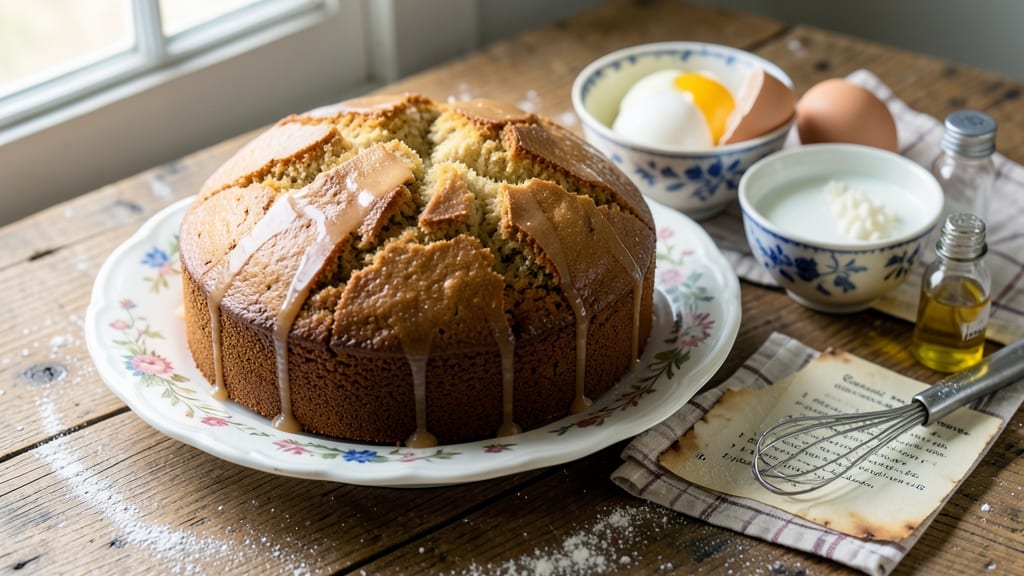
Grandma's pound cake recipe brings back the warm, buttery aroma of Sunday afternoons and family gatherings—this is the version I grew up with, passed down through generations.
The secret lies in the buttermilk trick, which keeps the crumb tender and moist for days, while vanilla infusion creates that signature nostalgic flavor. What makes this recipe special is its simplicity: just a few ingredients, precise measurements, and a foolproof method that delivers restaurant-quality results every time.
This classic pound cake achieves its signature dense texture through a precise balance of butter, sugar, and flour, with the buttermilk adding that signature tang and moisture. Baking at a steady 325°F for about 50-60 minutes ensures a golden crust while keeping the interior perfectly tender.
The cake's versatility makes it ideal for slicing into thick wedges, serving with tea, or using as a base for frosting and layering.
What you'll end up with is a cake that stays fresh for days—moist, flavorful, and with that perfect crumb that crumbles just enough to be irresistible. The vanilla-infused batter creates layers of aromatic depth, while the buttermilk trick ensures it never dries out.
Whether you're baking for a special occasion or simply craving a taste of nostalgia, this recipe delivers.
For added flair, consider incorporating lemon zest or chocolate chips into the batter, though the classic version remains a timeless favorite.
The key to success lies in proper resting time after baking—allowing the cake to cool gradually in the pan before transferring to a wire rack ensures even texture and maximum flavor development.
Ingredients for grandma's pound cake
Just butter, sugar, flour, and buttermilk—this timeless recipe delivers restaurant-quality results.
| Ingredient | Amount | Notes |
|---|---|---|
| Unsalted Butter 🧈 | 1 ½ cups | Room temperature, full-fat preferred |
| Granulated Sugar 🍬 | 2 cups | Superfine for even distribution |
| All-Purpose Flour 🌾 | 2 cups | Sifted before measuring |
| Buttermilk 🥛 | 1 cup | Full-fat for richness |
| Large Eggs 🥚 | 4 whole | Room temperature preferred |
| Pure Vanilla Extract 🌿 | 2 tbsp | High-quality for infusion |
| Baking Powder 🧂 | 2 tsp | Aluminum-free preferred |
| Salt 🧂 | 1 tsp | Fine grain preferred |
| Lemon Zest 🍋 | 1 tbsp | Optional for brightness |
The butter is your foundation—unsalted and room temperature is non-negotiable for even crumb. Kroger or Whole Foods carry excellent quality, but any reputable brand works if it’s fresh. For extra richness, opt for European-style butter with higher fat content. The vanilla extract should be pure and alcohol-free—Mallard’s or McCormick are reliable choices. Store vanilla bottles in a cool, dark place to preserve potency. If you’re using buttermilk, check the expiration date—homemade or high-quality store-bought works best for that signature tang.
No buttermilk? Mix 1 cup whole milk + 1 tsp vinegar and let it sit for 10 minutes. Substituting vanilla? Vanilla bean paste adds depth, but imitation extract works in a pinch. Want to skip the lemon zest? Add 1 tsp almond extract instead for a nutty twist. For a lighter cake, reduce the sugar by 1/4 cup and add an extra egg. Professional bakers swear by sifting the flour twice—don’t skip it for that airy texture. And if your eggs aren’t room temperature? Microwave them 30 seconds to mimic it.
This cake keeps beautifully for 3-4 days wrapped tightly in plastic at room temperature. For longer storage, slice and freeze individual portions—wrap each piece in parchment paper before freezing. Reheat slices in a 350°F oven for 5-10 minutes to restore moisture. The vanilla extract can be stored for up to 2 years if unopened, but once opened, use it within 6 months. For the best texture, let the cake cool completely in the pan before transferring to a wire rack—patience here pays off. And if you’re making this for a crowd, double the recipe—it’s worth the effort.
Why You'll Love This Recipe
- No-Fuss Mixing: I’ll be real—this recipe is one of those where you can’t mess it up. Just cream that 1.5 cups of unsalted butter with 2 cups of sugar until it’s pale and fluffy (5-7 minutes, no shortcuts), then fold in the eggs and buttermilk one at a time. The batter will be thick, but that’s the magic. No fancy techniques, just patience and a mixer.
- Vanilla-Packed Bliss: That 2 tablespoons of pure vanilla extract isn’t just decoration—it’s the heart of this cake. The slow bake at 325°F lets that vanilla infuse every bite, turning simple ingredients into something ridiculously good. Trust me, the first slice will make you pause and think, “Wait, why is this so good?”
- Crowd-Pleaser Always: This cake doesn’t care if it’s Sunday brunch, a potluck, or your go-to dessert after a long week. Slice it thin for tea, stack it with fruit, or even crumble it over ice cream. It’s the kind of thing that makes people ask, “What’s in this?”—and honestly, the answer is just full-fat butter, eggs, and buttermilk working their buttery magic.
- Leftovers That Last: Unlike some cakes that dry out in a day, this one stays moist for 3-4 days at room temperature. That means you can bake it on Saturday and still have perfect slices for Monday’s coffee break. Budget-friendly too—all-purpose flour and pantry staples make it a steal for the flavor you get.
Step-by-step instructions for grandma's pound cake recipe
This classic vanilla pound cake delivers a tender crumb and moist texture every time.
Cream Butter and Sugar for Maximum Fluffiness
In a stand mixer fitted with the paddle attachment, beat the 1½ cups unsalted butter and 2 cups granulated sugar on medium speed for 5-7 minutes. You're looking for a light, pale yellow mixture that nearly doubles in volume and leaves clean ribbons when the beaters are lifted. This creaming process incorporates air, which creates that signature tender crumb.
Here's the thing—don't rush this step. You'll know it's ready when the mixture looks fluffy and holds its shape when you drag a spoon through it. If it's still grainy, keep mixing for another minute. Room-temperature butter is crucial here; if it's too cold, the cake will be dense.
Add Eggs and Vanilla for Rich Flavor
Add the 4 large eggs, one at a time, mixing well after each addition until fully incorporated. Then add the 2 tablespoons pure vanilla extract and mix for another 30 seconds. The mixture should be thick and smooth, almost like a pale custard. This is where the cake gets its signature vanilla infusion that permeates every bite.
I always use room-temperature eggs for this recipe—they blend more smoothly and help create a lighter texture. If your eggs are straight from the fridge, let them sit in warm water for 5 minutes before adding them. The lemon zest can go in now if you're using it—fold it in gently with a spatula to preserve its bright flavor.
Combine Dry Ingredients for Even Distribution
In a separate bowl, whisk together the 2 cups all-purpose flour, 2 teaspoons baking powder, and 1 teaspoon salt. Sift the flour mixture directly over the wet ingredients in three additions, mixing on low speed just until combined after each addition. This prevents overmixing which can make the cake tough. You should still see some flour streaks when you're done.
The buttermilk goes in last—add the 1 cup buttermilk and mix on low speed just until the batter comes together. Don't overmix. The batter will be thick and smooth, almost like a heavy cake batter. This is normal for pound cake—it's designed to be dense and moist rather than light and airy.
Bake at Low Temperature for Perfect Moisture
Preheat your oven to 325°F—this lower temperature ensures even baking without a dry crust. Grease and flour a 9-inch round cake pan or line it with parchment paper for easy removal. Pour the batter into the prepared pan and smooth the top with a spatula. Bake for 60-75 minutes, or until a toothpick inserted in the center comes out clean.
Here's the secret: pound cake benefits from slow baking. The lower temperature allows the moisture to distribute evenly throughout the cake, preventing a dry crust while keeping the interior tender. I like to tent the cake loosely with foil after 30 minutes if the top is browning too quickly, but check for doneness at the 60-minute mark.
Cool and Slice for Maximum Tenderness
Remove the cake from the oven and let it cool in the pan for 15 minutes. Then transfer it to a wire rack to cool completely. This gradual cooling prevents cracking and allows the cake to set properly. The cake will be moist but firm enough to slice after 2 hours of cooling.
For the best texture, slice the cake with a serrated knife that's been dipped in hot water and wiped dry. This ensures clean cuts through the dense crumb. Serve at room temperature—this cake actually improves overnight as the flavors meld together. Store leftovers wrapped tightly at room temperature for up to 5 days or refrigerated for up to 1 week.
Pro Tips For Making Grandma'S Pound Cake
- Test Butter First: Stick a knife in that 1.5 cups unsalted butter while it sits out—if it leaves a clean indentation but doesn’t feel greasy, it’s ready. Cold butter fights your mixer and makes the cake dense, while butter that’s too soft turns the batter greasy. I learned this the hard way when my first batch turned out greasy and sad.
- Sift That Flour: Don’t just scoop the 2 cups all-purpose flour straight from the bag—sift it first. Those lumps hide in plain sight and create dry pockets in the cake. Sifting also aerates the flour, which helps the cake rise better. I skip this sometimes, and the texture suffers—it’s worth the extra 30 seconds.
- Mix Just Until Combined: After adding the buttermilk, resist the urge to overmix. The batter should look thick and slightly streaky—that’s normal. Overmixing develops the gluten, which makes the cake tough. I’ve ruined cakes by mixing too long, and the result is a dense brick instead of that tender crumb.
- Check at 60 Minutes: Pound cake is patient—start checking for doneness at 60 minutes, not 75. Ovens vary, and baking too long dries it out. Insert a toothpick into the center; if it comes out with a few moist crumbs but no wet batter, it’s done. If you wait too long, you’ll end up with a dry cake, and no one wants that.
Best sauces and condiments for this dish
Vanilla Bean Swirl
For an extra-special touch, I love adding a vanilla bean swirl to my pound cake. After mixing the batter, scrape out 1 vanilla bean from its pod and split it lengthwise.
Gently scrape the seeds into the batter, then swirl the pod into the center of the batter before pouring it into the pan. Bake as directed, then slice through the pod after cooling—it creates beautiful golden ribbons of flavor throughout each slice.
This adds a luxurious depth that elevates the classic recipe. 🌿
Lemon Curd Drizzle
A bright lemon curd drizzle makes this cake feel like a celebration. Prepare a simple curd using ½ cup lemon juice, ½ cup sugar, 3 egg yolks, and ¼ cup softened butter.
Cook over low heat until thickened, then cool. Drizzle over chilled cake slices just before serving for a tangy contrast that cuts through the richness. I like to use Penzeys lemons for extra brightness. 🍋
Caramelized Apple Butter
For a fall-inspired twist, pair your pound cake with homemade caramelized apple butter. Simmer 4 cups peeled apples, ½ cup brown sugar, 1 tsp cinnamon, and 1 tbsp lemon juice until thickened.
Spread a generous layer on top of cake slices or serve it on the side. The sweet-tart flavor complements the vanilla perfectly, especially during cooler months. This pairing feels like comfort in every bite. 🍎
Whipped Cream and Berries
A classic pairing that never fails: lightly sweetened whipped cream and fresh berries. Whip 1 cup heavy cream with 2 tbsp powdered sugar until stiff peaks form, then dollop over cake slices. Top with mixed berries like raspberries, blueberries, or blackberries for a pop of color and freshness.
I always use organic berries for the best flavor contrast. This combination feels like a dessert from a cozy tea party. ✨
Espresso Dusting
For coffee lovers, a light dusting of instant espresso powder adds complexity. Mix 1 tsp espresso powder with 1 tbsp powdered sugar and sprinkle over cake slices before serving.
The bitterness enhances the vanilla notes and makes each bite more interesting. I like to use Illy espresso for a professional touch. This pairing feels sophisticated yet approachable. 💛
Nutrition facts
Frequently asked questions
Why does this pound cake recipe call for buttermilk instead of regular milk?
The buttermilk creates a tender, moist crumb that's signature to classic pound cakes. Buttermilk's natural acidity reacts with the baking powder to create air pockets, keeping the cake soft for days. Plus, it adds a subtle tang that enhances the vanilla flavor. For best results, use full-fat buttermilk—it delivers richer flavor and moisture. If you're out, mix 1 cup whole milk + 1 tsp vinegar and let it sit for 10 minutes to mimic the tang.
How do I know when the cake is fully baked?
Check doneness at the 60-minute mark by inserting a toothpick into the center. It should come out clean or with just a few moist crumbs. The cake will look slightly underdone at first but continues baking after removal. If the top browns too quickly, tent it loosely with foil after 30 minutes to prevent over-browning.
Can I substitute vanilla extract with something else?
For depth, use vanilla bean paste instead of extract—it adds visible specks and richer flavor. If you're avoiding vanilla, almond extract (½ tsp) works as a nutty alternative, though it changes the cake's flavor profile. Never skip the vanilla entirely—the recipe relies on its aromatic infusion for that nostalgic taste.
What's the best way to slice this cake without crumbling?
Let the cake cool completely for 2 hours before slicing. Dip a serrated knife in hot water, wipe it dry, then slice through the cake in one smooth motion. This prevents tearing the dense crumb. For extra clean cuts, rotate the cake 90 degrees between slices to maintain even pressure.