
Main Courses
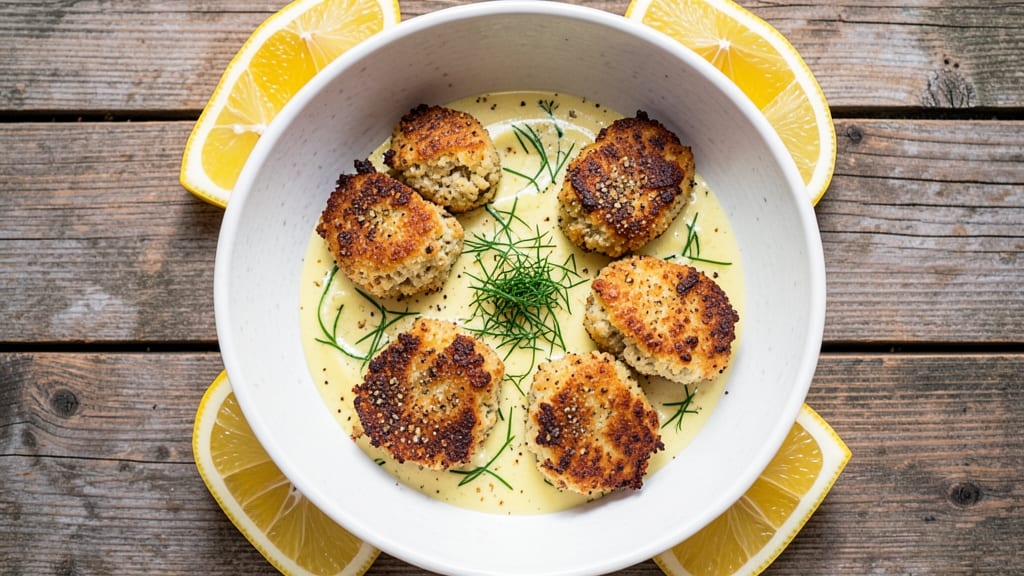
This copycat crab cake recipe delivers the crispy-edged, juicy-centered perfection you crave from your favorite seafood spot. After years of perfecting the technique, I’ve cracked the code for achieving that signature texture—golden crust outside, tender crab filling inside—without the restaurant markup.
The secret lies in precise ingredient ratios and a two-step cooking method that ensures every bite is restaurant-quality.
What sets this recipe apart is the balance between simple ingredients and professional results. You’ll use fresh lump crab meat, a carefully measured binder, and a crispy breadcrumb coating that stays crunchy even after frying.
The key is cooking the cakes low and slow at first, then finishing them at high heat to lock in that signature golden crust. No special equipment is needed—just a sturdy pan and patience for perfect execution.
By the time you plate these crab cakes, you’ll have a dish that’s juicy, flavorful, and impossible to resist—just like the ones you’d order at a seafood restaurant. Serve them with classic tartar sauce, lemon wedges, or a side of coleslaw for the full experience.
This recipe isn’t just a copycat version; it’s a proven method that delivers results every time.
Whether you’re hosting a dinner party or craving a taste of the coast, these crab cakes will impress. The technique is straightforward, but the payoff is undeniable—crispy, golden edges that give way to tender, crab-packed centers. Let’s get started on creating your own restaurant-worthy dish at home.
Ingredients for copycat crab cake
Simple ingredients, restaurant-worthy results. The secret to perfect crab cakes lies in fresh crab meat and precise ratios.
| Ingredient | Amount | Notes |
|---|---|---|
| Lump Crab Meat 🦀 | 1 ½ lb | Freshly packed, backfin removed |
| Panko Breadcrumbs 🍞 | 1 cup | Light and crispy preferred |
| Mayonnaise 🥛 | ¼ cup | Full-fat for creaminess |
| Dijon Mustard 🍯 | 1 tbsp | High-quality, smooth variety |
| Fresh Lemon Juice 🍋 | 1 tbsp | Freshly squeezed, seeds strained |
| Old Bay Seasoning 🌶️ | 1 tsp | Classic blend for authentic flavor |
| Chopped Fresh Chives 🌿 | 2 tbsp | Finely minced for garnish |
| Large Eggs 🥚 | 1 whole | Room temperature for binding |
| Extra-Virgin Olive Oil 🫒 | ¼ cup | For frying, high smoke point |
| Unsalted Butter 🧈 | 2 tbsp | Melted for frying |
| Diamond Crystal Kosher Salt 🧂 | ½ tsp | For seasoning, not iodized |
| Ground Black Pepper 🌶️ | ¼ tsp | Freshly cracked for flavor |
| All-Purpose Flour 🌾 | ¼ cup | For dredging, light coating |
| Ice Cubes ❄️ | 1 cup | For keeping crab meat cold |
The crab meat is non-negotiable here. Fresh lump crab meat from a trusted seafood market (like Whole Foods or your local fishmonger) makes all the difference—avoid canned or pre-packaged crab that’s been sitting for days. Look for bright, translucent meat with minimal shell fragments. If you can’t find lump crab, jumbo lump works too, but avoid the cheaper, finer-ground crab. Keep the crab meat cold until ready to use—ice cubes in the bowl help maintain freshness. The Old Bay seasoning should be the classic blend, not the pre-mixed stuff with fillers.
No Old Bay? A mix of paprika, celery salt, and black pepper gets you close, but trust me, it’s worth tracking down the real deal. Short on mayonnaise? Greek yogurt thinned with lemon juice works for a lighter texture, but the fat in mayo is key for that tender crumb. The Dijon mustard adds depth—don’t skip it. For frying, olive oil and butter together give you the best of both worlds: high smoke point and rich flavor. If you’re worried about the crab cakes falling apart, add 1 extra tablespoon of panko to the mix for extra structure. The chives? Fresh if you’ve got them, dried at half the amount if you don’t.
These crab cakes are best served immediately, but if you need to prep ahead, shape them and refrigerate for up to 2 hours before frying. They won’t crisp as perfectly but still taste fantastic. Once fried, keep them warm in a 200°F oven on a wire rack for no more than 15 minutes—they’ll get soggy if left sitting. For leftovers, store in an airtight container for up to 2 days, but honestly, they’re so good you’ll eat them all. Freezing isn’t recommended—the texture suffers, but if you must, freeze the shaped cakes (uncooked) for up to 1 month.
Why You'll Love This Recipe
- I’ll be real: these aren’t the kind of crab cakes you’d serve at a fancy dinner. But they’re perfect for a Friday night when you want to impress without spending hours in the kitchen. Serve them with a simple arugula salad or tartar sauce, and you’ve got a restaurant-worthy meal in under 40 minutes.
- Here’s what sold me: you can shape them ahead and refrigerate for up to 2 hours before frying, but honestly, they’re best fresh off the pan. If you do have leftovers, keep them warm in a 200°F oven for no more than 15 minutes—any longer, and they’ll turn into crab cake mush. Still, that’s a solid 20 minutes of extra time for seconds.
Step-by-step instructions for crispy-edged, juicy-centered crab cakes
Here's the method that delivers restaurant-quality crab cakes with golden crusts and tender centers every time.
Prepare the Crab Meat Mixture
Place the 1½ lb lump crab meat in a large bowl and add the 1 cup ice cubes. Let it sit for 5 minutes to keep the crab cold and prevent premature cooking. This chilling step is crucial—it maintains the crab's delicate texture while you prepare the rest of the ingredients.
In a separate small bowl, whisk together the ¼ cup mayonnaise, 1 tbsp Dijon mustard, 1 tbsp fresh lemon juice, 1 tsp Old Bay seasoning, ½ tsp diamond crystal kosher salt, and ¼ tsp ground black pepper. This mixture forms the binding base that holds the crab cakes together while adding depth of flavor. The lemon juice brightens the dish, while the Old Bay seasoning delivers that classic Maryland crab cake taste.
Drain the crab meat thoroughly using a fine-mesh strainer, pressing gently with a rubber spatula to remove any excess moisture. Combine the drained crab with the mayonnaise mixture and fold together just until evenly distributed. Be careful not to overmix—the crab should remain in large, intact lumps for that authentic texture. Here's the thing—gentle folding preserves the crab's natural structure while ensuring even flavor distribution.
Create the Binding and Coating
In a medium bowl, beat the 1 large egg until frothy. This will help bind the crab mixture into cohesive cakes. Add the beaten egg to the crab mixture and gently fold together with a rubber spatula. The egg should coat the crab evenly without breaking up the lumps.
In another bowl, combine the 1 cup panko breadcrumbs, ¼ cup all-purpose flour, and the 2 tbsp chopped fresh chives. This coating creates the signature crispy exterior while adding a touch of freshness. The panko breadcrumbs are essential—they're light and airy, creating that perfect crunch without overwhelming the delicate crab flavor. Mix these dry ingredients thoroughly so the chives are evenly distributed throughout the coating.
Real talk: Don't skip the flour in this coating. It helps the breadcrumbs adhere better to the crab cakes and creates that golden-brown crust we're after. The chives add a subtle oniony freshness that complements the seafood perfectly.
Shape and Chill the Crab Cakes
Working quickly, gently fold the dry coating mixture into the crab mixture using your hands or a rubber spatula. You want the coating to be evenly distributed but not packed too tightly—this ensures crispiness. The mixture should be cool to the touch, which helps maintain the crab's texture.
Form the mixture into 4 equal patties, each about ¾-inch thick. I like to use a 3-ounce scale for precision, but you can eyeball it if you prefer. Press gently but firmly to create compact cakes that hold their shape during frying. Place the shaped crab cakes on a plate and cover with plastic wrap. Refrigerate for 30 minutes to firm up—the cold temperature helps them hold their shape better when you're ready to cook.
This chilling step is often overlooked, but it makes a difference. The cold cakes will brown more evenly in the pan and be less likely to fall apart when you flip them. Don't skip it, even if you're eager to get cooking.
Fry to Golden Perfection
Heat the ¼ cup extra-virgin olive oil and 2 tbsp unsalted butter in a large skillet over medium heat until the butter melts and the oil shimmers—about 3 minutes. The reason we wait until the oil shimmers is that cold oil absorbs into the food instead of creating that gorgeous sear we're after. You want the oil hot enough to create a golden crust but not so hot that it burns the delicate crab cakes.
Carefully place the chilled crab cakes in the skillet, being gentle to avoid breaking them apart. Cook for 3-4 minutes per side, or until the edges are golden brown and the undersides are crispy. You'll know they're ready when the coating turns a rich golden color and releases easily from the pan. Don't press down on them with a spatula—this can cause them to fall apart. Instead, use a thin spatula to gently lift and flip each cake.
If you notice the coating isn't browning enough, you can increase the heat slightly for the last 30 seconds of cooking on each side. The internal temperature should reach 145°F when measured with an instant-read thermometer. This ensures the crab is fully cooked while maintaining its tender texture.
Serve Immediately with Confidence
Transfer the cooked crab cakes to a paper towel-lined plate to drain any excess oil. Let them rest for 2-3 minutes before serving—this brief rest allows the juices to redistribute slightly, ensuring each bite is perfectly moist. The exterior should be crispy and golden, while the interior remains tender with those beautiful crab lumps intact.
Serve the crab cakes immediately while they're at their peak texture. They pair beautifully with lemon aioli, a simple tartar sauce, or even just a squeeze of fresh lemon. The contrast between the crispy exterior and juicy interior is what makes these crab cakes truly special. Each bite should deliver that perfect balance of textures and flavors—crispy, creamy, briny, and fresh all at once.
Pro Tips For Making Copycat Crab Cake
- Chill the Crab First: Toss that lump crab meat with 1 cup ice cubes for 5 minutes before draining—it keeps the texture tight and prevents mushy crab cakes. I used to skip this, and my first batch turned out like soggy hockey pucks. Trust me, the cold shock makes all the difference.
- Press Out the Juice: After draining the crab, press it gently with a rubber spatula in a fine-mesh strainer. You’re not mashing it—just squeezing out excess water so your cakes don’t turn into a greasy mess. Wet crab = sad, crumbly cakes. Do this step right, and your coating will stick like it’s supposed to.
- Don’t Overmix the Egg: Beat that 1 large egg until it’s just frothy, not stiff. Overwhipping adds air, and air in crab cakes means cracks and crumbles when frying. Fold it in gently—you’re not making meringue, you’re just gluing this thing together.
- Use a Thin Spatula: When flipping those cakes, a thin, flexible spatula is your best friend. Pressing with a wide spatula flattens them or shatters the crust. Slide it under carefully, lift gently, and flip like you’re handling a priceless artifact. Your future self will curse you if you manhandle them.
Regional styles of this recipe
Classic Maryland Style
The original crab cake tradition hails from Maryland, where seafood is king. This version keeps the Old Bay seasoning as the star—it’s non-negotiable for that authentic briny, spicy kick.
I like to add 1 tsp lemon zest to the crab mixture for extra brightness, just like the Chesapeake Bay chefs do. Serve these with a side of creamy coleslaw—the crunch cuts through the richness perfectly. 🦀
New England Seafood Twist
Up north, they love their crab cakes with a slightly sweeter profile. I swap 1 tbsp honey into the mayonnaise mixture and add 1 tsp smoked paprika for depth.
These cakes pair beautifully with clams casino or a tangy apple cider glaze drizzled on top. The smoky notes complement the seafood beautifully. 🍎
Southern Fried Crab Style
Down South, they take crab cakes to another level with cornmeal in the coating. I replace 2 tbsp of the panko with cornmeal for extra crunch, then fry in vegetable shortening for that classic Southern texture.
Serve with hot sauce and a side of buttery baked beans for a full Southern feast. This version is heartier and more indulgent. 🌽
California Avocado Lime
Coastal California loves fresh, bright flavors—so I add ½ avocado, mashed to the crab mixture for creaminess and 1 tbsp lime zest instead of lemon. The coating gets a 1 tbsp chopped cilantro twist, and I serve these with mango salsa and a lime crema.
It’s lighter but still packed with flavor. 🥑
Caribbean Spiced Version
For a tropical twist, I add 1 tsp allspice and ½ tsp cinnamon to the Old Bay mixture, then coat the cakes in crushed pineapple instead of panko for sweetness.
Fry in light coconut oil and serve with mango-habanero sauce. The warm spices and tropical fruits make these feel like a vacation. 🌴
Nutrition facts
Frequently asked questions
Why do my crab cakes fall apart when frying?
The most common reason is overmixing the crab mixture or skipping the chilling step. Gently fold the crab with the egg and seasoning just until combined—don’t mash the lumps! After shaping, refrigerate the cakes for 30 minutes to firm them up before frying. This helps them hold their shape during cooking. Also, avoid pressing down with a spatula while frying—let them cook undisturbed for that perfect golden crust.
Can I bake these crab cakes instead of frying?
Yes, but the texture will differ slightly. Preheat your oven to 400°F and arrange the shaped cakes on a parchment-lined baking sheet. Brush them lightly with melted butter and bake for 15-18 minutes, flipping halfway. For extra crispiness, broil for the last 2 minutes. Baked cakes will be less greasy but may not achieve the same deep golden crust as frying.
What’s the best way to reheat leftover crab cakes?
Reheating can be tricky—they’re best enjoyed fresh, but if you have leftovers, warm them gently in a 300°F oven for 5-7 minutes. Avoid microwaving, as it makes them soggy. To revive the crispiness, place them on a wire rack and broil for 1-2 minutes until golden again. Serve immediately with a squeeze of fresh lemon for extra brightness.
Can I substitute gluten-free breadcrumbs for the panko?
Use a 1:1 gluten-free breadcrumb substitute in place of the panko, but add an extra 1 tablespoon of egg wash to help bind the mixture. The texture will be slightly different, but the flavor stays authentic. Just be sure to press the cakes firmly when shaping to compensate for the lighter crumb. This works well for those with dietary restrictions!