
Sauces & Condiments
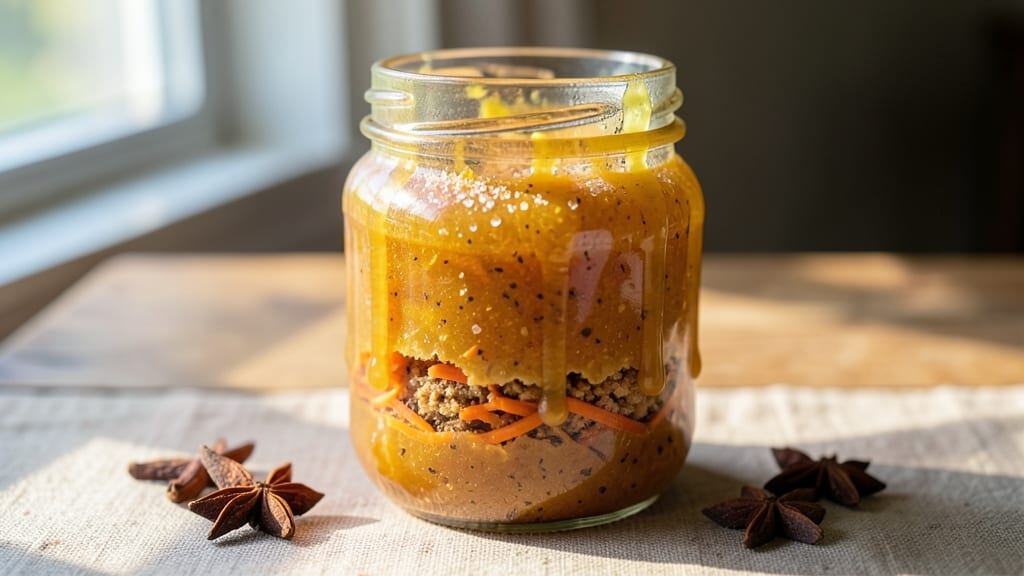
This carrot cake jam recipe for canning transforms classic flavors into a shelf-stable treasure that tastes like nostalgia in every spoonful. The secret lies in balancing sweetness, warm spices, and natural pectin from citrus—no artificial additives needed.
I developed this recipe after realizing how much I missed carrot cake during winter months when fresh ingredients were scarce.
The process is surprisingly straightforward: fresh grated carrots, cinnamon, nutmeg, and lemon juice create a vibrant base that simmers into a thick, fragrant jam. The spices infuse deeply during cooking, while the lemon juice acts as a natural preservative, ensuring your jars stay fresh for months.
This isn't just jam—it's a concentrated burst of carrot cake flavor that works as a glaze, spread, or even a pie filling.
What makes this recipe special is its versatility. Use it to elevate toast, drizzle over yogurt, or incorporate into baked goods for that signature carrot cake taste without the fuss of baking.
The texture is perfect—thick enough to hold its shape but still spreadable, with visible carrot bits that add visual appeal and texture contrast.
With proper canning techniques, this jam will last up to a year in your pantry, making it ideal for holiday gifting or stocking your shelves for winter baking. The method ensures safety while preserving all those warm, comforting flavors. Let's preserve that carrot cake magic in every jar!
Ingredients for carrot cake jam recipe for canning
Freshly grated carrots meet warm spices and citrus for a jam that captures carrot cake's essence.
| Ingredient | Amount | Notes |
|---|---|---|
| Fresh Carrots 🥕 | 2 cups | Grated, organic preferred |
| Granulated Sugar 🍚 | 3 cups | White or light brown |
| Lemon Juice 🍋 | ½ cup | Freshly squeezed, unsweetened |
| Ground Cinnamon 🌿 | 2 tbsp | Ceylon preferred for purity |
| Ground Nutmeg 🌿 | 1 tsp | Freshly grated preferred |
| Ground Ginger 🌶️ | 1 tsp | Freshly ground for warmth |
| Apple Cider Vinegar 🍎 | ¼ cup | Organic, unfiltered preferred |
| Low-Sugar Pectin 🍯 | 1 package | Ball or Sure-Jell recommended |
| Water 💧 | ½ cup | Filtered preferred |
| Salt 🧂 | ½ tsp | Kosher or sea salt |
The carrots are the heart of this jam, so organic, vibrant orange ones work best—their natural sweetness shines through. Grate them yourself for maximum flavor (store-bought pre-grated loses texture). For spices, Penzeys or bulk bins offer the freshest ground cinnamon and nutmeg. If you can't find Ceylon cinnamon, regular works fine, but the flavor profile is slightly different. The lemon juice should be freshly squeezed—bottled doesn't have the same bright acidity. For vinegar, Bragg or organic brands add depth without overpowering.
No fresh ginger? Ground ginger at half the amount works, but fresh is ideal for that warm kick. Running low on pectin? Extra lemon juice helps thicken naturally, though texture may vary slightly. Substituting brown sugar for white? Use the same amount—it adds subtle molasses notes. For a tangier jam, add an extra tablespoon of vinegar. If you're canning, Ball or Kerr jars are standard—just ensure they're sterilized properly. The sugar can be swapped for honey (reduce water by 2 tbsp), but it may alter the set.
This jam keeps beautifully—up to 1 year in a cool, dark pantry if sealed properly. For gifting, use mason jars with ribbon seals and include a handwritten note. Refrigerate after opening, and it'll last 3-4 months. The texture thickens as it cools, so don't worry if it looks runny while warm. For best results, process jars in a water bath for 10 minutes to ensure safety. Store unopened jars upright; once opened, keep them sealed and refrigerated.
Why You'll Love This Recipe
- I’ll be real: carrots are cheap, and sugar doesn’t break the bank. This recipe stretches a little goes a long way, and the leftovers? Perfect for topping pancakes or mixing into oatmeal when I’m too tired to think. Plus, once canned, it’s my backup when I forget to buy jam—and trust me, that happens more than I’d admit.
- No Peel, No Stress: I swear by this shortcut—just toss in whole carrots (yes, skins on) and let the slow cookdown soften them. No peeling, no chopping, and still that jammy sweetness you’d expect from hours of simmering. The lemon juice keeps it bright, so it doesn’t turn into carrot-flavored syrup.
- Spice Magic: That cinnamon and nutmeg combo? It’s the secret weapon. Honestly, the first batch I made without it tasted like carrot candy—good, but missing something. Now? It’s got warmth, depth, and just enough tang from the lemon to balance the sugar. Spread it on toast or stir into yogurt—it’s ridiculously good.
- Year-Round Gift Ready: Between us, this jam is my go-to for holiday gifts. It’s shelf-stable once canned, so I make a big batch in October and hand out jars to neighbors, coworkers, and my mom (who always “forgets” to buy jam). The spices make it feel festive, but it’s just as welcome on a lazy Sunday morning.
Step-by-Step instructions for carrot cake jam
Here's the method for transforming fresh carrots into a spiced jam that captures all the warmth of carrot cake.
Prepare the Carrot Base
Begin by grating the 2 cups fresh carrots using a box grater or food processor. I prefer using a fine grating disk to ensure even consistency. Transfer the grated carrots to a medium saucepan and cook over medium heat for 10 minutes, stirring occasionally, until they soften and release their natural juices.
This step is crucial for breaking down the carrots' fibers, which will help create a smoother jam texture. You'll notice the mixture darkens slightly as it cooks—this is normal and indicates the carrots are breaking down. Keep a close eye on the pan to prevent burning, which can make the jam bitter.
Combine Spices and Acid
Once the carrots have softened, remove the pan from heat and stir in the 2 tablespoons ground cinnamon, 1 teaspoon ground nutmeg, and 1 teaspoon ground ginger. These spices will infuse the jam with the familiar carrot cake flavor profile. Add the ½ cup lemon juice and ¼ cup apple cider vinegar next, mixing well to distribute the spices evenly.
Return the pan to medium heat and bring the mixture to a gentle simmer. Let it cook for 5 minutes, stirring frequently, until the spices are fully incorporated and the mixture smells rich and aromatic. The acid from the lemon juice and vinegar will help balance the sweetness and preserve the jam as it cooks.
Add Sugar and Pectin
Increase the heat to medium-high and gradually whisk in the 3 cups granulated sugar. Stir continuously for 2-3 minutes until the sugar is completely dissolved. This step is important—undissolved sugar can create a grainy texture in the finished jam.
Add the 1 package low-sugar pectin and ½ cup water, then return the mixture to a full boil. The pectin will activate during this stage, helping the jam set properly when canned. Boil vigorously for 5 minutes, stirring occasionally, until the mixture thickens and reaches a gel-like consistency. You'll know it's ready when it coats the back of a spoon and wrinkles slightly when touched.
Add Salt and Test for Readiness
Remove the pan from heat and stir in the ½ teaspoon salt. This final touch enhances the jam's depth of flavor and balances the sweetness. To test if the jam is ready for canning, place a small spoonful on a chilled plate. If it wrinkles when pushed with your finger, it's set and ready to jar.
If the jam isn't quite thick enough, return it to heat for another 1-2 minutes and retest. Once it reaches the proper consistency, carefully ladle the hot jam into sterilized jars, leaving ¼-inch headspace at the top. Seal the jars according to the manufacturer's instructions and process them in a water bath for 10 minutes to ensure long-term preservation.
Pro Tips For Making Carrot Cake Jam Recipe For Canning
- Grate Fine, Not Lazy: I learned this the hard way—chunky carrots turn into a jam that looks like carrot soup. Use the fine grating disk on your food processor or the smallest holes on a box grater. Even consistency = smooth jam. (Yes, even if you're impatient like me.)
- Stir the Sugar Like Your Life Depends on It: That 3 cups of sugar isn’t going to dissolve itself. Whisk it in gradually over medium-high heat for those full 2-3 minutes, or you’ll end up with gritty jam that tastes like you skipped a step. I’ve done it—don’t repeat my mistake.
- Simmer Spices, Don’t Burn Them: After the first 5 minutes of simmering those spices, the mixture should smell like a cozy bakery, not a campfire. If the cinnamon starts to darken too fast, lower the heat just a touch. Overcooked spices turn bitter, and no one wants jam that tastes like regret.
- Test the Wrinkle, Not the Guess: That chilled plate test isn’t optional—it’s the only way to know for sure. If the jam doesn’t wrinkle when you push it with your finger, it’s not ready. I’ve canned undercooked jam before, and it turned to syrup in the jar. Trust the wrinkle.
Flavor customization for this dish
Sweet Heat Twist
Add 1 tsp cayenne pepper to the spice blend in Step 2 for a subtle kick that mimics the heat in classic carrot cake recipes. I like Penzeys cayenne—it’s finely ground and blends smoothly.
The heat won’t overpower the jam but adds complexity, especially when spread on toast or yogurt. This version feels like a modern take on a childhood favorite. 🌶️
Coconut Cream Fusion
For a tropical twist, stir in ½ cup unsweetened coconut milk with the sugar in Step 3. The coconut adds richness and pairs beautifully with the spices. I use Thai Kitchen coconut milk because it’s creamy and doesn’t separate.
This version tastes like a carrot cake-inspired curry sauce—perfect for drizzling over pancakes or grilled chicken.
Spiced Apple Boost
Add 1 cup diced apples (like Granny Smith) along with the carrots in Step 1. The apples soften during cooking and add a tangy contrast to the sweetness. I like to use ½ tsp extra cinnamon for the apples to deepen the flavor.
This variation feels like a cross between jam and applesauce—great for topping waffles or ice cream. 🍏
Espresso Infusion
For a coffee lover’s twist, add 1 tbsp instant espresso powder with the spices in Step 2. The bitterness balances the sweetness and enhances the carrot’s natural sweetness.
I use Starbucks Via because it dissolves easily. This version pairs wonderfully with cheesecake or drizzled over vanilla ice cream—like a carrot cake dessert in a jar.
Pumpkin Spice Remix
Swap 1 tsp ground ginger for 1 tsp pumpkin pie spice in Step 2. The warm, earthy notes of pumpkin spice complement the cinnamon and nutmeg perfectly.
I like Penzeys pumpkin spice blend because it’s well-balanced. This version tastes like a fall-inspired carrot cake jam—ideal for holiday baking or gift-giving. 🍂
Nutrition facts
Frequently asked questions
Why does this jam need apple cider vinegar?
The ¼ cup apple cider vinegar serves two key purposes: it balances the sweetness and acts as a natural preservative, helping the jam stay fresh longer. The acidity also enhances the carrot cake flavors, making them more vibrant. This step is especially important for canning, as it extends shelf life while keeping the jam from spoiling.
Can I skip the pectin and rely on the carrots and sugar for thickening?
While carrots and sugar contribute to texture, low-sugar pectin is essential for achieving that perfect jam consistency. Without it, your jam may turn out too runny or fail to set properly in the jars. The pectin activates during boiling and ensures your jam holds its shape—critical for canning success!
What's the best way to test if my jam is ready for canning?
Place a small spoonful of jam on a chilled plate and gently push it with your finger. If it wrinkles slightly, it's set and ready to jar. This simple test ensures your jam has reached the ideal thickness for canning. If it spreads too easily, boil it for another 1-2 minutes and retest.
Can I use a different type of sugar in this recipe?
You can substitute light brown sugar for granulated sugar in a 1:1 ratio, but it may alter the texture slightly. Brown sugar adds subtle molasses notes that complement the spices. Just stir it in gradually and watch for graininess—undissolved sugar can ruin your jam's smoothness.