
Desserts
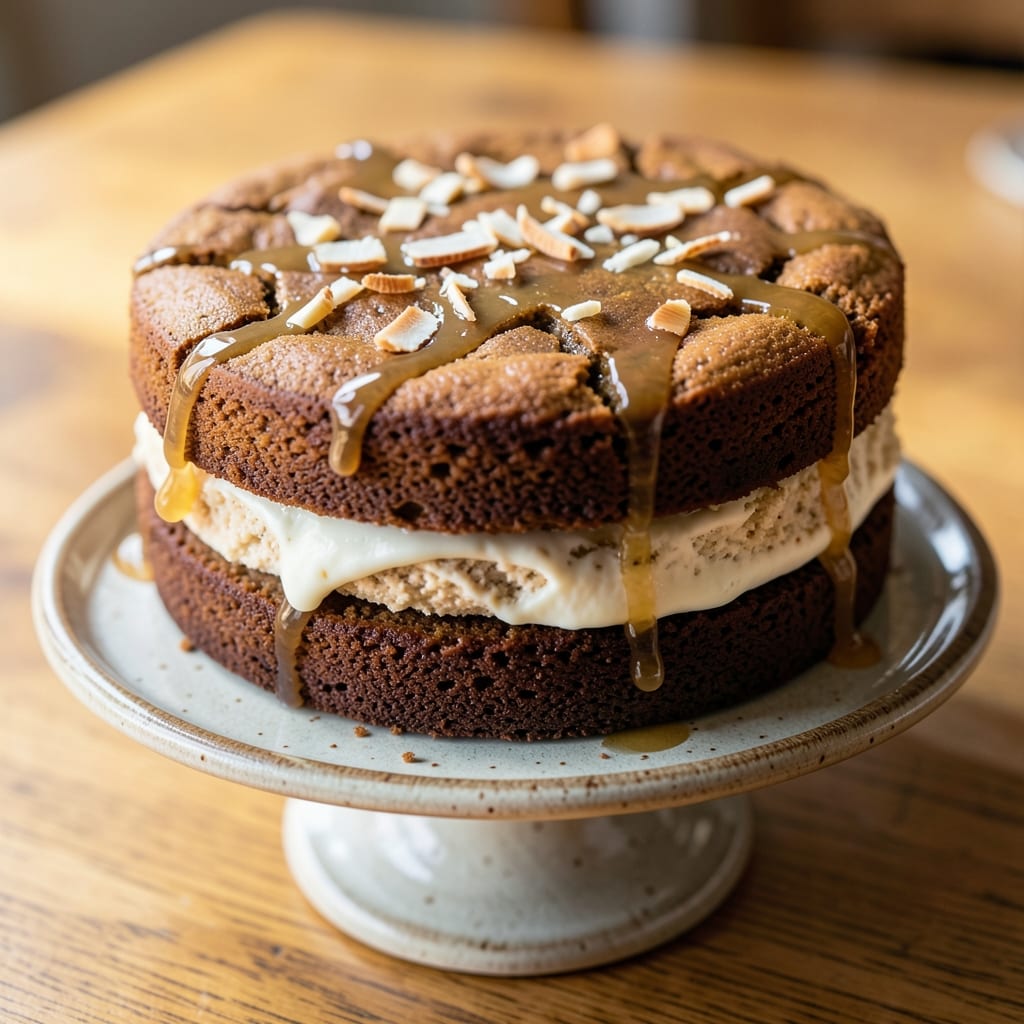
This gluten-free amaranth cake delivers a perfect balance of nutty crunch and moist vanilla layers—ideal for those seeking a plant-based dessert that doesn’t compromise on texture or flavor. 🌟 The secret lies in amaranth flour’s unique ability to create a tender yet hearty crumb, while a simple vanilla-almond glaze ties everything together beautifully. What sets this recipe apart is its versatility: it’s equally at home as a celebratory centerpiece or a comforting after-dinner treat.
The foundation of this cake is a foolproof gluten-free batter that requires no special equipment—just a mixing bowl and oven. Amaranth flour provides a subtle earthiness that pairs perfectly with vanilla extract and almond extract, while a touch of coconut oil keeps the layers tender. Unlike traditional cakes, this one stays moist for days, making it perfect for meal prep or gifting.
By the time it emerges from the oven, you’ll have a golden, fragrant cake with a delicate crumb and just the right amount of nutty depth from the amaranth. The vanilla-almond glaze adds a glossy finish that enhances the natural sweetness without overpowering it. Whether you’re baking for a special occasion or simply craving a healthier dessert option, this recipe delivers restaurant-quality results at home.
Optional toppings like toasted coconut flakes or fresh berries can elevate it further, but the cake shines just as beautifully on its own. With no refined sugar or dairy, it’s a guilt-free indulgence that still satisfies any sweet tooth. Let’s get baking!
Ingredients for amaranth cake
Amaranth flour and almond flour create this gluten-free cake’s signature nutty crunch with tender vanilla layers.
| Ingredient | Amount | Notes |
|---|---|---|
| Amaranth Flour 🌾 | 1 ½ cups | Ensure gluten-free certification |
| Almond Flour 🌰 | ¾ cup | Finely ground, unsweetened |
| Coconut Sugar 🥥 | 1 cup | Fine granulation preferred |
| Extra-Virgin Coconut Oil 🫒 | ½ cup | Melted, not solid |
| Unsweetened Almond Milk 🥛 | 1 cup | Vanilla-flavored preferred |
| Pure Vanilla Extract 🍋 | 2 tsp | Bourbon or Madagascar |
| Almond Extract 🌰 | ½ tsp | Pure, not imitation |
| Baking Powder 🧂 | 1 ½ tsp | Gluten-free certified |
| Salt 🧂 | ½ tsp | Fine sea salt |
| Ground Flaxseed 🌾 | 1 tbsp | For flax egg binder |
| Water 💧 | 3 tbsp | Room temperature |
| Powdered Sugar 🍚 | ½ cup | For glaze, optional |
| Lemon Juice 🍋 | 1 tsp | Freshly squeezed |
| Toasted Coconut Flakes 🥥 | ¼ cup | For garnish, optional |
Amaranth flour is the star here—Bob’s Red Mill or Anthony’s Goods are reliable sources for certified gluten-free varieties. The almond flour should be finely ground to avoid gritty texture; Trader Joe’s or Bob’s Red Mill brands work well. For coconut sugar, Wholesome! or Nature’s Path offer fine granulation that dissolves smoothly. The coconut oil must be extra-virgin and melted—solid oil creates dense layers. If you can’t find vanilla almond milk, unsweetened almond milk with 1 tsp vanilla extract works just as well.
No amaranth flour? Buckwheat flour or sorghum flour can replace it at a 1:1 ratio, though texture will differ slightly. Almond flour substitutions? Oat flour or cashew flour work, but almond’s natural sweetness is ideal. Coconut sugar unavailable? Maple syrup or agave nectar (reduce liquid in batter by 2 tbsp) are good swaps. The flax egg is non-negotiable for binding—no chia or applesauce here. For the glaze, powdered sugar can be replaced with confectioners’ sugar or even blended coconut sugar for a grainy finish. Lemon juice adds brightness, but orange zest works if you prefer citrus notes.
Store the cake in an airtight container at room temperature for up to 5 days, though it stays moist best when refrigerated for 7 days. The glaze hardens at room temperature, so reheat slices for 10 seconds to restore softness. For longer storage, freeze portions wrapped in plastic for 3 months. The coconut flakes and glaze components can be prepped a day ahead—just assemble before serving. Garnish with fresh berries or extra toasted coconut for a restaurant-worthy finish.
Why You'll Love This Recipe
- No Mixer Needed: I swear by this recipe when my mixer’s out of commission—just whisk the amaranth and almond flours with coconut oil until it’s the consistency of wet sand. No lumps, no fuss, and honestly? It comes out lighter than I expected.
- Nutty-Sweet Magic: That combo of toasted amaranth and almond flour gives it a depth you won’t find in regular flour cakes. The coconut sugar caramelizes just enough to make every bite taste like a hug—warm, slightly earthy, and addictively moist.
- Breakfast or Dessert: Honestly, I’ve served this cold with almond butter for a protein-packed breakfast, or warm with cinnamon for a dessert that doesn’t scream “healthy.” It’s the kind of cake that adapts to your mood without extra effort.
- Pantry Staples Only: Between us, this recipe uses ingredients I already have—no specialty trips or last-minute runs. The almond milk keeps it rich but not heavy, and the coconut oil adds that melt-in-your-mouth texture without needing butter. Leftovers? They last a week, sliced or crumbled over yogurt.
Step-by-step instructions for gluten-free amaranth cake
Master this nutty, moist gluten-free cake with perfect texture and layers.
👨🍳 Step 1: Prepare the Flax Egg and Mix Dry Ingredients
In a small bowl, whisk together the 1 tbsp ground flaxseed and 3 tbsp water. Let it sit for 5 minutes until it thickens into a gel-like consistency—this acts as our egg substitute. Meanwhile, in a separate large bowl, sift together the 1.5 cups amaranth flour, 0.75 cup almond flour, 1.5 tsp baking powder, and 0.5 tsp salt. Sifting prevents lumps and ensures even distribution of leavening agents.
I always sift the flours first because amaranth flour can be dense. This step creates air pockets that help lighten the final texture. Keep the dry ingredients ready—they'll go in next after the wet mixture is prepared.
🍳 Step 2: Combine Wet Ingredients for Smooth Batter
In a separate medium bowl, melt the 0.5 cup extra-virgin coconut oil over low heat or in the microwave for 30 seconds until just liquid. Let it cool slightly but remain warm. Then whisk in the 1 cup unsweetened almond milk, 1 cup coconut sugar, 2 tsp pure vanilla extract, 0.5 tsp almond extract, and 1 tsp lemon juice. The almond extract adds subtle depth, while the lemon juice brightens the coconut flavors.
This mixture should be smooth with no graininess. If using vanilla-flavored almond milk, you might reduce the pure vanilla extract to 1.5 tsp—taste as you go. The coconut oil should be warm but not hot to prevent cooking the eggs prematurely.
🥘 Step 3: Mix Batter and Bake for Even Rise
Pour the wet ingredients into the dry ingredients and gently fold using a spatula until just combined. Avoid overmixing—stop when there are a few flour streaks remaining. Then stir in the flax egg mixture until fully incorporated. The batter will be thick but pourable. Pour into a 9-inch round cake pan lined with parchment paper and smoothed over the edges.
Preheat your oven to 350°F. Bake for 35-40 minutes until a toothpick inserted in the center comes out clean and the top springs back when pressed gently. The cake should be golden brown with a slightly domed top. I like to tent the pan with foil after 20 minutes to prevent over-browning if your oven runs hot.
⏰ Step 4: Cool and Glaze for Moisture Lock
Remove the cake from the oven and let it cool in the pan for 10 minutes. Then transfer to a wire rack to cool completely. While it cools, prepare the glaze by whisking together the 0.5 cup powdered sugar and 2 tbsp unsweetened almond milk until smooth. Drizzle this over the cooled cake and let it set for 15 minutes before serving.
The glaze seals in moisture and adds a delicate sweetness. For extra texture, sprinkle the 0.25 cup toasted coconut flakes over the top while the glaze is still wet. This creates that nutty crunch promised in the title while keeping the layers gloriously moist.
Pro Tips For Making Amaranth Cake
- WHISK THE OIL FIRST: Mix the coconut oil and coconut sugar until it’s fully dissolved and smooth—no lumps, no streaks. Amaranth flour is finicky; if you add it to cold oil, you’ll end up with a dense brick instead of a light crumb. I used to skip this, and my cakes turned out like hockey pucks.
- SIFT THE AMARANTH FLOUR: Amaranth flour is heavy and clumpy—don’t just scoop it in. Sift it with the almond flour to break up those stubborn lumps and aerate the batter. Yes, it’s extra work, but it makes a noticeable difference in texture. (And if you don’t have a sifter, a fine-mesh strainer works in a pinch.)
- DON’T OVERMIX THE BATTER: Once you add the wet ingredients, stop stirring after 20 seconds. Amaranth flour develops gluten like wheat flour, and overmixing turns your cake into a chewy loaf instead of a tender crumb. Fold just until combined—no need to make it smooth.
- USE ROOM-TEMP ALMOND MILK: Cold almond milk curdles when it hits the warm coconut oil, and that’s when your cake gets gummy. Let the almond milk sit out for 10 minutes before mixing—it’s a small step that keeps the texture light. (I learned this after throwing out three failed batches.)
Make-ahead tips for this amaranth cake
Prep Ahead Strategy
Start by prepping the flax egg binder and dry ingredients the night before. Store them separately in airtight containers—this saves 15 minutes on baking day. The flax egg mixture keeps well in the fridge for 24 hours, while the dry ingredients stay fresh indefinitely in a cool, dark place. 🌟
Batter Prep Timeline
Mix the wet ingredients up to 2 days ahead and store in an airtight container in the fridge. The coconut oil may solidify slightly, so give it 5 minutes at room temperature to soften before using. The batter will thicken overnight—just whisk vigorously to restore smoothness before baking. This is my favorite time-saver for busy mornings.
Glaze and Garnish Shortcuts
Prepare the powdered sugar glaze and toast the coconut flakes a day ahead. Store the glaze in a small jar with a tight lid, and keep the coconut flakes in a sealed bag. Reheat the glaze for 10 seconds in the microwave to restore smoothness before drizzling. This ensures your cake looks freshly made with minimal last-minute effort. ✨
Freezing Fully Assembled Cake
For maximum convenience, bake the cake and apply the glaze, then wrap it tightly in plastic wrap followed by aluminum foil. Freeze for up to 3 months. Thaw overnight in the fridge before serving. The texture remains moist, though the glaze may need reheating for 5 seconds to restore shine. Perfect for gifting or meal prep!
Layering for Special Occasions
For a showstopper, bake two 9-inch layers and fill with a light vanilla coconut cream (whipped coconut cream + 1 tsp vanilla extract). Assemble and glaze just before serving. This adds 20 minutes of prep but makes the cake feel extra celebratory. Store the filling separately in the fridge until ready to use.
Portioning for Meal Prep
Slice the cake into 8 equal wedges and wrap each individually in plastic wrap. Store in a single-layer container in the fridge for 5 days or freeze for 3 months. Reheat individual portions for 10-15 seconds to soften the glaze. This makes it easy to grab a single serving without thawing the whole cake. 💡
Nutrition facts
Frequently asked questions
Can I substitute amaranth flour in this recipe?
Yes, but expect slight texture differences. For a 1:1 swap, try buckwheat or sorghum flour—both maintain gluten-free status. If you prefer a lighter texture, oat flour works but may reduce the nutty depth. Never substitute with regular wheat flour, as this cake relies on amaranth's unique binding properties.
Why does my amaranth cake taste bitter?
Bitterness usually comes from overbaking or using old amaranth flour. Remove the cake when the toothpick test shows clean results—don't wait for deep golden brown. For flavor, ensure your amaranth flour is fresh (store in a cool, dark place) and balance with 1 tsp extra vanilla extract or 0.25 tsp cinnamon in the batter.
How do I make this cake more moist?
Add 2 tbsp extra almond milk to the batter for extra moisture, or replace 0.25 cup almond flour with applesauce. For a richer texture, brush warm cake layers with 2 tbsp coconut milk before glazing. The key is balancing liquid—never overmix, which develops gluten and makes cakes dry.
Can I bake this in a different pan size?
Yes, but adjust baking time. For an 8-inch pan, bake 30-35 minutes (covers more surface area). For a 10-inch pan, use 40-45 minutes. Always check doneness with a toothpick. The cake should spring back when pressed gently—don't rely solely on time.
What's the best way to store leftovers?
Wrap tightly in plastic wrap, then place in an airtight container. Keeps at room temperature for 3 days or refrigerated for 7 days. For longer storage, freeze slices individually for up to 3 months. Reheat frozen slices for 10 seconds to restore the glaze's shine.