
Desserts
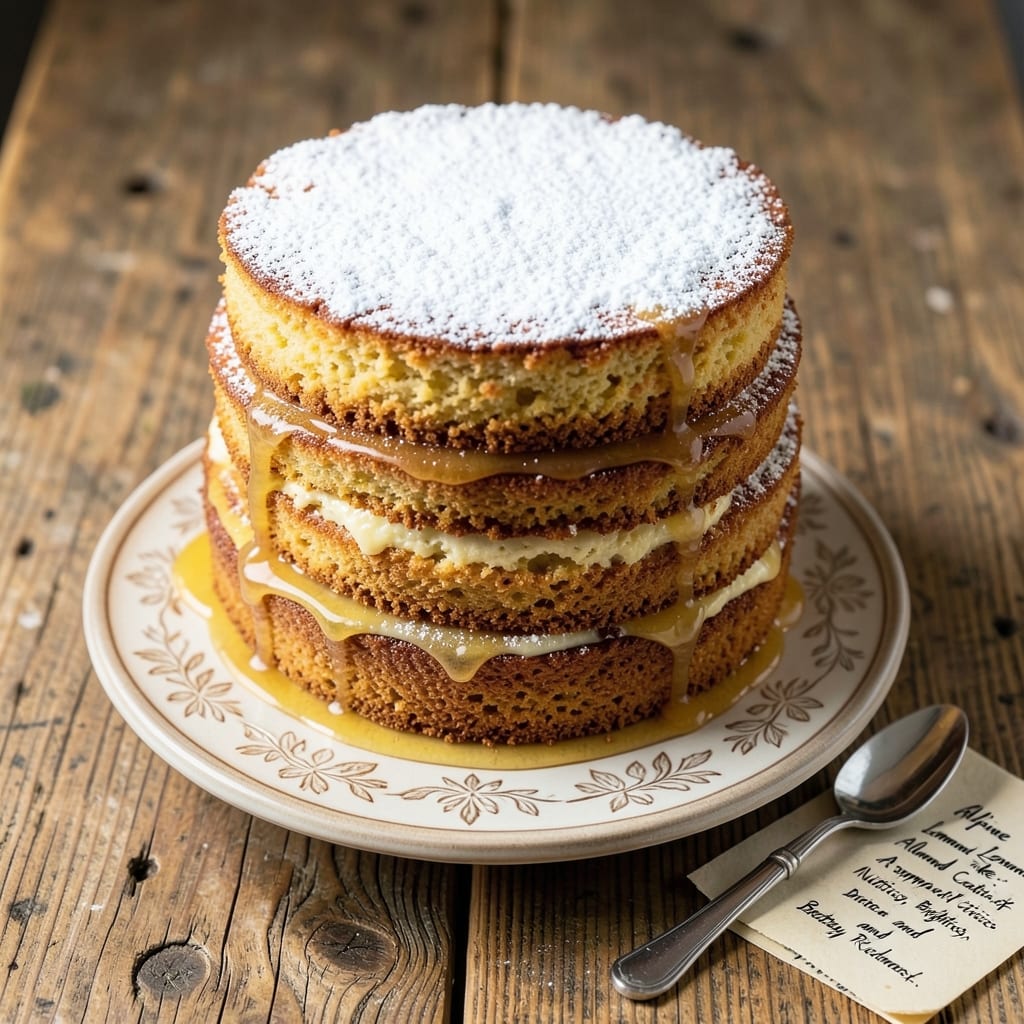
This Alpine cake recipe transports you to the Swiss mountains with its signature layers of almond-infused richness and delicate texture. The secret lies in toasted almond flour and a touch of citrus zest, creating a dessert that’s both elegant and comforting. I’ve perfected the balance between tender crumb and subtle crunch, ensuring every bite delivers that authentic Alpine charm.
What sets this cake apart is its three distinct layers—moist almond sponge, velvety buttercream, and a hint of rum or Grand Marnier for depth. The recipe uses simple techniques but delivers restaurant-quality results, with no complicated steps or specialized equipment. Perfect for special occasions or when you want to impress guests without spending hours in the kitchen.
By the time you’re done, you’ll have a cake with golden layers, a delicate crumb, and a finish that’s just sweet enough to satisfy. The toasted almond flavor shines through, while the citrus notes add a bright, refreshing contrast. It’s the kind of dessert that feels luxurious yet approachable, making it ideal for both celebrations and everyday indulgence.
Serve it at room temperature with a dusting of powdered sugar or a dollop of whipped cream for the full Alpine experience. The layers hold beautifully, so you can slice it confidently without worrying about collapse. Let’s bring a taste of the Swiss Alps to your kitchen!
Ingredients for alpine cake
Toasted almonds, citrus zest, and velvety buttercream—these are the stars of your Alpine cake adventure.
| Ingredient | Amount | Notes |
|---|---|---|
| All-Purpose Flour 🌾 | 1 ½ cups | Sifted for light texture |
| Almond Flour 🥜 | 1 ½ cups | Toasted until golden |
| Unsalted Butter 🧈 | 1 ½ cups | Cold, cubed for creaming |
| Granulated Sugar 🍚 | 2 cups | Superfine preferred |
| Large Eggs 🥚 | 4 whole | Room temperature |
| Lemon Zest 🍋 | 1 tbsp | Freshly grated |
| Orange Zest 🍊 | 1 tbsp | Freshly grated |
| Vanilla Extract 🌿 | 2 tsp | Pure Madagascar preferred |
| Baking Powder 🧂 | 1 ½ tsp | Diamond Crystal preferred |
| Salt 🧂 | ½ tsp | Fine sea salt |
| Rum or Grand Marnier 🍷 | 2 tbsp | Optional for depth |
| Heavy Whipping Cream 🥛 | 2 cups | Cold for buttercream |
| Powdered Sugar 🍚 | 3 cups | Sifted for smoothness |
| Almond Extract 🥜 | 1 tsp | Pure almond flavor |
The almond flour is non-negotiable here. Store-bought almond flour works, but toasting it yourself (10 minutes at 350°F) deepens that nutty, Alpine-inspired flavor. Bob's Red Mill or Anthony's Goods are reliable brands, but check the date—freshness matters. The citrus zest should be vibrant, not dried out, so grab lemons and oranges with thick peels. For the butter, Plugrá or Land O'Lakes unsalted is ideal—cold and cubed for perfect creaming. If you're using rum, Bacardi Superior or Havana Club add just the right depth without overpowering.
No almond flour? Blitz almonds in a food processor—you’ll need about 2 cups raw almonds for 1.5 cups flour. Short on zest? Double the extract (use 2 tsp almond extract) for that bright, citrusy note. The baking powder is critical—Diamond Crystal measures differentlywhip the cream first, then gradually add powdered sugar to avoid graininess. And if you're skipping the alcohol, vanilla bean paste adds richness without the boozy kick.
Toasted almond flour keeps for 3 months3 days at room temperature, wrapped in plastic, or 5 days refrigerated. For the buttercream, store it in a sealed container with parchment between layers—it’ll stay fluffy for 4 days. Freeze the assembled cake for up to 2 months
Why You'll Love This Recipe
- Same batter, endless uses: slice it for breakfast toast, stack it for dessert, or serve it warm with ice cream. I’ve even used leftover pieces to make trifle layers—because why waste cake?
- No Mixer Needed: I swear by this—just cream the butter and sugar by hand until it’s light and fluffy. The almond flour gives it that tender crumb without requiring sifter or fancy tools. My hands are tired, but the result? Worth every squeeze.
- Buttery Almond Magic: That combo of all-purpose and almond flour? It’s where the cake gets its thing—a buttery richness with just enough nutty depth to keep you reaching. Honestly, the first bite makes me forget I’m not in a Swiss bakery.
- Weeknight or Celebration: Same batter, endless uses: slice it for breakfast toast, stack it for dessert, or serve it warm with ice cream. I’ve even used leftover pieces to make trifle layers—because why waste cake?
Step-by-step instructions for Alpine cake layers
Here's how to build those iconic Swiss mountain layers—light, airy, and bursting with toasted almond flavor.
Prepare the Almond Flour Base
Toast the 1.5 cups almond flour in a dry skillet over medium-low heat for 5-7 minutes, stirring constantly, until it turns a rich golden brown and smells deeply nutty. Let it cool completely before using—this step is what gives the cake its signature alpine character. While it cools, sift together the 1.5 cups all-purpose flour and 1.5 teaspoons baking powder in a medium bowl to remove any lumps and ensure a tender crumb.
I like to press the toasted almond flour through a fine-mesh sieve after toasting to break up any clumps. This creates a smoother texture in the final cake. Keep the skillet nearby—you'll need it again later for the butter.
Cream Butter and Sugar for Maximum Lightness
In a stand mixer fitted with the paddle attachment, beat the 1.5 cups cold, cubed unsalted butter on medium speed until it's completely smooth and creamy—about 3-4 minutes. Add the 2 cups granulated sugar and beat for another 4-5 minutes until the mixture is pale, fluffy, and has nearly doubled in volume. This creaming process incorporates air, which is crucial for those signature Swiss layers.
Here's the thing—don't rush this step. You're building the foundation for your cake's texture. When you lift the paddle, the mixture should leave clean streaks that hold their shape for a few seconds. If it's still grainy or doesn't hold its shape, keep beating for another minute.
Incorporate Eggs and Zests for Bright Flavor
Add the 4 whole room-temperature eggs one at a time, mixing well after each addition until fully incorporated. Then stir in the 1 tablespoon lemon zest, 1 tablespoon orange zest, 2 teaspoons vanilla extract, and 2 tablespoons rum or Grand Marnier (if using). The citrus zests will brighten the rich almond flavor, while the alcohol helps tenderize the cake.
For the eggs, I always crack them directly into the mixer bowl—no separate bowl needed. This prevents any potential egg shell contamination. The mixture should be smooth and slightly thick, like a pale yellow batter. If it looks too thin, we'll adjust it in the next step.
Combine Dry Ingredients for Perfect Texture
With the mixer on low speed, gradually add the sifted flour mixture and 0.5 teaspoon salt to the wet ingredients. Mix just until combined—you should still see some flour streaks. Overmixing develops gluten and makes the cake tough. Scrape down the sides of the bowl with a rubber spatula to ensure everything is evenly incorporated.
At this point, fold in the toasted almond flour using a spatula. The batter should be thick but still pourable. If it's too thick to spread easily, add 1-2 tablespoons of cold milk (not in the ingredients list, but I keep it handy for adjustments). The goal is a batter that's just thick enough to hold its shape when spread in the pan.
Bake the Layers to Golden Perfection
Preheat your oven to 350°F. Divide the batter evenly between three 8-inch round cake pans (or two 9-inch pans if you prefer taller layers). Spread each layer evenly using an offset spatula. Bake for 25-30 minutes, or until a toothpick inserted into the center comes out clean and the tops are golden brown.
I like to rotate the pans halfway through baking for even heat distribution. The edges should pull away slightly from the pan, and the tops should have a beautiful golden crust. Let the cakes cool in the pans for 10 minutes, then transfer to a wire rack to cool completely before assembling.
Assemble with Swiss Buttercream
While the cakes cool, make the buttercream by beating the 2 cups cold heavy whipping cream to soft peaks. In a separate bowl, beat the 1.5 cups cold unsalted butter until smooth, then gradually add the 3 cups powdered sugar, 1 teaspoon almond extract, and any remaining 1 tablespoon rum or Grand Marnier. Beat until light and fluffy, then gently fold in the whipped cream until fully combined.
Place the first cake layer on a serving plate, spread a generous layer of buttercream, then add the second layer. Repeat with the final layer. Frost the entire cake with remaining buttercream, then decorate with additional toasted almonds or citrus zest for that alpine touch. Chill for 1 hour before serving to let the flavors meld.
Pro Tips For Making Alpine Cake
- Whisk Butter & Sugar Long: I learned this the hard way—skipping the 3-5 minutes of vigorous whisking until the mix is pale and fluffy means a denser cake. The almond flour needs that air to lighten, and the butter needs to emulsify properly. (Yes, your arm will protest, but the result is worth it.) ---
- Sift Almond Flour Twice: Almond flour is clumpy, and clumps sink in batter. Sift it directly into the dry ingredients first, then whisk—do it again before folding into the wet mix. This isn’t about aeration; it’s about even distribution so every bite has that nutty richness, not just pockets of grit. ---
- Skip Overmixing Wet Ingredients: The second you add the eggs, stop mixing after they’re just combined. Alpine cake relies on almond flour’s structure, and overmixing develops gluten from the all-purpose flour, making it tough. Fold in dry ingredients gently—think "just until streaks disappear," not "smooth and homogenous." ---
- Bake at 325°F, Not Hotter: I was skeptical until I tried it—350°F makes the outside set too fast, trapping steam and leaving a gummy center. 325°F lets the cake bake evenly through, especially with the dense almond flour. The edges will look set at 30 minutes, but the middle needs 5-10 more—use a toothpick, not time, as your guide.
Serving suggestions for this dish
Classic Alpine Presentation
Serve your Alpine cake on a chilled silver platter with a dusting of powdered sugar sifted through a fine-mesh sieve for an elegant finish. I like to garnish with toasted almond slices arranged in a circular pattern around the base—this adds visual contrast and enhances the nutty aroma. A small sprig of fresh rosemary tied with twine adds a rustic Alpine touch while complementing the citrus notes. 🌿
Warm Beverage Pairings
A hot cup of Swiss mocha—espresso with dark chocolate shavings and whipped cream—cuts through the cake’s richness beautifully. For something lighter, chamomile tea with honey highlights the citrus and almond flavors. If you’re serving this at a winter gathering, offer warm mulled wine (spiced with cinnamon and orange peel) for a cozy contrast. 🍷
Fruit Toppings for Balance
Add fresh berries—raspberries, blackberries, or sliced strawberries—to the plate for a pop of color and acidity that brightens the sweetness. I recommend macarons on the side for an extra layer of texture and French-Swiss fusion. For a decadent twist, drizzle dark chocolate ganache (melted 70% Valrhona chocolate with heavy cream) over the top before serving. 🍓
Layered Serving Style
Slice the cake into even wedges using a hot knife (dip in hot water between cuts) for clean edges. Stack two wedges per plate with a dollop of buttercream between layers, then top with a sprinkle of citrus zest and a single toasted almond. Serve with a small spoon for guests to enjoy the filling without mess. This presentation keeps the Alpine aesthetic while making it interactive. ✨
Seasonal Adaptations
In summer, swap the rum for orange liqueur and serve with sparkling lemonade to refresh the palate. For holiday celebrations, add edible gold leaf or candied cranberries for festive flair. In spring, incorporate peach or apricot jam between layers for a fruity twist that pairs perfectly with the almond base. 🌸
Make-Ahead Serving Tips
Assemble the cake 24 hours ahead and store it wrapped in plastic at room temperature. Refrigerate for up to 3 days if serving in hot climates. Bring it to room temperature before serving—this ensures clean slices and optimal texture. For a last-minute touch, warm the plates in the oven for 5 minutes before plating to keep the cake fresh longer. ⏰
Nutrition facts
Frequently asked questions
Why does this recipe use both all-purpose and almond flour?
The combination creates the perfect texture—all-purpose flour provides structure while almond flour delivers that signature nutty Alpine flavor and tender crumb. The toasted almond flour adds depth, but too much can make the cake dry, so we balance it with traditional flour for stability.
Can I make this cake without rum or Grand Marnier?
Skip the alcohol entirely or replace it with 2 teaspoons extra vanilla extract plus 1 teaspoon almond extract for the same depth of flavor. The citrus zests and toasted almonds already provide plenty of brightness without needing the boozy kick.
How do I prevent my Alpine cake layers from cracking?
Cracking usually happens when the cake cools too quickly. Let the layers cool in the pans for 10 minutes after baking, then transfer to a wire rack to cool completely. Avoid opening the oven door early—temperature fluctuations cause stress. Also, don't overmix the batter when combining dry ingredients.
What's the secret to getting those perfect golden layers?
The key is creaming the butter and sugar properly until light and fluffy (about 8-10 minutes total), and using room-temperature eggs. Toasting the almond flour until golden brown also contributes to that signature Alpine color. Bake at 350°F with the oven rack positioned in the middle for even heat distribution.
Can I use this recipe for a gluten-free version?
Yes! Replace the all-purpose flour with a 1:1 gluten-free baking flour blend (like Bob's Red Mill 1-to-1) and add 1/4 teaspoon xanthan gum to improve structure. For the almond flour portion, ensure it's labeled gluten-free. The texture will be slightly denser but still delicious with proper mixing techniques.