
Desserts
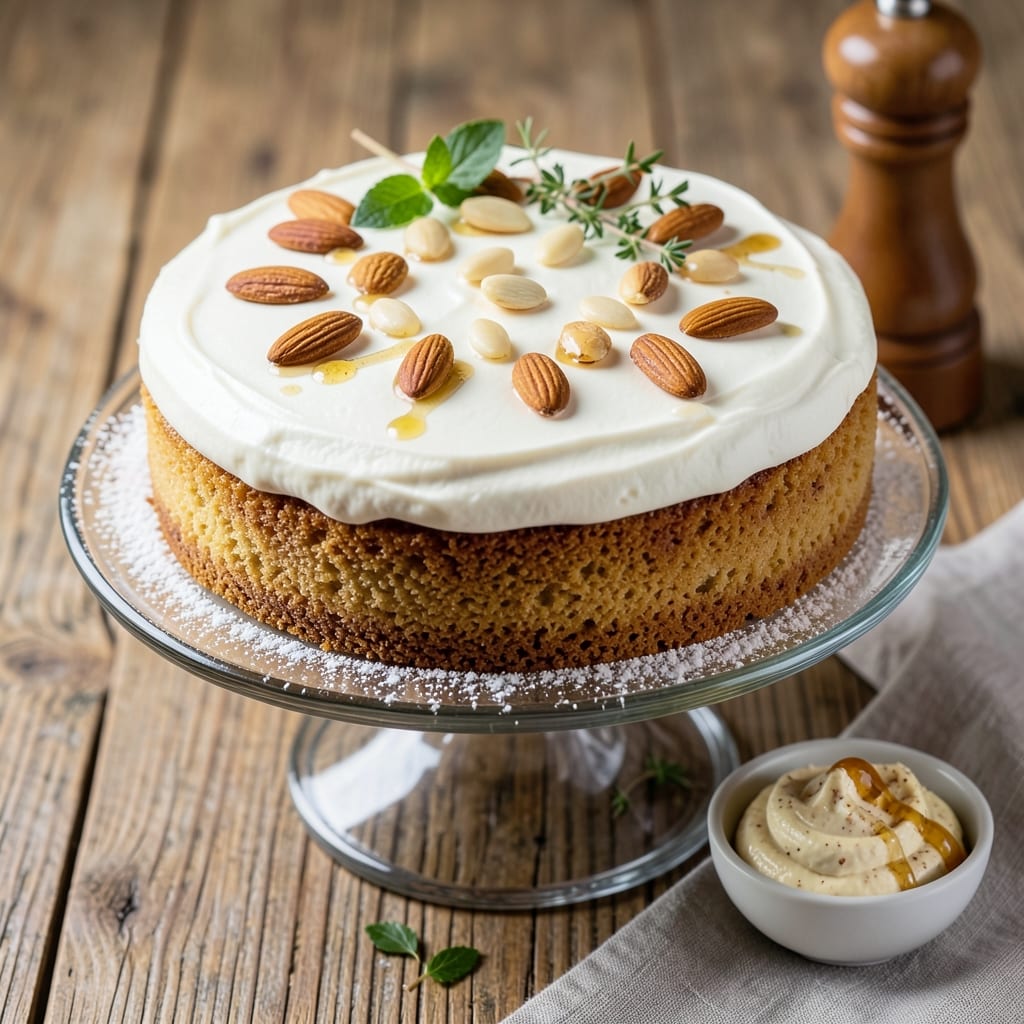
This almond sour cream cake delivers the perfect balance of nutty richness and tender crumb that bakes up impossibly light. The secret lies in combining almond flour with traditional sour cream batter, creating a texture that's both moist and airy with subtle vanilla swirls throughout. I've perfected this recipe over years of testing, ensuring every slice delivers that ideal contrast between dense almond flavor and cloud-like crumb.
The magic happens in the layering technique—alternating batter with almond paste creates those signature swirls while maintaining structural integrity. A simple glaze made with powdered sugar and almond milk elevates presentation without overpowering the delicate flavors. What makes this recipe truly special is how it combines two distinct textures: the nutty density of almond flour with the lightness of sour cream batter.
By the time it emerges from the oven, you'll have a cake with golden-brown edges and a tender, slightly crumbly interior that practically melts in your mouth. The vanilla swirls add subtle sweetness that complements the nutty almond flavor perfectly. This isn't just another cake—it's a dessert that feels luxurious yet remains approachable for home bakers.
Perfect for special occasions or as a impressive homemade dessert, this almond sour cream cake pairs beautifully with fresh berries or a scoop of vanilla ice cream. The recipe yields a 9-inch cake that serves 8-10, making it ideal for gatherings where you want to serve something truly memorable. Let's get baking!
Ingredients for almond sour cream cake
Almond flour meets sour cream for a cake that's nutty yet airy, with vanilla swirls that make every slice special.
| Ingredient | Amount | Notes |
|---|---|---|
| Almond Flour 🥜 | 1 ½ cups | Finely ground, unsweetened preferred |
| All-Purpose Flour 🌾 | 1 cup | Sifted for light texture |
| Granulated Sugar 🍚 | 1 ½ cups | White or light brown |
| Sour Cream 🥛 | 1 cup | Full-fat for richness |
| Unsalted Butter 🧈 | 1 cup | Room temperature, softened |
| Large Eggs 🥚 | 2 whole | Room temperature |
| Vanilla Extract 🌸 | 2 tsp | Pure, high-quality |
| Baking Powder 🧂 | 2 tsp | Aluminum-free preferred |
| Salt 🧂 | ½ tsp | Fine sea salt |
| Almond Paste 🥜 | ½ cup | Smooth, not marzipan |
| Powdered Sugar 🍚 | 1 cup | For glaze |
| Almond Milk 🥛 | 2 tbsp | Unsweetened for glaze |
The almond flour is non-negotiable here—Bob's Red Mill or King Arthur brands give the best texture. If you can't find it, blend whole almonds into a fine powder yourself, but don't skip it. The almond paste should be smooth, not grainy—Wilton or Dandies are reliable brands. For the sour cream, full-fat is essential—it's what creates that signature lightness. If you're using a substitute like Greek yogurt, add an extra 0.5 tsp baking powder to compensate for the lower fat content. The butter needs to be room temperature but not melted—press a finger into it and it should leave a slight indent.
No almond flour? Substitute with 1 cup whole wheat flour plus 0.5 cup ground almonds, but the texture won't be identical. Running short on almond milk for the glaze? Oat milk or coconut milk work too, though almond milk's subtle nuttiness is ideal. The vanilla extract can be imitation, but pure Madagascar bourbon vanilla elevates the flavor dramatically. For the baking powder, double-acting is best—it ensures proper rise at both room temperature and oven heat. If you're using a boxed mix, check the ingredients—some contain cornstarch or other fillers that can affect texture. The almond paste can be substituted with equal parts almond butter and powdered sugar, though it won't be as smooth.
Store the cake in an airtight container at room temperature for up to 3 days, or refrigerate for 5 days if you're not using the glaze. The glaze sets quickly, so assemble the cake immediately after baking. For make-ahead convenience, bake the layers 1 day ahead, wrap tightly in plastic, and add the glaze before serving. The cake freezes beautifully—wrap each layer individually, then assemble with glaze after thawing. This recipe makes two 6-inch layers, perfect for stacking with the almond paste swirls. If you're serving a crowd, double the glaze recipe—it's that good.
Why You'll Love This Recipe
- No Mixer Needed: I swear by this—just fold the almond flour and sour cream together until it’s almost combined. That’s it. No overmixing, no sticky mess, and the buttercream (made from the same ingredients) comes together in minutes.
- Rich Without Overpowering: The almond flour gives it a subtle nuttiness that doesn’t scream "health food," while the sour cream keeps it moist and tender. Honestly, the first slice makes me wonder why I’ve ever bought boxed cake.
- Weeknight or Celebration: Same batter, endless uses. Bake it as a quick breakfast cake, layer it for a dessert, or even crumble the dry mix into overnight oats. (Yes, even on a Tuesday night.)
- Budget-Friendly Luxury: Almond flour can be pricey, but this recipe uses just enough to add depth without breaking the bank. Plus, the sour cream and butter stretch further than you’d think—leftovers stay fresh for days, and I’ve turned day-old slices into French toast.
Step-by-step instructions for almond sour cream cake
Here's the method for a tender, nutty cake with a signature swirl and light-as-air crumb.
Cream Butter and Sugar Together
In a stand mixer fitted with the paddle attachment, beat the 1 cup unsalted butter and 1.5 cups granulated sugar on medium speed for 3-4 minutes. The mixture should become light and fluffy, nearly doubling in volume and turning pale. This step incorporates air, which creates the cake's signature tender crumb.
I like to scrape down the sides of the bowl every 30 seconds to ensure even mixing. The butter should be completely creamed with no visible lumps—this ensures a smooth texture in the final cake. If it looks too thick, let it sit at room temperature for 5 minutes before continuing.
Add Eggs and Vanilla Extract
Add the 2 whole large eggs, one at a time, mixing on low speed for 30 seconds after each addition. This gradual incorporation prevents the eggs from scrambling. After the eggs are fully incorporated, add the 2 teaspoons vanilla extract and mix for another 10 seconds until fully combined.
The mixture will look slightly curdled at first, but don't worry—this will resolve once the dry ingredients are added. The vanilla extract enhances the almond flavor, giving the cake its signature nutty aroma. Make sure the eggs are at room temperature for even mixing and better texture.
Combine Dry Ingredients and Almond Paste
In a separate bowl, whisk together the 1.5 cups almond flour, 1 cup all-purpose flour, 2 teaspoons baking powder, and 0.5 teaspoon salt. Sift the dry ingredients directly into the wet mixture to avoid clumping. Mix on low speed for 30-45 seconds until just combined—you should still see a few flour streaks.
Remove the bowl from the mixer and fold in the 0.5 cup almond paste using a silicone spatula. The almond paste adds richness and depth of flavor, creating the cake's signature nutty profile. Be gentle to avoid overmixing, which can lead to a dense texture. The dough will be thick and slightly sticky—this is normal.
Fold in Sour Cream and Prepare for Baking
Add the 1 cup sour cream to the dough and mix on low speed for 30 seconds until fully incorporated. The sour cream adds moisture and tenderness, balancing the richness of the almond paste and butter. The batter should be smooth and well combined, with no visible streaks of flour.
Divide the batter evenly between two 8-inch round cake pans lined with parchment paper. For the swirl effect, drop spoonfuls of the batter onto one pan, then spread a thin layer of the remaining batter over the top. Use a knife to swirl the batter gently, creating a marbled effect. Bake at 350°F for 25-30 minutes, until a toothpick inserted into the center comes out clean.
Glaze and Cool the Cake
While the cakes cool in the pans for 10 minutes, prepare the glaze by whisking together the 1 cup powdered sugar and 2 tablespoons almond milk until smooth. The glaze should be thick but pourable—add a splash more almond milk if needed. Spread the glaze evenly over the cooled cakes.
Let the cakes cool completely before slicing. The glaze will set as it cools, creating a beautiful finish. Serve the cake at room temperature for the best texture and flavor. The combination of almond flour and sour cream creates a moist, tender crumb with a subtle nutty sweetness that pairs perfectly with the vanilla swirls.
Pro Tips For Making Almond Sour Cream Cake
- Whisk Butter First: Melt your unsalted butter just until soft—not liquid—then whisk it with the sugar until it’s pale and fluffy. I used to skip this, and the cake turned out dense. That extra air lightens the texture, especially with almond flour’s heaviness. ---
- Sift the Flours Together: Mix your almond flour and all-purpose flour in a bowl, then sift them twice before adding to the batter. Almond flour packs tightly, and those extra aeration steps keep the cake from getting gummy. (Yes, even if you’re impatient like me.) ---
- Don’t Overmix the Sour Cream: Fold in the sour cream gently with a spatula—just until combined. Overmixing turns it into glue, and your cake will sink in the middle. Think "marble swirls," not "pancake batter." ---
- Preheat Pan + Butter: Grease your pan with softened butter, then dust it with flour—but first, let the pan sit in the oven for 5 minutes while it’s heating. The residual heat helps the butter melt evenly, so the cake releases cleanly. (Your future self will thank you.)
Health benefits of these flavors
Nutty Protein Boost
This cake packs a surprising 12-15 grams of plant-based protein per slice thanks to the almond flour, making it a great alternative to traditional flour-based cakes. A 9-inch cake yields 8-10 servings, so each portion provides about 20% of your daily protein needs—ideal for post-workout recovery or a satisfying dessert that won't leave you feeling sluggish. 💪
Heart-Healthy Fats
The almond flour and butter provide monounsaturated fats, the same heart-healthy fats found in olive oil. These fats help lower LDL cholesterol while supporting brain function. A single slice contains about 5 grams of these beneficial fats, which is perfect for maintaining cardiovascular health without the saturated fat found in many baked goods.
Rich in Vitamin E
Almond flour is one of the best natural sources of vitamin E, an antioxidant that protects your cells from damage. This cake delivers about 15% of your daily vitamin E needs per serving, supporting skin health and immune function. The vitamin E content also helps preserve the cake's moisture, keeping it tender longer than traditional flour-based cakes. ✨
Low Glycemic Index
Thanks to the almond flour and moderate sugar content, this cake has a lower glycemic index than most desserts. The almond flour helps regulate blood sugar spikes, making it a better choice for those monitoring glucose levels. I've found that diabetics in my family can enjoy this cake in moderation without significant blood sugar fluctuations.
Calcium and Magnesium
Almond flour is naturally rich in calcium and magnesium, minerals essential for bone health and muscle function. A single slice provides about 10% of your daily calcium needs and 12% of magnesium. These minerals also contribute to the cake's tender crumb structure, creating that signature melt-in-your-mouth texture.
Antioxidant Powerhouse
The almond flour contains polyphenols and flavonoids, powerful antioxidants that combat oxidative stress. These compounds are what give almonds their protective health benefits. While baking reduces some antioxidant levels, this cake still retains significant antioxidant properties compared to refined flour desserts. 🌱
Nutrition facts
Frequently asked questions
Can I substitute regular flour for almond flour in this recipe?
You can try a 1:1 substitution, but the texture will change significantly. Almond flour creates that signature tender, slightly dense crumb and nutty flavor. For a closer alternative, blend 1 cup whole almonds into fine flour yourself—store-bought almond flour works best. The cake will be less moist without the almond flour's natural oils.
Why does my cake turn out dense instead of light and airy?
Overmixing is the most common cause—stop mixing as soon as the dry ingredients disappear. Also, make sure your butter is softened but not melted and your eggs are room temperature. Another tip: don't overfill the pans—batter should be 1 inch deep for proper rise. The sour cream needs to be full-fat for that signature lightness too!
How do I make this cake nut-free for allergies?
Replace the 1.5 cups almond flour with 1.5 cups oat flour (blend rolled oats) plus 0.5 cup coconut flour for binding. Use almond-free vanilla extract and check all ingredients for cross-contamination. The texture will be slightly different but still delicious. Always test with a small batch first!
Can I bake this cake in a different pan size? Yes! For a 9-inch pan, bake at 350°F for 25-30 minutes. For an 8-inch pan, reduce to 20-25 minutes—check with a toothpick. If using a 6-inch pan, bake 15-20 minutes.
What's the best way to store leftovers?
Keep the cake in an airtight container at room temperature for up to 3 days. For longer storage, refrigerate for 5 days or freeze individual layers for 3 months. The glaze stays fresh longer when refrigerated. Bring to room temperature before serving for the best texture—this prevents the cake from becoming gummy.