
Desserts
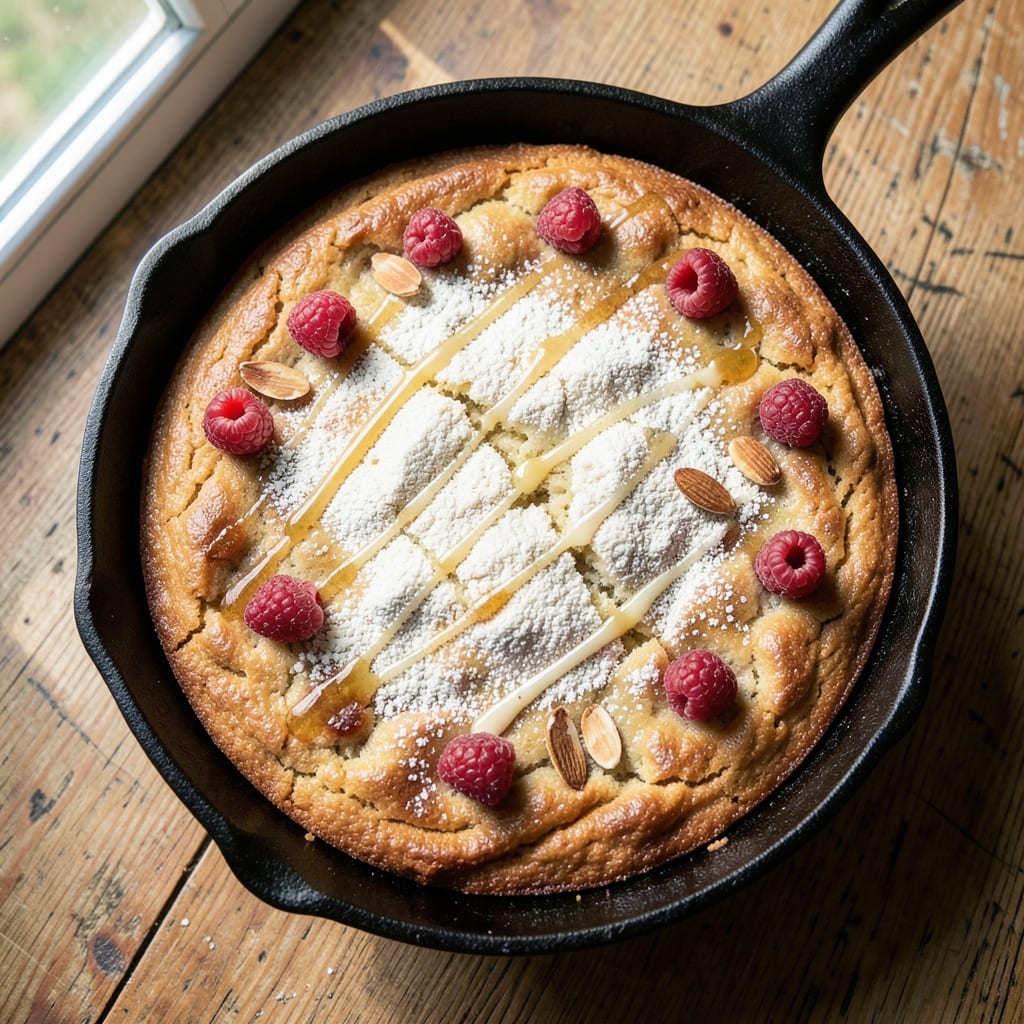
This almond skillet cake recipe delivers the perfect balance of toasted nut crunch and velvety vanilla swirls—all baked in a single skillet for golden edges and tender layers. The secret lies in almond flour's natural richness and the skillet's even heat distribution, ensuring every bite is both crisp and moist. I developed this recipe after years of experimenting with nut-based desserts, and it never fails to impress with its elegant simplicity and rich flavor profile.
The beauty of this cake is its versatility—it works as a vegetarian treat without dairy or eggs (though traditional versions use them) and can be customized with sliced almonds, caramel drizzle, or powdered sugar. The batter comes together in minutes, and the skillet technique guarantees a perfectly baked cake with a crisp exterior and a soft, fluffy interior. It's the kind of dessert that feels special enough for company but simple enough for a weeknight indulgence.
What makes this recipe stand out is the harmony of textures: the crunch of toasted almonds contrasts beautifully with the smooth vanilla swirls, while the skillet's edges create a caramelized crust that adds depth to every slice. Serve it warm with a dollop of whipped cream or a scoop of vanilla ice cream for the ultimate dessert experience. The aroma alone will have everyone asking for seconds.
Whether you're baking for a celebration or treating yourself to a homemade dessert, this almond skillet cake is a foolproof choice. The recipe scales easily, and leftovers reheat beautifully—though I doubt they'll last that long. Ready to create a dessert that tastes like a bakery masterpiece? Let's get started.
Ingredients for almond skillet cake
Almond flour and toasted nuts create a rich, crunchy base for this elegant skillet dessert.
| Ingredient | Amount | Notes |
|---|---|---|
| Almond Flour 🥜 | 1 ½ cups | Finely ground, unsweetened |
| All-Purpose Flour 🌾 | ½ cup | For structure and lift |
| Granulated Sugar 🍚 | ¾ cup | White or light brown |
| Coconut Oil 🫒 | ½ cup | Melted, full-fat preferred |
| Unsweetened Almond Milk 🥛 | ¾ cup | Plain, unsweetened |
| Vanilla Extract 🌿 | 1 tbsp | Pure, high-quality |
| Baking Powder 🧂 | 1 tsp | Aluminum-free preferred |
| Salt 🧂 | ¼ tsp | Fine sea salt |
| Sliced Almonds 🥜 | ½ cup | Toasted, for topping |
| Powdered Sugar 🍚 | ¼ cup | For dusting, optional |
| Vanilla Bean Paste 🌿 | ½ tbsp | For swirls, optional |
| Coconut Whipped Cream 🧈 | ½ cup | Store-bought or homemade |
Almond flour is the star here—Bob's Red Mill or Anthony's Goods are my go-tos for consistent texture. The unsweetened variety ensures no hidden sugars alter the delicate flavor balance. Sliced almonds should be toasted until golden—3-4 minutes in a dry skillet—to maximize crunch. For the coconut oil, full-fat versions like Goya or Nutiva work best, as they add richness without overpowering the almond flavor. If you're short on time, pre-toasted almonds from the baking aisle are a lifesaver, though freshly toasted delivers superior texture.
No almond flour? Cashew flour at 1:1 ratio works in a pinch, though the texture will be slightly denser. Swap coconut oil for melted vegan butter if you prefer, but the coconut adds a subtle tropical note that complements the vanilla. For the vanilla swirls, vanilla bean paste is ideal—it's thicker than extract, so it holds its shape better when swirled. If you only have extract, reduce the almond milk by 1 tbsp to compensate for added moisture. The powdered sugar topping is optional but adds a bakery-style finish; confectioners' sugar from Dominique Anais dissolves smoothly for a flawless dusting.
Store the cake in an airtight container at room temperature for up to 3 days—it actually improves overnight as flavors meld. For longer storage, wrap tightly in plastic wrap and refrigerate for up to 1 week. Reheat slices in a 200°F oven for 5-7 minutes to restore crispness. The coconut whipped topping should be added fresh; if prepping ahead, store it separately and whip just before serving. This cake freezes beautifully—slice before freezing for easy single servings, and thaw at room temperature for 30 minutes before reheating.
Why You'll Love This Recipe
- One-Bowl Wonder: I swear by this recipe when I’m too tired to measure three separate dry ingredients. Mixing almond flour, all-purpose flour, and sugar right in the skillet—no extra bowls, no extra mess—makes it my go-to for lazy Sunday mornings or when I’m hosting last-minute.
- Nutty-Sweet Magic: That first bite? The almond flour gives it a tender crumb with a subtle nuttiness, while the coconut oil keeps it moist without tasting greasy. Honestly, the almond milk adds just enough richness to make it feel like a treat, not a health food compromise.
- Breakfast or Dessert: Serve it warm with a drizzle of honey for a quick breakfast, or dust it with powdered sugar and a scoop of vanilla ice cream for an after-dinner surprise. Between us, I’ve even used leftover slices as a base for French toast—yes, really.
- Budget-Friendly Indulgence: Almond flour might seem pricey, but this recipe uses just enough to make it special without breaking the bank. Plus, the coconut oil and almond milk stretch further than you’d think, so you’re not sacrificing flavor for savings. My wallet and taste buds both win.
Step-by-step instructions for almond skillet cake
Here's the method for a perfectly moist cake with nutty crunch and elegant vanilla swirls.
Mix Dry and Wet Ingredients Separately
In a medium bowl, whisk together the 1.5 cups almond flour, 0.5 cup all-purpose flour, 1 tsp baking powder, and 0.25 tsp salt. Sift the mixture through a fine-mesh sieve to remove any lumps and create a light, airy texture. This step ensures even distribution of ingredients and prevents dense pockets in your cake.
In a separate large bowl, combine the 0.75 cup granulated sugar, 0.5 cup melted coconut oil, 0.75 cup unsweetened almond milk, 1 tbsp vanilla extract, and 0.5 tbsp vanilla bean paste. Whisk until fully incorporated and smooth. The melted coconut oil should be just warm enough to blend seamlessly—no hot liquid here, as it could cook the eggs if you were using them (though this recipe doesn't require them).
Combine Wet and Dry Ingredients
Gradually add the dry ingredients to the wet mixture, folding gently with a rubber spatula until just combined. Avoid overmixing—you should still see small streaks of flour. This careful combination prevents developing too much gluten, which keeps the cake tender rather than tough. The batter will be thick but pourable, similar to a well-hydrated cookie dough.
Fold in the 0.5 cup sliced almonds, reserving about 2 tablespoons for the topping. The almonds will add texture and that signature nutty crunch. If you prefer a more uniform distribution, pulse them briefly in a food processor before folding in, but I like the rustic look of whole slices.
Prepare the Skillet and Bake
Preheat your oven to 350°F. Lightly grease a 10-inch cast-iron skillet or oven-safe pan with a small amount of coconut oil, ensuring the bottom and sides are well-coated. This prevents sticking and promotes even browning. Pour the batter into the prepared skillet, spreading it evenly to create a uniform cake shape.
Bake for 25-30 minutes, until the edges are golden brown and a toothpick inserted in the center comes out clean. The cake should spring back slightly when pressed gently in the center—this indicates it's fully baked. If the top browns too quickly, tent the skillet loosely with aluminum foil to prevent over-browning while allowing steam to escape.
Add Topping and Finish Baking
Remove the cake from the oven and immediately sprinkle the reserved 2 tablespoons sliced almonds evenly over the top. Return the skillet to the oven for 3-5 minutes to toast the almonds lightly. This step adds that essential crunchy contrast to the soft cake beneath. Watch closely—they toast quickly and can burn easily.
Let the cake cool in the skillet for 10 minutes, then transfer it to a wire rack to cool completely. While it cools, dust the top with 0.25 cup powdered sugar through a fine-mesh sieve for a delicate, snowy finish. This optional step adds a touch of elegance and balances the rich flavors of the cake.
Serve with Coconut Whipped Cream
Once the cake is completely cool, slice it into 6 equal wedges. Serve each portion topped with 1 tablespoon coconut whipped cream for a light, airy contrast to the dense cake. The whipped cream adds a creamy texture that complements the nutty flavors and vanilla swirls without overpowering them.
The cake keeps well at room temperature for 2-3 days in an airtight container, though I find it's best enjoyed fresh. For a special touch, garnish with a few extra toasted almond slices or a drizzle of melted coconut oil before serving. The combination of textures and flavors makes this cake a standout dessert.
Pro Tips For Making Almond Skillet Cake
- Preheat Skillet Properly: Get that cast iron or nonstick skillet screaming hot—3-4 minutes on medium-high—before pouring in the batter. I learned this the hard way after my first batch stuck like glue; a hot skillet guarantees a golden crust instead of a sad, flat pancake. (Yes, even if you're impatient like me.) ---
- Whisk the Almond Milk: Shake the unsweetened almond milk first—those little clumps of protein settle at the bottom. Pouring straight from the carton means lumps in your batter, and nobody wants a gritty almond skillet cake. A quick 10-second shake makes all the difference. ---
- Skip the Overmixing: Stir the dry ingredients into the wet just until combined—lumps and all—then stop. Overmixing develops gluten, and this cake isn’t bread. I used to beat it like I was angry at the batter, and the result was tough and dense. Let the coconut oil do its job without turning it into a pancake. ---
- Test with a Toothpick Twice: Check for doneness at the edges first, then the center—this cake’s thick. A toothpick should come out with a few moist crumbs, not wet batter. I’ve pulled mine too soon (and too late), and the second check is where most people mess up. Patience here avoids a gummy middle.
Best sauces and condiments for these flavors
Vanilla Bean Drizzle
Elevate your almond skillet cake with a vanilla bean drizzle made from 2 tbsp heavy cream (or coconut cream for vegan) and 1 tbsp vanilla bean paste. Heat the cream until steaming, whisk in the paste, then strain through a fine-mesh sieve. Drizzle over warm slices just before serving—this adds a luxurious touch that enhances the cake's natural vanilla notes. 🌿
Salted Caramel Sauce
Balance the cake's richness with a salted caramel sauce that cuts through the almond's natural sweetness. Simmer ½ cup granulated sugar with 2 tbsp water until amber, then whisk in ¼ cup coconut cream and ½ tsp flaky sea salt. Let cool slightly before drizzling over slices. The salt intensifies the caramel's depth, creating a perfect contrast. ✨
Lemon Curd Swirl
Brighten the cake with a zesty lemon curd swirl—mix ½ cup lemon juice, ½ cup sugar, 2 egg yolks (or flax eggs for vegan), and ¼ cup coconut oil. Cook over low heat until thickened, then cool completely. Spread a thin layer on each slice before adding whipped cream for a tangy surprise. This works especially well if your cake leans slightly sweet. 🍋
Chocolate Ganache
For chocolate lovers, a dark chocolate ganache adds decadence. Melt ½ cup dark chocolate chips (70% cocoa) with ¼ cup coconut cream, then let cool until thickened. Drizzle over cake slices and top with crushed pistachios for texture. The bitterness of dark chocolate complements the almond's nuttiness beautifully. 🍫
Spiced Honey Glaze
Infuse warmth with a spiced honey glaze—simmer ¼ cup honey with ½ tsp cinnamon and ¼ tsp cardamom until smooth. Brush lightly over warm cake slices or drizzle on top. The spices enhance the almond's natural sweetness while adding a cozy, aromatic note. Perfect for fall or winter desserts. 🌶️
Coconut Whipped Cream Variations
Upgrade your coconut whipped cream with flavors like toasted coconut flakes (mix 1 tbsp into whipped cream) or espresso powder (½ tsp for a mocha twist). For a tropical touch, fold in ½ tsp lime zest**. These variations keep the light texture while adding exciting new dimensions to your dessert. 🥥
Nutrition facts
Frequently asked questions
Can I make this almond cake without almond flour?
Yes, but the texture will change. Substitute with 1:1 cashew flour for a similar nutty flavor, though the cake may be slightly denser. For a lighter version, use ½ cup almond flour + ½ cup all-purpose flour, but expect less pronounced almond flavor. Toasted pecans or hazelnuts can also add crunch if you're avoiding almonds completely.
Why is my almond skillet cake dense instead of tender?
Overmixing the batter or using too much flour are common culprits. Always fold dry ingredients gently until just combined—lumps are better than tough gluten development. Also ensure your almond flour is finely ground (not coarse) and that you're using the correct ratio. For extra tenderness, let the batter rest for 10 minutes before baking.
What's the best way to store leftovers?
Keep the cake in an airtight container at room temperature for up to 3 days—it actually improves overnight as flavors meld. For longer storage, refrigerate for up to 1 week or freeze slices individually for 2 months. Reheat in a 200°F oven for 5-7 minutes to restore crispness before serving.
Can I make this cake vegan?
Easily! Replace the coconut oil with vegan butter and use flax eggs (1 tbsp ground flax + 3 tbsp water per egg). For the whipped cream, use coconut whipped cream or a vegan alternative. The vanilla bean paste remains vegan-friendly, ensuring that rich flavor profile stays intact.
How do I prevent the cake from sticking to the skillet?
Grease the skillet thoroughly with coconut oil and ensure it's completely preheated before pouring the batter. For extra insurance, dust the bottom with 1 tbsp almond flour before adding the batter. Cast iron retains heat well, so avoid opening the oven door during the first 20 minutes of baking to prevent temperature drops that can cause sticking.