
Desserts
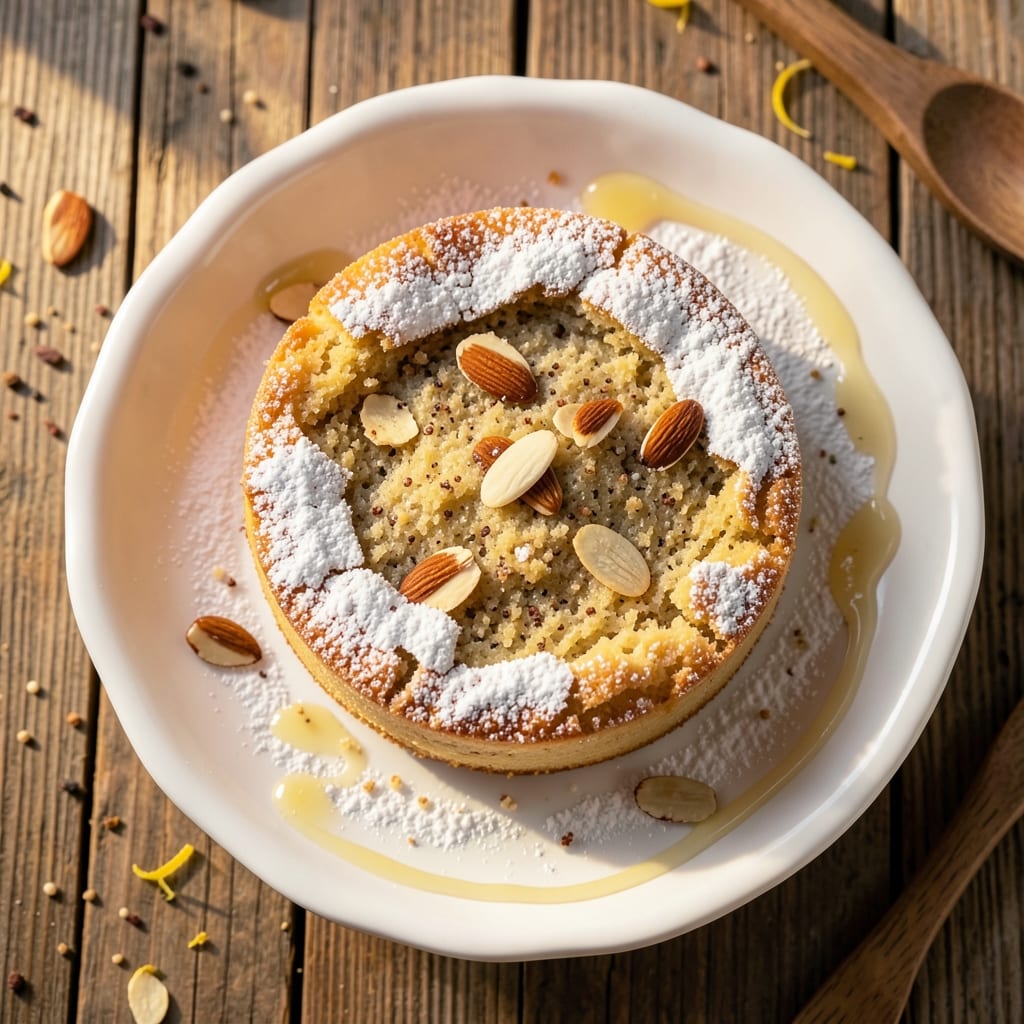
This almond semolina cake recipe delivers the perfect balance of nutty crunch and silky moisture—ideal for special occasions or satisfying cravings. The combination of almond flour and semolina creates a tender yet sturdy crumb, while butter and eggs ensure that signature moist texture you crave. I developed this recipe after years of testing, and it consistently impresses with its elegant presentation and satisfying bite.
The secret to this cake lies in the batter preparation: semolina absorbs moisture differently than flour, so we incorporate it carefully to avoid dryness. The almond flour adds richness and a delicate crunch, while the butter creates a velvety mouthfeel. Baking at the right temperature ensures even cooking, with a golden crust that hints at the moist interior waiting inside.
What sets this cake apart is its versatility—serve it plain dusted with powdered sugar for a classic finish, or top with fresh berries and a drizzle of honey for a brighter twist. It's vegetarian-friendly and pairs beautifully with tea or coffee, making it perfect for afternoon gatherings or weekend brunches.
With just 10 ingredients and 45 minutes of active time, this cake is surprisingly simple yet feels luxurious. The result is a dessert that's both impressive and comforting, with every slice offering that perfect harmony of texture and flavor. Let's get baking!
Ingredients for almond semolina cake
Ten ingredients, two flours, one luxurious cake—this nutty crunch meets silky moisture perfectly.
| Ingredient | Amount | Notes |
|---|---|---|
| Almond Flour 🌰 | 1 ½ cups | Finely ground for smooth texture |
| Semolina Flour 🌾 | 1 cup | Fine-grind for even crumb |
| Unsalted Butter 🧈 | 1 cup | Softened to room temperature |
| Large Eggs 🥚 | 4 whole | Room temperature for even mixing |
| Granulated Sugar 🍚 | 1 ¼ cups | Superfine preferred for smoothness |
| Powdered Sugar 🍚 | ½ cup | For dusting and final finish |
| Vanilla Extract 🌿 | 1 tbsp | Pure Madagascar bourbon preferred |
| Baking Powder 🧂 | 1 tsp | Aluminum-free for best results |
| Salt 🧂 | ¼ tsp | Fine sea salt preferred |
| Almond Extract 🌰 | ½ tsp | Pure almond flavor essential |
| Heavy Cream 🥛 | ½ cup | Cold for whipped topping |
Almond flour is the star here—Bob's Red Mill or Anthony's Goods brands are my go-to for that fine, consistent grind. Semolina? Barilla is the gold standard, but any fine-grind semolina works. The butter must be unsalted (trust me on this), and Plugrá is my favorite for its rich flavor. Eggs should be large and at room temperature—cold eggs create pockets in the batter. Pro tip: measure your almond flour by weight if you can (120g for 1.5 cups) for perfect consistency, but volume works too.
No almond extract? Vanilla bean paste at double the amount works in a pinch, though it won't have that signature nutty depth. Swapping heavy cream for Greek yogurt at half the quantity keeps it moist but adds tang. For a gluten-free twist, use a 1:1 gluten-free flour blend instead of semolina—just add an extra 0.25 tsp xanthan gum. The vanilla extract? McCormick's pure Madagascar bourbon is my absolute favorite, but any good-quality extract will do. And if you're feeling fancy, add a pinch of cardamom to the batter for an exotic twist.
This cake keeps beautifully—3 days at room temperature wrapped in parchment, or 1 week in the fridge. For longer storage, slice and freeze portions between parchment for up to 3 months. The powdered sugar topping? Add it right after baking while the cake is still warm for that perfect dusting. And here's my secret: Brush the warm cake with a simple syrup (equal parts sugar and water, heated until dissolved) before dusting—it locks in moisture and makes every slice irresistibly tender.
Why You'll Love This Recipe
- No-Fuss Mixing: I swear by this recipe because it’s three bowls max—just whisk the dry ingredients (that nutty almond flour + semolina combo) in one, cream the butter and sugar in another, and fold in eggs like you’re making pancakes. No food processor, no sifting, just stir and bake. Honestly, the hardest part is waiting for the oven to preheat.
- Nutty-Sweet Magic: That almond flour gives it this subtle, sophisticated crunch while semolina keeps it tender—like a cross between a shortbread cookie and a light sponge. The butter stays rich but never greasy, and the sugar caramelizes just enough to make every slice taste like a little reward. (Yes, even on a Tuesday night.)
- Crowd-Pleaser Any Day: I’ve brought this to brunch, book club, and even my mom’s holiday table—no one bats an eye at the ingredients, but they all ask for seconds. The texture holds up for slicing, and it’s way easier than fussy layer cakes. Between us, it’s my go-to for when I need something impressive without the stress.
- Budget-Friendly Luxury: Almond flour can be pricey, but this recipe uses it sparingly—just enough to elevate the flavor without breaking the bank. The semolina stretches it further, and the butter-to-sugar ratio means you’re not wasting anything. Plus, leftovers? They last forever in an airtight container, so I’m basically baking my future self a treat.
Step-by-step instructions for almond semolina cake
Here's how to create a perfectly moist almond semolina cake with a tender crumb and nutty depth.
Combine Dry Ingredients for Even Distribution
In a medium bowl, whisk together the 1.5 cups almond flour and 1 cup semolina flour until fully combined. This step ensures an even distribution of both flours throughout the batter, which creates that signature tender yet slightly chewy texture. Sift the mixture lightly to break up any clumps and aerate the flours—this prevents dense pockets in your final cake.
Next, add the 1 tsp baking powder and 0.25 tsp salt to the flour mixture. Whisk again until everything is homogenous. The baking powder will help create lift, while the salt balances the sweetness. I like to press down gently with a rubber spatula to ensure no flour pockets remain—this guarantees a perfectly even crumb structure throughout.
Cream Butter and Sugars to Lighten the Mixture
In a separate large mixing bowl, combine the 1 cup softened unsalted butter with the 1.25 cups granulated sugar. Using an electric mixer on medium speed, beat the mixture for 3-4 minutes until it becomes light and fluffy. You'll notice the mixture nearly doubles in volume and turns pale—this incorporates air, which creates that beautiful rise and tender texture in the cake.
Here's the thing—don't rush this step. The butter needs to fully emulsify with the sugar, creating a smooth, homogenous base. If you skip this, your cake will be dense. Add the 1 tbsp vanilla extract and 0.5 tsp almond extract to the butter-sugar mixture and mix for another 30 seconds to fully incorporate those aromatic flavors.
Add Eggs Gradually for Maximum Moisture
Add the 4 whole large eggs, one at a time, mixing well after each addition. I like to let each egg incorporate fully before adding the next—this prevents the mixture from becoming too thick too quickly. The eggs provide structure and moisture, so we want them fully emulsified into the butter mixture.
After all eggs are incorporated, gradually add the dry flour mixture in three additions, mixing on low speed just until combined after each addition. Be careful not to overmix—you're looking for a smooth batter with no visible flour streaks. The reason we alternate wet and dry ingredients is to maintain the cake's tenderness while ensuring proper structure.
Fold in Heavy Cream for Extra Moisture
Gently fold in the 0.5 cup cold heavy cream using a silicone spatula. The cold cream adds richness and prevents the cake from becoming too dense. Fold just until the cream is evenly distributed—overmixing at this stage can introduce air bubbles that might affect the cake's texture. The batter should be thick but pourable.
Here's where it gets fun—the texture should be smooth and slightly glossy. If it appears too thick, you can gently stir in 1 tablespoon of milk (though we're not using milk in this recipe, it's a good troubleshooting tip). The goal is a batter that's just thick enough to hold its shape when poured but still spreadable. This consistency ensures even baking and that perfect moist crumb.
Bake to Golden Perfection
Preheat your oven to 350°F and grease an 8-inch round cake pan or line it with parchment paper. Pour the batter into the prepared pan and smooth the top with a spatula. Bake for 40-45 minutes, or until a toothpick inserted into the center comes out clean and the top is golden brown.
I always check the cake at the 35-minute mark—your oven might run hot, so start checking early. The cake should spring back slightly when pressed gently in the center. If the edges brown too quickly, tent the cake with foil to prevent overbrowning while the center finishes baking. Let the cake cool in the pan for 10 minutes, then transfer to a wire rack to cool completely.
Pro Tips For Making Almond Semolina Cake
- Whisk Eggs Cold: Crack the eggs straight into the mixing bowl over an ice bath—yes, even if you’re impatient like me. Warm eggs incorporate air poorly, and this cake relies on lightness. I learned this the hard way when my first batch turned dense; now I swear by it. ---
- Sift Semolina Twice: Semolina is sneaky—it clumps like a stubborn guest at a party. Sift it once through a fine-mesh sieve, then sift the leftover lumps again. This recipe’s texture depends on it, and skipping it means a grittier, less tender crumb. ---
- Don’t Overmix the Batter: The moment the almond flour and butter start looking like wet sand, stop. Overmixing develops gluten in the semolina, and this cake should be tender, not chewy. Fold just until combined—your mixer’s timer is your friend here. ---
- Preheat Pan and Butter Well: Use a 9-inch springform pan, but don’t skip the butter. Melt 1 tablespoon of the recipe’s butter in the pan, then dust with a thin layer of semolina flour before pouring the batter. This guarantees a clean release and a golden crust—no sticking, no scrubbing.
Common mistakes when making great almond semolina cake
Overmixing the Batter
The biggest mistake I see is overmixing after adding the dry ingredients. When you fold in the almond flour and semolina, stop mixing as soon as the flour disappears—overmixing develops gluten, which makes the cake dense instead of tender. I recommend using a silicone spatula and mixing just until combined. The batter should look smooth with no visible streaks. 💡
Skipping Room-Temp Ingredients
Cold butter or eggs can create pockets in your cake and prevent proper emulsification. Always let your butter soften to room temperature (it should dent when pressed) and bring eggs to room temp at least 30 minutes before baking. I keep my eggs in warm water for 10 minutes before cracking them—this ensures perfect incorporation. ❄️
Incorrect Oven Temperature
Baking at too high a temperature causes the outside to brown before the center cooks through, while too low a temp results in a gummy cake. Stick to 350°F—any variation can ruin the texture. I always preheat my oven for at least 20 minutes before baking and use an oven thermometer to verify accuracy. Your oven's hot spots can also cause uneven baking, so rotate the pan halfway through. 🌡️
Using Wrong Flour Types
Substituting regular all-purpose flour for semolina will give you a completely different texture—semolina's coarse texture creates that signature chewy bite. If you must substitute, use a 1:1 gluten-free flour blend with 0.25 tsp xanthan gum for binding. For almond flour, avoid pre-ground varieties that aren't finely milled—they can make the cake gritty. 🌰
Not Testing for Doneness
Relying on time alone is risky—every oven behaves differently. Always insert a toothpick into the center: it should come out clean with a few moist crumbs. If it comes out wet, bake for another 5-10 minutes. I check at 35 minutes and adjust from there. Overbaking dries out the cake, while underbaking leaves it gummy. 🔥
Improper Cooling
Transferring the cake to a rack too soon causes it to sink in the middle. Let it cool in the pan for 10 minutes first, then transfer. This helps set the structure before the heat escapes completely. For even better results, invert the cake onto the rack immediately after removing from the pan—this prevents dome formation. 💫
Nutrition facts
Frequently asked questions
Why does this cake use both almond flour and semolina?
Almond flour adds that signature nutty richness and delicate crunch, while semolina creates a tender yet slightly chewy texture. The combination gives you the best of both worlds—moistness from the almond flour and structure from the semolina. Together, they create that perfect balance of texture that makes this cake so special.
Can I make this cake gluten-free?
Yes! Simply replace the semolina with a 1:1 gluten-free flour blend (like Bob's Red Mill 1-to-1) and add 0.25 tsp xanthan gum to help bind the ingredients. The almond flour remains the same, and the texture will still be tender. Just be sure to whisk the gluten-free flour blend thoroughly to avoid lumps.
How do I know when the cake is fully baked?
Insert a toothpick into the center—it should come out clean with just a few moist crumbs. If it comes out wet, bake for another 5-10 minutes. The edges should be golden brown, but the center should still feel slightly springy when pressed gently. Overbaking dries out the cake, so don't let it go past this point.
What's the best way to store leftovers?
Wrap the cake tightly in plastic wrap or place it in an airtight container. It stays fresh for 3 days at room temperature or up to 1 week in the fridge. For longer storage, slice and freeze portions between parchment paper for up to 3 months. The powdered sugar topping is best added fresh, but you can dust it on before storing if you prefer.
Can I add fruit or other flavors to this cake?
Fold in 0.5 cup chopped citrus zest (like lemon or orange) for brightness, or add 1 tsp cardamom for an exotic twist. For fruit, try folding in 1 cup finely chopped dried apricots or 0.5 cup raspberries (tossed in flour first). Just be gentle when mixing to avoid deflating the batter.