
Desserts
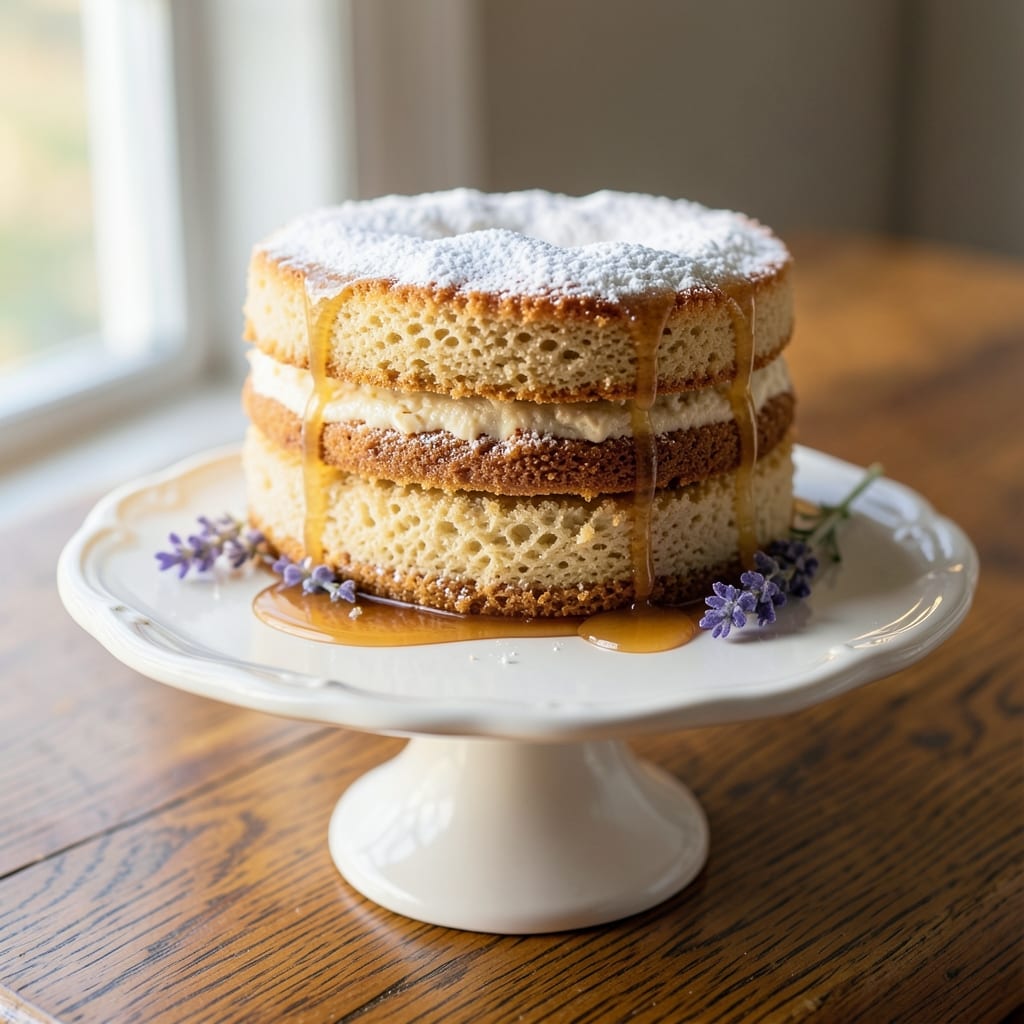
This almond flour tea cake delivers all the comforting charm of traditional tea cakes—moist crumb, delicate vanilla-almond fragrance, and tender crumb—without a single gram of gluten. The secret lies in almond flour's natural richness, which creates a cake that's naturally sweet yet light, perfect for afternoon tea or a quiet moment with a cup of Earl Grey. What makes this recipe work is the balance of wet and dry ingredients, ensuring a tender crumb that stays moist for days without drying out.
The beauty of almond flour baking is its simplicity: no complicated techniques, just a few key ingredients that come together effortlessly. You'll need just 5 ingredients (plus vanilla and almond extract for that signature aroma) and 30 minutes of active time, with most of that waiting for the cake to bake. The result is a cake that's naturally gluten-free, nutritious, and still indulgent—no one will guess it's made without traditional flour.
What you'll love most is how this tea cake holds its shape while maintaining a delicate crumb, perfect for slicing into neat portions. The vanilla-almond fragrance fills your kitchen as it bakes, creating an atmosphere that feels like a cozy afternoon in a Parisian café. Each slice is moist, lightly sweet, and just crumbly enough to melt in your mouth—ideal for pairing with tea, coffee, or even as a light dessert.
This recipe also works beautifully as a base for variations: add lemon zest for brightness, chocolate chips for richness, or a dusting of powdered sugar for extra elegance. The possibilities are endless, but the foundation remains the same—simple, reliable, and utterly delicious. Let's get baking.
Ingredients for almond flour tea cake
Five core ingredients plus two aromatic extracts create this gluten-free tea cake masterpiece.
| Ingredient | Amount | Notes |
|---|---|---|
| Almond Flour 🥜 | 2 ½ cups | Finely ground, unsweetened preferred |
| Unsalted Butter 🧈 | ½ cup | Cold, cubed for easier mixing |
| Granulated Sugar 🍚 | ¾ cup | Light brown sugar for subtle caramel notes |
| Large Eggs 🥚 | 2 whole | Room temperature for even mixing |
| Pure Vanilla Extract 🌿 | 1 tbsp | High-quality, Madagascar bourbon preferred |
| Almond Extract 🥜 | ½ tsp | Pure, not imitation |
| Baking Powder 🧂 | 1 tsp | Aluminum-free for gluten-free baking |
| Salt 🧂 | ¼ tsp | Fine sea salt preferred |
| Unsweetened Almond Milk 🥛 | ¼ cup | For moisture, not flavor |
| Powdered Sugar 🍚 | ½ cup | For dusting, optional but recommended |
The almond flour is where the magic happens—Bob's Red Mill or Anthony's Goods are my go-tos for consistency. You want it finely ground, not coarse, for that signature tender crumb. The butter? European-style if you can find it—higher fat content means richer flavor. For the vanilla and almond extracts, McCormick or Frontier Co-op are reliable brands, but honestly, whatever's in your cabinet works. Just make sure the extracts are pure, not imitation. Pro tip: Toast your almond flour in a dry pan for 3-4 minutes before mixing—this deepens the nutty aroma without cooking the flour.
No almond flour? Substitute with a 1:1 blend of oat flour and tapioca starch, but expect a denser texture. Running low on butter? Coconut oil works in a pinch, though it adds a slight coconut flavor. The baking powder must be fresh—if it's more than 6 months old, replace it. For the almond milk, any unsweetened variety works, but Silk or Califia Farms are widely available. The powdered sugar is purely decorative, but it adds that final café-style touch—skip it if you prefer a more rustic finish. And if you're feeling fancy, add a pinch of cardamom to the dry ingredients for an extra layer of sophistication.
This cake keeps beautifully—3-4 days at room temperature wrapped in parchment, or 1 week in the fridge. For longer storage, slice and freeze individual portions—3 months is no problem. The secret to reheating? A quick 10-second zap in the microwave with a damp paper towel. Or, for that freshly baked vibe, warm slices in a 200°F oven for 5-7 minutes. Pair with Earl Grey for the full experience, or serve with clotted cream if you're feeling indulgent.
Why You'll Love This Recipe
- No Mixer Needed: I swear by this recipe because it’s just three bowls and a whisk—no food processor, no sifter, nothing fancy. The almond flour blends smoothly with melted butter right in the mixing bowl, and the eggs come together faster than you can say "vanilla extract."
- Vanilla Butter Bliss: That rich, buttery crumb with a whisper of vanilla? It’s like biting into a cozy hug. The sugar caramelizes just enough to give it a subtle sweetness, but the real star is how the almond flour keeps it moist without being heavy—not like your average cake.
- Weekday or Weekend: Between us, this is my go-to for any occasion. Pack a batch for your kid’s school bake sale (they’ll think it’s store-bought), serve it at a brunch with coffee, or stash it in the fridge for a last-minute dessert. It reheats beautifully, too—just pop slices in the toaster for a crispy edge.
- Leftovers That Last: Honestly, I’ve had these cakes sit in my fridge for five days and still taste fresh. The almond flour stays firm, so they don’t dry out, and the butter keeps them rich without turning greasy. Plus, if you halve the recipe, you’ve got a perfect single-serve treat for when you’re craving something sweet but don’t want to bake a whole pan.
Step-by-step instructions for almond flour tea cake
Here's how to craft a delicate, fragrant tea cake that's light, moist, and bursting with vanilla-almond essence.
Cream Butter and Sugar Together
In a stand mixer fitted with the paddle attachment, combine the 0.5 cup unsalted butter (cold and cubed) with the 0.75 cup granulated sugar. Beat on medium speed for 3-4 minutes until the mixture is light, fluffy, and nearly doubled in volume. You're looking for a pale, ribbon-like consistency that leaves clean streaks when the paddle lifts.
This creaming process incorporates air, which creates a tender crumb. If your butter isn't cold enough, the mixture might look greasy—stop and chill the bowl for 10 minutes before continuing. The sugar should dissolve completely, leaving no grainy texture.
Add Eggs and Extracts for Fragrance
Add the 2 whole large eggs one at a time, mixing on low speed for 30 seconds after each addition. Then stir in the 1 tablespoon pure vanilla extract and 0.5 teaspoon almond extract. The mixture will look slightly curdled at first, but don't worry—it will come together as you add the dry ingredients.
The extracts are where the magic happens. The vanilla adds warmth, while the almond extract enhances that signature nutty aroma. Mix just until combined—overmixing develops gluten, which we're avoiding in this gluten-free recipe. The batter should be smooth and slightly thick, like a thick pancake batter.
Combine Dry Ingredients and Almond Milk
In a separate bowl, whisk together the 2.5 cups almond flour, 1 teaspoon baking powder, and 0.25 teaspoon salt. Gradually add this dry mixture to the wet ingredients, mixing on low speed until just combined. The batter will be thick and slightly crumbly—this is normal. Finally, pour in the 0.25 cup unsweetened almond milk and mix until smooth.
Here's the thing—almond flour absorbs moisture differently than regular flour. If the batter seems too dry, add 1 tablespoon more almond milk at a time until it reaches a thick, spreadable consistency. The goal is a batter that holds its shape when dropped from a spoon but isn't so stiff it cracks when baked.
Bake in a Preheated Oven
Preheat your oven to 350°F and line an 8-inch round cake pan with parchment paper. Grease the parchment lightly with butter or oil to prevent sticking. Pour the batter into the prepared pan and smooth the top with a spatula. Bake for 30-35 minutes, until a toothpick inserted into the center comes out clean and the edges are golden brown.
Don't overbake—almond flour cakes dry out quickly. If the top browns too fast, tent the pan with foil after 20 minutes. The cake should spring back slightly when pressed gently in the center, but not be jiggly. The aroma of vanilla and almond should fill your kitchen as it bakes.
Cool and Dust with Powdered Sugar
Remove the cake from the oven and let it cool in the pan for 10 minutes. Then transfer it to a wire rack to cool completely. Once fully cooled, dust the top generously with the 0.5 cup powdered sugar using a fine-mesh sieve. This adds a delicate sweetness and enhances the visual appeal.
Slice the cake into 8 equal wedges and serve with a cup of Earl Grey tea or freshly brewed coffee. The texture should be tender and slightly crumbly, with a moist center that's lightly sweetened by the almond and vanilla. Store leftovers in an airtight container at room temperature for up to 3 days, or refrigerate for up to 5 days.
Pro Tips For Making Almond Flour Tea Cake
- Mix Butter and Sugar First: DESCRIPTION: Almond flour is dense, so creaming the butter and sugar until light and fluffy (about 3-4 minutes) prevents a dry, crumbly cake. I learned this the hard way—skipping it leaves you with something closer to a dense almond cookie than a tender cake.
- Weigh Your Almond Flour: DESCRIPTION: Spooning almond flour from the bag packs it too tightly, giving you way more than you need. Use a kitchen scale for accuracy—this recipe relies on the right ratio, and eyeballing it leads to a cake that’s either too dense or falls apart.
- Bake Until Golden, Not Just Set: DESCRIPTION: Almond flour cakes can look done before they are—check for an internal temp of 205°F (96°C) and a golden crust, not just a set top. My first batch came out pale and gummy because I pulled it too soon; now I wait for that color and temp.
- Chill the Dough: DESCRIPTION: Let the batter rest in the fridge for 15-20 minutes before baking. It’s easy to rush, but this step keeps the cake from spreading too much in the oven and gives you a more even crumb—trust me, it’s worth the wait.
Health benefits of these flavors
Gluten-Free Advantage
This almond flour tea cake is naturally gluten-free, making it perfect for those with celiac disease or gluten sensitivity. Almond flour provides a low-carb alternative to traditional wheat flour while delivering a tender, moist crumb. With 2.5 cups of almond flour, this recipe avoids the dense texture common in gluten-free baking, creating a light yet satisfying treat. 🥜
Rich in Healthy Fats
The unsalted butter and almond flour combine to create a cake packed with heart-healthy monounsaturated fats, which support cholesterol balance and reduce inflammation. Almonds are also a great source of vitamin E, an antioxidant that protects cells from oxidative damage. Just one slice provides a satisfying dose of these beneficial fats without the guilt.
Low Glycemic Impact
Unlike traditional cakes made with refined white flour, this almond flour version has a low glycemic index due to the natural fiber and healthy fats in almonds. This makes it an excellent choice for those managing blood sugar levels or following a low-glycemic diet. The light brown sugar adds subtle caramel notes without spiking blood sugar as quickly as white sugar would.
Protein-Packed
Almond flour is a protein powerhouse, with 2.5 cups providing about 20 grams of protein—more than many traditional cakes. This makes it a great option for meal prep or post-workout snacks. The eggs in the recipe further boost protein content, helping keep you full and energized longer. Perfect for anyone looking for a dessert that doesn’t derail their nutrition goals. 💪
Naturally Sweetened
While this cake is lightly sweetened with 0.75 cup granulated sugar, the almond flour itself adds natural sweetness, reducing the need for excess sugar. The vanilla and almond extracts enhance the flavor without adding calories, making this a lower-sugar option compared to many store-bought tea cakes. You can even reduce the sugar by 1-2 tablespoons if you prefer a less sweet version.
Versatile Dietary Adaptations
This recipe is easily adaptable for vegan diets by substituting eggs with flax eggs (1 tbsp ground flaxseed + 3 tbsp water per egg) or aquafaba (3 tbsp for each egg). The unsweetened almond milk keeps it dairy-free, and the lack of gluten makes it safe for allergies. Whether you're baking for dietary restrictions or personal health goals, this cake delivers on flavor and nutrition. 🌱
Nutrition facts
Frequently asked questions
Can I make this tea cake without eggs?
Yes! For a vegan version, replace the 2 eggs with 2 flax eggs (2 tbsp ground flaxseed + 6 tbsp water) or 6 tbsp aquafaba (chickpea brine). Let the flax mixture sit for 5 minutes to thicken before using. The texture will be slightly denser but still moist and delicious.
Why does my almond flour cake turn out dry?
Almond flour absorbs moisture differently than wheat flour, so overbaking or insufficient almond milk can cause dryness. Always bake until a toothpick comes out clean (30-35 minutes at 350°F) and consider adding 1 extra tablespoon of almond milk if the batter seems too thick. For extra moisture, brush warm slices with simple syrup (equal parts sugar and water, heated).
How do I prevent cracks in my tea cake?
Cracks usually happen when the batter is too dry or the oven is too hot. Ensure your batter has a thick, spreadable consistency (like thick pancake batter) and avoid overmixing. Bake at 350°F and tent with foil if the top browns too quickly. Chilling the batter for 15 minutes before baking can also help prevent excessive spreading.
Can I use this recipe for a layer cake?
This recipe is designed for a single-layer 8-inch round cake, but you can adapt it for layers by dividing the batter evenly into 3x 6-inch pans. Bake each layer for 25-30 minutes and let them cool completely before assembling with cream cheese or whipped almond butter frosting. Use powdered sugar glaze instead of dusting for a cleaner look.