
Desserts
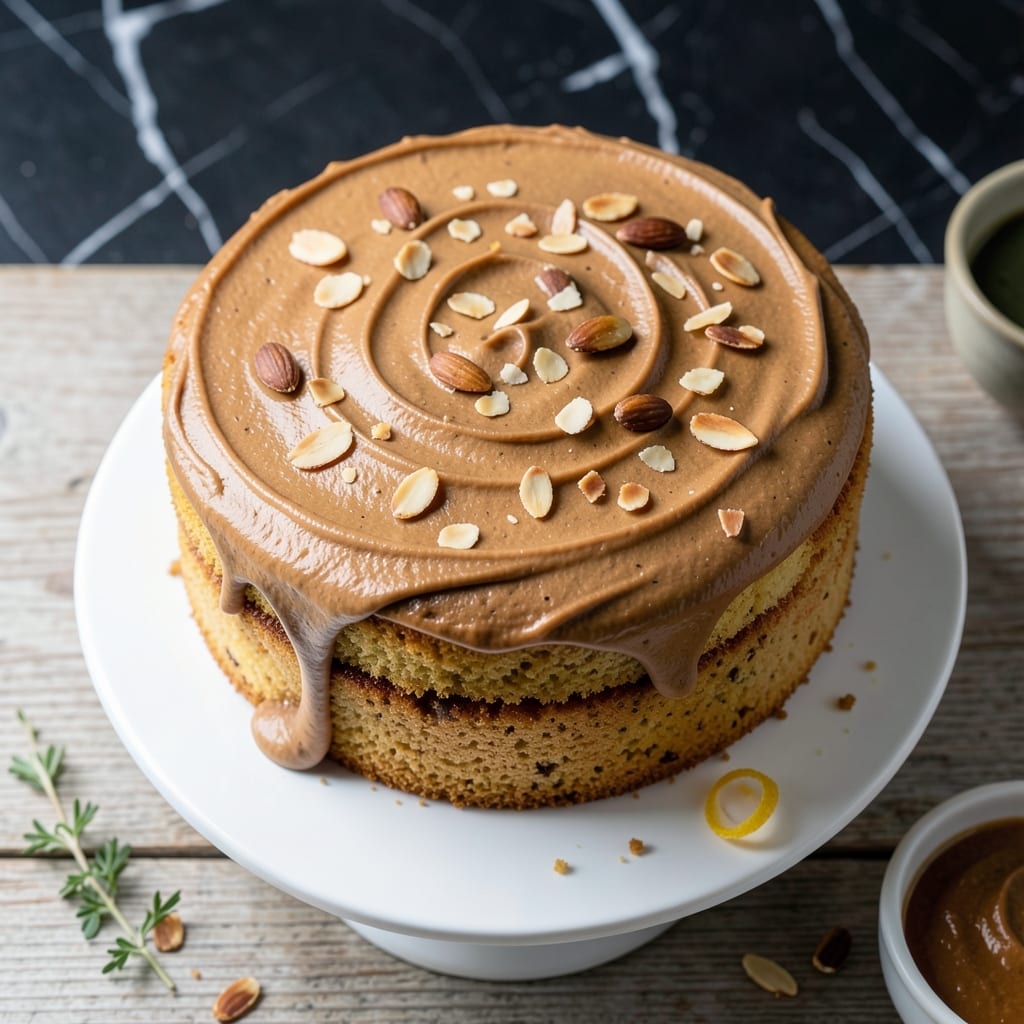
This almond buttercream cake recipe delivers the perfect marriage of tender cake layers and velvety almond frosting that melts with every bite. The secret lies in a precise balance of ingredients—rich almond extract, toasted almond flour, and a touch of vanilla—that transforms ordinary cake into something extraordinary. I’ve baked this recipe countless times, and it never fails to impress, whether for birthdays, holidays, or just because you deserve a slice of pure indulgence.
The cake itself is designed to be moist and tender, with a fine crumb that holds up beautifully under the weight of the frosting. The almond buttercream isn’t just sweet—it’s rich, nutty, and perfectly balanced, thanks to a foolproof method of whipping butter and powdered sugar to the right consistency. No graininess here, just a smooth, creamy finish that’s impossible to resist. The layers are stacked with precision, ensuring every forkful delivers that perfect ratio of cake to frosting.
What makes this recipe truly special is how it elevates a classic dessert into something memorable. The almond flavor shines through without overpowering, and the frosting’s velvety texture clings to the cake layers like a dream. Whether you’re a baking novice or a seasoned pro, this recipe is designed to deliver restaurant-quality results with minimal fuss. The only challenge will be saving a slice—or two—for later.
Ready in about 2 hours (including cooling time), this cake is perfect for special occasions or when you simply crave something decadent. The frosting can be made ahead, and the cake layers keep well, so you can assemble everything just before serving. Let’s get started on creating a dessert that’s as stunning as it is delicious.
Ingredients for almond buttercream cake
Rich cake layers and velvety almond frosting—these 13 ingredients create pure indulgence every time.
| Ingredient | Amount | Notes |
|---|---|---|
| All-Purpose Flour 🌾 | 2 ½ cups | Sifted for light texture |
| Almond Flour 🥜 | 1 ½ cups | Toasted for nutty depth |
| Granulated Sugar 🍚 | 2 cups | White or light brown |
| Unsalted Butter 🧈 | 1 ½ cups | Room temperature, full-fat |
| Large Eggs 🥚 | 4 whole | Room temperature for even bake |
| Almond Extract 🌿 | 1 tbsp | Pure, not imitation |
| Pure Vanilla Extract 🍯 | 1 ½ tbsp | Bottled for 6+ months |
| Baking Powder 🧂 | 2 tsp | Freshly opened |
| Salt 🧂 | ½ tsp | Fine sea salt |
| Powdered Sugar 🍚 | 4 cups | Sifted for smooth frosting |
| Heavy Whipping Cream 🥛 | 1 cup | Cold for stiff peaks |
| Almond Butter 🥜 | 1 cup | Creamy, unsweetened |
| Milk 🥛 | ½ cup | Whole milk preferred |
The almond flour is where the magic happens—Bob’s Red Mill or Anthony’s Goods are my go-tos for that perfect toasted flavor. Toast it yourself for 10 minutes at 350°F until golden, or buy pre-toasted if you're short on time. The almond extract? Goya or McCormick are reliable, but if you’ve got a bottle older than 6 months, toss it. Freshness matters here. For the cake layers, King Arthur flour is my secret weapon—it bakes up lighter than store brands. And don’t skip the room-temperature butter—it’s non-negotiable for that tender crumb.
No almond flour? Substitute with 1 cup extra all-purpose flour plus 1 tbsp cornstarch, but the texture won’t be quite the same. Running low on almond extract? Double the vanilla extract and add 1 tsp ground almonds to the batter for a hint of flavor. The frosting can handle swaps too—use coconut cream instead of heavy cream for a dairy-free version, though it’ll be slightly lighter. For the almond butter, creamy is key—chunky styles won’t whip as smoothly. And if you’re feeling fancy, add 1 tsp lemon zest to the frosting for a bright twist (trust me, it’s worth it).
The cake layers keep beautifully wrapped at room temp for 2 days or in the fridge for 4 days. The frosting? Whip it up to 2 days ahead and store in an airtight container—it actually tastes better after a night in the fridge. To assemble, let everything come to room temp first (this is critical!). For extra shine, brush the layers with a simple syrup made from equal parts sugar and water. And if you’re making this for a crowd? Double the frosting—you’ll want it.
Why You'll Love This Recipe
- No Mixer Needed: I swear by this trick—just cream the butter and sugar by hand until it’s light enough to fool you. The almond flour does most of the heavy lifting, so no overmixing or gluten headaches. (Yes, even my husband—who burns toast—can handle it.)
- Rich Without Overpowering: That almond flour? It’s the secret weapon—nutty but not heavy, like a hug from your favorite aunt’s kitchen. The buttercream stays velvety, not greasy, and the eggs bind it all together so the crumb stays tender. Honestly, it’s the kind of cake that makes you forget about store-bought boxes.
- Birthday or Breakfast: Slice it for a celebration, but don’t be afraid to serve it warm with a scoop of ice cream at 9 AM. The combo of almond flour and all-purpose keeps it sturdy enough for layers but light enough for a quick snack. (Pro tip: The leftovers disappear faster than my willpower around chocolate.)
- Budget-Friendly Luxury: Almond flour’s pricey reputation is a myth here—you’re using just a cup, and the rest is basic pantry stuff. A single batch feeds six, and the leftovers? Even better the next day. Between us, this is the cake I make when I want to feel fancy without clearing my bank account.
Step-by-step instructions for almond buttercream cake
Here's how to create a cake with layers so moist they'll make you swoon and frosting that melts in your mouth.
Prepare the Cake Batter for Perfect Moisture
Preheat your oven to 350°F and grease two 9-inch round cake pans, lining the bottoms with parchment paper. In a large mixing bowl, combine the 2.5 cups all-purpose flour, 1.5 cups almond flour, 2 tsp baking powder, and 0.5 tsp salt. Whisk until evenly distributed—this ensures your cake rises evenly and stays tender.
In a separate large bowl, cream together the 1.5 cups unsalted butter and 2 cups granulated sugar on medium speed until light and fluffy, about 3-4 minutes. This step is crucial—it incorporates air that creates that signature tender crumb. Add the 4 whole large eggs, one at a time, mixing well after each addition. Then stir in the 1 tbsp almond extract and 1.5 tbsp pure vanilla extract.
With the mixer on low speed, gradually add the dry ingredients to the wet mixture, alternating with the 0.5 cup milk. Start and end with the flour mixture—this prevents a dense cake. Mix just until combined, being careful not to overmix. The batter should be smooth and slightly thick. Divide the batter evenly between the prepared pans.
Bake to Golden Perfection
Bake the cakes for 25-30 minutes, or until a toothpick inserted into the center comes out clean. I like to check at the 25-minute mark—your oven might run hot, so watch for the edges to turn golden brown while the center still looks slightly underdone. Rotate the pans halfway through baking for even cooking.
Once done, remove the cakes from the oven and let them cool in the pans for 10 minutes. Then transfer them to a wire rack to cool completely. This gradual cooling prevents cracking and helps maintain that perfect moist texture. Here's the thing—don't rush this step. Patience now means a better cake later.
Make the Ultimate Almond Buttercream Frosting
In a stand mixer fitted with the paddle attachment, beat the 1 cup heavy whipping cream on high speed until it forms soft peaks. In a separate large bowl, sift together the 4 cups powdered sugar and mix in the 1 cup almond butter until smooth. Add the whipped cream to the powdered sugar mixture and beat on medium speed until fully combined.
Add the 1 tbsp almond extract and 1.5 tbsp pure vanilla extract to the frosting and mix until well incorporated. The frosting should be thick but spreadable—if it's too stiff, add a splash of milk, 1 teaspoon at a time, until you reach the perfect consistency. This buttercream is where the magic happens—it's rich, velvety, and packed with that nutty almond flavor.
Assemble and Frost the Cake
Once your cakes are completely cool, level the tops if needed to ensure even layers. Place the first cake layer on a cake stand or plate. Spread a thin layer of frosting on top to act as a "crust," preventing the filling from seeping through. Add about ½ cup of the remaining frosting to the center of the cake layer.
Place the second cake layer on top and gently press down to create a smooth surface. Frost the top and sides of the cake with the remaining buttercream, using a spatula to create smooth, even strokes. For a professional finish, I like to use a bench scraper to create clean edges. Chill the cake in the refrigerator for 30 minutes before serving—this helps the frosting set and makes slicing easier.
Serve with Confidence
Slice the cake with a warm, slightly damp knife for clean cuts. The layers should be moist and tender, with that perfect balance of sweetness from the almond buttercream. Serve immediately for the best texture—this cake is at its peak when fresh. Store any leftovers in an airtight container in the refrigerator for up to 3 days, though I doubt you'll have any leftovers!
Here's the secret to success: don't skip the almond extract—it enhances the almond flavor in the frosting, making it truly irresistible. And remember, the key to that moist cake is the almond flour and the careful mixing technique. You've got this—every step leads to a showstopping dessert that'll have everyone asking for seconds.
Pro Tips For Making Almond Buttercream Cake
- Whip Butter Cold: Take your unsalted butter straight from the fridge—no softening needed. I used to let it sit at room temp, and the buttercream always turned out greasy and unstable. Cold butter incorporates smoother, and the texture stays light for days. ---
- Sift Almond Flour First: Almond flour is clumpy, and those lumps sink to the bottom of your cake batter like rocks. Sift it with the all-purpose flour before mixing—it blends evenly and keeps the crumb tender. Yes, it’s extra work, but your cake will thank you. ---
- Don’t Overmix the Batter: The second you add the eggs, stop folding. Overmixing turns almond buttercream cake dense and tough, not light. Use a spatula and mix just until combined—like folding in buttercream, not kneading dough. ---
- Chill the Cake Layers: Let your cake layers cool completely before frosting, but don’t skip the 10-minute fridge rest after baking. Warm layers melt the buttercream, and you’ll end up with a soggy mess. Patience here saves cleanup later.
Pro cooking tips for perfect results
Creaming Butter Like a Pro
The secret to a tender cake starts with properly creaming your butter and sugar. Use a stand mixer with a paddle attachment and beat on medium speed for 3-4 minutes until the mixture is light and fluffy—you should see ribbons form when the paddle lifts. I like to use room-temperature butter (about 68°F) because it emulsifies better with sugar, creating more air pockets for a lighter texture. If your butter is too cold, it won’t incorporate properly, and your cake will turn out dense. 🌟
Almond Flour Toasting Trick
Toast your almond flour for 10 minutes at 350°F before mixing it into the batter to deepen its nutty flavor and prevent bitterness. Spread it on a baking sheet in an even layer and stir occasionally. This step is non-negotiable—it transforms the flour from bland to rich and aromatic. For extra convenience, buy pre-toasted almond flour from brands like Anthony’s Goods, but toasting at home gives you full control over the flavor intensity.
Frosting Consistency Secrets
Your almond buttercream should be thick but spreadable, like soft peanut butter. If it’s too stiff, add milk 1 teaspoon at a time until it reaches the right consistency. For a smoother finish, sift the powdered sugar before mixing it in—this prevents graininess. I also recommend whipping the heavy cream to soft peaks (not stiff) before folding it into the sugar mixture. This ensures the frosting stays creamy and not overly stiff, making it easier to pipe or spread. ✨
Layering Without Mess
Before assembling, level your cake layers with a serrated knife for even stacking. Spread a thin “crumb coat” of frosting on the first layer to seal in moisture and prevent filling from seeping through. Place the second layer on top, then frost the entire cake. Chill for 30 minutes before serving—this helps the frosting set and makes slicing cleaner. Pro tip: Use a bench scraper to create sharp edges for a bakery-style finish.
Extract Freshness Matters
Always use fresh almond extract—it loses potency over time. If your bottle is older than 6 months, replace it. The difference in flavor is night and day! I like to add a pinch of salt to the frosting (about ¼ teaspoon) to balance the sweetness and enhance the almond flavor. For an extra boost, fold in 1 teaspoon lemon zest into the frosting—it brightens the flavor and cuts through the richness beautifully. 💛
Knife Prep for Clean Slices
Warm your knife under hot water and wipe it dry before slicing the cake. This prevents the frosting from sticking and ensures clean, professional cuts. For extra shine, brush the cake layers with a simple syrup (equal parts sugar and water) before frosting. This adds moisture and helps the frosting adhere better. Serve immediately for the best texture—this cake is at its peak when fresh and warm. Trust me, the first bite is worth the effort! 🍰
Nutrition facts
Frequently asked questions
Can I make this cake without almond flour?
You can substitute with 1 cup extra all-purpose flour plus 1 tbsp cornstarch, but the texture won't be identical. For the best almond flavor, add 1 tsp ground almonds to the batter. The cake will still be delicious, though slightly less moist and nutty.
How do I prevent the cake layers from drying out?
Wrap cooled layers tightly in plastic wrap and store at room temperature for up to 2 days or refrigerate for 4 days. Brush layers with simple syrup (equal parts sugar and water) before frosting to add moisture. Chill the frosted cake for 30 minutes before slicing to help the frosting set properly.
What's the best way to make the frosting ahead?
Whip the frosting up to 2 days ahead and store it in an airtight container in the fridge. Bring it to room temperature before using—it actually tastes better after resting! For extra richness, add 1 tbsp milk when re-whipping to restore smoothness. The flavor develops beautifully overnight.
Can I use this recipe for a gluten-free version?
Yes! Replace the all-purpose flour with a 1:1 gluten-free baking flour blend (like Bob's Red Mill) and ensure your almond flour is certified gluten-free. Add 1 tsp xanthan gum to the dry ingredients to improve structure. The texture will be slightly denser but still delicious.
Why did my frosting turn grainy?
Graininess usually means the powdered sugar wasn't sifted or the buttercream was overmixed. Always sift the sugar and whip just until smooth. If it's too stiff, add milk 1 tsp at a time. For extra smoothness, chill the frosting for 10 minutes before using.