
Desserts
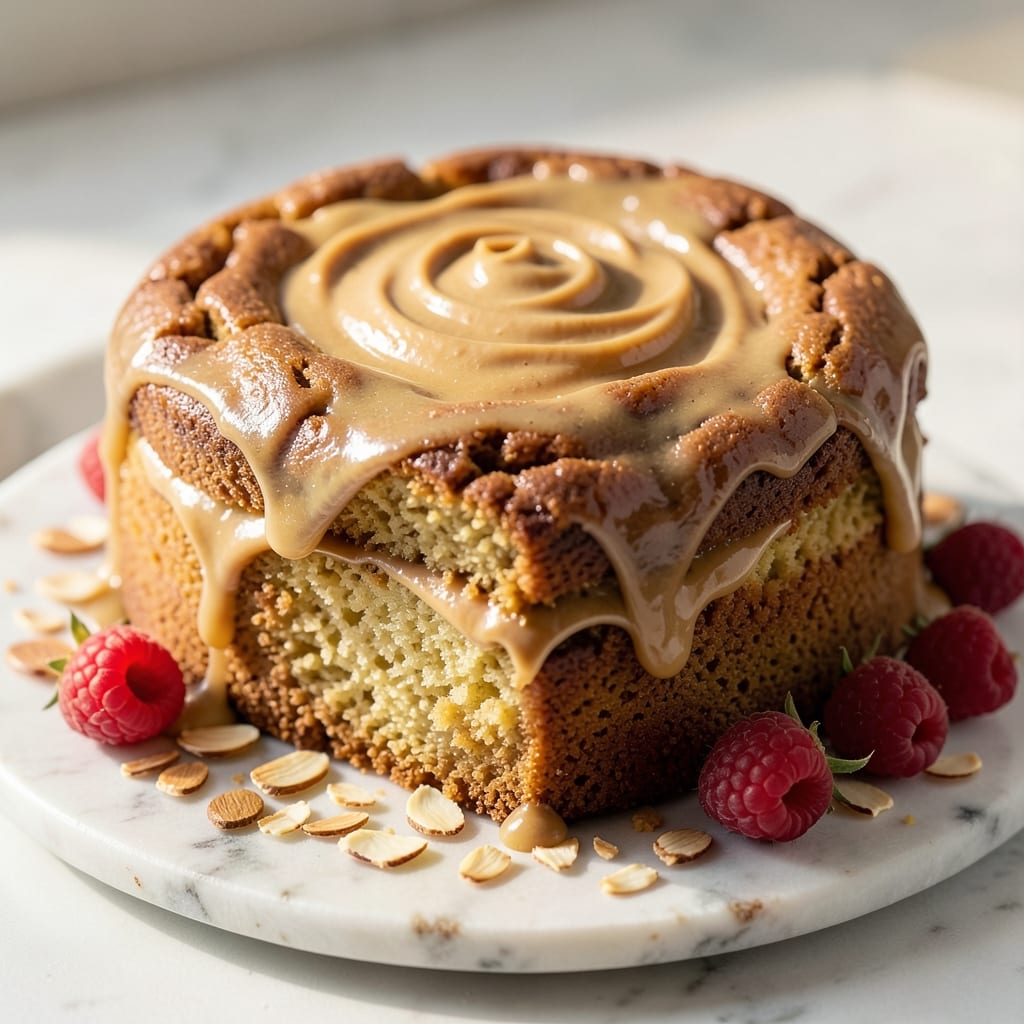
This almond butter pound cake delivers rich, nutty depth without needing alcohol—just creamy almond butter and classic cake ingredients. The secret lies in blending almond butter into the batter, creating a moist, tender crumb with subtle crunch and a velvety texture that keeps it fresh for days. I developed this recipe after craving a dessert that combined my love for pound cake with the nutty sophistication of almond butter, and it became an instant favorite for brunch or afternoon treats.
The beauty of this recipe is its simplicity—no fancy techniques, just a few key steps to ensure a perfectly balanced cake. The almond butter adds natural sweetness and moisture, while the classic pound cake structure (butter, sugar, flour, and eggs) guarantees a tender yet sturdy crumb. Baking at the right temperature ensures a golden-brown top and edges, with a crackly crust that gives way to soft, fluffy layers inside.
What makes this cake truly special is how the almond butter transforms a traditional pound cake into something unexpected yet familiar. The nutty flavor infuses every bite, creating a dessert that’s both comforting and exciting. Whether you enjoy it plain, dusted with powdered sugar, or topped with a simple glaze, it’s a showstopper that feels indulgent without being overly sweet.
For added richness, consider brushing warm cake layers with a light glaze of powdered sugar and almond milk, or garnishing with toasted sliced almonds. The cake keeps well at room temperature for up to 3 days, making it perfect for meal prep or gifting. Let’s get baking!
Ingredients for almond butter pound cake
Creamy almond butter meets classic pound cake—just 11 ingredients for rich, nutty layers.
| Ingredient | Amount | Notes |
|---|---|---|
| Unsalted Butter 🧈 | 1 ½ cups | Room temperature, full-fat preferred |
| Granulated Sugar 🍚 | 2 ½ cups | White or light brown |
| Almond Butter 🥜 | 1 ½ cups | Creamy, unsweetened preferred |
| Large Eggs 🥚 | 6 whole | Room temperature, separated |
| All-Purpose Flour 🌾 | 3 ½ cups | Sifted, plus extra for pan |
| Baking Powder 🧂 | 2 tbsp | Aluminum-free preferred |
| Salt 🧂 | ½ tsp | Fine sea salt |
| Vanilla Extract 🌿 | 2 tsp | Pure, high-quality |
| Almond Milk 🥛 | 1 cup | Unsweetened, for glaze |
| Powdered Sugar 🍚 | 1 cup | For glaze, plus extra for dusting |
| Sliced Almonds 🥜 | ½ cup | Toasted, for garnish |
The almond butter makes or breaks this cake. Kirkland Signature or Maranatha are my go-tos—they’re creamy without being sweet. Grab the unsweetened kind if you want control over the sugar. For the butter, Land O’Lakes or Plugrah work perfectly, but don’t use margarine. The eggs should be at room temperature, so take them out 30 minutes before baking. Sift the flour and baking powder together to avoid lumps—this cake’s texture depends on it. And if you’re feeling fancy, Whole Foods sells pre-sifted flour blends that save time.
No almond milk? Oat milk or cashew milk work just as well for the glaze. Short on almond butter? Peanut butter or cashew butter will give a different but still delicious flavor—just reduce the sugar slightly. The vanilla extract matters here: Nike or McCormick are reliable, but if you’ve got a good-quality imitation, it’ll still work. For the almonds, toast them in a dry pan for 3-4 minutes until golden—this adds crunch that’ll make everyone reach for seconds. And if you’re worried about the cake being too dense, don’t be: the almond butter actually keeps it moist and tender.
This cake keeps beautifully. Wrap layers in plastic wrap and store at room temperature for up to 3 days. For longer storage, freeze the whole cake (unfrosted) for 3 months
Why You'll Love This Recipe
- No Mixer Needed: Mixing the batter by hand is actually kind of satisfying—just cream the butter and sugar until light, fold in the almond butter (that’s where the magic happens), and you’re done. No electric mess, no fuss.
- Rich Without Overpowering: The almond butter adds this deep, nutty warmth that doesn’t scream "dessert" unless you want it to. It’s subtle enough for breakfast but bold enough to steal the show at brunch—no artificial flavors, just real, buttery richness.
- Brunch or Snack, No Excuses: Slice it thin for a quick weekday snack, serve it warm with tea for a lazy Sunday, or stack it with jam for a no-fuss dessert. It holds up just as well cold as it does fresh out of the oven—no reheating required.
- Leftovers That Don’t Suffer: This cake actually improves after a day or two. The texture stays tender, the almond flavor deepens, and it’s perfect for packing in lunches or gifting to neighbors. (Yes, I’ve been known to bake two.)
Step-by-step instructions for almond butter pound cake
Here's how to bake a moist, nutty pound cake with layers of almond butter flavor.
Cream Butter, Sugars, and Almond Butter
In a stand mixer fitted with the paddle attachment, beat the 1.5 cups unsalted butter and 2.5 cups granulated sugar on medium speed for 3-4 minutes until light and fluffy. The mixture should nearly double in volume and turn pale, with ribbons forming when the paddle is lifted. This step incorporates air for a tender crumb.
Reduce speed to low and add the 1.5 cups almond butter, mixing just until fully combined. The almond butter will thicken the batter slightly, so don't overmix. Scrape down the sides of the bowl with a rubber spatula to ensure even mixing. The batter should be smooth with no streaks of almond butter remaining.
Add Eggs and Vanilla
Add the 6 whole large eggs, one at a time, mixing on low speed for 30 seconds after each addition. This gradual incorporation prevents the eggs from scrambling. After all eggs are added, increase the speed to medium and mix for another 2 minutes until the mixture is thick and glossy.
Add the 2 teaspoons vanilla extract and mix for 10 seconds to distribute the flavor evenly. The vanilla will deepen the nutty notes from the almond butter. Here's the thing—don't rush this step. The eggs need time to fully emulsify with the butter and sugar to create that signature pound cake texture.
Combine Dry Ingredients
In a separate bowl, whisk together the 3.5 cups all-purpose flour, 2 tablespoons baking powder, and 0.5 teaspoon salt. Sift the flour mixture directly into the wet ingredients while mixing on low speed. Mix just until the flour is incorporated—you should still see a few streaks of flour. Overmixing develops gluten, which can make the cake dense.
Stop mixing as soon as the flour disappears. The batter should be thick and smooth. Here's where it gets fun—fold in the 0.5 cup sliced almonds by hand with a spatula. This ensures even distribution and prevents them from sinking to the bottom of the cake.
Bake to Golden Perfection
Preheat your oven to 350°F and grease two 9-inch round cake pans generously with butter, then dust with flour. Divide the batter evenly between the pans. Bake for 30-35 minutes, or until a toothpick inserted into the center comes out clean and the top springs back when pressed gently.
I know it seems like too much batter, but trust me—this recipe makes a tall, rich cake that's perfect for slicing. The almond butter flavor will be subtle but deeply satisfying, with no need for liqueur. Let the cakes cool in the pans for 10 minutes before transferring to a wire rack to cool completely.
Glaze and Serve
Once the cakes are completely cool, prepare the glaze by whisking together the 1 cup powdered sugar and 1 cup almond milk until smooth. Pour the glaze over the cooled cake layers and let it set for 10 minutes. The glaze should be thick enough to drip slightly down the sides, adding a sweet, creamy finish.
Slice the cake into 12 equal pieces for serving. Each slice should reveal a moist, tender crumb with pockets of rich almond butter flavor. The glaze will add a beautiful sheen and complement the nutty depth of the cake perfectly. Serve at room temperature for the best texture and flavor experience.
Pro Tips For Making Almond Butter Pound Cake
- Whip Butter & Sugar: DESCRIPTION: Cream the butter and sugar until it’s light and fluffy—not just pale, but ribbony. I used to stop when it looked mixed, but this cake needs that air to rise properly. Use a stand mixer with the paddle attachment (not whisk) for about 3-5 minutes until it triples in volume.
- Warm the Almond Butter: DESCRIPTION: Microwave the almond butter for 10-15 seconds to soften it—this makes folding it into the batter smoother and prevents lumps. Cold almond butter can turn the batter grainy, and nobody wants that texture in a pound cake.
- Don’t Overmix the Batter: DESCRIPTION: Fold in the flour just until combined—no need to beat it like a pancake batter. Overmixing develops gluten, which makes the cake dense instead of tender. Stop when there are no dry spots, but don’t go further.
- Test with a Toothpick: DESCRIPTION: Check doneness at 55-60 minutes—insert a toothpick in the center. If it comes out clean and the cake springs back when pressed, it’s done. Overbaking dries out the almond flavor, and this cake needs moisture to shine.
Storing and reheating your leftovers
Room Temperature Storage
This cake stays fresh and moist at room temperature for up to 3 days when stored properly. I wrap each layer tightly in plastic wrap, then place them in an airtight container with a parchment paper barrier to prevent sticking. The almond butter flavor actually intensifies slightly as it sits, making it even more delicious the next day. 💛
For single servings, slice the cake with a serrated knife and store individual portions in small airtight containers or ziplock bags. This prevents the cake from drying out and lets you enjoy it slice by slice without worrying about the whole cake going stale.
Refrigerator Storage
If you're prepping ahead for more than 3 days, refrigerate the cake in the same airtight container. The cold temperature helps preserve moisture, but the texture becomes slightly denser. Let the cake sit at room temperature for 10-15 minutes before serving to restore its softness. I find this works well for office lunches or when I'm planning ahead for weekend gatherings.
Freezer-Friendly Method
For long-term storage, freeze the unfrosted cake layers in a single layer on a baking sheet for 1 hour before transferring to a freezer bag. This prevents freezer burn and keeps the texture intact. The cake stays good for up to 3 months—just thaw overnight in the refrigerator before serving. The glaze can be made fresh after thawing for the best texture. ❄️
Reheating Tips
If you refrigerated or froze the cake and want to warm it slightly, I recommend the microwave method for quick results. Place a slice on a microwave-safe plate and heat for 10-15 seconds on 50% power. This restores moisture without overcooking. For a stovetop approach, wrap the cake in aluminum foil and warm in a 300°F oven for 5-7 minutes—this keeps the glaze intact and the texture perfect.
Glaze Refresh
The powdered sugar glaze sets quickly, so if you're reheating, I suggest making a small batch of fresh glaze using 2 tbsp powdered sugar and 1 tbsp almond milk. Brush it over the warmed cake just before serving to restore that creamy finish. This is especially helpful if you've stored the cake for more than a few days—it makes it taste like it was just baked. 💡
Nutrition facts
Frequently asked questions
Can I substitute almond butter for peanut butter in this recipe?
You can try it, but the flavor will differ significantly. Almond butter provides a subtle sweetness and delicate nuttiness that pairs beautifully with vanilla and butter. Peanut butter has a stronger, earthier taste that might overpower the cake's delicate balance. If you must substitute, reduce the sugar by 2 tablespoons since peanut butter is sweeter.
Why did my cake turn out dense instead of light and fluffy?
Overmixing the batter or using cold eggs/butter are common culprits. Make sure your butter and eggs are at room temperature and mix the dry ingredients just until combined—stop when a few flour streaks remain. Also, don't overfill the cake pans (fill only 2/3 full) to allow proper rising. The almond butter can make the batter thicker, so be gentle when folding it in.
How can I make this cake vegan?
Replace the eggs with 6 tablespoons aquafaba (chickpea brine) per egg, whipped to stiff peaks, or use a flax egg (1 tbsp ground flaxseed + 3 tbsp water per egg). For butter, use 1.5 cups vegan butter or coconut oil, and swap almond milk for a neutral plant-based milk in the glaze. Test the cake immediately after baking—vegan versions may need 5-10 extra minutes in the oven.
Can I bake this cake in a different pan shape?
Yes, but adjust the baking time accordingly. For a 9x13-inch pan, reduce the batter by 1/3 and bake for 40-45 minutes. For a 6-inch round pan, use half the batter and bake for 25-30 minutes. The cake's height matters—it should be about 2-3 inches tall when done. Always check with a toothpick for doneness.
What's the best way to serve this cake?
This cake shines with simple presentation! Serve slices at room temperature with a dusting of powdered sugar or a drizzle of warmed almond butter. For extra flair, add toasted sliced almonds or fresh berries. It's perfect for brunch, dessert, or even breakfast with a cup of coffee. The nutty flavor pairs wonderfully with chai tea or dark chocolate.