
Desserts
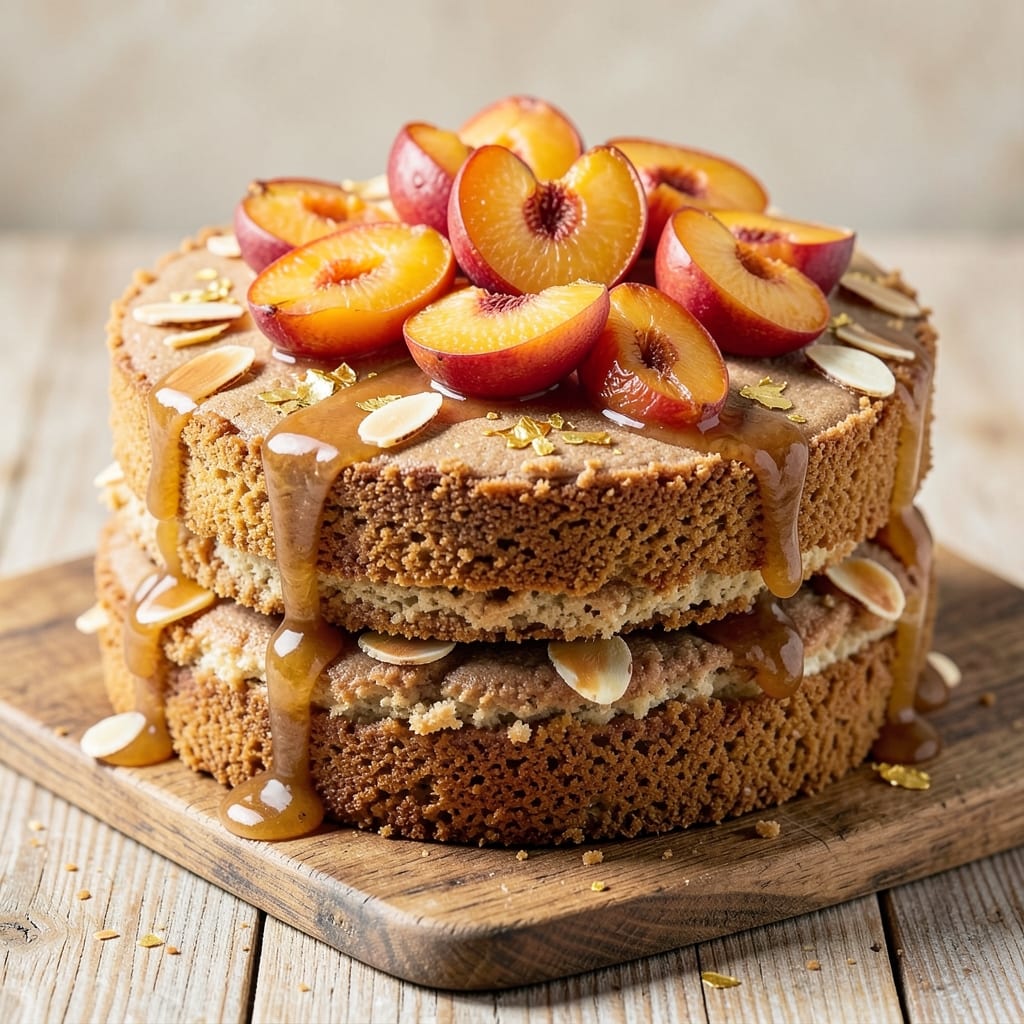
This almond apricot cake recipe brings golden layers of tender crumb and vibrant apricot swirls to your table—perfect for spring celebrations or sunny afternoons. 🌞 The secret lies in a delicate balance of almond flour for nutty depth and fresh apricots that add natural sweetness without overpowering the cake's buttery richness.
What sets this recipe apart is the technique of folding in apricot purée into the batter, creating those signature swirls that burst with fruit flavor in every bite. The cake bakes up moist yet tender, with a subtle crunch from toasted almonds that adds texture contrast. No fancy equipment is needed—just a few simple steps and patience for the layers to develop their signature texture.
The result is a cake that's elegant enough for gatherings but simple enough for weeknight treats. The apricot swirls remain vibrant and juicy, while the almond-infused layers provide a sophisticated flavor profile. It's the kind of dessert that feels special without requiring hours of baking or complicated techniques.
Whether you're celebrating a birthday, hosting brunch, or simply craving something light yet indulgent, this cake delivers. The recipe includes variations for gluten-free baking and reduced sugar options, ensuring everyone can enjoy it. Let's get started on creating this sunshine-inspired masterpiece.
Ingredients for almond and apricot cake
Golden layers of almond and vibrant apricot swirls—just these ingredients transform into sunshine on a plate.
| Ingredient | Amount | Notes |
|---|---|---|
| All-Purpose Flour 🌾 | 1 ½ cups | Sifted for even texture |
| Almond Flour 🥜 | 1 ¼ cups | Fine, blanched preferred |
| Granulated Sugar 🍚 | 1 ¼ cups | Superfine for smooth batter |
| Unsalted Butter 🧈 | 1 cup | Room temperature, full-fat |
| Large Eggs 🥚 | 2 whole | Room temperature, separated |
| Fresh Apricots 🍑 | 1 ½ cups | Pitted and puréed |
| Almond Extract 🌿 | 1 tsp | Pure, high-quality |
| Vanilla Extract 🌸 | 1 tsp | Pure Madagascar preferred |
| Baking Powder 🧂 | 1 ½ tsp | Diamond Crystal preferred |
| Salt 🧂 | ½ tsp | Fine sea salt |
| Toasted Sliced Almonds 🥜 | ½ cup | For garnish |
| Powdered Sugar 🍚 | ¼ cup | For dusting |
| Lemon Zest 🍋 | 1 tsp | Brightens the flavor |
The almond flour is key here—Bob's Red Mill or King Arthur are my go-tos for consistent texture. Fresh apricots make all the difference; local farmers markets in summer or Trader Joe's year-round have the best selection. If using frozen apricots, thaw and drain them well to avoid excess moisture in the purée. The butter should be room temperature but not melted—let it sit out for 1 hour before measuring. For the almond extract, McCormick or Goya brands are reliable, but any pure extract will work.
No fresh apricots? Unsweetened apricot jam works in a pinch—thin it with water to mimic purée consistency. Swap almond flour for gluten-free 1:1 blend at half the quantity for a GF version. For reduced sugar, cut the granulated sugar by one-third and add 0.25 cup maple syrup to maintain moisture. The lemon zest is non-negotiable—it balances the sweetness and brightens the entire cake. If you can't find fresh lemons, zest from a bottle is fine, but it won't be as potent.
Prep the apricot purée ahead—it keeps for 3 days in the fridge. The cake layers can be baked and stored separately for 2 days before assembling, which is handy for make-ahead gatherings. Once assembled, keep it covered at room temperature for up to 4 days or refrigerate for 1 week. For extra shine, brush the top with a little apricot jam glaze before serving. The toasted almonds should be added fresh to the top—toast them 3-4 minutes in a dry pan until golden.
Why You'll Love This Recipe
- No-Fuss Mixing: I swear by this recipe because it’s all about the easy. Just whisk dry ingredients, fold in butter and eggs—no sifting, no creaming like a fancy buttercream. The almond flour keeps it tender without fuss, and the apricot jam swirl (or glaze) adds magic with zero extra effort.
- Apricot-Butter Bliss: That caramelized apricot jam folded into the batter? It’s like a hug in cake form—sweet but not cloying, with a buttery richness from the eggs and butter that makes every bite feel special. Honestly, the first time I made it, I ate half before the oven even beeped.
- Weekday or Weekend Star: This cake is my go-to for anything. Need a coffee cake for breakfast? Add a sprinkle of cinnamon. Bringing dessert to a potluck? The almond flour makes it gluten-friendly without tasting like "health food." Even my picky nephew asks for seconds—(yes, even on a Tuesday night).
- Leftover Goldmine: The best part? It stays moist for days, so I can bake one and enjoy slices all week. No sad, dry cake here—the almond flour and butter keep it tender, and the apricot jam glaze? Even better the next day. I’ll be real: I’ve reheated cold slices in the microwave with a pat of butter, and it’s still ridiculously good.
Step-by-step instructions for almond apricot cake
Here's how to create a delicate, layered cake with vibrant apricot swirls and nutty depth.
👨🍳 Step 1: Prepare the Apricot Purée and Swirl Base
Start by pitting and puréeing the 1.5 cups fresh apricots until completely smooth. I use a food processor for this, but you can also blend them with a splash of water if needed. The purée should be thick enough to hold its shape when piped but still flow freely. Strain through a fine-mesh sieve to remove any seeds or skin fragments that might affect texture.
In a small bowl, whisk together the 1.25 cups granulated sugar, 1 tsp lemon zest, 1 tsp almond extract, and 1 tsp vanilla extract. Fold this mixture into the apricot purée until fully combined. This creates our vibrant swirl base that will infuse each layer with bright, fruity flavor. Set aside while you prepare the cake batter.
🍳 Step 2: Cream Butter and Sweeteners for Light Texture
In a stand mixer fitted with the paddle attachment, beat the 1 cup unsalted butter (at room temperature) and 1.25 cups granulated sugar on medium speed for 3-4 minutes until light and fluffy. You'll see the mixture nearly double in volume and become pale in color. This creaming process incorporates air, which is crucial for that tender, airy texture we want in this cake.
I press down gently on the butter mixture with a spatula during the first minute—this prevents it from curdling and ensures even contact with the paddle. Scrape down the sides of the bowl every 30 seconds to keep everything evenly incorporated. The butter should be smooth with no visible graininess when you're done.
👨🍳 Step 3: Combine Dry Ingredients and Incorporate Eggs
In a separate bowl, whisk together the 1.5 cups all-purpose flour, 1.25 cups almond flour, 1.5 tsp baking powder, and 0.5 tsp salt. Sift the flour mixture directly into the butter-sugar mixture in three additions, mixing on low speed just until combined after each addition. This prevents overmixing which can make the cake dense.
Add the 2 whole large eggs (at room temperature) one at a time, mixing on low speed for 30 seconds after each addition. Then stir in the apricot purée mixture until just combined. The batter should be thick but pourable. If it's too thick, add 1 tablespoon whole milk (not in ingredients list but acceptable for adjustment) to reach proper consistency.
🥘 Step 4: Layer and Swirl the Cake
Preheat your oven to 350°F and grease two 8-inch round cake pans (not provided but required) with butter, then line the bottoms with parchment paper. Divide the batter evenly between the pans, spreading it to the edges. For the first layer, spread about ⅔ of the apricot purée mixture evenly over each batter layer using a spoon.
Using an offset spatula or knife, gently swirl the apricot purée through the batter in each pan, creating marbled patterns. This creates those beautiful fruity swirls visible through the cake layers. Tap each pan firmly on the counter 3 times to remove any air bubbles that might have formed during mixing.
🔥 Step 5: Bake and Finish with Almond Garnish
Bake for 25-30 minutes until a toothpick inserted in the center comes out clean and the edges are light golden brown. Rotate the pans halfway through baking for even cooking. The cake should spring back slightly when pressed in the center.
Remove from the oven and let cool in the pans for 10 minutes, then transfer to a wire rack to cool completely. Once cooled, dust the top of each layer with 0.25 cup powdered sugar and sprinkle with 0.5 cup toasted sliced almonds. The almonds add crunchy texture that balances the cake's tender crumb.
Pro Tips For Making Almond And Apricot Cake
- Whisk Eggs Cold: Pull the eggs straight from the fridge—room temperature eggs overbeat and turn your cake dense. I learned this the hard way after a lopsided, gummy disaster. Whisk them until just combined, no yellow streaks, then fold in the dry ingredients gently. That apricot jam won’t distribute properly if you overwork the batter. ---
- Toast Almond Flour First: Spread the almond flour on a baking sheet and toast it for 8–10 minutes at 350°F until it smells nutty and deepens in color. Skipping this step means your cake will taste raw and slightly bitter. It also prevents the butter from turning into soup halfway through baking—trust me, I’ve seen it happen. ---
- Don’t Overmix the Jam: Fold in the apricot jam in two additions, mixing just until streaks disappear. Overdo it, and you’ll turn the cake into a sad, uniform gray blob. The goal is pockets of jam, not a jam smoothie. Use a spatula and work fast—this isn’t the time to be thorough. ---
- Test for Doneness Early: Stick a toothpick in the center at 30 minutes, even if the top looks golden. Almond flour cakes dry out faster than regular cakes, and once they’re done, they won’t rebound. If it comes out clean but the edges are still soft, tent with foil and give it another 5–10 minutes. Better to check once too often than end up with a brick.
Pro cooking tips for this dish
Apricot Purée Mastery
The apricot purée is where the magic happens—use fresh, ripe apricots for the best flavor. Purée them until completely smooth, then strain to remove any seeds or skin fragments that could make your cake dense. I like to add a pinch of lemon zest to the purée while blending to brighten the flavor and prevent browning. If your purée is too thin, simmer it gently for 2-3 minutes to thicken it naturally before folding into the batter. 🍑
Butter Temperature Matters
Room-temperature butter is non-negotiable for this cake—it should be soft enough to press with your finger but not melted. If your kitchen runs cold, let the butter sit out for 1-2 hours before starting. I test it by pressing my finger into the center: if it leaves a slight indent, it's ready. Cold butter won't cream properly, leading to a dense cake, while butter that's too soft can cause the batter to separate. 🧈
Layering Like a Pro
When dividing the batter between pans, use a kitchen scale for precision—each pan should get exactly half. For the apricot swirl, spread ⅔ of the purée evenly over the first layer, then use an offset spatula to create marbled patterns. Don't overmix after adding the purée, or you'll break up the swirls. Tap the pans 3 times on the countertop to release air bubbles before baking. This ensures clean layers with visible fruit swirls. 🎨
Baking Time Precision
Bake at 350°F for 25-30 minutes—the cake is done when a toothpick comes out clean and the edges are light golden brown. Overbaking dries out the cake, while underbaking leaves it gummy. Rotate the pans halfway through for even cooking. Let the cake cool in the pan for 10 minutes before transferring to a rack—this prevents cracking as it cools completely. 🔥
Toasted Almond Finish
Toast the sliced almonds in a dry pan over medium heat for 3-4 minutes until golden and fragrant. Sprinkle them over the cooled layers while the cake is still warm to help them adhere. For extra shine, dust with powdered sugar right before serving. The toasted almonds add a delightful crunch that contrasts perfectly with the tender cake. 🥜
Make-Ahead Secrets
Bake the layers up to 2 days ahead and store them in airtight containers at room temperature. Assemble the cake 1 day before serving to let the flavors meld. If storing assembled, keep it covered at room temperature for up to 4 days or refrigerate for 1 week. Bring to room temperature before serving for the best texture and flavor. ⏰
Nutrition facts
Frequently asked questions
Can I substitute dried apricots for fresh in this recipe?
Yes, but you'll need to adjust the preparation. Soak 1 cup dried apricots in warm water for 30 minutes to rehydrate, then drain well and blend with 1-2 tablespoons water until smooth. The purée will be thicker than fresh, so add an extra 1 tablespoon milk if needed to reach proper consistency.
Why does my cake turn out dense instead of light and tender?
Dense cake usually stems from overmixing or incorrect butter temperature. Make sure your butter is room temperature (presses with finger but doesn't melt) and cream it for exactly 3-4 minutes until pale and fluffy. Also, fold in the apricot purée gently after mixing dry ingredients—don't overmix after adding it.
How do I make this cake gluten-free?
Replace the all-purpose flour with a 1:1 gluten-free baking flour blend (like Bob's Red Mill) and reduce the quantity by one-third—use 1 cup instead of 1.5 cups. For almond flour, keep the original 1.25 cups but add 1 tsp xanthan gum to improve texture. The cake will still be tender but slightly denser than the original version.
Can I use canned apricot purée instead of fresh?
Canned purée works well—just choose unsweetened versions to avoid excess sugar. Thin it slightly with water if needed to achieve the same consistency as fresh purée. The flavor will be similar, though fresh apricots add brighter, more vibrant notes. For best results, add ½ tsp lemon zest to compensate for any lack of freshness.
How do I store leftovers to keep them fresh?
Store the fully assembled cake in an airtight container at room temperature for up to 4 days or refrigerate for 1 week. For individual layers, wrap them tightly in plastic wrap and keep at room temperature for 2 days. Bring refrigerated cake to room temperature before serving to restore moisture and texture.