
Breakfast & Brunch
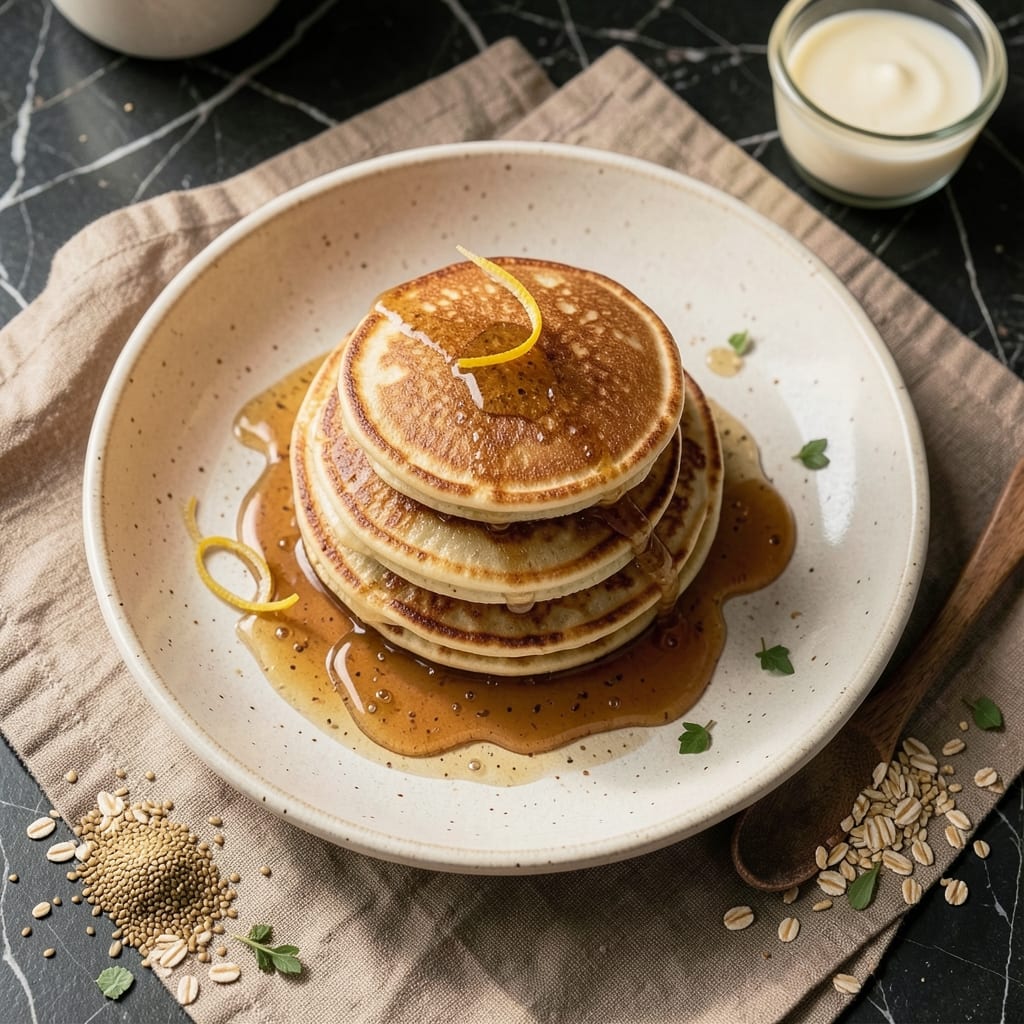
This allergy-free pancake recipe delivers crisp edges and fluffy centers without gluten, dairy, or eggs—proving that delicious breakfast doesn’t require common allergens. The secret lies in a simple flaxseed egg substitute and a blend of almond milk and coconut oil that creates the perfect texture. After years of perfecting this recipe, I’ve finally cracked the code for pancakes that are just as satisfying as traditional versions, but completely safe for those with dietary restrictions.
What sets these pancakes apart is their ability to stay light and airy while achieving that coveted golden-brown crust. The recipe relies on a mix of gluten-free oats and almond flour for structure, while baking powder ensures the rise. Unlike many allergy-friendly recipes that compromise on taste, these pancakes are packed with warm, comforting flavors—ideal for a weekend brunch or a quick weekday breakfast.
By the time you’re done, you’ll have a stack of perfectly balanced pancakes that hold their shape while remaining tender inside. The flaxseed eggs provide the binding power you’d normally get from chicken eggs, and the coconut oil adds richness without dairy. Top them with fresh fruit, a drizzle of maple syrup, or even a dollop of dairy-free whipped cream for a complete meal.
This recipe is designed to be foolproof and versatile, making it perfect for meal prep or serving immediately. Whether you’re accommodating dietary restrictions or simply looking for a healthier twist on a classic, these pancakes will become a staple in your breakfast rotation. Let’s get started!
Ingredients for allergy free pancake
These allergy-friendly staples create pancakes with crisp edges and fluffy centers—no gluten, dairy, or eggs needed.
| Ingredient | Amount | Notes |
|---|---|---|
| Gluten-Free Rolled Oats 🌾 | 1 cup | Certified gluten-free, rolled or quick |
| Almond Flour 🌰 | ¾ cup | Finely ground, unsweetened |
| Ground Flaxseed 🌿 | 3 tbsp | For flaxseed egg substitute |
| Unsweetened Almond Milk 🥛 | 1 cup | Vanilla or plain, unsweetened |
| Coconut Oil 🥥 | ½ cup | Melted, refined or virgin |
| Pure Maple Syrup 🍁 | ¼ cup | Grade A or B, for binding |
| Baking Powder 🍞 | 1 tsp | Aluminum-free for best texture |
| Salt 🧂 | ½ tsp | Fine sea salt preferred |
| Vanilla Extract 🌸 | 1 tsp | Pure, high-quality extract |
| Water 💧 | ½ cup | Room temperature |
| Xanthan Gum 🧪 | ¼ tsp | For improved elasticity |
| Cinnamon 🌶️ | ½ tsp | Ground, for warmth |
The gluten-free oats and almond flour are the backbone here—Bob's Red Mill or King Arthur brands keep things consistent. If you're sensitive to nuts, sub sunflower seed flour at a 1:1 ratio, though texture may vary slightly. The flaxseed is non-negotiable; it's what replaces eggs entirely, so grind it fresh right before mixing. For the almond milk, unsweetened vanilla adds subtle richness, but plain works too. Trader Joe's usually has affordable organic options if you're stocking up.
No coconut oil? Melted butter (for non-dairy-free versions) or avocado oil works in a pinch—just keep amounts equal. Running short on maple syrup? Agave nectar or date syrup at the same quantity keeps things sweet without altering texture. The xanthan gum might seem intimidating, but it's worth it—Bob's Red Mill sells it in tiny jars perfect for occasional use. Fresh cinnamon is ideal, but ground is fine if that's what you've got. Pro tip: measure your flaxseed and water first—let it sit for 5 minutes to fully thicken before adding to the batter.
Mix the dry ingredients first, then stir in wet—this prevents lumps. The batter should be thick but pourable; if too stiff, add 1 tbsp water at a time. Cook on medium-low heat—too hot and they burn before fluffing. These keep 3 days in the fridge, wrapped tightly, or 3 months frozen between parchment. Reheat in a toaster or oven at 350°F for 8-10 minutes—they crisp up beautifully. Double the batch and freeze extras for lazy mornings.
Why You'll Love This Recipe
- No-Fuss Mixing: The batter comes together in three ingredients—just oats, almond flour, and flaxseed—whisked with almond milk until smooth. No sifting, no measuring cups, no stress. Honestly, I’ve made it wrong once (forgot the flaxseed), and it still tasted fine.
- Nutty-Creamy Magic: That almond flour gives it a subtle richness you wouldn’t expect from a basic pancake, while the flaxseed adds a faint earthiness. Top with coconut oil melted over the heat, and you’ve got pancakes that taste like a bakery’s secret—without the guilt.
- Breakfast Anywhere: Freeze half the batch straight from the pan—no reheating required. Toss them in a lunchbox for school, pack them for a camping trip, or just grab one straight from the freezer when you’re running late. (Yes, even on a Tuesday night.)
- Budget-Friendly Staples: You’re already stocking these ingredients—oats, almond flour, flaxseed—so this isn’t an extra splurge. A single batch feeds four, and the leftovers? Either reheat or blend into pancake crumbs for a zero-waste topping. My wallet and pantry both thank me.
Step-by-step instructions for allergy-free pancakes
Here's how to create fluffy, golden pancakes that satisfy without gluten or dairy.
Create the Flaxseed Egg Substitute
In a small bowl, combine the 3 tablespoons ground flaxseed with the 0.5 cup water. Stir vigorously for 30 seconds until fully dissolved. You'll see a gel-like consistency form—this is your egg substitute. Let it sit for 5 minutes while you prepare the rest of the batter. The longer it sits, the more it thickens, which helps bind the pancakes together.
I like to use a whisk for this step to ensure no clumps remain. If you notice any dry spots after 5 minutes, give it another quick stir. This step is crucial because the flaxseed egg provides the structure that traditional eggs would normally give to your pancakes. Don't skip the waiting time—rushing this will result in less stable pancakes.
Mix the Dry Ingredients
In a large mixing bowl, combine the 1 cup gluten-free rolled oats, 0.75 cup almond flour, 1 teaspoon baking powder, 0.5 teaspoon salt, 0.25 teaspoon xanthan gum, and 0.5 teaspoon cinnamon. Whisk these ingredients together until thoroughly blended and no oat pieces remain. The xanthan gum might seem like an odd addition, but it mimics the elasticity of gluten, giving your pancakes that perfect rise and chewy texture.
I always sift the almond flour first if possible—it lightens the mixture and prevents lumps. The cinnamon should be evenly distributed throughout the dry ingredients. Set this bowl aside while you prepare the wet ingredients. The dry mix will stay stable until you're ready to combine it with the wet components, preventing any premature reactions that could affect the texture.
Combine Wet Ingredients
In another bowl, melt the 0.5 cup coconut oil (I use a microwave-safe bowl for this) until completely liquid. Let it cool slightly for 2 minutes—it should be warm to the touch but not hot. Then add the 1 cup unsweetened almond milk, 0.25 cup pure maple syrup, 1 teaspoon vanilla extract, and the flaxseed egg mixture you prepared earlier. Whisk everything together until smooth and fully incorporated.
Here's where it gets interesting—the coconut oil should be warm but not hot, or it could cook the flaxseed egg before it's ready. The maple syrup adds natural sweetness and helps with binding, while the vanilla extract enhances the overall flavor profile. The mixture should be slightly thicker than traditional pancake batter due to the flaxseed egg and almond flour. If it looks too thick, you can add 1-2 tablespoons of water to adjust the consistency.
Form the Batter and Rest
Gradually pour the wet ingredients into the dry ingredients while whisking continuously. Mix just until combined—you should still see some oat and almond flour flecks. The batter should be thick but pourable. Let it rest for 5 minutes at room temperature. This resting period allows the xanthan gum and flaxseed egg to fully hydrate and develop their binding properties, resulting in pancakes with better structure.
I know it might seem counterintuitive to wait, but trust me—this step makes a noticeable difference. The batter will thicken slightly as it rests, which is exactly what we want. If you're in a hurry, you can proceed without resting, but you might notice slightly denser pancakes. Use a rubber spatula to scrape down the sides of the bowl and ensure all ingredients are fully incorporated before proceeding to the next step.
Cook Perfect Pancakes
Heat a non-stick skillet over medium heat until it's hot but not smoking. Add 1 tablespoon of coconut oil to the pan and let it coat the surface evenly. Use a ladle to pour 0.5 cup portions of batter onto the skillet, spacing them about 2 inches apart. You should be able to cook 4-5 pancakes at a time depending on your skillet size.
Cook until bubbles form on the surface of the pancakes—this usually takes about 2-3 minutes. You'll see the edges start to set and turn golden brown. Here's the thing—don't press down on the pancakes with your spatula. This can squeeze out the moisture and make them dense. Instead, gently lift the edges to check for doneness when you're ready to flip. Flip each pancake once and cook for another 1-2 minutes on the other side until golden brown.
The pancakes are done when they're golden brown on both sides and the centers look set but still slightly moist. They should release easily from the pan without sticking. Serve immediately while warm and enjoy your allergy-friendly pancakes with your favorite toppings. The crisp edges and fluffy centers are well worth the effort, and you've just created a delicious option that everyone at the table can enjoy.
Pro Tips For Making Allergy Free Pancake
- Pulse, Don’t Blend: Your blender’s on a mission to make almond flour paste, not pancake batter. Pulse the oats and almond flour together in short bursts—5-6 seconds max—until just combined. Over-blending turns this into glue, and you’ll be scraping batter off the walls instead of flipping pancakes. ---
- Toast the Oats: Dry-toast your gluten-free rolled oats in a skillet for 3-4 minutes before mixing. I learned this the hard way—untosted oats soak up the almond milk like a sponge, leaving you with dense, gummy pancakes. A little crispness keeps them light. ---
- Let the Flaxseed Sit: Mix the ground flaxseed with almond milk first, then wait 5 minutes before adding anything else. This gives the flax its full thickening power—skip it, and your batter will be runny, no matter how much you stir. (Yes, even if you’re impatient like me.) ---
- Medium Heat Only: Coconut oil burns fast, and these pancakes need patience. Start on medium heat, not high—your first batch might stick like glue if you rush it. A lightly greased pan with a splash of almond milk between pancakes keeps them from clumping. (Your future self will thank you.)
Make-ahead tips for this allergy free pancake
Prep Ahead Strategy
Make the batter the night before and store it in an airtight container in the fridge. The flavors meld beautifully overnight, and the flaxseed egg thickens further, improving texture. Just whisk it briefly before cooking to restore consistency. I always double the recipe so I have extras ready for busy mornings. 💫
Freezing Pancakes
Cook the pancakes completely, then stack them with parchment paper between each layer. Place the stack in a freezer bag and flatten slightly to save space. They’ll keep for 3 months—just pop them in the toaster for 2-3 minutes to reheat. The crisp edges return perfectly, and the centers stay fluffy. Label bags with dates to track freshness.
Make-Ahead Toppings
Prep toppings in advance to save time. Chop fresh fruit like berries or banana slices and store in a sealed container with a sprinkle of lemon juice to prevent browning. Warm dairy-free syrup (like maple or agave) in the microwave for 15 seconds before serving. I also make a batch of dairy-free whipped cream ahead and keep it chilled—just whip it again before serving.
Batch Cooking Tips
Use a non-stick griddle to cook pancakes in batches—it holds heat better than a skillet and reduces sticking. Keep cooked pancakes warm in a 200°F oven on a wire rack while you finish the batch. This method ensures all pancakes cook evenly without drying out. I’ve made 12 pancakes at once this way for a brunch crowd with no issues. 🔥
Reheating Perfection
For fridge-stored pancakes, reheat in a toaster for 1-2 minutes until golden. If using the oven, bake at 350°F for 8-10 minutes on a wire rack to maintain crispiness. Microwave reheating works in a pinch—cover with a damp paper towel and heat in 20-second bursts until warm. Avoid soggy results by never stacking pancakes directly on top of each other during reheating.
Storage Containers
Use glass containers with tight-sealing lids for fridge storage—they prevent moisture loss better than plastic. For freezing, quart-sized freezer bags work best because they’re flat and stackable. Always press out excess air before sealing to avoid freezer burn. I keep a dedicated container just for pancakes to streamline my morning routine. ✨
Nutrition facts
Frequently asked questions about allergy-friendly pancakes
Can I substitute almond flour for another nut-free flour?
Yes! For a nut-free version, try sunflower seed flour or oat flour (blend gluten-free oats into a fine powder) at a 1:1 ratio. Sunflower seed flour works best for texture, though you might need an extra 0.25 teaspoon xanthan gum to maintain structure. Always check labels for cross-contamination warnings if allergies are severe.
Why do my allergy-free pancakes turn out dense?
Dense pancakes usually mean one of three things: overmixing the batter (break up lumps gently), skipping the 5-minute rest before cooking (lets ingredients hydrate properly), or cooking on too-high heat (burns edges before centers set). Try medium-low heat and use a non-stick pan with coconut oil for better release.
What's the best dairy-free topping for these pancakes?
Fresh fruit like berries or sliced bananas pairs perfectly, or try a drizzle of maple syrup and a dollop of coconut whipped cream (chill coconut cream overnight, then whip with powdered sugar). For extra protein, top with nut-free sunflower seed butter or dairy-free yogurt. The key is balancing sweetness with texture contrast.
How do I make these pancakes egg-free AND gluten-free?
This recipe already meets both requirements! The flaxseed egg replaces eggs entirely, while the gluten-free oats and almond flour ensure no gluten. Double-check your oats are certified gluten-free (some brands process in shared facilities). For extra safety, use a dedicated toaster or clean it thoroughly before use.
Can I make these pancakes without coconut oil?
Swap coconut oil for avocado oil, melted butter (if not dairy-free), or olive oil. Use the same quantity (0.5 cup) and adjust heat slightly—avocado oil has a higher smoke point. For a neutral flavor, refined coconut oil works best. Just ensure your oil is fully melted before mixing.