
Desserts
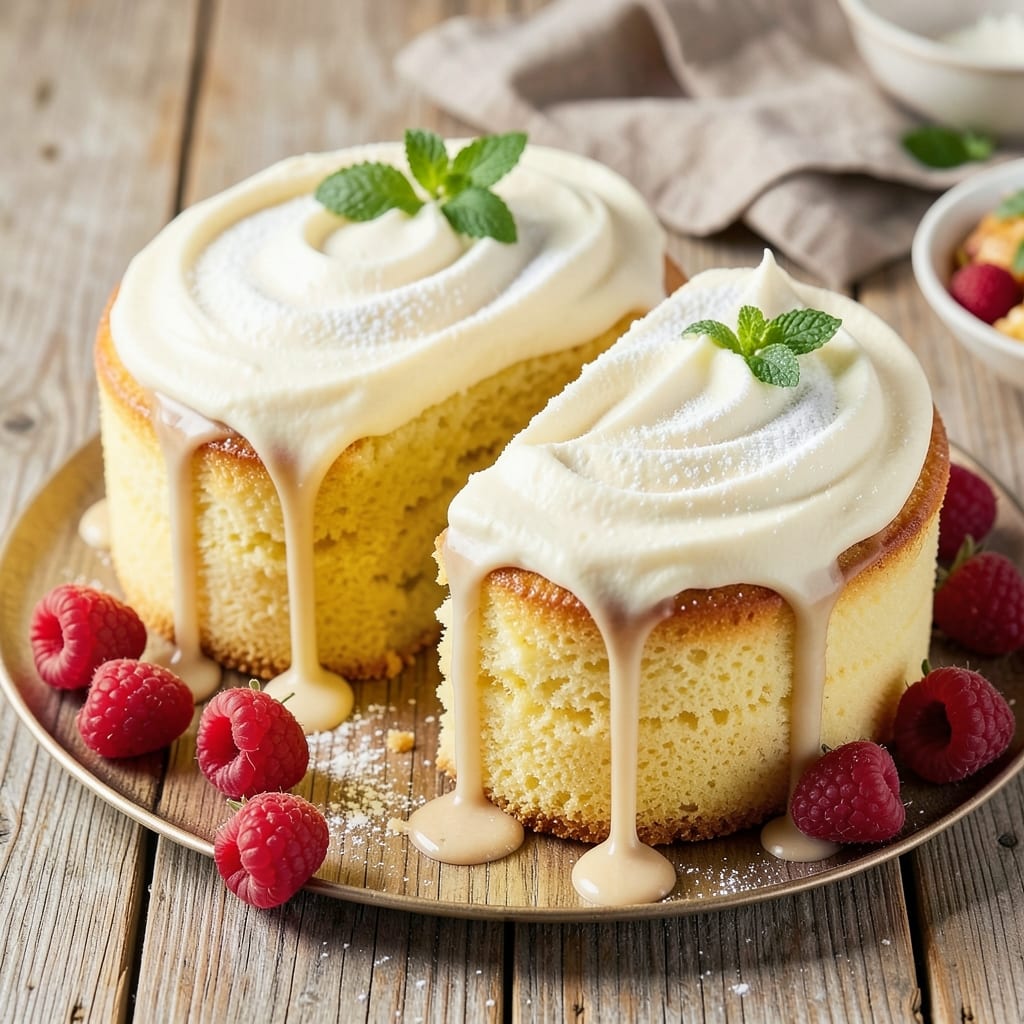
This all-purpose flour yellow cake recipe delivers the perfect balance of tender crumb and buttery richness that's become my go-to for celebrations and everyday treats. The secret lies in properly creaming the butter and sugar—this step creates air pockets that make the cake light as a cloud. I've baked this recipe countless times, and it never fails to impress with its golden crust and moist interior that stays fresh for days.
The beauty of this classic yellow cake is its versatility—it's the ideal base for vanilla frosting, cream cheese filling, or even a simple dusting of powdered sugar. What sets this recipe apart is the careful balance of ingredients: all-purpose flour for structure, baking powder for lift, and a touch of salt to enhance all the sweet flavors. The vanilla extract infuses throughout, creating that signature warm, comforting aroma that makes any kitchen feel like home.
When you pull this cake from the oven, you'll be greeted by a golden dome with a crackly top that gives way to tender, moist layers inside. The buttercream frosting (or your choice of glaze) adds that final touch of elegance, making it perfect for birthdays, showers, or just because. This recipe has been tested and perfected over years, ensuring you'll achieve restaurant-quality results every time.
For those who love to experiment, try adding a teaspoon of lemon zest or a pinch of cinnamon to the batter for a modern twist while keeping the classic foundation intact. The possibilities are endless, but the base remains foolproof. Let's get baking!
Ingredients for all purpose flour yellow cake
Twelve ingredients, one perfect cake—this yellow cake delivers buttery richness and tender crumb every time.
| Ingredient | Amount | Notes |
|---|---|---|
| All-Purpose Flour 🌾 | 2 ½ cups | Sifted for lightness |
| Granulated Sugar 🍚 | 2 cups | White or light brown |
| Unsalted Butter 🧈 | 1 cup | Room temperature, full-fat |
| Large Eggs 🥚 | 4 whole | Room temperature preferred |
| Pure Vanilla Extract 🌸 | 2 tsp | High-quality for best flavor |
| Milk 🥛 | 1 cup | Room temperature, any kind |
| Baking Powder 🧂 | 2 tsp | Double-acting preferred |
| Salt 🧂 | ½ tsp | Fine sea salt |
| Vegetable Oil 🫒 | ¼ cup | Light or canola oil |
| Lemon Zest 🍋 | 1 tbsp | Optional for bright flavor |
| Ground Cinnamon 🌿 | ½ tsp | Optional for warmth |
| Powdered Sugar 🍚 | 1 cup | For glaze or dusting |
The butter and sugar are non-negotiable for that signature cloud-like texture. Use unsalted butter—it's easier to control the sweetness—and let it sit out for 30 minutes before creaming. Kroger or store-brand all-purpose flour works perfectly, but if you've got a King Arthur bag, grab it—it's worth the few extra cents. Room-temperature eggs are your friend here; they blend smoother and create more air pockets. The vanilla extract? Nothing cheap—I always grab Nielsen-Massey from the grocery store's baking aisle. It's the little details that make this cake restaurant-quality.
No vanilla extract? Vanilla bean paste works in a pinch, or even imitation vanilla if that's all you've got. Swap the milk for almond milk or oat milk if you're avoiding dairy, but the texture might be slightly denser. The lemon zest and cinnamon are optional but totally worth it if you're feeling fancy—one lemon yields enough zest. For the oil, vegetable or canola keeps things neutral, but avocado oil adds a nice richness. If you're baking at high altitude, add an extra 1/4 teaspoon baking powder. And for the love of cake, don't overmix the batter—just until combined.
This cake keeps beautifully—3 days at room temperature wrapped in plastic, or 1 week in the fridge if you're prepping ahead. For freezing, wrap tightly in plastic and foil, then thaw overnight in the fridge. The glaze? Whip up the powdered sugar with a splash of milk or lemon juice—just enough to make it drizzle. I always make a double batch because it disappears fast. Leftovers? Toasted with butter and a sprinkle of cinnamon make the best French toast—trust me on this. And if you've got extra batter, pour it into a greased pan for cupcakes—same deliciousness, different occasion.
Why You'll Love This Recipe
- Pantry Staples Only: I swear by this recipe because it uses what’s already in my cupboard—no weird swaps or hard-to-find ingredients. Buttercream or glaze? You’ve got that covered too. Honestly, it’s the kind of cake that makes me feel like I’ve done something special without the fuss.
- Buttery Vanilla Bliss: That first bite? Rich, tender crumb with just enough vanilla warmth to make you close your eyes. The butter isn’t overpowering—it’s the kind of subtle indulgence that turns a simple slice into a little treat you actually want to savor.
- Birthday to Brunch: I’ve used this for everything from kids’ birthday cakes to my lazy Sunday morning coffee cake. Cut it into squares, layer it with jam, or serve it plain—it’s the blank canvas that works for any occasion without needing a fancy makeover.
- No-Waste Magic: A boxed mix leaves crumbs and regret. This recipe? Half the batter makes a perfect layer cake, the other half becomes cupcakes or a trifle. And if you’re like me, those leftovers disappear faster than I can say “second slice.” Budget-friendly? Absolutely. Smart? Even more so.
Step-by-step instructions for vanilla-infused yellow cake
Here's how to make a light, buttery yellow cake that's fluffy inside and perfectly golden outside.
Prep Ingredients and Preheat Oven
Start by preheating your oven to 350°F and greasing two 9-inch round cake pans or line them with parchment paper. I like to use a mix of butter and flour to grease the pans—just rub a little softened butter on the sides and bottom, then dust with flour, tapping out any excess. This ensures easy release later.
While the oven heats, take the 2.5 cups all-purpose flour and sift it into a large mixing bowl. Sifting removes lumps and incorporates air, which helps create that light, airy texture we want. Add the 2 tsp baking powder and 0.5 tsp salt to the flour and whisk gently to combine. Set this dry mixture aside for now.
Cream Butter and Sugar Together
In a separate large bowl, combine the 1 cup unsalted butter (make sure it's softened but not melted) with the 2 cups granulated sugar. Using a hand mixer or stand mixer, beat on medium-high speed for about 3-4 minutes until the mixture is light and fluffy, and the color has changed from pale yellow to a lighter shade.
This creaming process is crucial—it incorporates air into the butter and sugar, which helps the cake rise properly. You'll know it's ready when the mixture nearly doubles in volume and leaves clean ribbons when the beaters are lifted. If it feels too thick, don't worry—it'll come together as we add the wet ingredients.
Add Eggs and Vanilla
Add the 4 whole large eggs, one at a time, mixing well after each addition. Then stir in the 2 tsp pure vanilla extract and 1 tbsp lemon zest (if using). The lemon zest adds a subtle brightness that pairs perfectly with the vanilla. Mix until everything is fully incorporated and the batter looks smooth.
Here's the thing—room temperature eggs blend better and create a lighter batter. If your eggs are straight from the fridge, let them sit in warm water for 5 minutes first. You'll notice the batter becomes creamier and easier to work with, which translates to a more tender cake.
Alternate Dry and Wet Ingredients
With the mixer on low speed, gradually add about one-third of the dry ingredients (the 2.5 cups all-purpose flour mixture) to the wet ingredients. Mix just until combined, then add half of the 1 cup milk and 0.25 cup vegetable oil. Repeat this process, alternating between dry ingredients and the remaining milk and oil, ending with the last of the dry ingredients.
This alternating method ensures even distribution of ingredients and prevents dense pockets in the cake. Mix just until the batter is smooth—overmixing develops gluten, which can make the cake tough. You should still see some small flour streaks when you're done. Fold in the 0.5 tsp ground cinnamon (if using) at the end with a spatula.
Bake to Golden Perfection
Divide the batter evenly between the prepared cake pans. Tap each pan gently on the counter to remove any air bubbles. Bake in the preheated oven for 25-30 minutes, or until a toothpick inserted into the center comes out clean with just a few moist crumbs.
Don't open the oven door during the first 20 minutes of baking—this helps the cake rise properly. You'll know it's done when the edges are golden brown and the top springs back when gently touched. Let the cakes cool in the pans for 10 minutes, then transfer them to a wire rack to cool completely before frosting.
Prepare the Powdered Sugar Glaze (Optional)
While the cakes cool, whisk together the 1 cup powdered sugar with 2-3 tablespoons milk (or the leftover milk from the recipe) until smooth. This simple glaze adds a sweet, professional finish. For extra flavor, you can add a drop of vanilla extract or a pinch of cinnamon to the glaze.
Once the cakes are completely cool, spread the glaze evenly over the top and sides using a spatula or fork. Let the glaze set for 10-15 minutes before slicing. This cake is delicious plain, but the glaze makes it feel like a special treat—perfect for birthdays or just because!
Pro Tips For Making All Purpose Flour Yellow Cake
- Cream Butter and Sugar Longer: I used to mix this for 30 seconds and wonder why my cake tasted flat. Beat the butter and sugar until it’s pale, fluffy, and almost ribbony—about 3-4 minutes. This traps air, which means a lighter crumb and no dense, sad center. ---
- Sift the Flour Twice: Skimping here leads to tunnels and a cake that collapses like a soufflé. Sift the flour before adding it to the butter mixture, then sift it again when folding it in. Yes, it’s extra work, but your cake will rise like it’s supposed to. ---
- Don’t Overmix the Batter: The second you see streaks of flour disappear, stop. Overmixing develops gluten, and that’s how you end up with a cake that’s more bread than dessert. Fold just until combined—lumpy is better than tough. ---
- Use Room-Temp Eggs and Butter: Cold eggs and butter slow down mixing and can leave pockets of unmixed fat in your batter. Let both sit out for 30-60 minutes before starting—your cake will bake evenly, and the texture will be silky, not greasy. (Yes, even if you’re impatient like me.)
Wine and beer pairings for this dish
Classic Vanilla Wine
A crisp, dry Sauvignon Blanc from New Zealand or France is my go-to pairing for this vanilla-infused yellow cake. The bright citrus and herbal notes in the wine cut through the richness of the buttercream while enhancing the vanilla's natural sweetness. Look for a bottle with 12-13% ABV—just enough acidity to balance the cake's buttery texture. I love Cloudy Bay Sauvignon Blanc from Marlborough, but any well-chilled Fumé Blanc works beautifully. 🍷
Sweet Sparkling Wine
For a celebratory touch, a Prosecco or Cava adds effervescence that cleanses the palate between bites. The light bubbles and subtle fruitiness in La Marca Prosecco complement the cake's vanilla and citrus notes without overpowering them. Serve chilled at 45-50°F—just a few degrees warmer than you'd typically serve sparkling wine. This pairing feels extra special for birthdays or anniversaries. ✨
Rich Dessert Wine
If you prefer something more indulgent, a Moscato d'Asti or Riesling with residual sugar adds a luxurious contrast. The sweetness in these wines mirrors the cake's frosting, creating a harmonious balance. Try a Chateau Ste. Michelle Riesling from Washington State—it's fruity yet balanced, with just enough acidity to keep the cake from feeling too heavy. 🍇
Creamy Beer Pairings
For beer lovers, a Belgian-style Witbier like Hoegaarden or Stella Artois offers a refreshing contrast. The coriander and citrus notes in these beers complement the cake's vanilla and lemon zest beautifully. Serve chilled at 40-45°F to enhance the beer's crispness. Alternatively, a light lager like Miller Lite keeps things simple while still working well with the cake's buttery richness. 🍺
Spiced Coffee or Tea
If you're skipping alcohol, a vanilla chai latte or espresso with a dash of cinnamon enhances the cake's flavors. The warmth of the spices mirrors the cake's cinnamon and vanilla, while the coffee's bitterness balances the sweetness. For a non-coffee option, Earl Grey tea with a splash of milk adds floral notes that pair wonderfully with vanilla. ☕
Seasonal Twists
In summer, swap the wine for a sparkling rosé—its berry notes brighten the cake's vanilla. For fall, a dry Riesling with hints of honey and spice complements the cake's cinnamon. Winter calls for a Port wine or Mulled Wine to add warmth and depth to each bite. The key is matching the wine's intensity to the cake's frosting—lighter wines for simpler glazes, bolder wines for richer fillings. 🍂
Nutrition facts
Frequently asked questions
Why does my yellow cake turn out dense instead of light?
The most common causes are overmixing the batter (which develops gluten) or under-creaming the butter and sugar. Mix just until combined after adding flour, and cream butter and sugar for 3-4 minutes until light and fluffy. Room-temperature ingredients also make a difference!
Can I substitute cake flour for all-purpose flour?
Yes, but you'll need to adjust the recipe slightly. Replace 2.5 cups all-purpose flour with 2 cups cake flour plus 0.5 cup cornstarch. Cake flour has less protein, so the cornstarch helps maintain structure. For best results, sift both together before mixing.
How do I make this cake extra moist?
Add 2 tablespoons sour cream or Greek yogurt to the wet ingredients, or replace 1/4 cup milk with 1/4 cup orange juice for brightness. For longer freshness, brush warm cake layers with simple syrup (equal parts sugar and water) before frosting.
What's the best way to store leftover cake?
Wrap tightly in plastic wrap at room temperature for 3 days, or refrigerate for up to 1 week. For freezing, wrap layers individually in plastic, then foil. Thaw overnight in the fridge. The glaze helps preserve moisture—just reapply if needed after thawing.
Can I bake this in a different pan size?
Yes, adjust baking time by 10-15 minutes for 8-inch pans (bake 20-25 minutes) or 5-10 minutes less for 10-inch pans (bake 35-40 minutes). Use the toothpick test to check doneness. For odd shapes, bake until edges pull away from the pan and center springs back.