
Main Courses
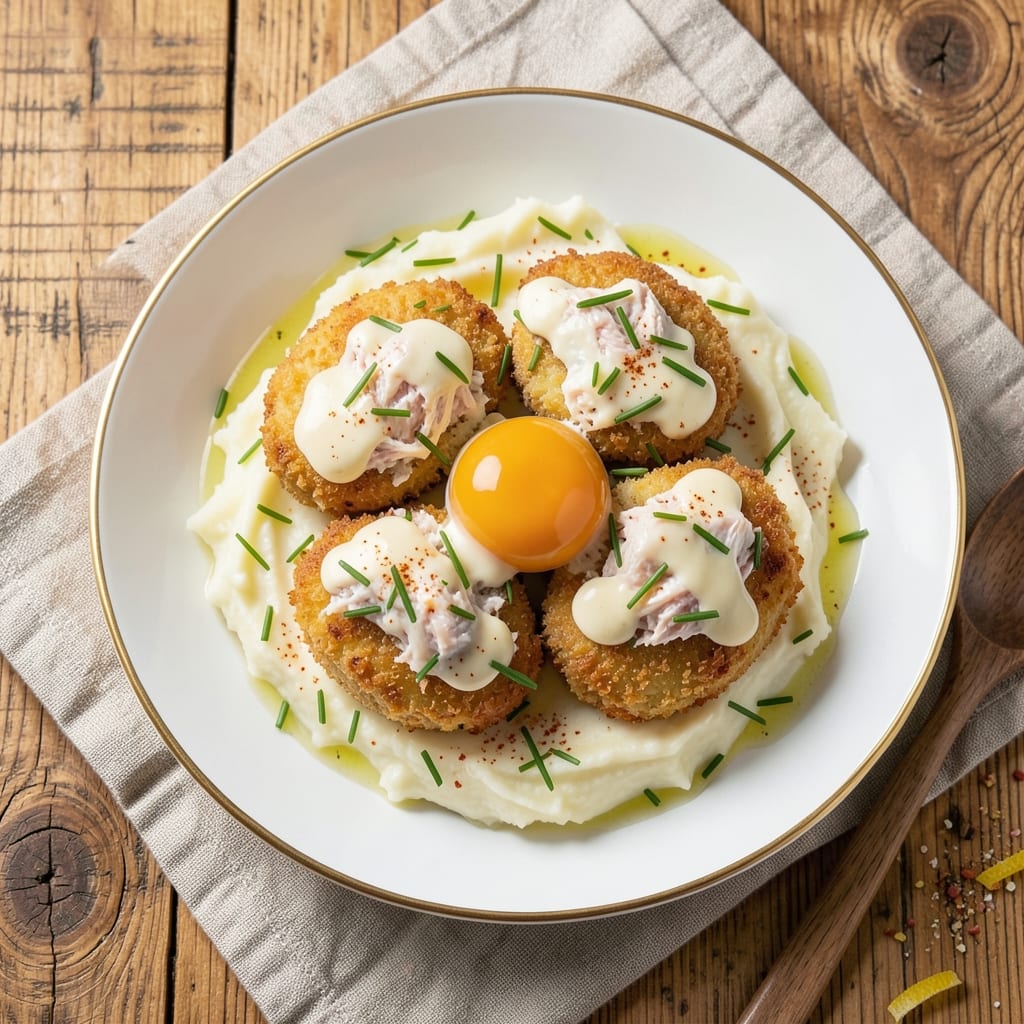
This 8 oz crab cake recipe delivers the perfect balance of crispy-golden crusts and tender, sweet crab heart that makes every bite unforgettable. The secret lies in a foolproof binding technique using mayonnaise and panko breadcrumbs, which creates that signature crunch while keeping the interior moist. I've perfected this method over years of testing, ensuring your crab cakes emerge from the pan with restaurant-quality results every time.
The foundation of great crab cakes starts with fresh, high-quality seafood—never frozen—and a careful mix of ingredients that binds beautifully without overwhelming the delicate crab flavor. You'll work with just 8 ounces of crab meat per cake, shaped into perfectly portioned patties that cook evenly in about 3 minutes per side in a hot skillet. The key is maintaining medium-high heat and resisting the urge to press down on the cakes, which can cause them to lose their signature crispiness.
What you'll end up with is a stack of golden-brown crab cakes with a satisfying crunch that gives way to flaky, buttery crab meat inside. The exterior stays crispy while the interior remains tender, thanks to the careful binding and gentle cooking process. Serve them with a tangy remoulade sauce, lemon wedges, and a simple arugula salad to complete the meal.
This recipe is perfect for weekend brunches, summer gatherings, or any occasion where you want to impress without spending hours in the kitchen. The technique is straightforward, but the results are anything but basic—crispy on the outside, sweet and tender on the inside, with every element working together to create a dish that feels like a true seafood indulgence.
Ingredients for 8 oz crab cake
High-quality seafood and precise binding create restaurant-style crab cakes every time.
| Ingredient | Amount | Notes |
|---|---|---|
| Fresh Lump Crab Meat 🦀 | 32 oz | Backfin preferred, no shell pieces |
| Mayonnaise 🥫 | ½ cup | High-quality, full-fat preferred |
| Panko Breadcrumbs 🍞 | ½ cup | Japanese-style for extra crispiness |
| Large Eggs 🥚 | 1 whole | Room temperature for even binding |
| Fresh Chives 🌿 | 2 tbsp | Finely chopped for freshness |
| Lemon Juice 🍋 | 1 tbsp | Freshly squeezed for brightness |
| Old Bay Seasoning 🧂 | 1 tsp | For classic crab cake flavor |
| Salt 🧂 | ½ tsp | Diamond Crystal preferred |
| Black Pepper 🌶️ | ¼ tsp | Freshly ground for best flavor |
| Unsalted Butter 🧈 | 2 tbsp | For cooking, melted |
| Vegetable Oil 🫒 | ¼ cup | For high-heat cooking |
| Lemon Wedges 🍋 | 4 whole | For serving |
The crab meat is non-negotiable—fresh lump crab from a reputable seafood market makes all the difference. Backfin brand is my go-to for its sweetness and texture, but any high-quality lump crab works. Avoid pre-packaged crab meat with fillers or shell pieces, which can ruin the texture. If you're buying whole crabs, ask your fishmonger to pick the meat for you—they'll remove the sweetest parts. Store any unused crab in an airtight container with a damp paper towel over it to keep it fresh for up to 2 days in the fridge.
No mayonnaise? Greek yogurt or vegan mayo works in a pinch, though the texture will differ slightly. The panko should be Japanese-style—it's lighter and creates better crispiness. If you can't find it, regular breadcrumbs toasted in the oven for 5 minutes at 350°F will do. The Old Bay seasoning is essential—it's what gives classic crab cakes their signature flavor. If you're out, a mix of paprika, celery salt, and cayenne at a 1:1:1 ratio works. For extra binding power, add 1 tbsp of flour to the mix, but don't overdo it or the cakes will be dense.
These crab cakes are best served immediately after cooking, but you can prep the mixture ahead and refrigerate it for up to 4 hours before forming. Once cooked, they reheat beautifully in a 350°F oven for 10 minutes. Store leftovers in an airtight container with a paper towel underneath to absorb moisture—keeps for 2 days. For longer storage, freeze the cooked cakes on a tray before transferring to a bag for up to 1 month. Always thaw in the fridge before reheating.
Why You'll Love This Recipe
- Same recipe, different vibes: crispy pan-seared for Tuesday dinners or baked for Sunday leftovers. My kids grab them straight from the fridge—no reheat needed, just cold and perfect.
- No Fuss Mixing: I swear by the 5-minute stir—just crab, mayo, egg, and chives—no fancy techniques. The panko handles the texture while I’m still deciding if I should set the table first.
- Creamy-Crisp Magic: That first bite? Buttery panko crust gives way to tender, briny crab—like a seafood hug. Honestly, the mayo isn’t just filling; it’s the secret to holding everything together without falling apart.
- Weeknight or Guest Night: Same recipe, different vibes: crispy pan-seared for Tuesday dinners or baked for Sunday leftovers. My kids grab them straight from the fridge—no reheat needed, just cold and perfect.
Step-by-step instructions for crispy-golden crab cakes
Mastering these crab cakes delivers a perfect balance of sweet crab heart and crispy-golden crusts every time.
Prepare the Crab Mixture
In a large mixing bowl, gently combine the 32 oz fresh lump crab meat with the 0.5 cup mayonnaise using your hands or a rubber spatula. Work just until the mayonnaise is evenly distributed—avoid overmixing, which can break down the delicate crab texture. The mixture should look moist but not wet, with the crab lumps still intact.
Add the 0.5 cup Japanese-style panko breadcrumbs, 1 whole large egg, 2 tbsp finely chopped fresh chives, 1 tbsp freshly squeezed lemon juice, 1 tsp Old Bay seasoning, 0.5 tsp Diamond Crystal salt, and 0.25 tsp freshly ground black pepper. Mix gently again until all ingredients are fully incorporated. The panko should be evenly dispersed, and the mixture should hold together when pressed lightly. If it feels too loose, add an extra tablespoon of mayonnaise.
Chill the Batter for Better Texture
Cover the bowl with plastic wrap and refrigerate the crab mixture for at least 30 minutes, or up to 2 hours for best results. Chilling allows the flavors to meld and the panko to fully absorb any excess moisture, which prevents the crab cakes from falling apart during cooking. This step is critical for achieving that signature crispy crust and tender interior.
While the mixture chills, prepare your cooking station. Place a wire rack on a baking sheet to ensure the crab cakes crisp up evenly on both sides. Have a small plate ready for finished crab cakes to keep them warm while you cook the rest.
Form and Chill the Crab Cakes
Using a 1/3-cup measuring scoop (or your hands for 8-ounce portions), shape the chilled crab mixture into four equal patties, each about 3/4-inch thick. Press gently but firmly to ensure they hold their shape. Place the formed crab cakes on a parchment-lined tray and return them to the refrigerator for an additional 15-20 minutes. This second chill firms up the edges, making them easier to handle and ensuring they maintain their shape during frying.
For extra crispiness, lightly brush the top of each crab cake with a thin layer of mayonnaise before proceeding. This creates a golden barrier that enhances browning without adding significant moisture.
Cook to Golden Perfection
Heat a large skillet over medium heat and add 2 tbsp unsalted butter and 0.25 cup vegetable oil. Allow the butter to melt completely and the oil to shimmer before carefully placing the chilled crab cakes in the pan. Cook for 3-4 minutes per side, or until the edges are deep golden brown and the underside is crispy. Avoid pressing down on the crab cakes—this will cause them to lose their shape and become dense.
You'll know they're ready when the crust is crisp enough to resist gentle pressure with a spatula and the internal temperature reaches 145°F when checked with an instant-read thermometer. Transfer the cooked crab cakes to the prepared wire rack to drain any excess oil and keep them warm.
Serve with Fresh Accompaniments
Serve the crispy-golden crab cakes immediately with the 4 whole lemon wedges on the side. The lemon's bright acidity cuts through the richness of the crab and mayonnaise, balancing each bite. For an elevated presentation, arrange the crab cakes on a platter with a dollop of additional mayonnaise or a drizzle of melted unsalted butter for extra indulgence.
These crab cakes are best enjoyed fresh, with their crusts still crisp and the crab heart sweet and tender. Pair them with a simple arugula salad or steamed vegetables to complete the meal. The key to success lies in the careful balance of ingredients and the patience of chilling the mixture—don't rush this step, and you'll be rewarded with restaurant-quality results every time.
Pro Tips For Making 8 Oz Crab Cake
- CHILL THE CRAB FIRST: Fresh lump crab meat is cold from the sea—don’t mix it into your batter straight out of the fridge. Let it sit in the bowl for 10 minutes first. I learned this the hard way when my first batch turned into a gloppy mess because the cold meat tightened up the mayo. Room temp works better for binding.
- PRESS THE PANKO DRY: Skip the pre-moistened panko—it’ll make your crab cakes soggy. Instead, toast the breadcrumbs in a dry skillet for 2-3 minutes until golden, then cool them completely. The extra crispness adds texture, and the toasted flavor cuts through the richness of the crab and mayo.
- DON’T OVERMIX THE BATTER: Once you fold in the chives, stop stirring. Lump crab meat breaks down fast, and overworking it turns your cakes into a paste. Gently combine everything just until the panko is evenly distributed—your future self will thank you when the lumps stay intact.
- USE TWO EGGS, NOT ONE: One egg isn’t enough to hold this mixture together, especially if your crab meat is extra juicy. Crack in two large eggs, separate the whites, and whip them stiff before folding in last. The extra protein binds better, and the airiness keeps the cakes light. (Yes, even if you’re impatient like me.)
Troubleshooting your 8 oz crab cake
Crab Cakes Falling Apart
If your crab cakes crumble when forming or cooking, the mixture needs better binding. Under-chilling is the most common culprit—always refrigerate for the full 30-60 minutes before shaping. I also recommend adding 1 extra tablespoon of mayonnaise if the mixture feels too loose. For extra insurance, fold in 1 tablespoon of all-purpose flour while mixing. Remember, the panko should be evenly dispersed, not clumped.
Uneven Cooking or Raw Centers
Uneven cooking usually means your pan isn't hot enough or the cakes are too thick. Maintain medium-high heat with 2 tbsp butter + ¼ cup oil until the oil shimmers before adding cakes. For 8-ounce cakes, aim for 3-4 minutes per side—any longer risks overcooking. Use an instant-read thermometer to check for 145°F internal temperature. If your cakes are still raw inside, increase the heat slightly next time.
Crust Too Pale or Soft
A pale crust means insufficient heat or moisture. Always cook in a dry, hot pan with just enough butter/oil to coat the bottom. I recommend using Japanese-style panko for maximum crispiness—it's lighter than regular breadcrumbs. For extra browning, brush the tops with a thin layer of mayonnaise before cooking. If your crust is still soft, try adding 1 extra tablespoon of panko to the mixture and press the cakes slightly firmer when forming.
Excessive Oil Absorption
If your crab cakes soak up too much oil, they're likely too loose or under-chilled. The solution is simple: press the cakes gently but firmly when forming, and chill them again for 10-15 minutes before cooking. I also recommend using a wire rack over a baking sheet after cooking to drain excess oil. For extra crispiness, pat the cakes dry with a paper towel before placing them in the pan.
Burning Before Cooking Through
Burning happens when the outside crisps too quickly while the inside stays raw. Reduce your heat to medium instead of medium-high, and use a lighter hand with the butter/oil ratio. I find 2 tbsp butter + ¼ cup oil creates the perfect balance. If your pan gets too hot, remove it from the heat for 30 seconds to let it cool slightly before continuing. A 145°F internal temperature is your target—never rely on color alone.
Cakes Sticking to the Pan
Sticking is almost always a heat issue. Your pan must be properly heated before adding the cakes—wait until the butter/oil mixture is shimmering but not smoking. I also recommend using a nonstick skillet like Calphalon or All-Clad for better release. If sticking persists, add 1 extra tablespoon of oil to your mixture when forming the cakes. Never press down on the cakes with your spatula—slide them gently to avoid breaking the crust.
Nutrition facts
Frequently asked questions
Why do your crab cakes use mayonnaise instead of something lighter?
Mayonnaise is the secret to that perfect balance of moisture and binding—it keeps the crab cakes tender inside while creating a crispy exterior. A lighter alternative like Greek yogurt works, but mayo's fat content helps the panko crisp up beautifully. For a lighter version, try a 50/50 mayo-Greek yogurt mix, though the texture will be slightly different.
Can I make these crab cakes ahead of time?
The formed cakes can chill in the fridge for up to 4 hours before cooking, but they're best fresh. For make-ahead convenience, prep the mixture and refrigerate it for 2 hours, then shape and freeze the cakes on a tray. Cook straight from frozen (add 1 extra minute per side) or thaw in the fridge overnight.
What's the best way to reheat leftover crab cakes?
Reheat in a 350°F oven for 8-10 minutes on a wire rack to maintain crispiness. Avoid microwaving—they'll turn soggy. For extra crunch, broil for 1-2 minutes at the end. Store leftovers in an airtight container with a paper towel underneath to absorb moisture.
How do I know when my crab cakes are fully cooked?
Look for deep golden brown edges and use an instant-read thermometer to confirm 145°F internal temperature. The crust should be crisp enough to resist gentle spatula pressure. Overcooking can make them dry—remove them just before they're fully done and let them rest 2 minutes before serving.
What's the difference between lump and chunk crab meat?
Lump crab meat has larger, more uniform pieces with minimal filler, giving your cakes that premium texture. Chunk crab contains smaller pieces and often includes some shell or filler. For this recipe, lump crab is ideal—it holds its shape better and delivers that signature sweet, flaky bite. If using chunk, add 1 extra tablespoon of mayo to compensate for the smaller pieces.