
Desserts
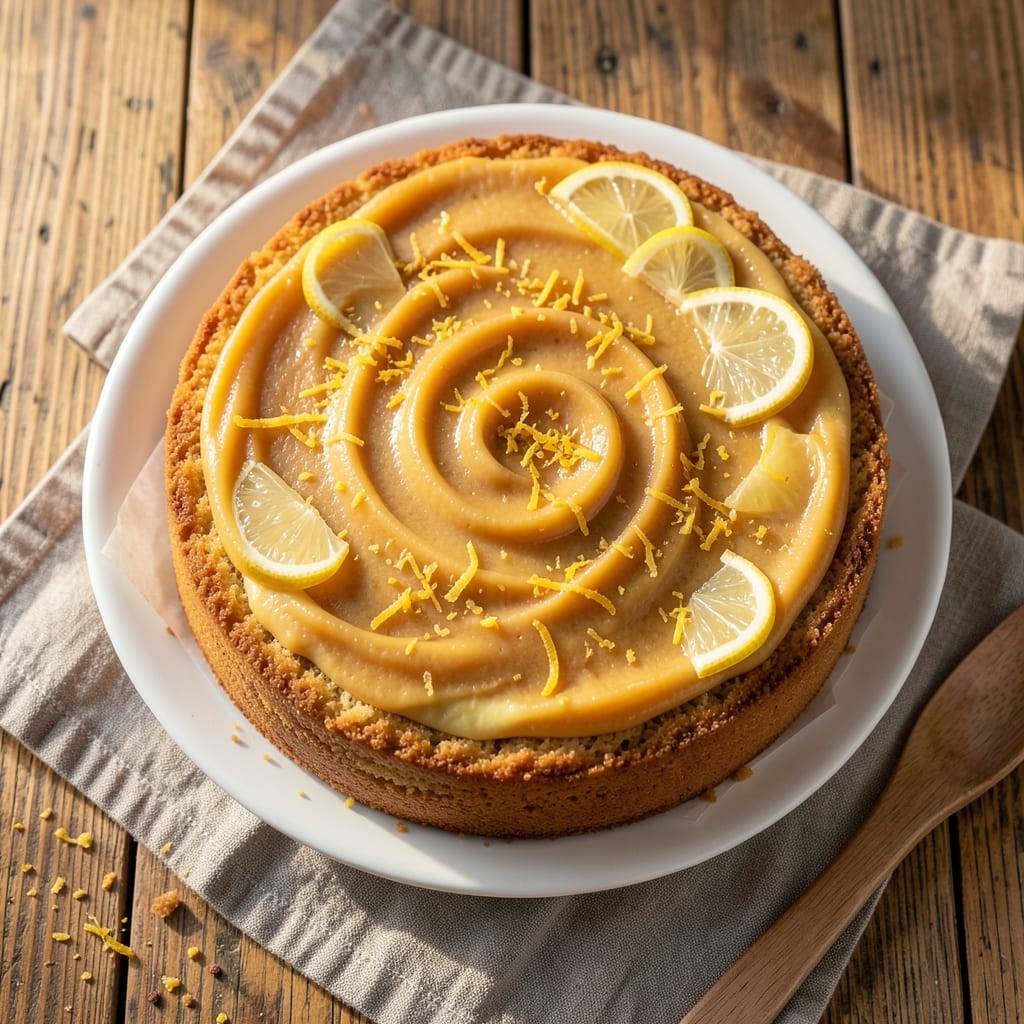
This 8-inch round lemon cake recipe delivers the perfect balance of bright citrus and tender layers, topped with velvety cream cheese frosting. The secret lies in the zesty lemon juice and zest, which infuse every bite with a refreshing tang that pairs beautifully with the buttery cake base. With precise measurements and a foolproof method, even beginners can achieve professional-quality results—no fancy techniques required.
The cake itself is light and moist, thanks to a simple yet effective combination of all-purpose flour, butter, and eggs, all folded together just until combined. Baking at 350°F ensures even cooking, while the cream cheese frosting adds a rich, slightly sweet contrast that complements the lemon’s sharpness. The result? A dessert that’s as elegant as it is delicious, perfect for birthdays, brunch, or any occasion calling for a showstopping treat.
What sets this recipe apart is its versatility—serve it plain for a clean, citrusy profile or garnish with powdered sugar and lemon slices for a pop of color. Pair it with a cup of black tea or a dollop of whipped cream to elevate it further. The frosting can also be adjusted for sweetness, making it customizable to your taste.
Ready in about 1 hour, this cake requires minimal effort but maximum reward. The layers stay moist for days, and the frosting holds its shape beautifully, making it ideal for slicing and serving. Whether you're baking for a special celebration or simply craving a homemade dessert, this recipe delivers restaurant-quality results with ease.
Ingredients for 8 inch round lemon cake
Bright citrus and buttery layers come together with just 13 simple ingredients.
| Ingredient | Amount | Notes |
|---|---|---|
| All-Purpose Flour 🌾 | 2 ½ cups | Sifted for even texture |
| Granulated Sugar 🍚 | 1 ½ cups | White or light brown |
| Unsalted Butter 🧈 | 1 cup | Room temperature, softened |
| Large Eggs 🥚 | 3 whole | Room temperature preferred |
| Fresh Lemon Juice 🍋 | ¾ cup | From 3-4 lemons, freshly squeezed |
| Lemon Zest 🍋 | 2 tbsp | Finely grated, from 2 lemons |
| Baking Powder 🍞 | 2 tsp | Diamond Crystal preferred |
| Salt 🧂 | ½ tsp | Fine sea salt |
| Vanilla Extract 🌿 | 1 tsp | Pure vanilla preferred |
| Cream Cheese 🧀 | 8 oz | Room temperature, full-fat |
| Powdered Sugar 🍚 | 3 cups | Sifted for smooth frosting |
| Heavy Cream 🥛 | ½ cup | Cold for stiff peaks |
| Lemon Slices 🍋 | 8 slices | Thin, for garnish |
The lemon juice and zest make or break this cake. Freshly squeezed juice from 3-4 lemons is non-negotiable—bottled juice lacks the depth. For zest, use a fine grater and only the outer yellow layer (avoid the bitter white pith). Most grocery stores carry lemons year-round, but Trader Joe's has the juiciest ones in my experience. The butter should be room temperature but not melted—press a finger into it, and it should leave a slight indent. Land O'Lakes unsalted or Plugrá brands work perfectly for this recipe.
No fresh lemons? Bottled lemon juice works in a pinch, but add 1 extra tablespoon of zest to compensate. The cream cheese can be Philadelphia or Kraft, but avoid low-fat versions—they don't whip as smoothly. For the frosting, powdered sugar should be sifted to avoid lumps, and the heavy cream must be very cold when whipped. If your frosting is too runny, chill it for 15 minutes before spreading. The cake layers can be baked 1 day ahead and stored in an airtight container at room temperature, but frosting should be made fresh for the best texture.
This cake keeps beautifully for 4-5 days at room temperature, wrapped tightly in plastic wrap. For longer storage, freeze the unfrosted layers for up to 3 months—thaw overnight in the fridge before frosting. The frosting can be made 1 day ahead and stored in the fridge, re-whipped briefly before use. Garnish with extra lemon slices or powdered sugar just before serving to keep it looking fresh. The cake pairs perfectly with a cup of Earl Grey tea or a dollop of Cool Whip for an extra touch of creaminess.
Why You'll Love This Recipe
- No Mixer Needed: I swear by this recipe when my mixer’s on the fritz—just creaming butter and sugar by hand gives it that perfectly light crumb. The eggs and lemon juice blend in like a dream, and honestly? The cake comes out better than half the boxed mixes I’ve tried.
- Zesty Magic: That fresh lemon juice—not bottled stuff—cuts through the richness of the butter and sugar, leaving you with a bright, tangy bite. It’s the kind of flavor that makes you reach for a second slice without guilt, especially when paired with a dusting of powdered sugar.
- Weeknight Hero: I’ve used this cake for everything: a quick breakfast with yogurt, a picnic dessert, or even a last-minute office treat. The 8-inch round pan means it’s just enough for two or three, and the batter’s forgiving if I double it (though I won’t tell you it’s always a good idea).
- Budget Bright Spot: Four simple ingredients, and I’m talking pantry staples—this cake costs me pennies per serving. The butter and sugar stretch far, and the lemons? A single fruit lasts for three batches. Leftovers? They’re my go-to for lunch the next day, wrapped in cling film like a little citrusy treasure.
Step-by-step instructions for 8-Inch round lemon cake
This method delivers a perfectly balanced cake with tender crumb, vibrant lemon flavor, and smooth cream cheese frosting.
Prepare the Cake Batter
Preheat your oven to 350°F and grease two 8-inch round cake pans, lining the bottoms with parchment paper. In a medium bowl, whisk together the 2.5 cups all-purpose flour, 2 teaspoons baking powder, and ½ teaspoon salt. Sift the mixture directly into a large mixing bowl to aerate the flour and prevent lumps.
In a separate large bowl, cream the 1 cup softened unsalted butter and 1.5 cups granulated sugar on medium speed with an electric mixer until light and fluffy, about 3-4 minutes. This step incorporates air, creating a tender cake texture. Add the 3 whole large eggs, one at a time, mixing well after each addition. Scrape down the sides of the bowl as needed.
In a small bowl, combine the ¾ cup fresh lemon juice and 2 tablespoons lemon zest. Slowly pour this mixture into the butter-sugar-egg mixture while mixing on low speed. Add the 1 teaspoon vanilla extract and mix until combined. With the mixer on low, gradually add the dry ingredients in three parts, mixing just until incorporated after each addition. Avoid overmixing, which can develop gluten and make the cake dense.
Bake the Lemon Layers
Divide the batter evenly between the prepared cake pans, smoothing the tops with a spatula. Bake for 25-30 minutes, or until a toothpick inserted into the center comes out clean and the edges pull away slightly from the pan. Rotate the pans halfway through baking for even heat distribution and even rise.
Here's the thing—don't open the oven door during the first 20 minutes of baking. The sudden temperature drop can cause the cakes to sink. When you do check, look for a golden top with slight browning around the edges. The cakes should spring back gently when pressed in the center.
Remove the cakes from the oven and let them cool in their pans for 10 minutes. Then invert them onto a wire rack to cool completely. This gradual cooling prevents cracking and ensures even texture throughout each layer.
Prepare the Cream Cheese Frosting
While the cakes cool, make the frosting by beating the 8 ounces cream cheese and 3 cups powdered sugar together in a large mixing bowl until smooth and creamy. Add the ½ cup cold heavy cream and mix until light and fluffy, about 2-3 minutes. The frosting should hold its shape when spread but still be pipeable.
I like to add a touch of lemon flavor to the frosting for harmony. Beat in 1 tablespoon of the reserved lemon juice and 1 teaspoon lemon zest until fully incorporated. This subtle enhancement ties the frosting to the cake's signature flavor without overpowering it.
Assemble and Garnish the Cake
Once the cakes are completely cool, place one layer on a cake stand or plate. Spread a generous layer of frosting over the top, leaving a small border around the edges. Place the second cake layer on top and spread the remaining frosting over the entire cake, creating a smooth surface.
For a professional finish, use a long metal spatula to smooth the frosting from the center outward. Create a swirl pattern by dragging the spatula through the frosting in gentle arcs. Arrange the 8 lemon slices evenly around the sides of the cake for a fresh, decorative touch.
Chill the cake in the refrigerator for at least 1 hour before serving. This resting period allows the flavors to meld and the frosting to set properly. The final result should be a perfectly balanced cake with moist lemon layers and velvety cream cheese frosting that complements rather than competes with the bright citrus notes.
Pro Tips For Making 8 Inch Round Lemon Cake
- Whisk Eggs Until Ribbon Stage: Stop when the batter stretches like taffy—about 30 seconds past when it looks "done." I used to over-whisk and end up with dense cake; now I count to 20 after the first stretch. Room-temperature eggs mix better, too, so pull them out 30 minutes early.
- Sift Flour Twice: The first sift removes lumps, but the second one aerates the flour—critical for a light crumb. Use a fine-mesh sieve and tap the bowl gently to distribute it evenly. (Yes, it’s extra work, but your cake will rise higher.)
- Don’t Overmix the Batter: Once you fold in the dry ingredients, stop mixing after 10 strokes. Overworking the batter develops gluten, and your cake will turn out tough. If the batter looks streaky, that’s fine—just don’t stir it again.
- Use a Toothpick Test: Check for doneness at 30 minutes, not when the timer dings. Insert a toothpick into the center—it should come out with a few moist crumbs, not wet batter. If it’s undercooked, tent with foil and bake another 5–10 minutes.
Essential equipment for this recipe
Must-Have Mixing Tools
Start with a stand mixer (like the KitchenAid Artisan Series) for creaming butter and sugar—it handles the job faster and more evenly than hand mixers. I’ve used mine for years, and it’s become my go-to for all cake recipes. For smaller batches or budget-friendly options, a hand mixer works fine, but be prepared to mix longer for that light, fluffy texture. 💡
A medium mixing bowl (8-10 cups) is essential for combining wet ingredients, while a large bowl (12+ cups) keeps dry ingredients from spilling over when sifting. I keep a set of stainless steel bowls from OXO—they’re durable, non-reactive, and easy to clean. Avoid glass bowls for creaming butter, as they can crack under cold temperatures.
Precision Measuring Essentials
Accurate measurements are key for this cake’s balance. Invest in a digital kitchen scale (like the OXO Good Grips) for dry ingredients—it’s more precise than measuring cups, especially for flour. For liquids, use a liquid measuring cup with clear markings (I love the Pyrex 2-cup version). A microplane (like the Bentgo) is a game-changer for zesting lemons—it’s faster and more consistent than a grater. 🍋
Baking Pans and Cooling Gear
Two 8-inch round cake pans with removable bottoms (like Wilton Perfect Results) ensure even baking and easy release. Grease them with butter and flour or use a non-stick spray (I prefer Baker’s Joy) to prevent sticking. For cooling, a wire rack is a must—it allows air to circulate and prevents soggy bottoms. I keep one in my kitchen at all times, and it’s worth every penny. ⚡
Frosting Tools for Pro Results
A paddle attachment for your mixer (included with most stand mixers) whips the frosting to perfection. For spreading, a long metal offset spatula (like Ateco 500) creates smooth, professional swirls. A piping bag with a star tip (size 1M) adds decorative flair if you want to get fancy. I also keep a small spatula for scraping frosting into the bowl—it’s a lifesaver! 💫
Optional Upgrades
If you love lemon cakes, a lemon zester (like Microplane’s dedicated tool) speeds up zesting for future recipes. For garnishes, edible gold leaf or powdered sugar shakers elevate presentation. I’ve also found that a cake turntable (like Wilton’s 12-inch) makes frosting and decorating a breeze—it’s a splurge, but worth it for cake enthusiasts. 🌟
Nutrition facts
Frequently asked questions
Why does this recipe use two 8-inch layers instead of one larger cake?
Two layers create a more elegant presentation and better flavor balance. The cream cheese frosting between layers adds moisture and richness that a single layer can't achieve. Plus, an 8-inch round cake would be too dense and heavy—this size is perfect for serving 8 people with generous slices!
Can I substitute bottled lemon juice if I don't have fresh lemons?
Yes, but add 1 extra tablespoon of lemon zest to compensate for the lost freshness. Bottled juice lacks the aromatic oils found in freshly squeezed juice, which are key for that bright citrus flavor. For best results, use a high-quality bottled lemon juice like ReaLemon or Minute Maid RealSqueezed.
How do I fix a cracked cake top?
Cracks usually happen from overmixing or opening the oven too soon. To salvage it, brush the cracks with simple syrup (equal parts sugar and water, heated until dissolved) and cover with extra frosting. The frosting will camouflage the cracks while adding moisture. For next time, mix just until combined and avoid opening the oven in the first 20 minutes of baking.
Can I make this cake in a different size pan?
For best results, stick to 8-inch round pans—this recipe is designed for that specific size. If you must adjust, use two 9-inch round pans but reduce baking time by 2-3 minutes (check with a toothpick). Never use a single larger pan—the cake would be too dense. The frosting quantity is also calculated for two 8-inch layers.
How can I make this cake gluten-free?
Replace the all-purpose flour with a 1:1 gluten-free baking flour blend (like Bob's Red Mill or King Arthur Measure for Measure). Add ½ teaspoon xanthan gum to help bind the cake. You may also need to reduce the baking powder to 1.5 teaspoons and increase the lemon juice by 2 tablespoons to compensate for the different texture. Always test with a small batch first!