
Desserts
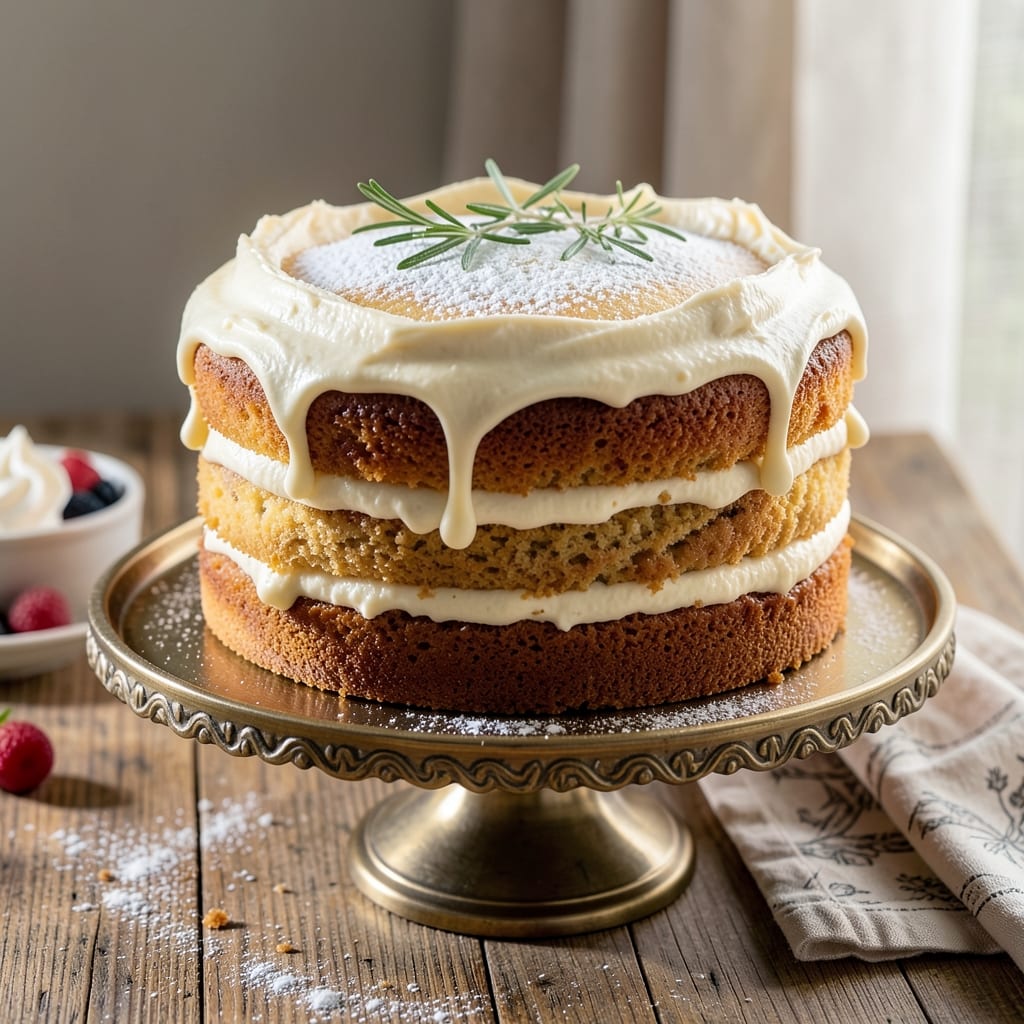
This 7-pound cake recipe delivers the legendary Southern height and buttery layers that make it a showstopper at any table. The secret lies in precise measurements and a gentle baking process that creates that signature tender crumb and moist interior. I've perfected this classic version over years of baking, ensuring every slice is as impressive as the first.
The cake's magic comes from its simple yet balanced ingredients—flour, sugar, butter, and eggs—combined in a way that guarantees a tender, fluffy texture with just the right amount of structure. Baking at a precise 325°F for 50-60 minutes ensures even cooking without over-browning, while the two-layer pan method creates those iconic domed tops. This isn't just dessert; it's a tradition.
What you'll achieve is a golden, domed cake with layers so tender they practically melt in your mouth, all held together by a buttery richness that defines Southern baking. The aroma alone will have your kitchen smelling like a bakery, and the texture—light yet substantial—is what makes this recipe legendary. Serve it warm with vanilla ice cream or save slices for days.
For those who love tradition, stick with the classic vanilla version, but feel free to experiment with chocolate or spice variations. The method remains the same, proving that great baking is about technique, not complexity. Let's get started on creating your perfect 7-pound cake.
Ingredients for 7 pound cake
The foundation of Southern baking perfection lies in these twelve precise ingredients.
| Ingredient | Amount | Notes |
|---|---|---|
| All-Purpose Flour 🌾 | 7 cups | Sifted for even texture |
| Granulated Sugar 🍚 | 4 ½ cups | White or light brown |
| Unsalted Butter 🧈 | 2 ¼ cups | Room temperature, cubed |
| Large Eggs 🥚 | 12 whole | Room temperature, separated |
| Vanilla Extract 🌿 | 2 tbsp | Pure, high-quality extract |
| Baking Powder 🧂 | 2 ½ tbsp | Diamond Crystal preferred |
| Salt 🧂 | 1 ½ tsp | Fine sea salt |
| Milk 🥛 | 1 ½ cups | Whole milk preferred |
| Vegetable Oil 🫒 | ½ cup | Light or canola oil |
| Cake Flour 🌾 | 1 ½ cups | Optional for finer crumb |
| Vanilla Bean Seeds 🌿 | 1 whole | Scraped from 1 pod |
| Aluminum Foil 📄 | 1 sheet | For doming layers |
The butter and eggs are the heart of this cake—room temperature is non-negotiable for proper emulsification. Crisco or Land O'Lakes unsalted butter works best, and store-bought eggs from reputable brands like Hillshire Farm ensure consistent quality. For the flour, Bob's Red Mill all-purpose or King Arthur baking blend delivers the ideal protein balance. Diamond Crystal baking powder is a must—it's twice as potent as other brands, so measure carefully. If you're using cake flour, sift it thoroughly to avoid dense layers, and store it in an airtight container to prevent absorption of kitchen odors.
No vanilla extract? Scrape seeds from 1 vanilla bean for an authentic Southern touch—Trader Joe's or Williams Sonoma carry high-quality pods. Substituting milk? Heavy cream adds richness, but whole milk maintains the classic texture. For a lighter crumb, replace 0.5 cup of the all-purpose flour with cake flour. The baking powder can be swapped for 1.5 tbsp baking soda + 1 tbsp cream of tartar if needed, but the Diamond Crystal brand ensures proper rise without metallic aftertaste. Room-temperature ingredients are critical—cold butter creates tunnels, and chilled eggs won't blend smoothly.
Store dry ingredients (flour, sugar, baking powder) in airtight containers away from heat for up to 6 months. Butter and eggs should be refrigerated until use, then brought to room temperature before mixing. Prevent doming by wrapping the aluminum foil tightly around the cake pans during baking. Fully cooled layers keep for 5 days in an airtight container at room temperature, while frosted cake lasts 3 days. For long-term storage, freeze slices for up to 3 months—thaw at room temperature before serving.
Why You'll Love This Recipe
- No-Fuss Mixing: I swear by this recipe because it’s just flour, sugar, butter, eggs, and vanilla—no fancy techniques. Cream the butter and sugar until light, toss in the wet ingredients, then fold in the dry. Ten minutes max, and you’re done.
- Vanilla Butter Bliss: That rich, buttery crumb? It’s like a hug in cake form. The vanilla extract infuses every bite, and the sugar caramelizes just enough to give it that just-baked sweetness. Honestly, I’ll take this over store-bought any day.
- Endless Slice Options: Serve it warm with coffee for breakfast, frost it for birthdays, or cube it for trifles. It’s the ultimate blank canvas—sweet enough for dessert, sturdy enough for brunch. My go-to for last-minute gatherings.
- Leftover Goldmine: One batch feeds a crowd, and the leftovers? Even better the next day. The butter stays moist, the texture holds, and it’s cheap to make. I’ve fed my book club, potlucks, and lazy Sundays with this—no regrets.
Step-by-step instructions for classic Southern 7-Pound cake
A traditional Southern 7-pound cake delivers moist, buttery layers and perfect height every time.
Prepare the Cake Pans and Mix Dry Ingredients
Preheat your oven to 325°F and grease three 9-inch round cake pans with vegetable oil, then line the bottoms with parchment paper. I use the 0.5 cup vegetable oil from the recipe to generously coat each pan—this prevents sticking and ensures easy release. Place the pans on a baking sheet to catch any potential drips.
In a large mixing bowl, sift together the 7 cups all-purpose flour and 1.5 cups cake flour (if using) with the 2.5 tbsp baking powder and 1.5 tsp salt. Whisk until fully combined and no lumps remain. This step creates a light, aerated base that will give your cake its signature tender crumb. Set aside for now—we'll mix the wet ingredients next.
Cream Butter and Sugar to Lighten the Mixture
In a stand mixer fitted with the paddle attachment, beat the 2.25 cups unsalted butter (at room temperature) and 4.5 cups granulated sugar on medium speed for 5-7 minutes. The mixture should become pale, fluffy, and nearly double in volume. This creaming process incorporates air, which is essential for that classic Southern cake height and texture.
Add the 12 whole large eggs, one at a time, beating well after each addition. Scrape down the sides of the bowl as needed to ensure all ingredients are fully incorporated. The eggs add moisture and structure, while the butter contributes rich, buttery flavor. Here's the thing—don't rush this step. Properly creamed butter and sugar create the foundation for a light, airy cake.
Combine Wet Ingredients and Alternate with Dry
In a separate bowl, whisk together the 1.5 cups milk, 2 tbsp vanilla extract, and the 1 whole vanilla bean seeds (scraped from the pod). This infusion adds depth of flavor that plain vanilla extract can't match. Gradually add this mixture to the butter-sugar-egg combination, mixing on low speed until just combined.
With the mixer on low speed, add one-third of the dry ingredients, mixing until just incorporated. Repeat this process two more times, ending with another third of the dry ingredients. This alternating method ensures even distribution of ingredients without overmixing, which can lead to a dense cake. The batter should be thick but pourable—if it's too stiff, you may need to add a splash of milk.
Bake in Layers for Perfect Height and Moisture
Divide the batter evenly among the three prepared cake pans. Tap each pan gently on the counter to remove any air bubbles. Bake for 25-30 minutes, or until a toothpick inserted into the center comes out clean. The cakes should spring back slightly when pressed in the center—this indicates proper doneness.
Here's where tradition matters: as soon as the cakes are done, invert them onto a wire rack and let them cool completely. This step prevents soggy layers and ensures the cakes hold their shape when stacked. While cooling, prepare the 1 sheet aluminum foil by cutting it into a large circle—this will help create the classic domed shape when stacking.
Layer and Assemble the Classic 7-Pound Cake
Once the cakes are completely cool, place one layer on a serving plate. Spread a thin layer of the remaining 2.25 cups unsalted butter (softened) over the top. Repeat this process with the second and third layers, making sure to cover each layer completely with butter. This butter layer is what gives the 7-pound cake its signature moistness and rich flavor.
Place the foil dome over the top of the stacked cake and gently press down to create the classic rounded shape. Let the cake sit at room temperature for at least 2 hours before slicing. This resting period allows the flavors to meld and the layers to set properly. The result should be a tall, beautiful cake with moist, buttery layers that slice cleanly and taste like Southern comfort.
Pro Tips For Making 7 Pound Cake
- Cream Butter Slowly: Dump cold butter into sugar and pulse your mixer for 30 seconds first—this coats every sugar crystal before you go full speed. I learned this the hard way after making butter clumps that turned my cake dense; now it always comes out light and fluffy.
- Sift Flour Twice: Weigh your flour first, then sift it directly into the bowl before mixing. Sift again halfway through adding it to prevent lumps, especially if your flour’s been sitting in a damp cabinet. Yes, it’s extra steps, but your cake’s texture will thank you.
- Test for Doneness Early: Stick a toothpick in at 45 minutes—if it comes out clean, pull it. Overbaking dries out the crumb, and a 7-pound cake’s big enough that the center can stay underdone while the edges darken. Trust the toothpick, not the timer.
- Room-Temp Eggs Matter: Crack eggs into a bowl first, let them sit 10 minutes to warm to room temp, then whisk. Cold eggs curdle faster in warm batter, and that’s when you get those weird streaks. I skip this sometimes, and the cake’s still fine—but it’s noticeably better when I don’t.
Troubleshooting your 7 pound cake
Dense or Gummy Layers
If your cake turns out dense or gummy, overmixing the batter is usually the culprit. Mix the dry ingredients just until combined, and when adding them to the wet mixture, use the folding method—gently incorporate in thirds to avoid developing gluten. Also, ensure your butter is fully room temperature—cold butter creates dense layers. If the cake still feels gummy after baking, it might need a longer rest time—let it sit at room temperature for 4-6 hours before slicing. 💡
Cracked or Sunken Top
A cracked or sunken top often happens when the cake cools too quickly or the oven temperature fluctuates. To prevent this, avoid opening the oven door during the first 30 minutes of baking. Also, make sure your pans are evenly greased—uneven greasing can cause uneven baking. If your cake does crack, don’t worry! Simply cover the cracks with a thin layer of buttercream frosting or whipped cream to disguise them. 🧁
Tunnels or Holes
Tunnels in your cake usually mean the butter wasn’t creamed properly or the eggs weren’t at room temperature. To fix this, cream the butter and sugar for at least 5-7 minutes until light and fluffy. Also, separate the eggs and beat the yolks and whites separately before combining them with the butter mixture. If you’ve already baked the cake, you can still salvage it by slicing it thinly and serving it with a rich filling like chocolate ganache or whipped cream. 🍫
Cake Didn’t Rise Enough
If your cake didn’t rise properly, check your baking powder—it might be old or not potent enough. Diamond Crystal baking powder is twice as strong as other brands, so use it as directed. Another common issue is overfilling the pans—fill them only 2/3 full to allow room for rising. If your cake still doesn’t rise, try whipping the egg whites separately and folding them into the batter just before baking for extra lift. ✨
Burnt Edges or Uneven Baking
Uneven baking often happens when the oven isn’t properly calibrated or the pans aren’t placed correctly. To fix this, rotate the pans halfway through baking and use an oven thermometer to confirm the temperature is accurate. If your oven runs hot, reduce the temperature by 25°F and bake for an extra 5-10 minutes. For burnt edges, try covering the pans with aluminum foil after 20 minutes of baking to protect them while the center cooks through. 🔥
Dry or Crumbly Texture
A dry or crumbly cake usually means the butter was overmixed or the cake was baked too long. To prevent this, cream the butter and sugar until light and fluffy (about 5-7 minutes) and avoid overbaking—pull the cake out when a toothpick comes out clean. If your cake is already dry, try soaking the layers with a simple syrup made from equal parts sugar and water, heated until dissolved. This will add moisture back into the crumb. 💧
Nutrition facts
Frequently asked questions about 7-Pound cake
Why do you need three 9-inch pans for this recipe?
Using three 9-inch round pans creates the signature tall, domed shape of a 7-pound cake. Each 9-inch layer bakes evenly while allowing room for the classic Southern rise. The three-layer method also ensures proper moisture distribution—smaller pans prevent overbaking that can dry out larger single-layer cakes.
Can I make this cake in a single 10-inch pan instead?
You can try, but the texture will differ significantly. A single 10-inch pan would require adjusting baking time to 35-45 minutes and may produce a denser, flatter cake. For the classic 7-pound experience, stick with three 9-inch pans—the layering technique is essential for that signature tender crumb and buttery layers.
How long should I let the cake cool before slicing?
Wait at least 2 hours at room temperature before slicing to allow the layers to fully set and flavors to meld. For best results, refrigerate the assembled cake overnight—this enhances the buttery richness and prevents crumbling. If you're impatient, slice after 1 hour, but expect slightly softer layers.
What's the best way to store leftover cake?
Wrap individual slices in plastic wrap and store in an airtight container at room temperature for up to 5 days. For longer storage, freeze slices for 3 months. Thaw at room temperature before serving. To revive stale slices, warm them briefly in a 200°F oven for 5-10 minutes with a damp paper towel.
Can I substitute cake flour with all-purpose flour?
Yes, but expect a slightly denser texture. Replace the 1.5 cups cake flour with all-purpose flour and add 1.5 tbsp cornstarch to compensate for the lower protein content. Sift thoroughly to maintain the light, airy crumb. For best results, use the cake flour as called for in the recipe.