
Desserts
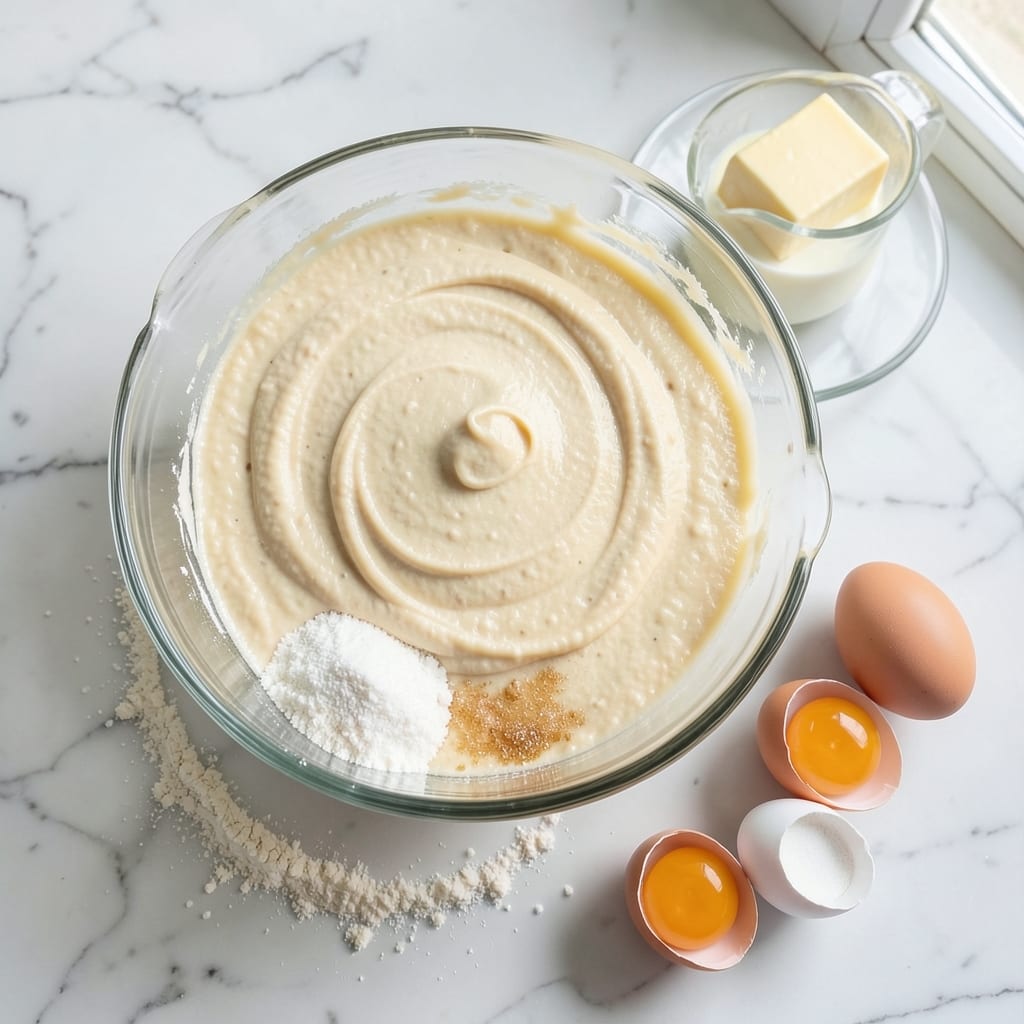
This 7-cup cake recipe in Tamil delivers fluffy, fragrant layers baked perfectly in a single tin—no complicated folding or layering required. The secret lies in a foolproof technique that creates tender crumbs and moist centers, inspired by traditional South Indian baking methods. Whether you're celebrating a festival or treating yourself to a simple dessert, this recipe delivers restaurant-quality results with minimal effort.
The beauty of this one-tin wonder is its simplicity: just 7 cups of ingredients (including flour, sugar, and butter) come together to create a cake that’s light yet sturdy, with a subtle vanilla-cardamom aroma that’s pure comfort. The baking process is straightforward—350°F for 30-35 minutes—but the magic happens in the mixing, where whipped egg whites and baking powder work together to create those signature airy layers. No special equipment needed, just a standard oven and a little patience.
Once out of the oven, you’ll have a cake that’s golden brown on top with a tender crumb that crumbles just enough for perfect tea dunking. Serve it warm with a drizzle of sugar syrup or a dusting of powdered sugar, or let it cool slightly before slicing into generous portions that disappear too quickly. This is the kind of cake that feels like a hug—homemade, fragrant, and impossible to resist.
For a South Indian twist, add a pinch of cardamom to the batter or fold in grated coconut for extra texture. Pair it with masala chai or a cup of filter coffee for the ultimate dessert experience. Ready to bake?
Ingredients for 7 cup cake recipe in tamil
Twelve simple ingredients transform into a fragrant, South Indian-inspired cake with tender layers.
| Ingredient | Amount | Notes |
|---|---|---|
| All-Purpose Flour 🌾 | 2 ½ cups | Sifted for light texture |
| Granulated Sugar 🍚 | 1 ½ cups | White or light brown preferred |
| Unsalted Butter 🧈 | 1 cup | Softened to room temperature |
| Large Eggs 🥚 | 4 whole | Room temperature for best mixing |
| Milk 🥛 | 1 cup | Whole milk for richness |
| Baking Powder 🍞 | 2 tsp | Diamond Crystal preferred |
| Salt 🧂 | ½ tsp | Fine sea salt preferred |
| Pure Vanilla Extract 🌿 | 1 tbsp | High-quality for authentic flavor |
| Ground Cardamom 🌶️ | ½ tsp | Freshly ground for aromatic punch |
| Shredded Coconut 🥥 | ½ cup | Sweetened or unsweetened |
| Powdered Sugar 🍚 | ½ cup | For dusting finished cake |
| Lemon Zest 🍋 | 1 tbsp | Freshly grated for brightness |
The flour and sugar form the foundation of this cake's signature texture. Mavalli or Maida flour from Indian grocery stores elevates authenticity, but all-purpose works perfectly. For the sugar, Khand sugar (jaggery) can replace half the granulated for a deeper caramel note, though white sugar keeps the texture light. The butter should be room temperature and well-creamed—this is non-negotiable for those signature airy layers. Amul or Kwality Wall's brands are reliable choices if you're in India, while Land O'Lakes or Plugrá work well abroad. Cardamom is the soul of this cake; green cardamom pods toasted and ground deliver the most complex flavor profile.
No baking powder? Baking soda plus cream of tartar at half the amount works in a pinch. Substituting milk? Coconut milk or yogurt adds richness but may alter the crumb slightly. The shredded coconut can be omitted if you prefer a simpler texture, but it adds that South Indian crunch that pairs perfectly with chai. For a vegan adaptation, replace eggs with flax eggs (1 tbsp ground flaxseed + 3 tbsp water per egg) and use plant-based butter. The lemon zest can be skipped if you prefer a sweeter profile, but it brightens the cardamom's warmth beautifully. Pre-measure everything before starting—this cake relies on precise ratios for its foolproof results.
Store the cake in an airtight container at room temperature for up to 3 days or refrigerate for 5 days. For longer storage, wrap tightly in plastic and freeze for 3 months. The cake reheats beautifully—wrap a slice in foil and warm in the oven at 300°F for 5 minutes to restore its tender crumb. I always make a double batch: one for immediate serving and one to freeze for special occasions. The cardamom flavor actually deepens slightly over time, making leftovers even more rewarding.
Why You'll Love This Recipe
- No Mixer Needed: I swear by this one—just fold the dry ingredients into the butter-egg-milk mix with a spatula. No electric mixer, no fuss, and the batter comes together smoother than my aunt’s famous payasam every time.
- Butter-Kiss Moisture: That creamed butter and sugar combo? It’s the secret weapon—light, fluffy crumb that stays tender for hours. Honestly, the first time I tasted it, I thought, "Why didn’t I do this sooner?" The eggs add that rich, velvety bite too.
- Bakes in a Flash: Thirty minutes from start to finish—no waiting around. I’ve even pulled this off for last-minute puja snacks or when my mom-in-law drops by unannounced. The cake’s done before the kettle boils for tea.
- Budget-Friendly Magic: Five basic pantry staples, and it feeds six. I make two batches, freeze one, and still save enough for my savings jar. Between us, this is the cake that actually lets you splurge on real butter instead of margarine. Worth it.
Step-by-step instructions for Tamil-inspired 7-Cup cake
Here's the precise method for creating that signature layered texture and fragrant aroma.
Prepare the Cake Batter
In a large mixing bowl, combine the 2.5 cups All-Purpose Flour, 2 tsp Baking Powder, 0.5 tsp Salt, and 0.5 tsp Ground Cardamom. Sift this dry mixture together to eliminate any lumps and aerate the flour for a lighter texture. Set aside.
In a separate bowl, cream the 1 cup Unsalted Butter with the 1.5 cups Granulated Sugar using an electric mixer on medium-high speed for 3-4 minutes. The mixture should become light and fluffy, nearly doubling in volume. This step is crucial for incorporating air that will create those signature fluffy layers.
Add the 4 whole Large Eggs one at a time, mixing well after each addition until fully incorporated. Scrape down the sides of the bowl to ensure even mixing. Stir in the 1 tbsp Pure Vanilla Extract and 1 tbsp Lemon Zest, then gradually pour in the 1 cup Milk while mixing on low speed.
Combine Wet and Dry Ingredients
With the mixer on low speed, gradually add the sifted dry ingredients to the wet mixture. Mix just until combined—you should still see some flour streaks. Overmixing develops gluten, which can make the cake dense. Stop mixing as soon as the batter comes together smoothly.
Fold in the 0.5 cup Shredded Coconut using a spatula, ensuring even distribution throughout the batter. The coconut will add both texture and that distinctive South Indian flavor profile. The batter should be thick but pourable—similar to a well-made pound cake batter.
Bake the Cake Layers
Preheat your oven to 350°F. Grease a 9-inch round cake pan thoroughly with butter and line the bottom with parchment paper. Pour half of the batter into the prepared pan and spread it evenly. Bake for 20-25 minutes until the top is golden brown and a toothpick inserted in the center comes out clean.
Remove the pan from the oven and let the first layer cool in the pan for 5 minutes. While it cools, prepare the 0.5 cup Powdered Sugar mixed with 1-2 tbsp Milk to create a simple glaze. Pour the remaining batter into the pan and bake for another 20-25 minutes until fully set.
Assemble and Finish the Cake
Once both layers are completely cooled, carefully remove them from the pan. Place the first layer on a serving plate and spread a thin layer of the powdered sugar glaze on top. This glaze not only adds sweetness but also helps create that signature layered look when assembled.
Place the second layer on top and gently press down. Dust the entire cake with additional powdered sugar for a professional finish. The cardamom and lemon zest will infuse the cake with aromatic warmth and bright citrus notes, making each slice fragrant and flavorful.
Pro Tips For Making 7 Cup Cake Recipe In Tamil
- MEASURE BUTTER COOL: Take your unsalted butter straight from the fridge—room temperature ruins the texture. I learned this the hard way when my first batch turned greasy instead of fluffy. Cut it into small cubes and let it sit for 30 minutes only if your kitchen is cold (yes, even if you’re impatient like me).
- WHISK EGGS FIRST: Beat your eggs and sugar until they’re pale and tripled in volume before folding in flour. I used to mix everything together and ended up with a dense, brick-like cake. This step ensures air gets trapped—non-negotiable for that light, cloud-like crumb.
- DON’T OVERMIX FLOUR: Fold in the dry ingredients just until combined—lumpy is better than smooth. I skipped this once and got a tough, chewy cake. The moment flour hits the wet mix, stop stirring. Your future self will thank you.
- BAKE UNTIL 200°F: Check doneness at 190°F—pull it when the center hits 200°F. I’ve burned cakes waiting for the toothpick test, only to have them collapse later. A thermometer is worth the small investment; guesswork leads to sad, gummy results.
Storing and reheating this recipe
Room Temperature Storage
Keep your cake in an airtight container at room temperature for up to 3 days—this preserves its moist texture and fragrant cardamom aroma. I use a glass Pyrex container with a tight-sealing lid to maintain freshness. The cake’s tender crumb stays perfect when stored this way, making it ideal for daily tea-time treats. 💛
Refrigerator Refresh
For longer storage, refrigerate the cake for up to 5 days in the same airtight container. Before serving, let it sit at room temperature for 10-15 minutes to restore its softness. The cold air can make the crumb slightly denser, so this step is key. I often refrigerate a batch to enjoy over the week with masala chai—the flavors meld beautifully in the cooler. ❄️
Freezer Magic
For 3 months of storage, wrap the cake tightly in plastic wrap followed by aluminum foil to prevent freezer burn. Label with the date and freeze. When ready to serve, thaw overnight in the fridge or at room temperature. For a quick treat, microwave a slice for 10-15 seconds—just enough to warm it without drying out the crumb. 🧊
Reheating Secrets
To revive the cake’s texture, wrap a slice in foil and warm in a 300°F oven for 5 minutes. This gentle heat restores moisture without overcooking. For a faster option, microwave on low power for 10 seconds, then let it rest for 30 seconds before serving. The cardamom flavor intensifies slightly when reheated, making it even more comforting. 🔥
Layered Serving Tips
Slice the cake with a serrated knife for clean, even layers. Serve warm with a drizzle of sugar syrup (simmer ½ cup sugar + ¼ cup water for 3 minutes) or a dusting of powdered sugar. For extra flair, top with toasted coconut flakes or a sprinkle of ground cardamom. The contrast of warm cake and cool chai is pure South Indian bliss. 🍵
Nutrition facts
Frequently asked questions
Why does this cake recipe use only 7 cups of ingredients?
This clever ratio creates a perfectly proportioned cake with minimal waste. The 7 cups include the essentials (flour, sugar, butter, and liquids) while keeping the batter light and fluffy. This method is inspired by traditional South Indian baking where precision matters more than quantity. The result is a tender, moist cake that serves 12 generous slices without being overly dense.
Can I make this cake without eggs?
Yes! For an eggless version, replace the 4 eggs with 4 flax eggs (1 tbsp ground flaxseed + 3 tbsp water per egg). Let the mixture sit for 5 minutes to thicken before using. The texture will be slightly denser but still moist. This adaptation works well for dietary restrictions while keeping the cardamom-coconut flavor intact.
How do I know when the cake is fully baked?
Insert a toothpick into the center—it should come out clean with no wet batter clinging. The edges should pull away slightly from the pan, and the top should be golden brown. For this recipe, baking times of 20-25 minutes per layer at 350°F are standard, but ovens vary. If unsure, err on the side of slightly underbaking—cakes finish cooking as they cool.
What makes this cake different from regular vanilla cake?
The magic lies in the cardamom, coconut, and lemon zest—these create a fragrant South Indian profile that's lighter than traditional vanilla. The two-layer baking technique (with cooling between layers) ensures airy texture, while the powdered sugar glaze adds a delicate sweetness. It's essentially a spiced, tropical vanilla cake with a signature crumb.
Can I bake this in a different pan size?
For a 9-inch round pan, use the full recipe. For an 8-inch pan, reduce baking time by 5 minutes per layer (watch closely). For a 10-inch pan, increase time by 5 minutes per layer. Always grease pans thoroughly and use parchment paper on the bottom. The key is maintaining the 1.5-inch layer thickness for even baking.