
Desserts
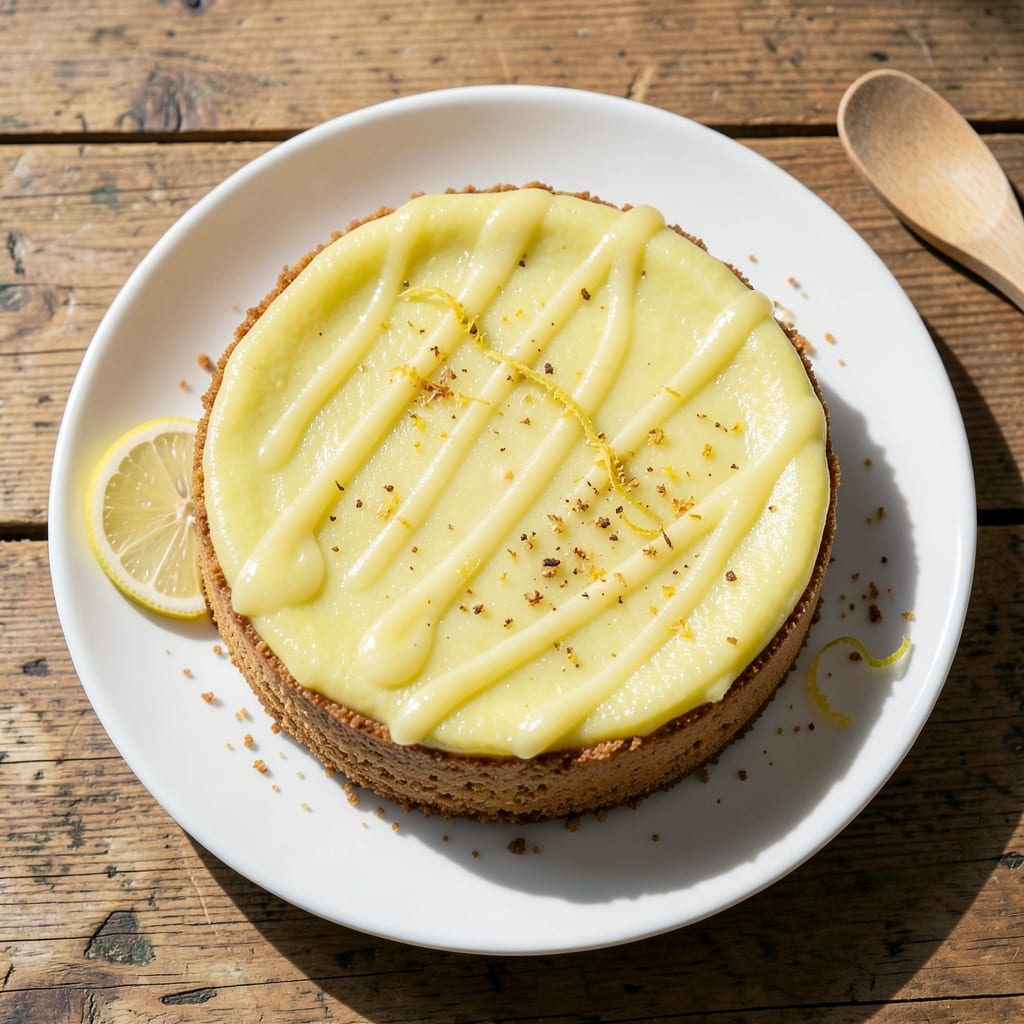
A 6-inch lemon cheesecake brings bright, tangy sunshine to your dessert table—all baked in one simple tin with no fuss. This recipe delivers a perfectly balanced treat: a zesty lemon crust that holds its shape, creamy swirls of lemon curd, and a velvety top layer that never cracks. The secret lies in the water bath method and precise timing, ensuring a smooth, jiggly center every time.
What sets this lemon cheesecake apart is the no-fuss assembly—no springform pan required, just a standard 6-inch oven-safe tin. The crust gets its signature tang from lemon zest and juice, while the filling combines cream cheese, eggs, and a touch of sour cream for that signature silky texture. Baking in a water bath prevents cracks and ensures even cooking, so you’ll always get that restaurant-quality finish.
By the time it’s done, you’ll have a golden, glossy cheesecake with a bright citrus aroma that fills your kitchen. The lemon flavor shines through in every bite—zesty yet balanced, creamy yet light. It’s the kind of dessert that feels special enough for company but simple enough for a weeknight treat.
Serve it chilled with fresh berries or a drizzle of honey for extra flair. Here’s how to make it—no stress, just deliciousness.
Ingredients for 6 inch lemon cheesecake
Six simple ingredients for a bright, tangy lemon cheesecake that fits perfectly in one tin.
| Ingredient | Amount | Notes |
|---|---|---|
| Graham Cracker Crumbs 🍪 | 1 ½ cups | Finely crushed, no sugar added preferred |
| Unsalted Butter 🧈 | ½ cup | Cold and cubed for crust |
| Granulated Sugar 🍚 | ¼ cup | For crust sweetness |
| Lemon Zest 🍋 | 2 tbsp | From 1 large organic lemon |
| Fresh Lemon Juice 🍋 | 2 tbsp | Strained, no pulp |
| Large Eggs 🥚 | 3 whole | Room temperature |
| Cream Cheese 🧀 | 16 oz | Full-fat, room temperature |
| Sour Cream 🥛 | ½ cup | Full-fat for creaminess |
| Powdered Sugar 🍚 | ½ cup | For swirls and topping |
| Vanilla Extract 🌿 | 1 tsp | Pure vanilla preferred |
| Salt 🧂 | ½ tsp | Fine sea salt |
| Heavy Cream 🥛 | ¼ cup | For swirls, lightly whipped |
The crust is where the lemon flavor really shines. Graham crackers from the bulk section (like at Whole Foods) give the best texture—avoid those pre-crumbled ones with sugar crystals. The butter needs to be cold, or the crust will turn greasy. For the zest, use a microplane and scrape the outer layer only—no white pith. I always buy organic lemons because the zest is more vibrant. The powdered sugar in the crust balances the tartness, so don't skip it. And trust me, the room-temperature eggs make all the difference in a smooth filling.
No sour cream? Full-fat Greek yogurt works in a pinch, but it won't be quite as creamy. Want extra lemon flavor? Add another tablespoon of juice to the crust. The cream cheese should be room temperature—if it's cold, beat it for a few minutes until smooth. For the swirls, I like to whip the heavy cream to soft peaks before folding it into the lemon curd mixture. If you're worried about cracking, chilling the cheesecake for 15 minutes after baking helps set the top before it goes into the fridge. And if you don't have a 6-inch tin, a springform pan in the same size works too.
This cheesecake tastes even better the next day—3-4 days in the fridge is ideal. Store it covered with plastic wrap pressed directly on the surface to prevent drying. For serving, I like to dust with extra powdered sugar and add fresh berries. The crust stays crisp for about 2 days, but the filling stays creamy for 5 days. Freeze individual slices wrapped tightly for up to 2 months—just thaw overnight in the fridge.
Why You'll Love This Recipe
- No-Bake Bliss: I swear by this recipe when I’m too tired to preheat the oven—just mix, chill, and forget. The graham crust stays crispy without a single minute in the oven, and the lemon filling comes together in one bowl.
- Zesty Magic: That first bite of bright lemon curd with the buttery graham crust? It’s like sunshine in dessert form. The zest and fresh juice make it taste like a bakery slice, not something I threw together.
- Portion Control: Six-inch size means perfect single servings—no awkward leftovers or overbearing slices. It’s my go-to for date nights, book club treats, or when I just want one slice without commitment.
- Budget-Friendly Luxe: Uses pantry staples (butter, sugar) and a single lemon for maximum flavor. I’ve made this for under $5 and still felt like I served something fancy—because it is.
Step-by-step instructions for lemon cheesecake in one tin
Here's how to create a perfectly balanced lemon cheesecake with a zesty crust and creamy swirls—all baked in one easy tin.
Prepare the Crust and Pre-Bake
Preheat your oven to 350°F and lightly grease a 6-inch springform pan. In a medium bowl, combine the 1.5 cups graham cracker crumbs with the 0.5 cup cold, cubed unsalted butter and 0.25 cup granulated sugar. Use your fingers or a fork to mix until the crumbs are evenly moistened and the mixture resembles wet sand.
Press the crumb mixture firmly and evenly into the bottom of the prepared pan, using the back of a measuring cup to create an even, compact base. Bake for 10 minutes until the crust is lightly golden and set. Let it cool slightly while you prepare the filling—this prevents sogginess when you add the cheesecake layer.
Mix the Lemon Cheesecake Filling
In a large mixing bowl, beat the 16 oz cream cheese and 0.5 cup sour cream together until completely smooth, about 2-3 minutes with an electric mixer. Add the 0.5 cup powdered sugar, 1 tsp vanilla extract, and 0.5 tsp salt, mixing until fully incorporated and the batter is light and fluffy.
In a separate small bowl, whisk together the 2 tbsp lemon zest and 2 tbsp fresh lemon juice. Gradually add this lemon mixture to the cream cheese batter while mixing on low speed. This ensures the citrus flavor is evenly distributed without overmixing the delicate filling. The batter should be pale yellow and smooth.
Prepare the Lemon Swirls
In a small bowl, combine the 3 whole large eggs and 0.25 cup heavy cream. Whisk lightly until just combined—no need to overbeat. This mixture will create the signature swirls in your cheesecake. In another small bowl, mix together 1 tbsp lemon zest and 1 tbsp lemon juice to intensify the flavor for the swirls.
Lightly fold the lemon zest and juice mixture into the egg-heavy cream combination. This step adds an extra burst of lemon flavor to the swirls while keeping the texture light. Set this mixture aside—you'll add it to the filling just before baking to create those beautiful marbled patterns.
Assemble and Bake the Cheesecake
Pour the cream cheese filling over the pre-baked crust, spreading it evenly to the edges of the pan. Using a spoon or small spatula, carefully drop the egg-heavy cream mixture in dollops across the surface of the filling. Gently swirl the spatula through the batter to create marbled patterns—don't overmix or the swirls will disappear.
Bake in the preheated oven for 45-50 minutes until the center is just set (it should still have a slight wobble when gently shaken). The edges should be golden brown, and the top should be smooth with no visible cracks. If the top browns too quickly, tent loosely with aluminum foil after 30 minutes.
Cool and Serve
Remove the cheesecake from the oven and let it cool in the pan for 1 hour at room temperature. Then, transfer it to the refrigerator and chill for at least 4 hours, preferably overnight. This extended chilling time allows the flavors to meld and the texture to set properly.
Before serving, run a thin knife around the edges to loosen, then release the springform pan. The cheesecake should hold its shape when sliced. Cut into 6 equal wedges and serve chilled. Each slice should have a perfect balance of creamy filling, zesty lemon swirls, and a crisp graham cracker crust—no baking experience needed to achieve this delicious result.
Pro Tips For Making 6 Inch Lemon Cheesecake
- BAKE WITH A WATER BATH: I learned this the hard way—skipping the water bath in a 6-inch pan leads to cracks or a dense center. Wrap the springform pan in two layers of heavy-duty foil, fill the baking pan halfway with boiling water, then place the cheesecake on top. The foil keeps the water from seeping in but still traps moisture for a silky texture.
- ZEST FIRST, JUICE LATER: Fresh lemon zest packs more punch than bottled, but it loses potency fast. Grate it right before mixing—don’t prep it hours ahead. For the juice, strain it through a fine-mesh sieve to remove pulp, which can make the filling grainy. (Yes, even if you’re impatient like me.)
- PRESS THE CRUST HARD: A crumbly crust is a missed opportunity. After mixing the graham crackers, butter, and sugar, pack the mixture into the pan with your fingers—press it down firmly until it’s an even, dense layer. Skip this, and you’ll get a crust that crumbles instead of holding the filling. (Pro move: Chill the crust for 15 minutes before adding the batter.)
- UNDERBAKE THE EDGES: The edges of a 6-inch cheesecake dry out faster than the center. After 30 minutes in the oven, use a paring knife to score the outer 1 inch of the filling in a crisscross pattern—this lets steam escape and prevents a gummy top. Cover loosely with foil after that, but leave the edges exposed.
Common mistakes when making great 6 inch lemon cheesecake
Overmixing the Filling
I’ve seen so many first-timers overmix the cream cheese batter, and it’s a fast track to a dense, rubbery texture. The filling only needs to be smooth—not fluffy like cake batter. Mix the cream cheese and sour cream until fully combined (about 2-3 minutes), then add the powdered sugar and vanilla just until incorporated. Overmixing incorporates too much air, which can cause the cheesecake to sink or develop cracks as it bakes. 💡
Skipping the Water Bath
This recipe calls for a water bath (baking the cheesecake in a pan of hot water) to prevent cracks and ensure even cooking. Skipping this step is a common mistake that leads to dry tops or uneven doneness. Place your springform pan inside a larger roasting pan, then fill the roasting pan with hot water (about 1 inch deep) before baking. The steam helps create that silky texture we all love.
Room-Temperature Ingredients
Cold cream cheese and eggs are the #1 reason for cheesecakes that don’t set properly. The filling needs to be room temperature (about 68°F) for the best texture. If your cream cheese is straight from the fridge, let it sit for 30-60 minutes before mixing. For eggs, remove them from the fridge 1 hour ahead of baking. Cold ingredients cause the filling to separate or develop lumps, ruining the smooth finish.
Baking Too Long
Patience is key here—overbaking turns your creamy cheesecake into a dry, crumbly mess. The center should have a gentle wobble when shaken (about 45-50 minutes at 350°F). If you’re unsure, insert a toothpick: it should come out with a few moist crumbs, not completely clean. Once it’s done, let it cool 1 hour at room temperature before refrigerating to prevent cracks from forming.
Ignoring the Crust Cooling Step
After pre-baking the crust, many people rush to add the filling without letting it cool. This causes the crust to soften and turn soggy. Let the crust cool for 10-15 minutes before pouring in the filling. A firm crust holds up better and keeps its crisp texture. Pro tip: Press the crust firmly and evenly into the pan—no gaps or thin spots!
Rushing the Chilling Time
Cheesecake needs time to set properly, and cutting into it too soon is a recipe for disaster. The filling won’t hold its shape if you serve it before 4 hours in the fridge (overnight is ideal). If you’re in a hurry, pop it in the freezer for 1 hour to speed up the process, but don’t skip the full chilling time—it’s what makes the texture perfect. 🍋
Nutrition facts
Frequently asked questions
Can I make this lemon cheesecake in a different-sized pan?
This recipe is specifically designed for a 6-inch springform pan to maintain the perfect balance of crust and filling. For a 9-inch pan, you'll need to double the recipe and adjust baking time to 55-60 minutes. For smaller pans (like 4-inch), reduce ingredients proportionally, but expect thinner slices. Always use a water bath for even cooking.
Why does my lemon cheesecake have cracks on top?
Cracks usually happen from temperature changes or overbaking. To prevent them, let the cheesecake cool 1 hour at room temperature before refrigerating, and avoid opening the oven door too often. If cracks appear, cover them with whipped cream or berries—they won't affect the flavor! A water bath also helps maintain moisture and prevents surface drying.
How do I make the lemon flavor more intense?
For extra zing, add 1 extra tablespoon of lemon juice to both the crust and filling, or steep 1 teaspoon of lemon peel in 2 tablespoons of hot water for 10 minutes, then strain and use the infused liquid. You can also top the cheesecake with a lemon curd drizzle before serving. Fresh, organic lemons always yield brighter flavor than conventional ones.
Can I substitute sour cream with something else?
Yes! Use full-fat Greek yogurt (same amount) for a tangier taste, or crème fraîche for a richer texture. Avoid low-fat versions—they won't provide the same creaminess. For a dairy-free option, substitute with 1/2 cup coconut cream, but the texture will be slightly denser. The sour cream adds moisture and prevents cracks, so choose a substitute with similar fat content.
How long can I store this cheesecake?
The cheesecake stays fresh for 4-5 days in the fridge, covered tightly with plastic wrap. For longer storage, slice it and freeze individual portions for up to 2 months. Thaw overnight in the fridge—never at room temperature. The crust remains crisp for 2 days, but the filling stays creamy for the full 5 days. Label with dates to track freshness!